
Clinical Applications of Photobiomodulation
Welcome to this episode of the London School of International Business podcast, where we're exploring the fascinating world of photobiomodulation. I'm your host, and I'm excited to dive into the topic of Clinical Applications of Photobiomod…
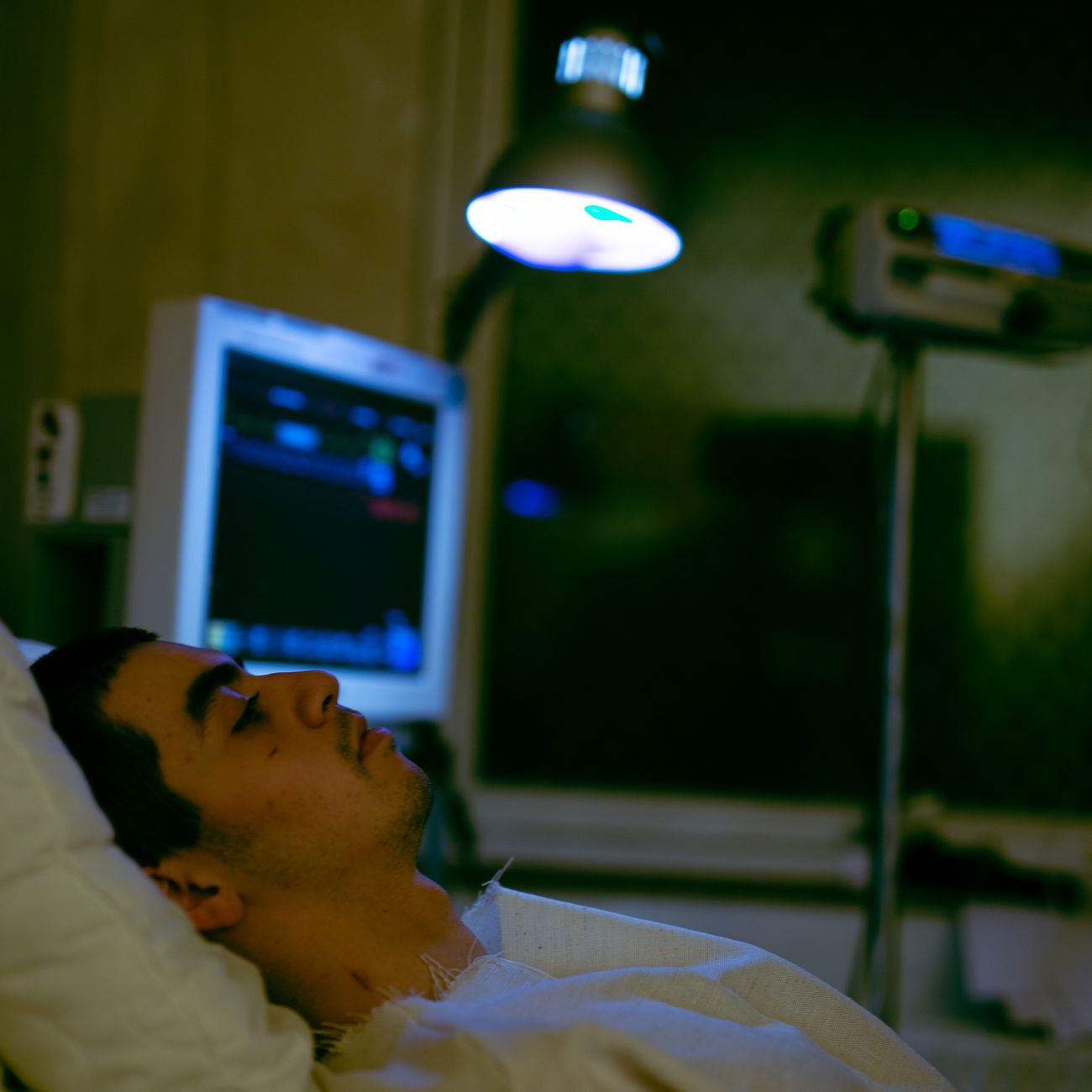
Photo from Pexels
Welcome to this episode of the London School of International Business podcast, where we're exploring the fascinating world of photobiomodulation. I'm your host, and I'm excited to dive into the topic of Clinical Applications of Photobiomodulation, a crucial unit in our Advanced Certificate in Photobiomodulation course. This unit is all about harnessing the power of light to heal and transform the human body, and I'm sure you'll find it as captivating as I do.
As we journey through the history of photobiomodulation, we find that it's been around for centuries, with ancient civilizations using sunlight and other forms of light to treat various ailments. However, it wasn't until the 1960s that the term "photobiomodulation" was coined, and since then, the field has exploded with research and innovation. Today, we're seeing the incredible potential of photobiomodulation in clinical settings, from pain management and wound healing to cosmetic treatments and even mental health applications.
So, what makes Clinical Applications of Photobiomodulation so important? For one, it offers a non-invasive, drug-free alternative to traditional treatments, which is a game-changer for patients seeking more holistic approaches to healthcare. Additionally, the versatility of photobiomodulation allows it to be applied in a wide range of contexts, from hospitals and clinics to spas and wellness centers. As a professional in this field, understanding the clinical applications of photobiomodulation can open up new avenues for career growth and development.
Now, let's get into the nitty-gritty of how photobiomodulation works in clinical settings. Imagine being able to use light to stimulate cellular processes, promoting tissue repair and regeneration. It sounds like science fiction, but it's a reality that's being used to treat conditions like arthritis, tendonitis, and even hair loss. For instance, a study published in the Journal of Pain Research found that photobiomodulation therapy significantly reduced pain and improved quality of life in patients with chronic pain. Another example is the use of photobiomodulation in wound healing, where it's been shown to increase collagen synthesis and improve tissue strength.
For instance, a study published in the Journal of Pain Research found that photobiomodulation therapy significantly reduced pain and improved quality of life in patients with chronic pain.
Of course, as with any powerful tool, there are potential pitfalls to avoid. One common mistake is using the wrong wavelength or intensity of light, which can be ineffective or even counterproductive. To avoid this, it's essential to understand the different types of light and their applications, as well as the importance of proper dosing and treatment protocols. For example, using a wavelength of 630-700 nanometers is typically effective for skin treatments, while a wavelength of 780-1100 nanometers is better suited for deeper tissue treatments.
So, what can you do to apply the principles of Clinical Applications of Photobiomodulation in your own life or work? First, start by educating yourself on the latest research and developments in the field. Look for reputable sources, such as the London School of International Business, that offer comprehensive training and certification programs. Next, consider investing in a photobiomodulation device or seeking out a practitioner who can provide guidance and support. And finally, don't be afraid to think outside the box and explore new and innovative ways to apply photobiomodulation in your practice or daily life.
As we conclude this episode, I want to leave you with a sense of excitement and possibility. The world of photobiomodulation is vast and rapidly evolving, and I believe that by embracing this technology, we can create a brighter, healthier future for ourselves and those around us. If you're as passionate about this topic as I am, I invite you to subscribe to our podcast, share this episode with your network, and join the conversation on social media using the hashtag #LSIBphotobiomodulation. Together, let's shine a light on the incredible potential of photobiomodulation and inspire a new generation of practitioners and innovators. Thanks for tuning in, and we'll see you in the next episode!
Key takeaways
- I'm your host, and I'm excited to dive into the topic of Clinical Applications of Photobiomodulation, a crucial unit in our Advanced Certificate in Photobiomodulation course.
- As we journey through the history of photobiomodulation, we find that it's been around for centuries, with ancient civilizations using sunlight and other forms of light to treat various ailments.
- For one, it offers a non-invasive, drug-free alternative to traditional treatments, which is a game-changer for patients seeking more holistic approaches to healthcare.
- For instance, a study published in the Journal of Pain Research found that photobiomodulation therapy significantly reduced pain and improved quality of life in patients with chronic pain.
- For example, using a wavelength of 630-700 nanometers is typically effective for skin treatments, while a wavelength of 780-1100 nanometers is better suited for deeper tissue treatments.
- And finally, don't be afraid to think outside the box and explore new and innovative ways to apply photobiomodulation in your practice or daily life.
- If you're as passionate about this topic as I am, I invite you to subscribe to our podcast, share this episode with your network, and join the conversation on social media using the hashtag #LSIBphotobiomodulation.