
Emerging Technologies in Cardiopulmonary Assessment
Welcome to this episode of the London School of International Business podcast, where we're exploring the fascinating world of cardiopulmonary exercise testing, and today we're diving into the exciting topic of Emerging Technologies in Card…
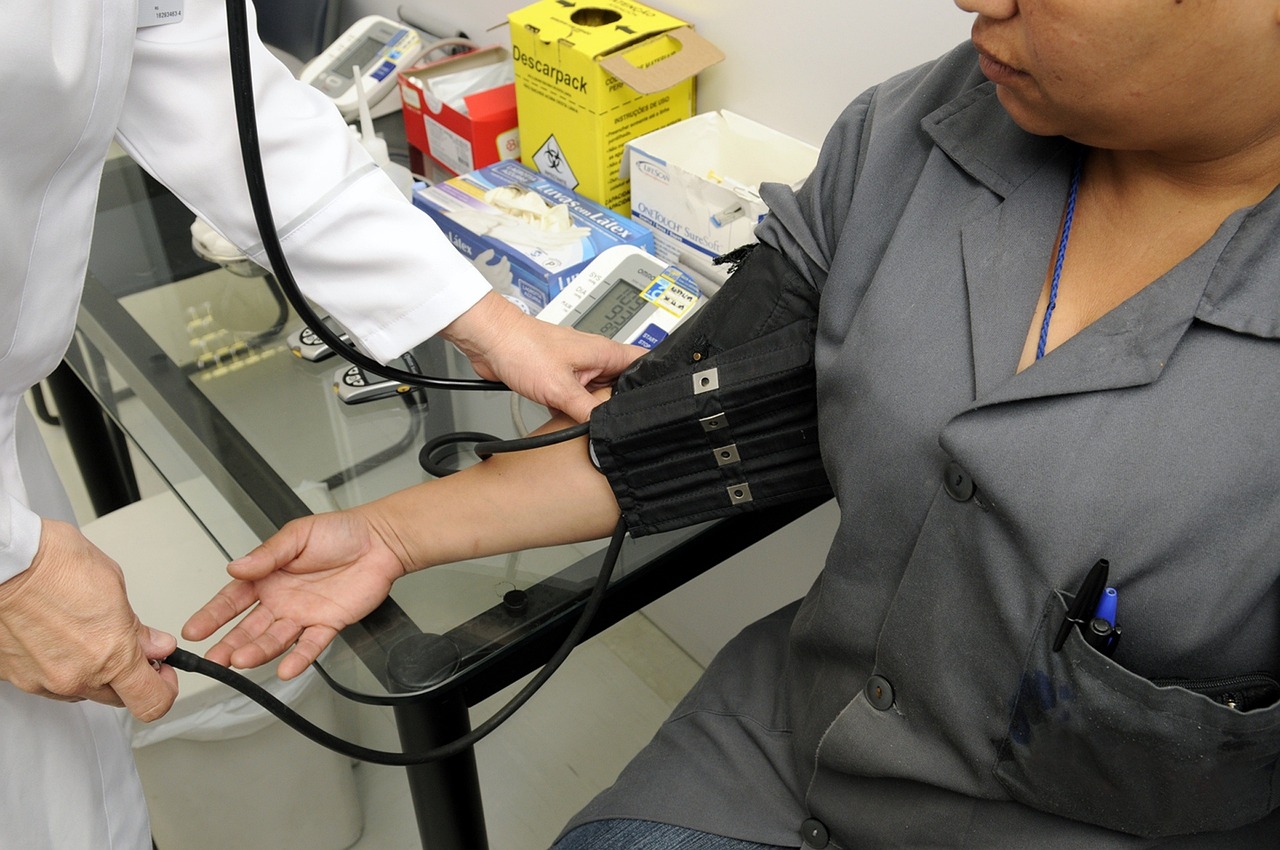
Photo from Pexels
Welcome to this episode of the London School of International Business podcast, where we're exploring the fascinating world of cardiopulmonary exercise testing, and today we're diving into the exciting topic of Emerging Technologies in Cardiopulmonary Assessment. As part of our Executive Certificate in Cardiopulmonary Exercise Testing for Cardiovascular Health, this unit is crucial for anyone looking to stay ahead of the curve in this rapidly evolving field.
Imagine being able to assess cardiovascular health with unprecedented precision, using cutting-edge technologies that were once the stuff of science fiction. From wearable devices that track our every move to advanced imaging techniques that reveal the inner workings of our hearts and lungs, the landscape of cardiopulmonary assessment is undergoing a revolution. But to appreciate just how far we've come, let's take a brief step back in time.
The history of cardiopulmonary exercise testing dates back to the early 20th century, when pioneers in the field began using simple yet ingenious methods to measure the body's response to exercise. Over the years, we've seen significant advancements, from the development of electrocardiography to the introduction of treadmill testing. However, it's the recent explosion of emerging technologies that's truly transforming the field.
So, what do these emerging technologies mean for you, whether you're a healthcare professional, a fitness enthusiast, or simply someone passionate about cardiovascular health? The answer lies in their practical applications. For instance, wearable devices like smartwatches and fitness trackers can provide real-time data on heart rate, blood pressure, and oxygen saturation, empowering individuals to take a more proactive approach to their health.
Moreover, advancements in artificial intelligence and machine learning are enabling the development of sophisticated algorithms that can analyze vast amounts of data, identifying patterns and predicting outcomes with greater accuracy than ever before. This not only enhances diagnostic precision but also opens up new avenues for personalized medicine, where treatment plans can be tailored to an individual's unique needs and circumstances.
This not only enhances diagnostic precision but also opens up new avenues for personalized medicine, where treatment plans can be tailored to an individual's unique needs and circumstances.
However, as with any new technology, there are pitfalls to avoid. One of the most significant challenges is ensuring the accuracy and reliability of the data being collected. This is where it's essential to understand the limitations of these technologies and to use them in conjunction with traditional assessment methods. Another common mistake is getting caught up in the excitement of new gadgets and gizmos without considering the broader context of a patient's overall health.
To avoid these pitfalls, it's crucial to adopt a holistic approach, one that integrates emerging technologies with established best practices and a deep understanding of the underlying physiology. By doing so, you can unlock the full potential of these technologies, using them to inform and enhance your decision-making, rather than simply relying on them as a substitute for sound judgment.
As we conclude this episode, I want to leave you with a message of inspiration and encouragement. The world of cardiopulmonary exercise testing is evolving at an incredible pace, and by embracing these emerging technologies, you can stay at the forefront of this evolution. Remember, the key to unlocking the benefits of these technologies lies not just in the tools themselves, but in how you choose to use them.
So, take the first step today. Apply what you've learned, and continue your journey of growth and discovery. If you've enjoyed this episode, be sure to subscribe to our podcast, produced by the London School of International Business, and share it with your friends and colleagues. Join the conversation on social media, using the hashtag #LSIB, and let's keep exploring the exciting world of cardiopulmonary exercise testing together. Thank you for tuning in, and we look forward to welcoming you to our next episode.
Key takeaways
- As part of our Executive Certificate in Cardiopulmonary Exercise Testing for Cardiovascular Health, this unit is crucial for anyone looking to stay ahead of the curve in this rapidly evolving field.
- From wearable devices that track our every move to advanced imaging techniques that reveal the inner workings of our hearts and lungs, the landscape of cardiopulmonary assessment is undergoing a revolution.
- The history of cardiopulmonary exercise testing dates back to the early 20th century, when pioneers in the field began using simple yet ingenious methods to measure the body's response to exercise.
- For instance, wearable devices like smartwatches and fitness trackers can provide real-time data on heart rate, blood pressure, and oxygen saturation, empowering individuals to take a more proactive approach to their health.
- This not only enhances diagnostic precision but also opens up new avenues for personalized medicine, where treatment plans can be tailored to an individual's unique needs and circumstances.
- Another common mistake is getting caught up in the excitement of new gadgets and gizmos without considering the broader context of a patient's overall health.
- To avoid these pitfalls, it's crucial to adopt a holistic approach, one that integrates emerging technologies with established best practices and a deep understanding of the underlying physiology.