
Cognitive Assessment and Rehabilitation
Welcome to this episode of the London School of International Business podcast, where we're exploring the fascinating world of cognitive rehabilitation. I'm your host, and I'm excited to dive into the topic of Cognitive Assessment and Rehab…
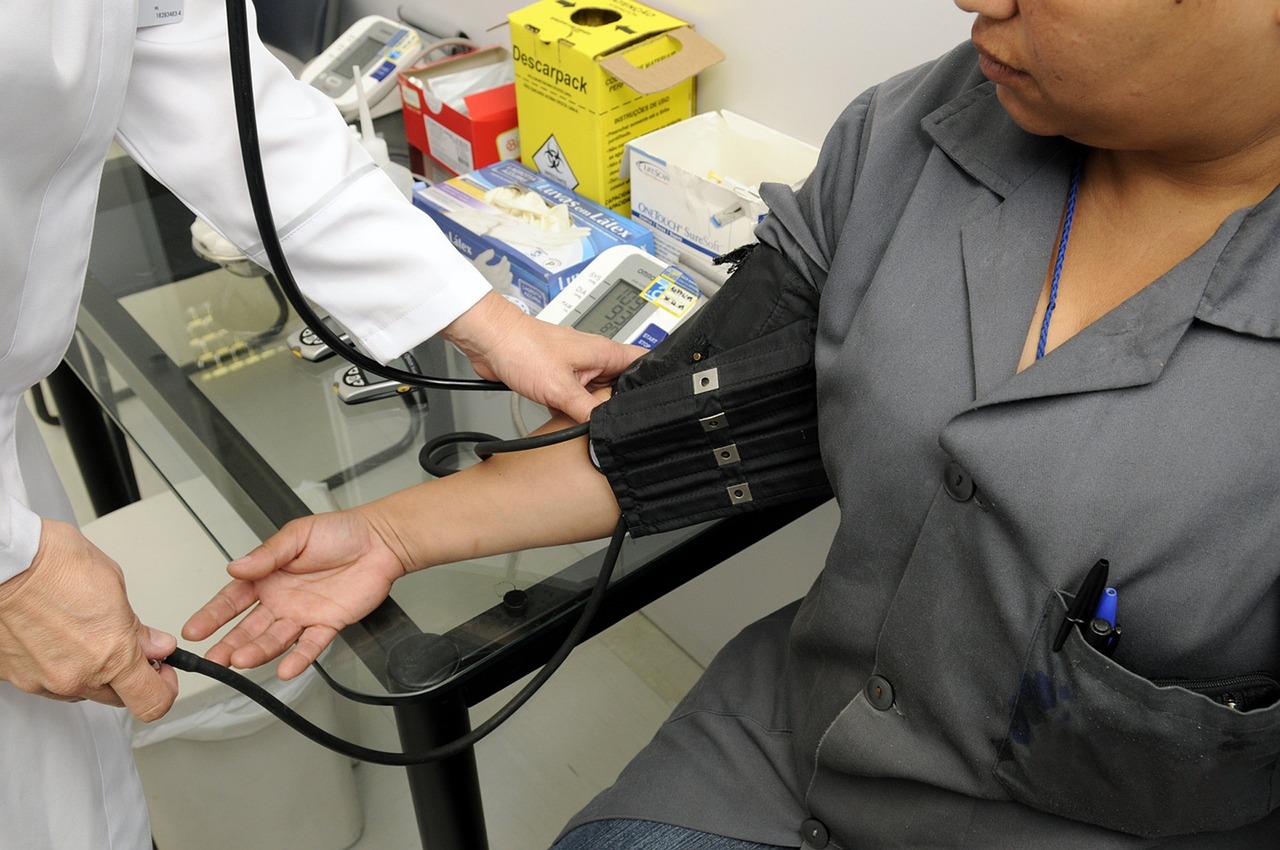
Photo from Pexels
Welcome to this episode of the London School of International Business podcast, where we're exploring the fascinating world of cognitive rehabilitation. I'm your host, and I'm excited to dive into the topic of Cognitive Assessment and Rehabilitation, a crucial unit in our Postgraduate Certificate in Cognitive Rehabilitation. This subject has been gaining momentum over the past few decades, and for good reason. The human brain is a complex and dynamic entity, and understanding how to assess and rehabilitate cognitive functions can have a profound impact on individuals, communities, and society as a whole.
To set the stage, let's take a brief look at the history of cognitive rehabilitation. The concept of cognitive rehabilitation has its roots in the early 20th century, when psychologists and neurologists began to explore the effects of brain injury on cognitive function. However, it wasn't until the 1970s and 1980s that the field started to take shape, with the development of new assessment tools and rehabilitation techniques. Today, cognitive rehabilitation is a thriving field, with applications in healthcare, education, and beyond.
So, why is cognitive assessment and rehabilitation so important? The answer lies in the fact that cognitive functions such as attention, memory, and executive functions are essential for daily life. When these functions are impaired, whether due to injury, illness, or neurodegenerative disease, it can have a significant impact on an individual's quality of life. By understanding how to assess and rehabilitate cognitive functions, professionals can help individuals regain their independence, confidence, and overall well-being.
Now, let's talk about some practical applications of cognitive assessment and rehabilitation. One of the key strategies is to use a holistic approach, taking into account the individual's physical, emotional, and environmental needs. For example, a cognitive rehabilitation specialist might use a combination of cognitive training, occupational therapy, and psychological support to help an individual recover from a traumatic brain injury. Another approach is to use technology, such as cognitive training apps and virtual reality, to enhance cognitive function and promote neuroplasticity.
However, it's not all smooth sailing. One of the common pitfalls in cognitive assessment and rehabilitation is the lack of personalized approach. Every individual is unique, with their own strengths, weaknesses, and goals. A one-size-fits-all approach can be ineffective, even counterproductive. To avoid this pitfall, professionals need to take the time to understand the individual's needs, preferences, and values, and tailor their approach accordingly.
For example, a cognitive rehabilitation specialist might use a combination of cognitive training, occupational therapy, and psychological support to help an individual recover from a traumatic brain injury.
Another challenge is the lack of awareness and understanding about cognitive rehabilitation. Many individuals and families are not aware of the options available to them, or may be skeptical about the effectiveness of cognitive rehabilitation. To overcome this, it's essential to educate and raise awareness about the benefits of cognitive assessment and rehabilitation, and to provide accessible and affordable services to those who need them.
As we conclude this episode, I want to leave you with an inspiring message. Cognitive assessment and rehabilitation is not just a field of study; it's a journey of discovery, growth, and transformation. By applying the principles and strategies we've discussed, you can make a positive impact on your own life, or the lives of others. Whether you're a professional, a caregiver, or simply someone who's passionate about cognitive health, I encourage you to continue exploring, learning, and growing.
If you've enjoyed this episode, please subscribe to our podcast, and share it with others who may be interested. The London School of International Business is committed to providing high-quality education and resources, and we're excited to be part of your journey. Join us next time as we explore more fascinating topics in the world of cognitive rehabilitation, and beyond. Thank you for listening, and we look forward to connecting with you again soon.
Key takeaways
- The human brain is a complex and dynamic entity, and understanding how to assess and rehabilitate cognitive functions can have a profound impact on individuals, communities, and society as a whole.
- The concept of cognitive rehabilitation has its roots in the early 20th century, when psychologists and neurologists began to explore the effects of brain injury on cognitive function.
- By understanding how to assess and rehabilitate cognitive functions, professionals can help individuals regain their independence, confidence, and overall well-being.
- For example, a cognitive rehabilitation specialist might use a combination of cognitive training, occupational therapy, and psychological support to help an individual recover from a traumatic brain injury.
- To avoid this pitfall, professionals need to take the time to understand the individual's needs, preferences, and values, and tailor their approach accordingly.
- To overcome this, it's essential to educate and raise awareness about the benefits of cognitive assessment and rehabilitation, and to provide accessible and affordable services to those who need them.
- Whether you're a professional, a caregiver, or simply someone who's passionate about cognitive health, I encourage you to continue exploring, learning, and growing.