
Parent‑Child Movement Foundations
Welcome to this episode of the Professional Certificate in Baby Dance Class for Families with Young Kids, brought to you by Greenwich School of Business and Finance. I'm your host, and I'm thrilled to dive into the fascinating world of Pare…
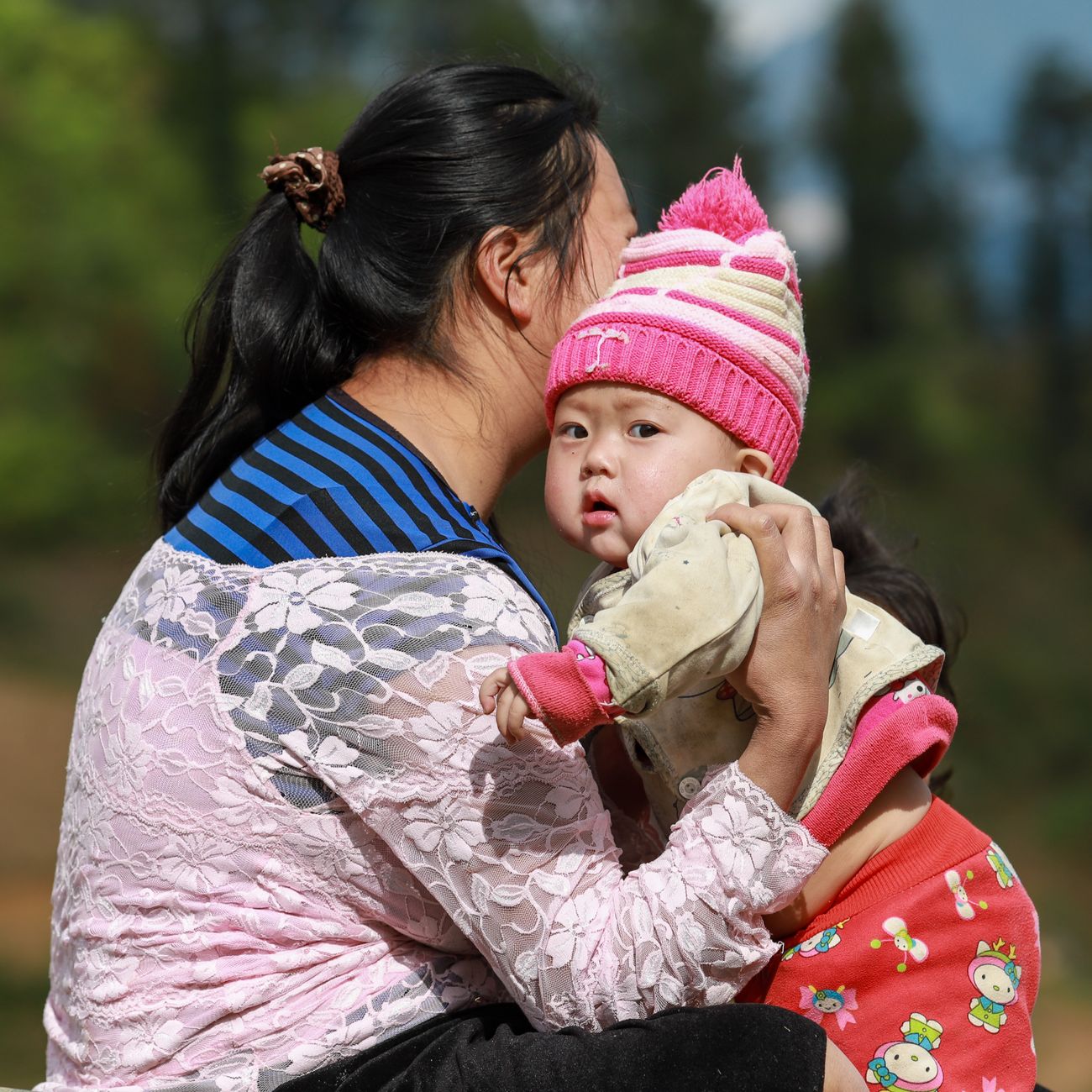
Photo from Pexels
Welcome to this episode of the Professional Certificate in Baby Dance Class for Families with Young Kids, brought to you by Greenwich School of Business and Finance. I'm your host, and I'm thrilled to dive into the fascinating world of Parent-Child Movement Foundations. This unit is at the heart of our course, and for good reason - it's the foundation upon which a lifetime of movement, bonding, and development is built.
As we explore the concept of Parent-Child Movement Foundations, let's take a step back and appreciate the rich history behind it. The idea of intentional movement and dance with young children has been around for decades, with pioneers like Jean Piaget and Rudolf von Laban laying the groundwork for our understanding of child development and movement. Over time, research has continued to evolve, and we now know that movement plays a critical role in a child's cognitive, emotional, and social growth.
So, what exactly are Parent-Child Movement Foundations? In essence, it's about creating a strong bond between parent and child through movement, fostering a sense of trust, and laying the groundwork for a lifelong love of physical activity. By engaging in simple, fun, and interactive movements with your little one, you're not only promoting their development but also strengthening your relationship and creating lasting memories.
Now, let's get practical. So, how can you apply these foundations in your daily life? One of the most effective strategies is to start small. Begin with simple movements like clapping, tapping, or swaying to music, and gradually build up to more complex actions. For example, you can try the "mirror game" where you mimic your child's movements, and they mimic yours. This game not only promotes bonding but also helps develop your child's sense of self-awareness and coordination.
Another actionable tip is to make movement a part of your daily routine. Try incorporating movement into your daily activities, like dancing while you cook or sing silly songs during bath time. By doing so, you're creating a sense of consistency and predictability, which is essential for young children. And don't worry if you feel like you're not the most coordinated person - the goal is to have fun and be present with your child, not to create a perfect dance routine.
And don't worry if you feel like you're not the most coordinated person - the goal is to have fun and be present with your child, not to create a perfect dance routine.
As you embark on this journey, it's essential to be aware of common pitfalls to avoid. One of the most significant mistakes parents make is to overthink or overplan their movement activities. Remember, the goal is to keep it simple, fun, and engaging. Don't worry too much about creating the perfect atmosphere or choreographing the perfect routine. Instead, focus on being present, responsive, and playful with your child.
Another common pitfall is to underestimate the power of movement in children's lives. Movement is not just about physical development; it's also about emotional and social growth. By engaging in movement activities with your child, you're helping them develop essential life skills like self-regulation, empathy, and communication.
As we wrap up this episode, I want to leave you with an inspiring message. The journey of Parent-Child Movement Foundations is not just about teaching your child new skills; it's about creating a lifelong bond, fostering a sense of wonder, and promoting a love of movement that will stay with them forever. So, don't be afraid to get creative, try new things, and make mistakes. Remember, the most important thing is to have fun and be present with your child.
If you're as excited as I am about exploring the world of Parent-Child Movement Foundations, I invite you to subscribe to our podcast, brought to you by Greenwich School of Business and Finance, and join our community of like-minded parents and caregivers. Share this episode with your friends and family, and let's continue the conversation on social media using the hashtag #GSBF. Together, let's embark on this journey of growth, discovery, and movement, and create a brighter, more playful future for our children. Thanks for tuning in, and we'll see you in the next episode.
Key takeaways
- Welcome to this episode of the Professional Certificate in Baby Dance Class for Families with Young Kids, brought to you by Greenwich School of Business and Finance.
- The idea of intentional movement and dance with young children has been around for decades, with pioneers like Jean Piaget and Rudolf von Laban laying the groundwork for our understanding of child development and movement.
- By engaging in simple, fun, and interactive movements with your little one, you're not only promoting their development but also strengthening your relationship and creating lasting memories.
- Begin with simple movements like clapping, tapping, or swaying to music, and gradually build up to more complex actions.
- And don't worry if you feel like you're not the most coordinated person - the goal is to have fun and be present with your child, not to create a perfect dance routine.
- One of the most significant mistakes parents make is to overthink or overplan their movement activities.
- By engaging in movement activities with your child, you're helping them develop essential life skills like self-regulation, empathy, and communication.