
Emergency Response Planning for Sets
Welcome to this episode of the London School of International Business podcast, where we're exploring the critical topic of Emergency Response Planning for Sets, a crucial unit within our Graduate Certificate in Health and Safety Management…
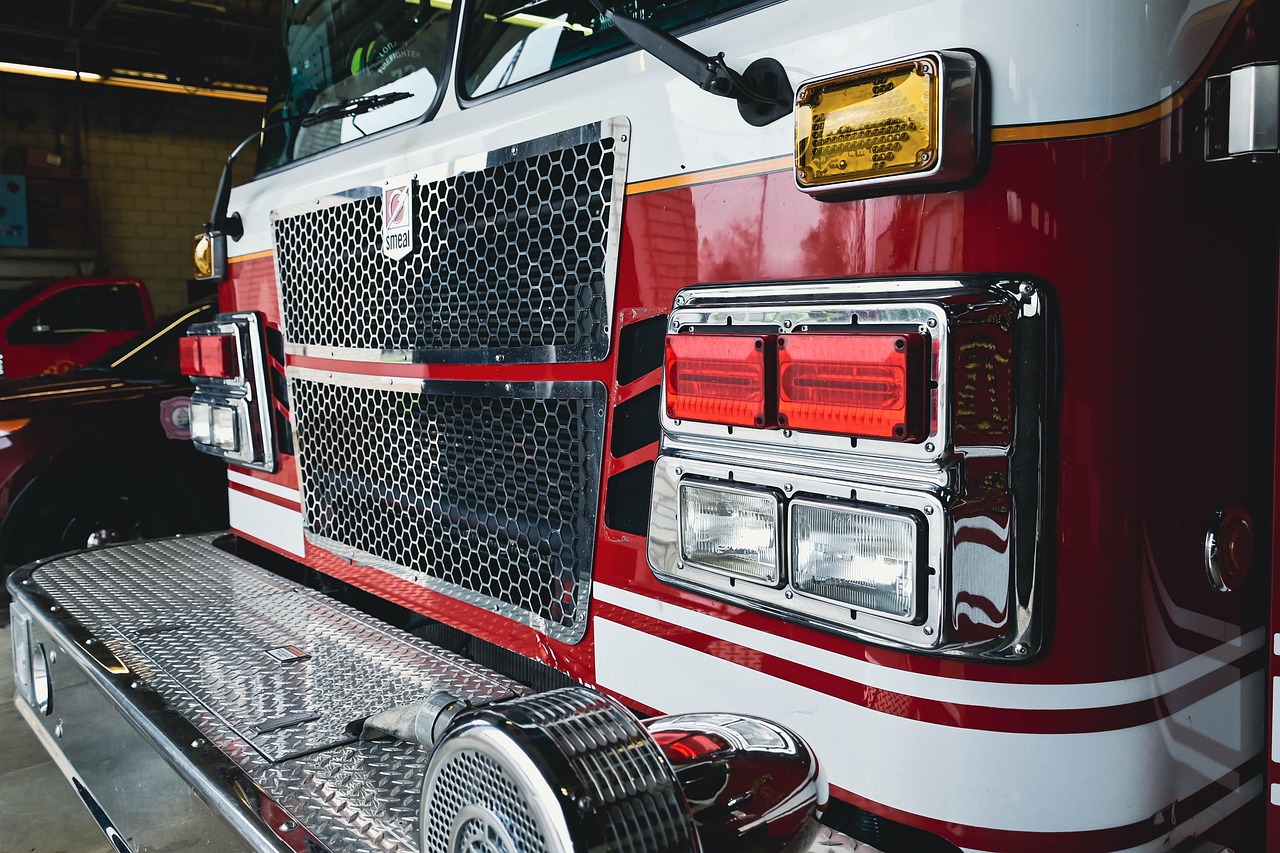
Photo from Pexels
Welcome to this episode of the London School of International Business podcast, where we're exploring the critical topic of Emergency Response Planning for Sets, a crucial unit within our Graduate Certificate in Health and Safety Management for Film Productions. Imagine being on a film set, the cameras are rolling, and suddenly, an unexpected incident occurs - a fire breaks out, a stunt goes wrong, or a cast member is injured. In such high-pressure situations, having a well-planned emergency response strategy can be the difference between life and death.
The importance of emergency response planning cannot be overstated, especially in the film production industry, where the stakes are high, and the margin for error is minimal. Historically, the film industry has experienced its fair share of accidents and tragedies, which have led to significant advancements in safety protocols and regulations. For instance, the 1983 Twilight Zone film set accident, which resulted in the deaths of actor Vic Morrow and two child actors, led to major changes in on-set safety procedures. Similarly, more recent incidents have prompted the development of stricter guidelines and emergency response plans to mitigate risks and ensure the well-being of cast, crew, and staff.
So, what does effective Emergency Response Planning for Sets look like? It begins with a thorough risk assessment to identify potential hazards and developing strategies to mitigate them. This involves creating a comprehensive emergency response plan that outlines procedures for various scenarios, from fires and injuries to natural disasters and terrorist threats. The plan should include clear communication protocols, evacuation procedures, and first aid response, as well as regular training and drills to ensure that everyone on set is prepared to respond in case of an emergency.
One actionable strategy is to conduct regular safety briefings and drills, which can help identify vulnerabilities and areas for improvement. For example, a film production company can conduct a tabletop exercise to simulate an emergency scenario, such as a fire on set, and test their response plan. This can help identify gaps in communication, equipment, or training, and provide valuable insights for improving their emergency response plan.
Another critical aspect of Emergency Response Planning for Sets is ensuring that all personnel are aware of their roles and responsibilities in case of an emergency. This includes designating a safety officer or emergency response team, providing regular training and updates, and ensuring that all crew members know what to do in case of an emergency. It's also essential to have a clear communication plan in place, including a system for reporting incidents and near-misses, and a process for reviewing and updating the emergency response plan regularly.
It's also essential to have a clear communication plan in place, including a system for reporting incidents and near-misses, and a process for reviewing and updating the emergency response plan regularly.
Despite the importance of emergency response planning, many film productions still fall short in this area. Common pitfalls include inadequate training, insufficient equipment, and a lack of clear communication protocols. To avoid these pitfalls, it's essential to prioritize safety and emergency response planning from the outset of the production. This includes allocating sufficient resources and budget for safety equipment, training, and personnel, as well as establishing a safety-first culture on set.
As we conclude this episode on Emergency Response Planning for Sets, I want to leave you with an inspiring message: by prioritizing safety and emergency response planning, you can help create a safer, more responsible, and more sustainable film production industry. Whether you're a seasoned professional or just starting out, you have the power to make a positive impact. So, take what you've learned today and apply it to your own work or projects. Share this episode with your colleagues and friends, and let's work together to create a safer, more resilient film industry.
If you're interested in learning more about health and safety management for film productions, I encourage you to explore our Graduate Certificate in Health and Safety Management for Film Productions at the London School of International Business. This comprehensive program covers a range of critical topics, from risk assessment and hazard control to emergency response planning and crisis management. By investing in your education and training, you can gain the knowledge, skills, and expertise needed to succeed in this exciting and rewarding field.
Thanks for tuning in to this episode of the London School of International Business podcast. If you liked what you heard, please subscribe to our podcast, share it with your network, and join the conversation on social media using the hashtag #LSIBpodcast. Until next time, stay safe, and keep learning.
Key takeaways
- Imagine being on a film set, the cameras are rolling, and suddenly, an unexpected incident occurs - a fire breaks out, a stunt goes wrong, or a cast member is injured.
- Similarly, more recent incidents have prompted the development of stricter guidelines and emergency response plans to mitigate risks and ensure the well-being of cast, crew, and staff.
- The plan should include clear communication protocols, evacuation procedures, and first aid response, as well as regular training and drills to ensure that everyone on set is prepared to respond in case of an emergency.
- For example, a film production company can conduct a tabletop exercise to simulate an emergency scenario, such as a fire on set, and test their response plan.
- It's also essential to have a clear communication plan in place, including a system for reporting incidents and near-misses, and a process for reviewing and updating the emergency response plan regularly.
- This includes allocating sufficient resources and budget for safety equipment, training, and personnel, as well as establishing a safety-first culture on set.
- Share this episode with your colleagues and friends, and let's work together to create a safer, more resilient film industry.