
Evidence Collection in Conflict Zones
Welcome to the Advanced Certificate in War Crimes and Justice podcast, produced by London School of International Business, or LSIB. I'm your host, and I'm excited to dive into one of the most critical topics in the field of international j…
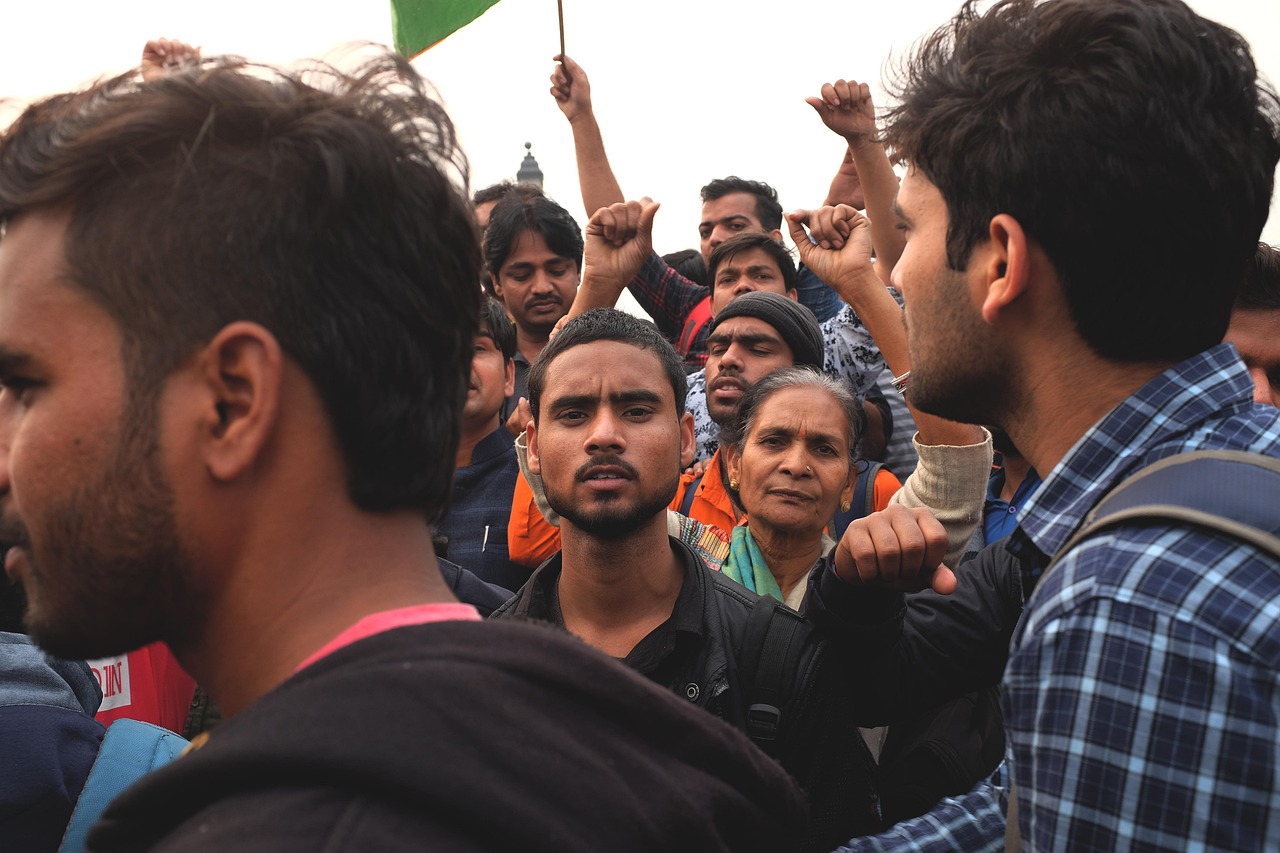
Photo from Pexels
Welcome to the Advanced Certificate in War Crimes and Justice podcast, produced by London School of International Business, or LSIB. I'm your host, and I'm excited to dive into one of the most critical topics in the field of international justice: Evidence Collection in Conflict Zones. This unit is a cornerstone of our course, and for good reason - the ability to collect and preserve evidence in the midst of chaos is crucial in bringing perpetrators to justice and providing closure to victims and their families.
As we explore this topic, it's essential to understand the historical context that has shaped the field of evidence collection. From the Nuremberg trials to the International Criminal Court, the importance of gathering and preserving evidence has been a constant theme. However, the methods and technologies used have evolved significantly over time. Today, we have access to advanced forensic tools, digital platforms, and international frameworks that facilitate the collection and analysis of evidence.
But what does this mean in practical terms? How can investigators, lawyers, and human rights advocates effectively collect evidence in conflict zones, where the rules of war are often disregarded, and the risk of contamination or destruction of evidence is high? The answer lies in a combination of careful planning, meticulous documentation, and a deep understanding of the local context. For instance, investigators must be aware of the cultural and linguistic nuances of the region, as well as the potential risks and challenges posed by the conflict.
One actionable strategy is to establish a clear chain of custody, ensuring that evidence is handled and stored in a way that prevents tampering or contamination. This can be achieved by using secure containers, documenting every step of the collection process, and involving multiple stakeholders to verify the integrity of the evidence. Another tip is to leverage technology, such as mobile apps and digital platforms, to streamline the collection and analysis of evidence. These tools can help investigators to quickly gather and organize data, identify patterns and connections, and share information with other stakeholders.
How can investigators, lawyers, and human rights advocates effectively collect evidence in conflict zones, where the rules of war are often disregarded, and the risk of contamination or destruction of evidence is high?
However, even with the best strategies and technologies, pitfalls can arise. One common challenge is the lack of resources, including funding, personnel, and equipment. To overcome this, investigators can seek partnerships with local organizations, NGOs, or international agencies, which can provide critical support and expertise. Another pitfall is the risk of bias or contamination, which can be mitigated by involving multiple stakeholders, using objective criteria for evidence collection, and regularly reviewing and updating protocols.
As we conclude this episode, I want to leave you with a message of hope and inspiration. The work of collecting evidence in conflict zones is crucial, but it's also complex and challenging. It requires dedication, perseverance, and a commitment to justice. If you're listening to this podcast, you're likely someone who cares deeply about this issue, and I encourage you to continue your journey of growth and learning. Whether you're a student, a professional, or simply a concerned citizen, you have the power to make a difference.
So, what can you do next? Subscribe to our podcast, produced by London School of International Business, or LSIB, to stay up-to-date on the latest topics and trends in war crimes and justice. Share this episode with someone who might be interested, and engage with us on social media to join the conversation. Most importantly, apply what you've learned today to your own life and work, and inspire others to do the same. Together, we can create a more just and equitable world, where evidence collection in conflict zones is a powerful tool for accountability and justice. Thank you for listening, and we look forward to joining you on the next episode of the Advanced Certificate in War Crimes and Justice podcast, produced by London School of International Business, or LSIB.
Key takeaways
- This unit is a cornerstone of our course, and for good reason - the ability to collect and preserve evidence in the midst of chaos is crucial in bringing perpetrators to justice and providing closure to victims and their families.
- Today, we have access to advanced forensic tools, digital platforms, and international frameworks that facilitate the collection and analysis of evidence.
- How can investigators, lawyers, and human rights advocates effectively collect evidence in conflict zones, where the rules of war are often disregarded, and the risk of contamination or destruction of evidence is high?
- This can be achieved by using secure containers, documenting every step of the collection process, and involving multiple stakeholders to verify the integrity of the evidence.
- Another pitfall is the risk of bias or contamination, which can be mitigated by involving multiple stakeholders, using objective criteria for evidence collection, and regularly reviewing and updating protocols.
- If you're listening to this podcast, you're likely someone who cares deeply about this issue, and I encourage you to continue your journey of growth and learning.
- Thank you for listening, and we look forward to joining you on the next episode of the Advanced Certificate in War Crimes and Justice podcast, produced by London School of International Business, or LSIB.