
Healthcare Facility Planning
Imagine walking into a hospital, and as you step through the doors, you're immediately struck by the sense of calm and efficiency that surrounds you. The waiting areas are spacious, the corridors are well-signposted, and the staff seem to b…
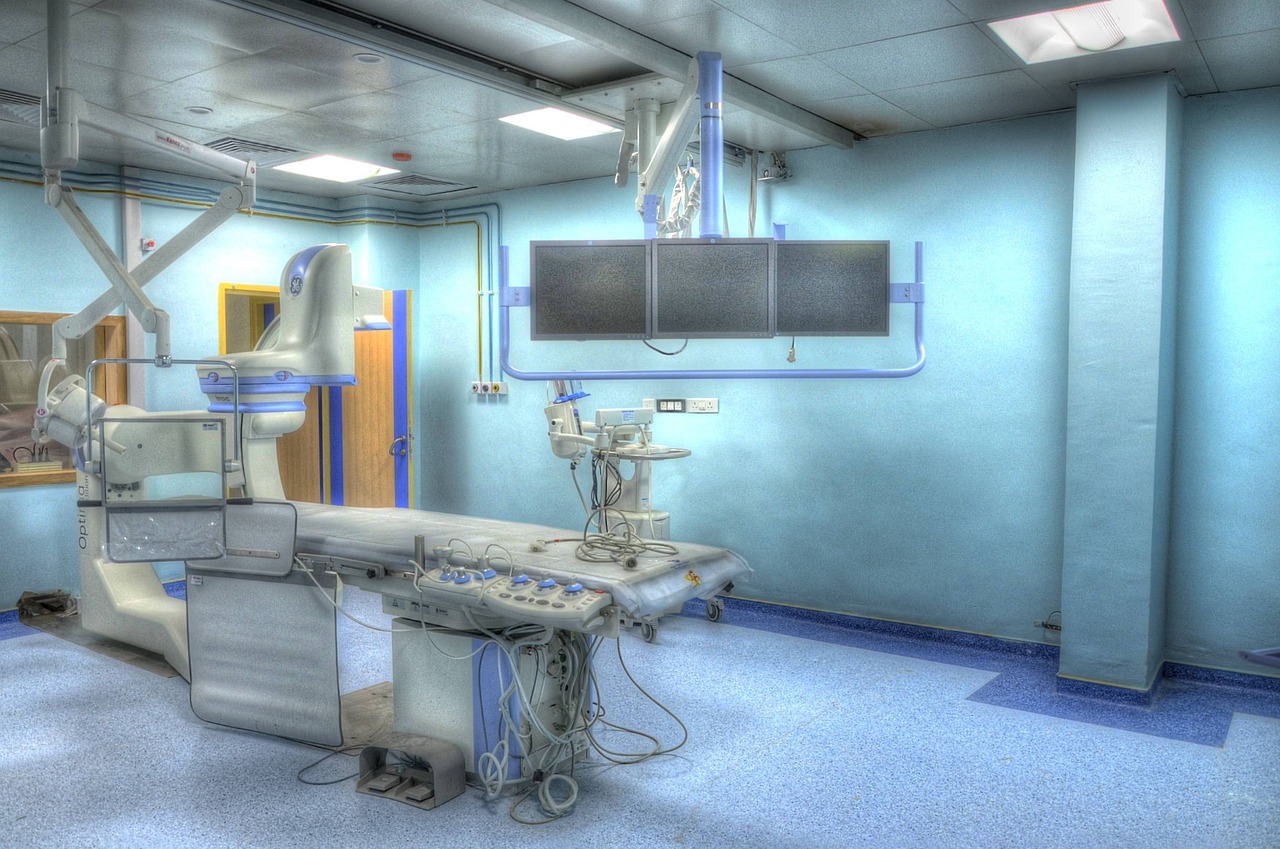
Photo from Pexels
Imagine walking into a hospital, and as you step through the doors, you're immediately struck by the sense of calm and efficiency that surrounds you. The waiting areas are spacious, the corridors are well-signposted, and the staff seem to be moving with a sense of purpose. This isn't just luck; it's the result of careful planning and design. Welcome to this episode of our podcast, where we're exploring the fascinating world of Healthcare Facility Planning, a crucial unit in our Certificate Programme in Healthcare Facility Design and Layout, brought to you by HealthCareCourses (An LSIB brand), or HCC for short.
As we delve into the world of Healthcare Facility Planning, it's worth taking a step back to appreciate the journey that has brought us to where we are today. The concept of planning healthcare facilities dates back centuries, but it's only in recent decades that we've seen a significant shift towards more patient-centered, efficient, and technologically advanced designs. From the early days of hospital design, which focused primarily on isolating patients and separating different types of care, to the modern era, where we prioritize flexibility, sustainability, and patient experience, the evolution of Healthcare Facility Planning has been remarkable.
So, why is Healthcare Facility Planning so important? The answer lies in its impact on patient outcomes, staff satisfaction, and the overall efficiency of healthcare services. A well-planned facility can reduce infection rates, improve navigation, and enhance the overall patient experience. On the other hand, a poorly designed facility can lead to confusion, delays, and even medical errors. As healthcare professionals, designers, and planners, it's our responsibility to create environments that support the delivery of high-quality care.
Now, let's dive into some practical applications of Healthcare Facility Planning. One key strategy is to involve stakeholders from across the healthcare spectrum in the design process. This includes clinicians, administrators, patients, and families, all of whom bring unique perspectives and insights to the table. By doing so, we can create facilities that are tailored to the specific needs of the community they serve. Another tip is to prioritize flexibility and adaptability in our designs, recognizing that healthcare is a rapidly evolving field, and our facilities need to be able to keep pace.
Another tip is to prioritize flexibility and adaptability in our designs, recognizing that healthcare is a rapidly evolving field, and our facilities need to be able to keep pace.
However, there are also common pitfalls to avoid. One of the most significant mistakes is to overlook the importance of wayfinding and navigation. A facility that is difficult to navigate can lead to frustration, anxiety, and even missed appointments. To avoid this, we can use techniques like clear signage, intuitive layouts, and digital navigation tools. Another pitfall is to neglect the needs of staff, who are often the backbone of our healthcare systems. By providing them with well-designed workspaces, adequate storage, and access to amenities, we can boost morale, reduce burnout, and improve overall job satisfaction.
As we conclude this episode, we want to leave you with a sense of inspiration and motivation. Healthcare Facility Planning is a complex and multifaceted field, but it's also an incredible opportunity to make a positive impact on the lives of patients, families, and healthcare professionals. We encourage you to apply the lessons you've learned today to your own work or studies, and to continue exploring the many resources and courses available through HealthCareCourses (An LSIB brand), or HCC. If you've enjoyed this episode, please subscribe to our podcast, share it with your colleagues and friends, and join the conversation on social media using the hashtag #HCCpodcast. Remember, the future of healthcare is being shaped by the decisions we make today, and we're excited to be a part of this journey with you. Thanks for listening, and we look forward to welcoming you to our next episode.
Key takeaways
- Imagine walking into a hospital, and as you step through the doors, you're immediately struck by the sense of calm and efficiency that surrounds you.
- The concept of planning healthcare facilities dates back centuries, but it's only in recent decades that we've seen a significant shift towards more patient-centered, efficient, and technologically advanced designs.
- As healthcare professionals, designers, and planners, it's our responsibility to create environments that support the delivery of high-quality care.
- Another tip is to prioritize flexibility and adaptability in our designs, recognizing that healthcare is a rapidly evolving field, and our facilities need to be able to keep pace.
- By providing them with well-designed workspaces, adequate storage, and access to amenities, we can boost morale, reduce burnout, and improve overall job satisfaction.
- We encourage you to apply the lessons you've learned today to your own work or studies, and to continue exploring the many resources and courses available through HealthCareCourses (An LSIB brand), or HCC.