
Load Analysis and Testing
Load analysis is a crucial aspect of gym machinery engineering and safety, as it helps to determine the structural integrity and durability of equipment under various loads and stresses . To perform a thorough load analysis, it is essential…
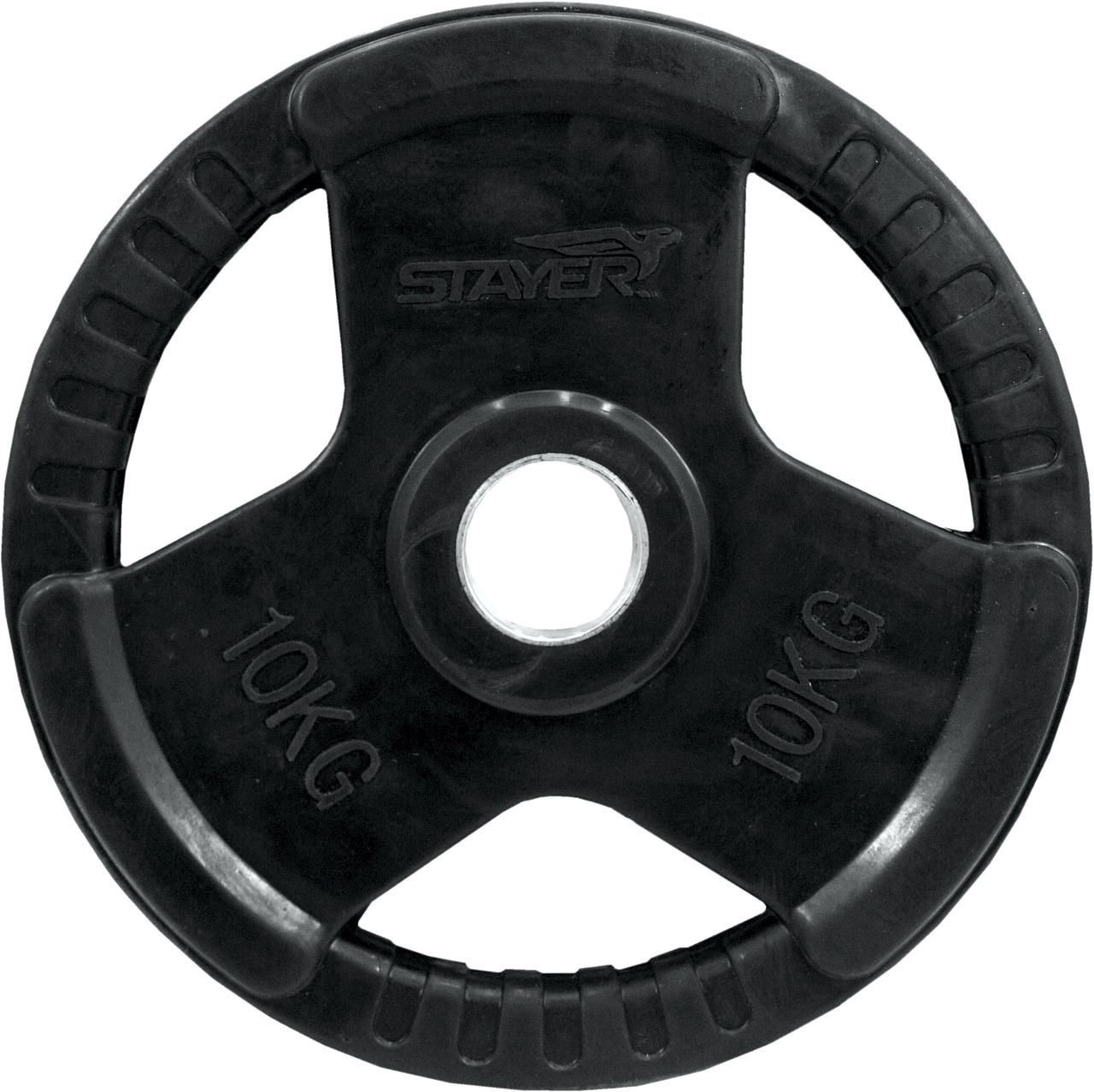
Load analysis is a crucial aspect of gym machinery engineering and safety, as it helps to determine the structural integrity and durability of equipment under various loads and stresses. To perform a thorough load analysis, it is essential to understand key terms and vocabulary related to the subject. One of the primary concepts in load analysis is the weight of the load, which refers to the amount of force exerted by an object due to gravity. This weight can be further broken down into static and dynamic loads, depending on whether the load is stationary or in motion.
In the context of gym machinery, static loads are typically associated with the weight of the equipment itself, as well as any stationary objects that may be placed on or around it. On the other hand, dynamic loads are related to the movement of the equipment, such as when a user is exercising on a treadmill or lifting weights. The type of load that is applied to the equipment can significantly impact its performance and safety, making it essential to consider both static and dynamic loads during the design and testing phases.
Another critical concept in load analysis is the idea of stress and strain, which refer to the forces that are applied to a material or object, causing it to deform or change shape. In the context of gym machinery, stress and strain can occur due to various factors, such as the weight of the equipment, the movement of the user, or the environmental conditions in which the equipment is used. Understanding the stress and strain that a material or object can withstand is crucial in ensuring the safety and durability of the equipment.
In addition to stress and strain, load analysis also involves considering the fatigue life of a material or object, which refers to its ability to withstand repeated loading and unloading cycles over time. In the context of gym machinery, fatigue can occur due to the repetitive nature of the exercises being performed, such as the up and down motion of a treadmill or the back and forth motion of a rowing machine. Understanding the fatigue life of a material or object is essential in ensuring that the equipment can withstand the rigors of repeated use over time.
Load testing is another critical aspect of gym machinery engineering and safety, as it helps to validate the design and performance of the equipment under various loads and conditions. Load testing typically involves applying a known load to the equipment and measuring its response, such as the amount of deformation or displacement that occurs. This information can then be used to refine the design of the equipment, making it safer and more efficient for users.
There are several types of load tests that can be performed on gym machinery, including static load tests, dynamic load tests, and fatigue tests. Static load tests involve applying a stationary load to the equipment and measuring its response, while dynamic load tests involve applying a moving load to the equipment and measuring its response. Fatigue tests, on the other hand, involve applying a repeated load to the equipment over a prolonged period, in order to assess its ability to withstand repeated loading and unloading cycles.
In addition to load testing, gym machinery engineering and safety also involves considering the ergonomic design of the equipment, in order to ensure that it is safe and comfortable for users to operate. This includes considering factors such as the height and position of the equipment, the size and shape of the controls, and the visibility and accessibility of the equipment. By considering these factors, manufacturers can design equipment that is not only safe and efficient but also user-friendly and comfortable to use.
The environmental conditions in which the equipment is used can also have a significant impact on its performance and safety. For example, equipment that is used in a hot and humid environment may be more prone to corrosion and wear and tear, while equipment that is used in a cold and dry environment may be more prone to brittleness and fracture. By considering these environmental factors, manufacturers can design equipment that is robust and reliable, even in challenging conditions.
The maintenance and repair of gym machinery is also an essential aspect of ensuring its safety and performance. This includes regularly inspecting the equipment for wear and tear, as well as performing routine maintenance tasks such as lubricating moving parts and replacing worn or damaged components. By staying on top of maintenance and repair, gym owners and operators can help to ensure that their equipment is always in good working condition, reducing the risk of accidents and injuries.
The standards and regulations that govern the design and manufacture of gym machinery can also have a significant impact on its safety and performance. For example, equipment that is designed and manufactured in accordance with international standards such as those set by the American Society for Testing and Materials (ASTM) or the International Organization for Standardization (ISO) is likely to be safer and more reliable than equipment that is not. By following these standards and regulations, manufacturers can help to ensure that their equipment meets the highest levels of safety and quality.
In addition to the technical aspects of gym machinery engineering and safety, there are also human factors to consider. For example, the behavior and actions of users can have a significant impact on the safety and performance of the equipment. By providing users with clear instructions and guidelines for the safe use of the equipment, as well as ensuring that they are properly trained and qualified, gym owners and operators can help to reduce the risk of accidents and injuries.
The cost of gym machinery can also be a significant factor in its adoption and use. Equipment that is expensive to purchase and maintain may be less likely to be adopted by gyms and fitness centers, particularly those with limited budgets. By considering the cost of the equipment, as well as its benefits and return on investment, manufacturers can help to design and manufacture equipment that is not only safe and effective but also affordable and cost-effective.
The innovation and advancement of gym machinery is also an ongoing process, with new technologies and designs being developed and introduced all the time. For example, the use of artificial intelligence and machine learning in gym machinery is becoming increasingly common, allowing for more personalized and effective workouts. By staying at the forefront of these advancements, manufacturers can help to design and manufacture equipment that is not only safe and effective but also innovative and cutting-edge.
The collaboration and partnership between manufacturers, gym owners and operators, and users is also essential in ensuring the safety and performance of gym machinery. By working together and sharing knowledge and expertise, these stakeholders can help to identify and address safety and performance issues, as well as develop new and innovative solutions to meet the evolving needs of the fitness industry.
The education and training of users is also a critical aspect of ensuring the safety and performance of gym machinery. By providing users with the knowledge and skills they need to use the equipment safely and effectively, gym owners and operators can help to reduce the risk of accidents and injuries. This can include providing instructional materials and guides, as well as offering training and certification programs for users.
The inspection and testing of gym machinery is also an essential aspect of ensuring its safety and performance. By regularly inspecting the equipment for wear and tear, as well as performing routine testing and maintenance tasks, gym owners and operators can help to identify and address safety and performance issues before they become major problems.
The record keeping and documentation of gym machinery is also important, as it helps to track the history of the equipment, including its maintenance and repair records, as well as any incidents or accidents that may have occurred. By keeping accurate and detailed records, gym owners and operators can help to identify trends and patterns in the equipment's performance and safety, and make
The communication between manufacturers, gym owners and operators, and users is also essential in ensuring the safety and performance of gym machinery. By providing clear and concise information about the equipment, including its features and benefits, as well as its safe use and maintenance, manufacturers can help to ensure that users have the knowledge and skills they need to use the equipment safely and effectively.
The continuity of gym machinery is also important, as it helps to ensure that the equipment is always available and functional, even in the event of a failure or breakdown. By having a plan in place for the maintenance and repair of the equipment, as well as a backup system or spare parts, gym owners and operators can help to minimize downtime and ensure that the equipment is always available for use.
The customization of gym machinery is also becoming increasingly popular, as users seek to create personalized and effective workouts. By offering customizable equipment and programs, manufacturers can help to meet the unique needs and goals of users, and provide a more engaging and motivating experience.
The integration of gym machinery with other technologies and systems is also an area of ongoing development and innovation. For example, the use of wearable devices and mobile apps to track workouts and progress is becoming increasingly common, and manufacturers are responding by designing equipment that is compatible with these technologies. By integrating gym machinery with other technologies and systems, manufacturers can help to create a more seamless and connected experience for users.
The sustainability of gym machinery is also an important consideration, as manufacturers seek to reduce the environmental impact of their equipment and operations. By using recyclable materials, reducing energy consumption, and minimizing waste, manufacturers can help to create a more sustainable and environmentally friendly industry.
The accessibility of gym machinery is also an important consideration, as manufacturers seek to create equipment that is usable and accessible to all users, regardless of their ability or disability. By designing equipment that is adaptive and flexible, manufacturers can help to create a more
The research and development of gym machinery is also an ongoing process, as manufacturers seek to create new and innovative equipment and technologies to meet the evolving needs of the fitness industry. By investing in research and development, manufacturers can help to stay at the forefront of the industry, and create equipment that is not only safe and effective but also innovative and cutting-edge.
The certification and compliance of gym machinery is also an important consideration, as manufacturers seek to ensure that their equipment meets the highest standards of safety and quality. By obtaining certification from reputable organizations, such as the American Society for Testing and Materials (ASTM) or the International Organization for Standardization (ISO), manufacturers can help to demonstrate their commitment to safety and quality, and provide users with confidence in the equipment they are using.
The installation and setup of gym machinery is also an important consideration, as it can have a significant impact on the safety and performance of the equipment. By providing clear and concise instructions, as well as training and support for users, manufacturers can help to ensure that the equipment is installed and set up correctly, and that users have the knowledge and skills they need to use it safely and effectively.
The maintenance and repair of gym machinery is also an ongoing process, as equipment can wear out or break down over time. By providing regular maintenance and repair services, manufacturers can help to ensure that the equipment is always in good working condition, and that users have access to the support and resources they need to keep the equipment running smoothly.
The disposal of gym machinery is also an important consideration, as it can have a significant impact on the environment. By providing guidelines and resources for the proper disposal of equipment, manufacturers can help to minimize the environmental impact of their products, and promote a more sustainable and responsible industry.
The warranty and support provided by manufacturers is also an important consideration, as it can have a significant impact on the satisfaction and loyalty of users. By providing comprehensive warranty and support programs, manufacturers can help to demonstrate their commitment to quality and customer satisfaction, and provide users with confidence in the equipment they are using.
The feedback and evaluation of gym machinery is also an important consideration, as it can help to identify areas for improvement and innovation. By collecting and analyzing feedback from users, manufacturers can help to refine and improve their equipment, and create a more user-friendly and effective experience.
The standardization of gym machinery is also an important consideration, as it can help to ensure that equipment is compatible and interoperable with other systems and technologies. By adopting industry-wide standards and protocols, manufacturers can help to create a more seamless and connected experience for users, and promote a more efficient and effective industry.
The regulation of gym machinery is also an important consideration, as it can help to ensure that equipment meets the highest standards of safety and quality. By complying with regulations and standards set by government agencies and industry organizations, manufacturers can help to demonstrate their commitment to safety and quality, and provide users with confidence in the equipment they are using.
Key takeaways
- Load analysis is a crucial aspect of gym machinery engineering and safety, as it helps to determine the structural integrity and durability of equipment under various loads and stresses.
- The type of load that is applied to the equipment can significantly impact its performance and safety, making it essential to consider both static and dynamic loads during the design and testing phases.
- Another critical concept in load analysis is the idea of stress and strain, which refer to the forces that are applied to a material or object, causing it to deform or change shape.
- Understanding the fatigue life of a material or object is essential in ensuring that the equipment can withstand the rigors of repeated use over time.
- Load testing is another critical aspect of gym machinery engineering and safety, as it helps to validate the design and performance of the equipment under various loads and conditions.
- Static load tests involve applying a stationary load to the equipment and measuring its response, while dynamic load tests involve applying a moving load to the equipment and measuring its response.
- In addition to load testing, gym machinery engineering and safety also involves considering the ergonomic design of the equipment, in order to ensure that it is safe and comfortable for users to operate.