
Energy Efficiency and Renewable Technologies in Defence
Energy efficiency in defense refers to the use of technologies and practices that reduce the amount of energy required to perform a given task, while renewable technologies in defense involve the use of natural resources such as solar, wind…
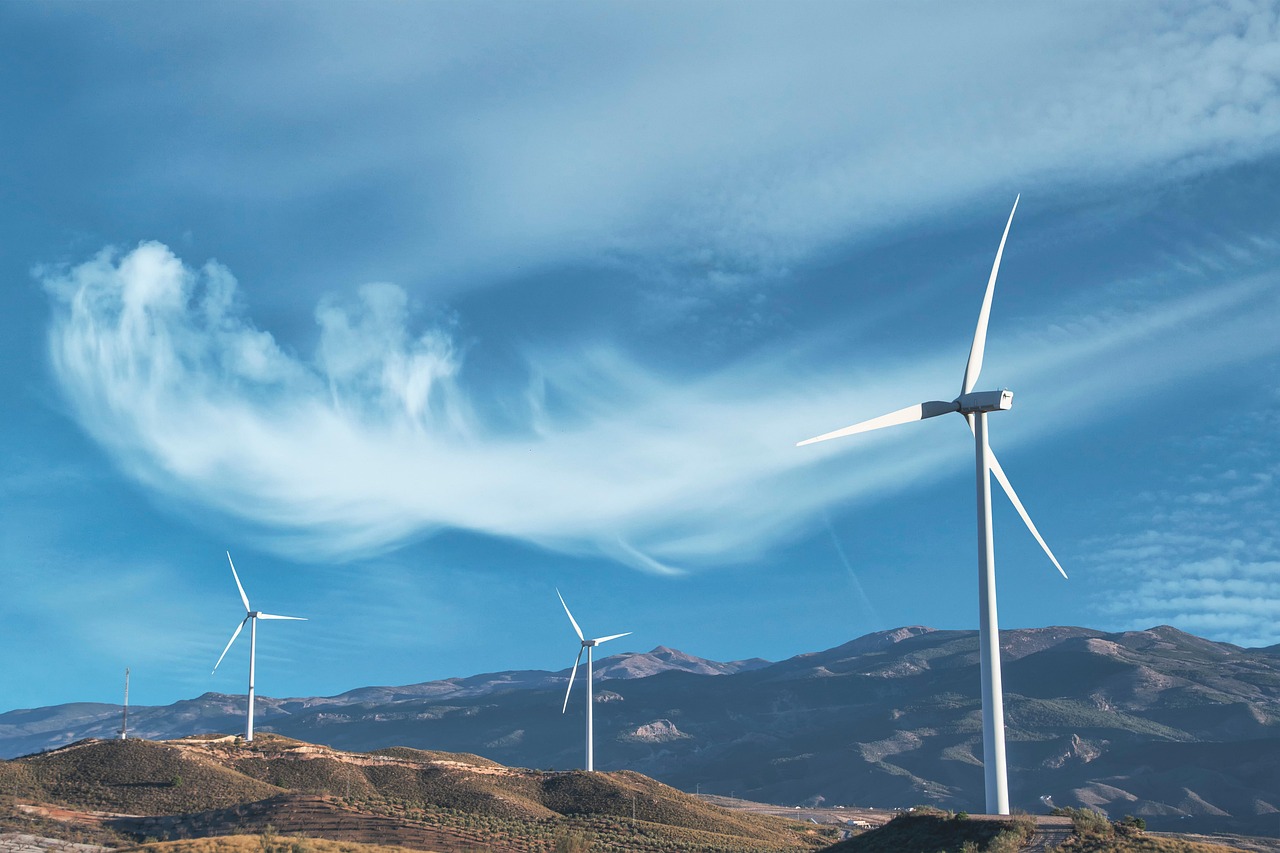
Energy efficiency in defense refers to the use of technologies and practices that reduce the amount of energy required to perform a given task, while renewable technologies in defense involve the use of natural resources such as solar, wind, and geothermal energy to generate power. The use of energy efficient and renewable technologies in defense can help to reduce the military's reliance on fossil fuels, decrease greenhouse gas emissions, and improve energy security.
The military's use of energy is a significant contributor to greenhouse gas emissions, with the production, transportation, and consumption of fuel being major sources of emissions. The use of energy efficient technologies such as led lighting, insulation, and smart grids can help to reduce energy consumption and lower emissions. Additionally, the use of renewable energy sources such as solar and wind power can help to reduce the military's reliance on fossil fuels and decrease emissions.
One of the key challenges facing the military in its efforts to increase energy efficiency and use of renewable energy is the need to balance energy security with mission requirements. The military requires a reliable and constant supply of energy to perform its missions, and any disruptions to the energy supply can have significant consequences. Therefore, the military must ensure that any energy efficient or renewable energy technologies it adopts are reliable and can meet the demands of its operations.
Another challenge facing the military is the cost of implementing energy efficient and renewable energy technologies. While these technologies can provide long-term savings and reduce energy costs, the initial investment required to implement them can be significant. The military must therefore carefully consider the costs and benefits of different energy efficient and renewable energy technologies and prioritize those that provide the greatest benefits.
The military can also play a key role in the development and deployment of new energy efficient and renewable energy technologies. The military's research and development efforts can help to drive innovation and improve the performance and efficiency of energy efficient and renewable energy technologies. Additionally, the military's large scale procurement efforts can help to drive down the cost of these technologies and make them more affordable for widespread adoption.
Energy efficient technologies such as building insulation, windows, and doors can help to reduce energy consumption in military facilities. The use of led lighting and smart grids can also help to reduce energy consumption and improve energy efficiency.
The use of energy efficient and renewable energy technologies in military vehicles can also help to reduce energy consumption and lower emissions. The use of hybrid and electric vehicles can help to reduce fuel consumption and lower emissions, while the use of biofuels can help to reduce the military's reliance on fossil fuels.
The military can also use energy efficient and renewable energy technologies to improve its energy security and reduce its reliance on fossil fuels. The use of renewable energy sources such as solar and wind power can help to reduce the military's reliance on fossil fuels and improve its energy security. Additionally, the use of energy storage technologies such as batteries can help to improve the military's energy security by providing a reliable source of backup power.
The military's use of energy efficient and renewable energy technologies can also have environmental benefits. The reduction in greenhouse gas emissions from the use of renewable energy sources can help to mitigate climate change, while the reduction in air pollutants from the use of energy efficient technologies can help to improve air quality.
In addition to the environmental benefits, the use of energy efficient and renewable energy technologies in defense can also have economic benefits. The reduction in energy costs from the use of energy efficient technologies can help to save the military money, while the creation of jobs in the renewable energy industry can help to stimulate economic growth.
The military can also use energy efficient and renewable energy technologies to improve its operational effectiveness. The use of renewable energy sources such as solar and wind power can help to reduce the military's reliance on fossil fuels and improve its energy security, while the use of energy storage technologies such as batteries can help to provide a reliable source of backup power.
The use of energy efficient and renewable energy technologies in defense can also help to reduce the logistical burden of fuel transportation. The use of renewable energy sources such as solar and wind power can help to reduce the military's reliance on fossil fuels and decrease the need for fuel transportation, while the use of energy storage technologies such as batteries can help to provide a reliable source of backup power.
The military's use of energy efficient and renewable energy technologies can also have social benefits. The creation of jobs in the renewable energy industry can help to stimulate economic growth and improve living standards, while the reduction in greenhouse gas emissions from the use of renewable energy sources can help to mitigate climate change and improve public health.
In order to achieve its energy efficiency and renewable energy goals, the military must develop a comprehensive energy strategy that takes into account its unique energy needs and challenges. This strategy should include goals and objectives for reducing energy consumption and increasing the use of renewable energy sources, as well as plans for implementing energy efficient and renewable energy technologies.
The military can also work with industry partners and research institutions to develop new energy efficient and renewable energy technologies. The military's research and development efforts can help to drive innovation and improve the performance and efficiency of energy efficient and renewable energy technologies, while the military's large scale procurement efforts can help to drive down the cost of these technologies and make them more affordable for widespread adoption.
The use of energy efficient and renewable energy technologies in defense can also help to improve the resilience of military operations.
The military's use of energy efficient and renewable energy technologies can also have strategic benefits. The reduction in greenhouse gas emissions from the use of renewable energy sources can help to mitigate climate change and improve global security, while the creation of jobs in the renewable energy industry can help to stimulate economic growth and improve living standards.
In order to overcome the challenges associated with the use of energy efficient and renewable energy technologies in defense, the military must develop a comprehensive energy strategy that takes into account its unique energy needs and challenges.
The use of energy efficient and renewable energy technologies in defense can also help to reduce the financial burden of energy costs. The reduction in energy costs from the use of energy efficient technologies can help to save the military money, while the creation of jobs in the renewable energy industry can help to stimulate economic growth and improve living standards.
The military's use of energy efficient and renewable energy technologies can also have international benefits.
In addition to the environmental and economic benefits, the use of energy efficient and renewable energy technologies in defense can also have social benefits.
The use of energy efficient and renewable energy technologies in defense can also help to improve the quality of life for military personnel.
The military's use of energy efficient and renewable energy technologies can also have long-term benefits.
The use of energy efficient and renewable energy technologies in defense can also help to reduce the risk of climate change.
The use of energy efficient and renewable energy technologies in defense can also help to improve the sustainability of military operations.
The military's use of energy efficient and renewable energy technologies can also have global benefits.
The use of energy efficient and renewable energy technologies in defense can also help to reduce the dependence on fossil fuels.
The reduction in greenhouse gas emissions from the use of renewable energy sources can help to mitigate climate change and improve air quality, while the creation of jobs in the renewable energy industry can help to stimulate economic growth and improve living standards.
The use of energy efficient and renewable energy technologies in defense can also help to reduce the risk of energy shortages.
Key takeaways
- The use of energy efficient and renewable technologies in defense can help to reduce the military's reliance on fossil fuels, decrease greenhouse gas emissions, and improve energy security.
- The military's use of energy is a significant contributor to greenhouse gas emissions, with the production, transportation, and consumption of fuel being major sources of emissions.
- One of the key challenges facing the military in its efforts to increase energy efficiency and use of renewable energy is the need to balance energy security with mission requirements.
- The military must therefore carefully consider the costs and benefits of different energy efficient and renewable energy technologies and prioritize those that provide the greatest benefits.
- The military's research and development efforts can help to drive innovation and improve the performance and efficiency of energy efficient and renewable energy technologies.
- Energy efficient technologies such as building insulation, windows, and doors can help to reduce energy consumption in military facilities.
- The use of hybrid and electric vehicles can help to reduce fuel consumption and lower emissions, while the use of biofuels can help to reduce the military's reliance on fossil fuels.