
Logistics and Supply Chain Coordination
Logistics in the military context refers to the systematic planning, execution, and control of the movement and support of forces and equipment. It encompasses the procurement, transportation, distribution, maintenance, and disposal of mate…
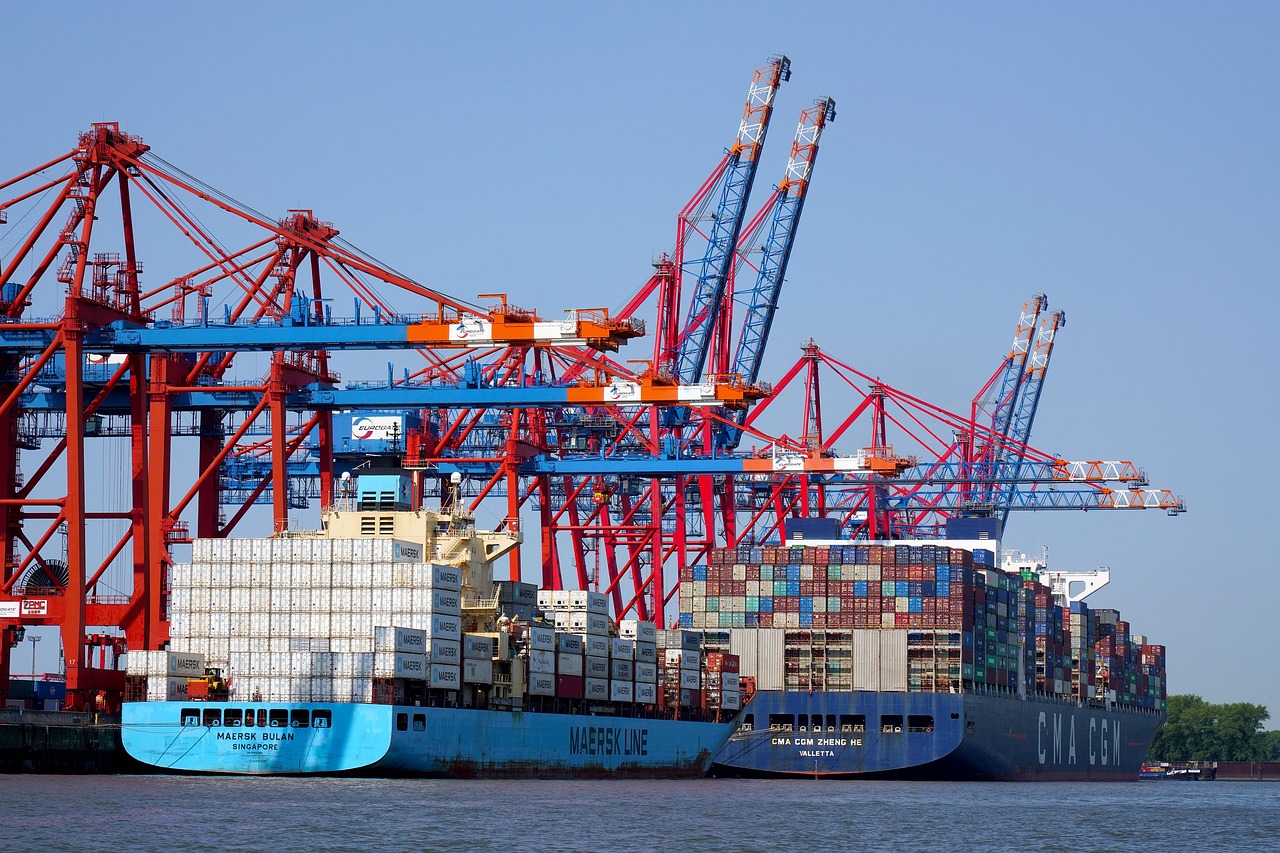
Logistics in the military context refers to the systematic planning, execution, and control of the movement and support of forces and equipment. It encompasses the procurement, transportation, distribution, maintenance, and disposal of materiel. For example, when a battalion is deployed overseas, the logistics unit coordinates the shipment of vehicles, ammunition, food, and medical supplies, ensuring that each item arrives at the right time and place. A key challenge in military logistics is the need to operate in hostile or austere environments where infrastructure may be damaged or non‑existent, requiring flexible routing and the ability to adapt quickly to changing conditions.
Supply chain describes the network of organizations, people, activities, information, and resources involved in moving a product or service from supplier to end user. In defense projects, the supply chain often spans multiple nations, government agencies, and private contractors. Managing a supply chain involves synchronizing demand forecasts with production schedules, handling customs clearance, and maintaining security protocols to prevent unauthorized access to sensitive items. An illustrative case is the delivery of spare parts for a fighter jet fleet; the supply chain must ensure that components are sourced from certified manufacturers, inspected for quality, and delivered to maintenance depots within a tight lead time to keep aircraft operational.
Procurement is the process of acquiring goods, services, or works from external sources. In a defense setting, procurement must comply with strict regulations, such as the Federal Acquisition Regulation (FAR) or equivalent national statutes, to ensure fairness, transparency, and accountability. Procurement officers develop specifications, issue requests for proposals (RFPs), evaluate bids, and award contracts. A practical application is the acquisition of a new communications system, where the procurement team must assess technical requirements, cost, delivery schedule, and lifecycle support. Challenges include navigating complex approval hierarchies, mitigating supply‑risk, and preventing cost overruns due to scope changes.
Inventory management involves tracking and controlling the quantity, location, and condition of items held in stock. Effective inventory management reduces the risk of stock‑outs, excess holding costs, and obsolescence. Military inventory systems often employ bar‑coding, RFID tags, and automated data capture to maintain real‑time visibility. For instance, a forward operating base (FOB) may maintain a “just‑in‑time” inventory of perishable rations, requiring precise coordination with supply convoys to replenish stocks before expiration. The difficulty lies in balancing the need for readiness—having sufficient reserves for unforeseen contingencies—with the logistical burden of transporting and storing large volumes of material.
Distribution refers to the movement of goods from central warehouses to end users, which may include combat units, medical facilities, or humanitarian agencies. Distribution planning must consider route security, terrain, weather, and the availability of transport assets such as trucks, aircraft, or naval vessels. An example is the distribution of water purification kits to disaster‑relief teams after a flood; planners must select routes that avoid flood‑damaged roads and ensure that the kits reach affected populations quickly. Common challenges include limited transport capacity, the need for convoy protection, and the coordination of multiple distribution points across a theater of operations.
Transportation is the physical conveyance of materiel, personnel, and equipment. Military transportation options include airlift, sealift, ground convoy, and rail. Each mode has distinct cost, speed, and risk profiles. For strategic airlift, high‑value or time‑critical items such as precision‑guided munitions are moved by cargo aircraft, while bulk supplies like fuel may be shipped via tanker ships. A practical scenario involves coordinating a joint air‑ground operation where troops are air‑dropped into a remote area, and ground vehicles follow with additional supplies. Transportation challenges encompass limited airfield capacity, threat of enemy anti‑aircraft systems, and the need for synchronized timing between different transport modes.
Materials handling encompasses the movement, protection, storage, and control of goods throughout the supply chain. Efficient materials handling reduces damage, improves throughput, and enhances safety. In a military depot, forklifts, pallet jacks, and automated storage/retrieval systems are used to manage pallets of ammunition, spare parts, and vehicle components. A typical challenge is handling hazardous materials, such as explosives, which require specialized equipment, strict compliance with safety regulations, and segregation from other cargo to prevent accidental ignition.
Demand forecasting is the process of estimating future requirements for supplies based on historical data, operational plans, and intelligence assessments. Accurate forecasting enables planners to align procurement and production activities with anticipated needs, minimizing waste and ensuring readiness. For example, forecasting the demand for winter clothing in a cold‑weather deployment involves analyzing climate data, unit size, and training schedules. Forecasting errors can lead to shortages that jeopardize mission success or excess inventory that ties up budgetary resources.
Supply‑risk management involves identifying, assessing, and mitigating risks that could disrupt the flow of supplies. Risks may stem from supplier insolvency, geopolitical instability, natural disasters, or cyber‑attacks on supply‑chain information systems. A defense project manager might develop contingency plans such as dual‑source contracts, stockpiling critical components, or establishing alternate transport routes. The challenge is to balance risk mitigation measures with cost constraints and to maintain situational awareness of evolving threats.
Contract management is the administration of agreements made with suppliers, ensuring that terms, conditions, performance standards, and delivery schedules are met. Effective contract management includes monitoring progress, handling modifications, and resolving disputes. In a military procurement of a new radar system, contract managers must verify that the vendor adheres to technical specifications, conducts required testing, and delivers the system within the agreed timeframe. Failure to manage contracts properly can result in delays, cost overruns, and non‑compliance with security requirements.
Logistics information systems (LIS) are software platforms that collect, process, and disseminate data related to logistics activities. These systems provide visibility into inventory levels, shipment status, and demand forecasts, supporting decision‑making at tactical and strategic levels. Examples include enterprise resource planning (ERP) systems customized for defense, transportation management systems (TMS), and battlefield logistics networks that integrate with command and control platforms. A practical application is the use of a mobile logistics app by field logisticians to update inventory counts in real time, enabling higher‑headquarters to adjust resupply plans promptly. Challenges include ensuring data security, interoperability with legacy systems, and training personnel to use complex interfaces.
Reverse logistics refers to the process of returning, repairing, refurbishing, or disposing of items that are no longer needed or have reached the end of their useful life. In a military setting, reverse logistics may involve the collection of used ammunition for recycling, the repair of damaged vehicles, or the disposal of hazardous waste. For instance, after a training exercise, spent fuel containers are collected, decontaminated, and returned to a central depot for refurbishment. Managing reverse logistics efficiently reduces waste, recovers value, and complies with environmental regulations, but it also requires coordination across multiple agencies and adherence to strict safety protocols.
Maintenance, repair, and overhaul (MRO) is a critical component of supply chain coordination that ensures equipment remains functional throughout its service life. MRO activities include routine inspections, corrective repairs, and major overhauls. A defense logistics unit may schedule periodic maintenance for armored vehicles, coordinating parts procurement, skilled technicians, and test facilities. The challenge lies in balancing operational availability with maintenance downtime, especially when spare parts are scarce or when the operational tempo leaves little window for scheduled maintenance.
Logistics support analysis (LSA) is a systematic approach to determine the support requirements of a system throughout its lifecycle. LSA examines factors such as spare part demand, maintenance intervals, training needs, and support equipment. By conducting an LSA early in a project, managers can design systems that are more maintainable and less costly to support. For example, an LSA for a new unmanned aerial vehicle (UAV) might reveal that certain components have high failure rates, prompting redesign or the inclusion of additional spares in the logistics plan. The difficulty is that LSA results must be integrated into acquisition and budgeting processes, which can be resistant to change.
Strategic logistics involves long‑range planning and policy development to align logistics capabilities with national defense objectives. Strategic logistics decisions include the location of major depots, investment in transport assets, and the development of joint logistics doctrines. An illustration is the establishment of a forward logistics hub in a partner nation to support rapid deployment of forces in a region of interest. Strategic logistics faces challenges such as inter‑agency coordination, budgetary constraints, and the need to anticipate future threats and technological developments.
Tactical logistics focuses on the execution of logistics tasks at the operational level, directly supporting combat units. Tactical logisticians manage the flow of supplies within a theater, coordinate convoy movements, and provide field maintenance. For example, during a live‑fire exercise, the tactical logistics team ensures that ammunition is delivered to firing positions, fuel is available for vehicles, and medical supplies are positioned for casualty care. The fast‑paced nature of tactical logistics demands real‑time decision‑making, adaptability, and close coordination with unit commanders.
Joint logistics refers to the integration of logistics activities across multiple services—such as army, navy, and air force—to achieve economies of scale and interoperability. Joint logistics operations may involve shared warehouses, common transportation assets, and unified command structures. A practical scenario is a joint humanitarian assistance mission where army engineers, navy ships, and air force transport aircraft work together to deliver relief supplies to a disaster‑stricken region. The challenges include reconciling differing service doctrines, communication protocols, and equipment compatibility.
Logistics chain of command defines the hierarchy of authority and responsibility for logistics decisions. Understanding the chain of command is essential for effective coordination, as it determines who approves resource allocations, authorizes movements, and resolves conflicts. In a multinational operation, the logistics chain of command may include national commanders, coalition logistics coordinators, and theater sustainment commands. Misalignment in the chain of command can lead to duplicated efforts, delayed shipments, and confusion over accountability.
Supply chain visibility is the ability to track and monitor the status of goods as they move through the supply chain. High visibility enables proactive identification of bottlenecks, delays, or security breaches. Technologies such as satellite tracking, RFID, and real‑time data analytics enhance visibility. For instance, a convoy equipped with GPS trackers allows headquarters to see its exact location, estimate arrival times, and adjust plans if the convoy encounters an obstacle. Achieving comprehensive visibility often requires overcoming data silos, ensuring secure communications, and standardizing reporting formats across partners.
Logistics footprint describes the physical and organizational presence required to support operations, including warehouses, depots, transport hubs, and support personnel. A smaller logistics footprint reduces vulnerability to attack and simplifies sustainment, but may limit the capacity to sustain large forces. Planners must assess the optimal footprint based on mission requirements, threat assessments, and resource availability. An example is the decision to establish a temporary forward supply point using modular containers rather than a permanent base, thereby reducing the logistical burden while maintaining required support.
Cold chain logistics is a specialized segment of supply chain management that maintains temperature‑controlled environments for perishable or temperature‑sensitive items. In defense, cold chain logistics is vital for the distribution of vaccines, blood products, and certain chemicals. Cold chain assets include refrigerated trucks, insulated containers, and temperature‑monitoring devices. A practical case involves the deployment of a pandemic response team that must keep a stock of antiviral medication within a narrow temperature range during transport to remote locations. Challenges include power supply reliability, equipment maintenance in austere environments, and ensuring compliance with strict temperature specifications.
Hazardous material logistics deals with the safe handling, storage, transport, and disposal of dangerous goods such as explosives, chemicals, and radioactive substances. Regulations such as the International Maritime Dangerous Goods (IMDG) Code and the NATO Hazardous Materials Manual dictate classification, packaging, labeling, and documentation requirements. For example, the movement of artillery shells requires specialized containers, segregation from non‑hazardous cargo, and trained personnel to oversee loading and unloading. Violations can result in accidents, environmental contamination, and severe legal penalties.
Logistics sustainability focuses on minimizing the environmental impact of logistics activities while maintaining operational effectiveness. Sustainable practices include using fuel‑efficient vehicles, optimizing routes to reduce mileage, and recycling packaging materials. In a defense project, sustainability may be integrated by selecting biodegradable lubricants for equipment or implementing solar‑powered warehouses. Balancing sustainability with mission urgency can be challenging, especially when greener options are more expensive or less readily available in remote theaters.
Logistics performance metrics are quantitative indicators used to assess the efficiency and effectiveness of logistics operations. Common metrics include order fulfillment rate, on‑time delivery percentage, inventory turnover, and cost per unit shipped. By tracking these metrics, managers can identify areas for improvement, benchmark against standards, and justify resource requests. For instance, a low on‑time delivery rate for spare parts may prompt a review of transportation routes or supplier performance. Selecting appropriate metrics and ensuring accurate data collection are essential to avoid misleading conclusions.
Supply chain integration is the process of aligning and coordinating activities across all participants in the supply chain to achieve seamless flow of information, materials, and finances. Integration often involves shared planning systems, joint forecasting, and collaborative decision‑making. In a defense acquisition program, integration may be achieved through a “single‑source” approach where a prime contractor coordinates sub‑contracts, ensuring that component deliveries are synchronized with assembly schedules. Barriers to integration include cultural differences, proprietary data concerns, and varying levels of technological maturity among partners.
Logistics interoperability refers to the ability of different forces, agencies, or nations to work together effectively in logistics operations. Interoperability requires common standards for equipment, communication protocols, and documentation. A notable example is the use of NATO Standardization Agreements (STANAGs) for fuel types, which allows allied vehicles to refuel from shared fuel trucks during joint operations. Challenges include reconciling divergent national regulations, ensuring compatibility of transport equipment, and training personnel on joint procedures.
Supply chain resilience is the capacity of a supply chain to anticipate, prepare for, respond to, and recover from disruptions. Resilience strategies include building buffer stocks, diversifying suppliers, and developing rapid‑response logistics teams. In a scenario where a key supplier of electronic components is affected by a cyber‑attack, a resilient supply chain would activate alternate sourcing plans and reroute shipments to maintain production continuity. Measuring resilience often involves scenario analysis, stress testing, and monitoring leading indicators of risk.
Logistics cost analysis involves evaluating the total cost of ownership for logistics activities, including transportation, warehousing, handling, and administrative expenses. Cost analysis helps decision‑makers allocate budgets efficiently and identify cost‑saving opportunities. For example, a cost analysis might reveal that consolidating shipments into larger convoys reduces fuel consumption per ton‑kilometer, offsetting the increased risk of larger targets for enemy attacks. Accurate cost analysis requires detailed data collection and the ability to attribute indirect costs such as security overhead.
Logistics contingency planning prepares for unexpected events that could impact supply chain performance. Contingency plans outline alternate routes, emergency resupply procedures, and fallback suppliers. In a combat deployment, contingency planning might involve pre‑positioning emergency caches of ammunition in concealed locations, enabling rapid replenishment if primary supply lines are compromised. The difficulty lies in maintaining these caches, ensuring they remain concealed, and updating them as operational requirements evolve.
Logistics network design is the strategic configuration of facilities, transportation routes, and distribution centers to meet demand efficiently. Designers consider factors such as demand density, transportation costs, risk exposure, and service level requirements. A defense logistics planner may design a network that places a major depot near a secure port, with satellite warehouses positioned to support forward bases. Optimization models, geographic information systems (GIS), and simulation tools assist in evaluating alternative designs. Constraints such as terrain, political boundaries, and security considerations often limit the feasible configurations.
Logistics automation encompasses the use of technology to perform logistics functions with minimal human intervention. Automation tools include robotic material handlers, autonomous vehicles, and AI‑driven demand forecasting algorithms. In a modern ammunition depot, automated storage and retrieval systems can move pallets of rounds from storage to loading bays rapidly, reducing manual handling time and exposure to hazardous materials. Implementing automation requires substantial upfront investment, rigorous testing, and training of personnel to manage and maintain the systems.
Logistics training and certification ensures that personnel possess the knowledge and skills required to execute logistics tasks safely and effectively. Training programs may cover topics such as hazardous material handling, convoy security, inventory management, and logistics software operation. Certification programs, such as the Certified Defense Logistics Professional (CDLP), validate competency and support career progression. A practical challenge is maintaining training relevance in rapidly evolving environments, where new technologies and doctrines constantly emerge.
Logistics risk assessment is the systematic evaluation of potential hazards that could affect logistics operations. The assessment process involves identifying risk sources, estimating likelihood and impact, and prioritizing risks for mitigation. For example, a risk assessment for a supply convoy may identify threats from improvised explosive devices (IEDs), adverse weather, and mechanical failure. Mitigation measures could include route reconnaissance, vehicle hardening, and scheduled maintenance. Effective risk assessment requires up‑to‑date intelligence, cross‑functional collaboration, and a culture that encourages reporting of near‑misses.
Logistics sustainability reporting documents the environmental and social impacts of logistics activities, providing transparency to stakeholders and supporting compliance with regulations. Reports may include metrics on fuel consumption, emissions, waste generation, and community engagement. In a defense project, sustainability reporting can demonstrate adherence to national greenhouse gas reduction targets and enhance public trust. Challenges include collecting accurate data across dispersed operations and integrating sustainability considerations into traditionally cost‑focused decision‑making.
Logistics command and control (C2) integrates the planning, directing, and monitoring of logistics operations within the broader command structure. C2 systems provide situational awareness, enable rapid decision‑making, and coordinate resources across multiple echelons. For instance, a C2 system may display real‑time convoy locations, inventory levels at forward depots, and upcoming requisition requests, allowing commanders to allocate assets efficiently. Ensuring secure, reliable communications and interoperable data formats is essential to prevent information gaps that could jeopardize mission success.
Logistics policy and doctrine establish the principles, guidelines, and procedures that govern logistics activities. Policies may address issues such as procurement authority, supply chain security, and environmental stewardship. Doctrine provides a conceptual framework for how logistics supports operations, outlining roles, responsibilities, and standard operating procedures. Familiarity with policy and doctrine is critical for compliance and for aligning logistical actions with strategic objectives. Updating doctrine to reflect emerging threats, such as cyber vulnerabilities, is an ongoing challenge.
Logistics sustainability initiatives are programs aimed at reducing the ecological footprint of logistics operations while maintaining capability. Initiatives may include transitioning to alternative fuels, implementing energy‑efficient warehouse designs, and promoting circular economy practices such as remanufacturing components. In a recent defense sustainability push, a branch of the armed forces introduced electric‑powered ground vehicles for intra‑base transport, cutting diesel consumption and emissions. Measuring the effectiveness of such initiatives requires robust data collection and analysis, as well as stakeholder buy‑in.
Logistics performance improvement (LPI) is a continuous process of identifying inefficiencies, implementing corrective actions, and measuring outcomes. Techniques such as Lean, Six Sigma, and Total Quality Management are adapted to military logistics to streamline processes, reduce waste, and enhance reliability. An LPI project might focus on reducing the time required to process requisitions by automating approval workflows, resulting in faster delivery of critical supplies. Overcoming resistance to change, especially in entrenched bureaucratic structures, is a common barrier to successful improvement efforts.
Logistics strategic partnership involves collaboration between military organizations and external entities such as civilian contractors, allied nations, and non‑governmental organizations. Partnerships leverage complementary capabilities, expand capacity, and share risk. For example, a strategic partnership with a commercial air cargo carrier can provide rapid transport of high‑priority equipment during a crisis, supplementing military airlift assets. Managing partnerships requires clear contracts, mutual trust, and alignment of objectives, as misaligned expectations can lead to performance gaps.
Logistics humanitarian assistance emphasizes the delivery of aid and support to populations affected by natural disasters, conflict, or other emergencies. Military logistics units often possess the capabilities—such as airlift, engineering, and medical support—to conduct large‑scale humanitarian operations. A practical scenario is the deployment of a joint task force to deliver food, water, and medical supplies after an earthquake, requiring rapid assessment, coordination with NGOs, and distribution to affected communities. Balancing humanitarian objectives with security considerations and ensuring impartiality are key challenges.
Logistics procurement life‑cycle covers the stages from requirement identification through contract award, delivery, acceptance, and eventual disposal. Managing each phase effectively ensures that the right goods are acquired at the right price and delivered on schedule. In a defense electronics acquisition, the procurement life‑cycle includes defining technical specifications, conducting market research, issuing a solicitation, evaluating proposals, negotiating terms, and overseeing production. Each phase demands rigorous documentation, compliance checks, and stakeholder engagement to avoid costly rework.
Logistics compliance and audit ensures that logistics activities adhere to legal, regulatory, and policy requirements. Audits may be conducted internally or by external oversight bodies to verify that processes are transparent, funds are used appropriately, and records are accurate. For instance, an audit of a supply depot might examine inventory reconciliation procedures, security controls for classified items, and adherence to environmental disposal regulations. Non‑compliance findings can result in corrective actions, penalties, or loss of funding, underscoring the importance of robust compliance frameworks.
Logistics supply chain visibility tools include dashboards, dashboards, and data analytics platforms that aggregate information from multiple sources to provide a unified view of logistical operations. These tools enable decision‑makers to track shipments, monitor inventory levels, and anticipate bottlenecks. A practical application is the use of a cloud‑based logistics portal that allows field units to submit requisitions, view order status, and receive notifications of any delays. Implementing such tools requires addressing cybersecurity concerns, ensuring data integrity, and training users to interpret the information effectively.
Logistics operational tempo (OPTempo) describes the rate at which logistics tasks are performed to support ongoing operations. High OPTempo demands rapid planning, execution, and adaptation, often under pressure and with limited resources. For example, during a sustained combat operation, logistics units may conduct multiple daily resupply missions, requiring precise coordination of transportation assets, convoy security, and maintenance cycles. Managing OPTempo involves balancing speed with safety, ensuring that accelerated processes do not compromise quality or security.
Logistics asset management involves tracking, maintaining, and optimizing the use of physical resources such as vehicles, equipment, and facilities. Effective asset management extends the lifespan of assets, reduces downtime, and improves cost efficiency. In a military context, asset management systems may record mileage, fuel consumption, and maintenance history for each transport vehicle, enabling predictive maintenance and timely replacement planning. Challenges include integrating data from disparate sources, maintaining accurate records in dynamic environments, and aligning asset utilization with mission priorities.
Logistics demand‑driven planning aligns supply activities directly with actual consumption patterns rather than relying solely on forecasts. This approach reduces excess inventory and improves responsiveness to real‑time changes. For instance, a demand‑driven system might trigger an immediate replenishment order when a field unit reports a sudden surge in ammunition usage, ensuring that the supply chain reacts promptly. Implementing demand‑driven planning requires reliable data capture at the point of use, rapid communication channels, and flexible procurement processes capable of accelerating order fulfillment.
Key takeaways
- A key challenge in military logistics is the need to operate in hostile or austere environments where infrastructure may be damaged or non‑existent, requiring flexible routing and the ability to adapt quickly to changing conditions.
- Managing a supply chain involves synchronizing demand forecasts with production schedules, handling customs clearance, and maintaining security protocols to prevent unauthorized access to sensitive items.
- In a defense setting, procurement must comply with strict regulations, such as the Federal Acquisition Regulation (FAR) or equivalent national statutes, to ensure fairness, transparency, and accountability.
- For instance, a forward operating base (FOB) may maintain a “just‑in‑time” inventory of perishable rations, requiring precise coordination with supply convoys to replenish stocks before expiration.
- An example is the distribution of water purification kits to disaster‑relief teams after a flood; planners must select routes that avoid flood‑damaged roads and ensure that the kits reach affected populations quickly.
- For strategic airlift, high‑value or time‑critical items such as precision‑guided munitions are moved by cargo aircraft, while bulk supplies like fuel may be shipped via tanker ships.
- A typical challenge is handling hazardous materials, such as explosives, which require specialized equipment, strict compliance with safety regulations, and segregation from other cargo to prevent accidental ignition.