
Coaching Conversations and Team Development
Coaching Conversation is a structured dialogue in which a leader helps an individual or a team explore goals, identify obstacles, and create actionable steps. The purpose is not to give directives but to facilitate self‑discovery and owners…
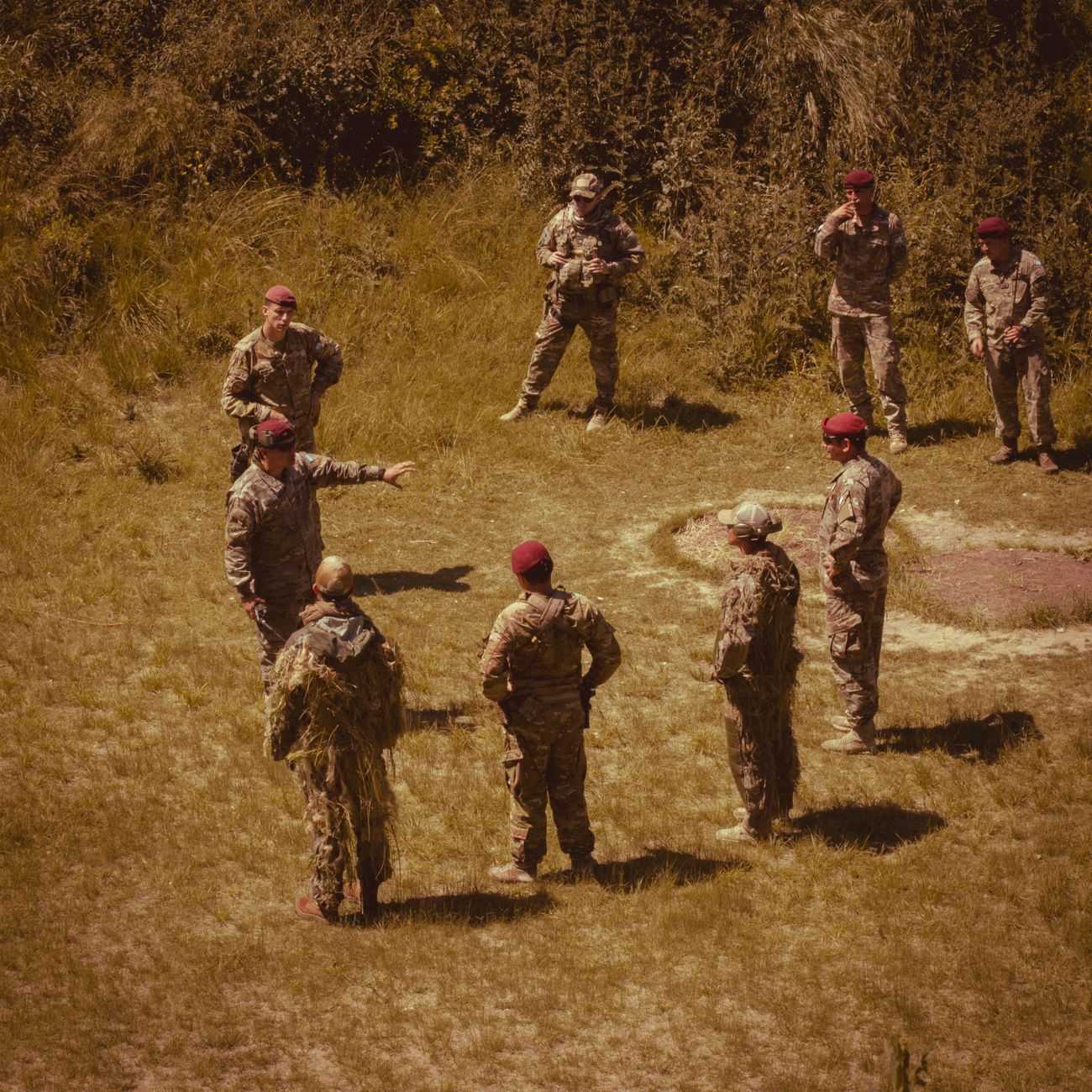
Coaching Conversation is a structured dialogue in which a leader helps an individual or a team explore goals, identify obstacles, and create actionable steps. The purpose is not to give directives but to facilitate self‑discovery and ownership. In practice, a coaching conversation typically begins with a clear intent, such as improving performance on a project or developing a new skill. The leader adopts a curious stance, asking open‑ended questions that invite reflection. For example, a manager might ask, “What do you see as the biggest opportunity for growth in your current role?” This question encourages the coachee to think beyond immediate tasks and consider broader development pathways.
A core component of the coaching conversation is active listening. Active listening goes beyond hearing words; it involves observing non‑verbal cues, summarizing what has been said, and checking for understanding. A leader might respond, “So you feel that the lack of clear deadlines is hindering your progress,” which both validates the coachee’s experience and ensures that the conversation stays aligned with the coachee’s perspective. This technique builds trust and signals that the leader values the coachee’s insights.
Goal Setting is another essential vocabulary term. Effective goals are specific, measurable, achievable, relevant, and time‑bound—commonly known as the SMART framework. When a leader helps a team set a SMART goal, they might say, “Let’s increase our quarterly sales by 12 percent by the end of Q4, using the new CRM system for tracking.” This statement provides a clear target (12 percent increase), a timeline (by the end of Q4), and a method (using the new CRM system). The specificity reduces ambiguity and enables the team to monitor progress objectively.
In many coaching conversations, leaders employ the GROW Model, an acronym for Goal, Reality, Options, and Way‑forward. The model provides a roadmap for the dialogue. First, the Goal phase clarifies the desired outcome. Next, the Reality phase explores the current situation, including challenges and resources. The Options phase generates possible strategies, while the Way‑forward phase commits to concrete actions. For example, a team leader might guide a product development team through the GROW process: “What is our target launch date? What obstacles are we facing with the prototype? What alternative testing methods could we try? Which method will we adopt for the next sprint?” This systematic approach ensures that conversations remain purposeful and lead to tangible results.
Feedforward is a term that complements traditional feedback. While feedback looks backward at past performance, feedforward focuses on future possibilities. A leader might say, “Instead of focusing on the missed deadline, consider how you can streamline the approval process for the next phase.” This forward‑looking language encourages proactive improvement and reduces defensiveness. Feedforward is particularly useful when time is limited and the team needs quick, actionable guidance.
The concept of psychological safety is pivotal in both coaching conversations and team development. Psychological safety refers to an environment where individuals feel comfortable speaking up, sharing ideas, and admitting mistakes without fear of ridicule or retribution. Leaders cultivate this atmosphere by modeling vulnerability, acknowledging their own errors, and responding constructively to team input. For instance, a manager who admits, “I didn’t anticipate this supplier delay, and I need your help to find a solution,” signals that it is acceptable for others to admit uncertainties and collaborate on solutions.
Team Dynamics encompass the patterns of interaction that emerge among team members. Understanding dynamics is essential for tailoring coaching conversations to the group’s needs. Common dynamics include dominance by a single voice, parallel sub‑groups, or a tendency toward consensus that suppresses dissent. A leader who recognizes a dominant voice might deliberately invite quieter members to share their perspectives: “I’d like to hear from those who haven’t spoken yet.” This technique balances participation and uncovers diverse viewpoints that can enrich decision‑making.
The Stages of Team Development—forming, storming, norming, performing, and adjourning—provide a framework for anticipating the challenges a team may encounter. During the Forming stage, members are polite and exploratory; coaching conversations often focus on establishing shared purpose and clarifying roles. In the Storming stage, conflict arises as individuals assert their preferences; here, the leader’s role shifts to facilitating constructive conflict resolution and reinforcing norms. Norming sees the emergence of cohesion; coaching can then emphasize strengthening collaboration and refining processes. Performing teams operate at high efficiency, and coaching conversations become more strategic, focusing on innovation and long‑term vision. Finally, the Adjourning stage involves disbanding the team, where coaching supports reflection on achievements and transition planning. By aligning coaching techniques with these stages, leaders can address the specific emotional and functional needs of the team.
Active Listening is distinct from passive hearing. It requires the listener to paraphrase, ask clarifying questions, and reflect emotions. For example, after a team member describes a bottleneck in the workflow, a leader might respond, “It sounds like the hand‑off between design and engineering is causing delays, and you’re feeling frustrated.” This response demonstrates empathy and encourages the speaker to delve deeper into the root cause. The practice of active listening also uncovers hidden assumptions that might otherwise impede progress.
Open‑Ended Questions are a cornerstone of effective coaching. Unlike closed questions that elicit yes/no answers, open‑ended questions provoke thoughtful responses and promote ownership. Examples include, “What would success look like for you in this project?” Or “How might we redesign the process to reduce waste?” By avoiding leading language, the coach allows the coachee to explore multiple angles and generate creative solutions. The skill lies in phrasing questions that are neither too broad nor too narrow, striking a balance that encourages exploration without overwhelming the respondent.
Reflective Listening involves mirroring back the content and emotions expressed by the speaker. It validates the speaker’s experience and ensures accurate comprehension. A leader might say, “So you’re saying that the recent change in policy has increased your workload, and you feel it’s unsustainable.” This technique not only clarifies the message but also builds rapport, as the speaker feels heard and understood. Reflective listening can be especially valuable in high‑stress situations where miscommunication can exacerbate tension.
Empowerment refers to granting individuals the authority, resources, and confidence to make decisions. In coaching conversations, empowerment is achieved by encouraging the coachee to identify their own solutions rather than providing prescriptions. For instance, a leader might ask, “What options do you see for addressing the client’s concerns?” By prompting the coachee to generate alternatives, the leader reinforces autonomy and strengthens problem‑solving capabilities. Empowered team members are more likely to take initiative, experiment, and learn from outcomes.
Delegation is closely linked to empowerment but focuses on assigning specific responsibilities. Effective delegation requires clarity about expectations, authority, and accountability. A leader might state, “I’m assigning you to lead the stakeholder presentation, and you have full discretion over the slide content and delivery format.” This statement delineates the task, grants decision‑making power, and signals trust. Delegation also creates development opportunities, as individuals stretch their competencies and gain visibility.
Feedback Loop describes the cyclical process of giving, receiving, and acting upon information about performance. A well‑structured feedback loop includes observation, description, impact, and suggestion. For example, a manager observing a team member’s presentation might say, “I noticed that you spent three minutes on the market analysis (observation). This segment was clear and data‑driven (description). It helped the audience understand the market size (impact). In future presentations, consider allocating more time to the solution overview (suggestion).” This format ensures feedback is specific, balanced, and actionable, fostering continuous improvement.
Conflict Resolution is a vital skill within team development. Conflict is inevitable when diverse perspectives intersect, but how it is managed determines whether it becomes a catalyst for innovation or a source of dysfunction. Effective conflict resolution follows a structured approach: First, identify the underlying interests; second, encourage open dialogue; third, explore mutually beneficial solutions; and finally, agree on a concrete plan. A leader might mediate a dispute between marketing and product teams by asking each side to articulate their core concerns, thereby moving the conversation from positions (e.G., “We need more features”) to interests (e.G., “We need to meet customer expectations”). This shift often reveals shared goals and opens pathways for collaboration.
Collaboration emphasizes joint effort toward a common objective. In coaching contexts, collaboration is nurtured by co‑creating action plans, sharing responsibility for outcomes, and celebrating collective achievements. A practical application is the use of “pair coaching,” where two team members coach each other on specific competencies, fostering peer learning and mutual accountability. By embedding collaboration into routine practices, leaders reinforce a culture where success is viewed as a shared endeavor.
Alignment refers to ensuring that individual goals, team objectives, and organizational strategy are synchronized. Misalignment can lead to wasted effort and disengagement. Leaders can use coaching conversations to surface misalignments by asking, “How does your personal development goal support the department’s quarterly targets?” When gaps are identified, the leader can help the individual adjust their focus or seek resources that bridge the disconnect. Alignment also involves clarifying the team’s purpose, which can be articulated through a concise mission statement that guides daily actions.
Shared Vision is a compelling picture of the future that inspires and directs collective effort. A shared vision is more than a strategic plan; it is an emotionally resonant narrative that connects personal aspirations to organizational direction. Coaching conversations that tap into the shared vision ask team members to reflect on how their contributions advance the vision. For example, a leader might ask, “In what ways does your current project bring us closer to delivering our promise of sustainable solutions?” This question reinforces purpose and motivates sustained engagement.
Stakeholder Management involves identifying, understanding, and influencing individuals or groups who have an interest in the team’s outcomes. Effective coaching includes helping team members map their key stakeholders, assess their expectations, and develop communication strategies. A practical tool is the stakeholder matrix, which plots influence against interest, guiding the team on where to invest effort. In coaching, a leader might prompt a team member, “Who are the primary stakeholders for this initiative, and how can you keep them informed throughout the process?” This encourages proactive engagement and reduces the risk of surprises.
Role Clarity is essential for smooth team functioning. When roles are ambiguous, overlap and gaps can cause frustration and inefficiency. Leaders can use coaching conversations to clarify responsibilities by asking each member to describe their primary duties and how they intersect with others. For instance, a manager might ask, “Can you outline how your role in client onboarding complements the sales team’s responsibilities?” The resulting discussion surfaces dependencies and opportunities for coordination, fostering a cohesive operating rhythm.
Team Norms are the unwritten rules that guide behavior within a group. Norms develop organically but can be shaped deliberately through coaching. Leaders can facilitate a norm‑setting session where the team collectively decides on expectations such as punctuality, communication style, and decision‑making processes. By codifying norms, the team reduces ambiguity and creates a predictable environment that supports psychological safety. A coach might ask, “What communication standards would help us stay aligned while respecting each other’s time?” The answer becomes a shared agreement that the team can refer back to.
Decision‑Making Processes define how choices are reached within a team. Common approaches include consensus, majority vote, and delegated authority. Coaching conversations can explore the suitability of each method for different situations. For example, a leader might ask, “When should we seek consensus versus when is a quick executive decision appropriate?” Discussing these criteria helps the team develop agility and ensures that decision‑making aligns with the urgency and complexity of the problem at hand.
Performance Metrics are quantitative or qualitative indicators that track progress toward goals. In coaching, leaders help individuals select metrics that are meaningful and within their control. A manager might suggest, “Track the number of client follow‑ups you complete each week, and compare it to your target of five.” This specific metric provides a clear benchmark for self‑assessment and facilitates evidence‑based discussions during coaching reviews.
Continuous Improvement is an ethos that encourages ongoing refinement of processes, products, and behaviors. Coaching conversations reinforce this mindset by encouraging reflection on recent experiences and identification of incremental changes. A leader might ask, “What one tweak could you make to your workflow that would save you ten minutes per day?” Over time, small adjustments accumulate into significant gains, embodying the principle of Kaizen.
Resilience refers to the capacity to recover from setbacks and maintain forward momentum. Leaders can strengthen resilience by framing challenges as learning opportunities and modeling adaptive coping strategies. During a coaching conversation, a leader might say, “What did you learn from the recent project delay, and how can you apply that insight moving forward?” This reframing helps the coachee view adversity as a source of growth rather than a failure.
Self‑Awareness is the ability to recognize one’s own emotions, strengths, weaknesses, and impact on others. It is a foundational competency for effective leadership and coaching. Coaches can enhance self‑awareness by employing reflective exercises, such as asking the coachee to describe a recent interaction and identify the emotions that arose. For example, “When you received the feedback, what feelings surfaced, and how did they influence your response?” This introspection deepens understanding of personal triggers and informs more intentional behavior.
Emotional Intelligence expands on self‑awareness to include empathy, social skills, and regulation of emotions. In team development, high emotional intelligence enables leaders to navigate interpersonal dynamics with sensitivity. A coach might observe, “I notice you seemed tense when the deadline was mentioned; can you share what’s on your mind?” By addressing emotions directly, the leader helps the individual process feelings and maintain productive engagement.
Motivation drives behavior and can be intrinsic (internal satisfaction) or extrinsic (external rewards). Coaching conversations explore what energizes each team member, allowing leaders to tailor support. For instance, a leader may ask, “What aspects of your work give you the most satisfaction, and how can we incorporate more of those elements?” Understanding motivation helps align tasks with personal drivers, boosting engagement and performance.
Accountability involves taking responsibility for actions and outcomes. In coaching, accountability is reinforced by setting clear expectations and follow‑up mechanisms. A leader might conclude a coaching session with a commitment statement: “You will deliver the draft proposal by Friday, and we will review it together on Monday.” This explicit agreement creates a timeline and a shared responsibility for progress.
Mentoring differs from coaching in that it often involves a longer‑term relationship focused on career development and knowledge transfer. While coaching emphasizes present performance and skill acquisition, mentoring provides broader guidance on navigating the organization, building networks, and shaping long‑term aspirations. Leaders can integrate mentoring by pairing less experienced team members with senior colleagues who can share insights and act as role models.
Succession Planning is the process of identifying and developing future leaders to ensure continuity. Coaching conversations contribute to succession planning by uncovering potential, providing developmental opportunities, and tracking progress. A leader might ask a high‑potential employee, “What leadership competencies do you wish to develop, and how can we create experiences that build those skills?” This dialogue aligns personal growth with organizational needs.
Facilitation is the art of guiding group discussions to achieve productive outcomes without dominating the conversation. Effective facilitators use techniques such as summarizing, probing, and managing time. In team development, a leader may facilitate a brainstorming session by stating, “Let’s generate as many ideas as possible in the next ten minutes, and we’ll evaluate them afterward.” The facilitator ensures that all voices are heard and that the session stays on track.
Power Dynamics refer to the distribution of influence among team members. Awareness of power dynamics helps coaches address imbalances that may suppress contributions. For example, a leader might notice that a senior member consistently interrupts junior colleagues. In a coaching conversation, the leader could discuss strategies to create more equitable participation, such as rotating meeting roles or establishing a “no interruption” rule during idea sharing.
Change Management involves preparing, supporting, and helping individuals transition during organizational change. Coaching plays a critical role by addressing emotional responses, clarifying expectations, and building adaptive capacity. A leader might ask, “What concerns do you have about the new software rollout, and how can we mitigate them?” By surfacing concerns early, the coach can co‑create a support plan that eases the transition.
Learning Culture is an environment that values continuous development, experimentation, and knowledge sharing. Coaching conversations reinforce a learning culture by encouraging reflection, celebrating experiments, and normalizing failure as a source of insight. A leader might say, “What experiment did you try this week, and what did you discover?” This habit embeds learning into the rhythm of daily work.
Innovation thrives when teams feel safe to propose novel ideas and challenge the status quo. Coaches can stimulate innovation by asking provocative questions that stretch thinking. For instance, “If resources were unlimited, how would you redesign our product?” Even when resources are not unlimited, the exercise expands imagination and may reveal creative workarounds.
Strategic Thinking involves seeing the big picture, anticipating future trends, and aligning actions with long‑term objectives. Coaching conversations that develop strategic thinking ask individuals to consider external forces and internal capabilities. A coach might prompt, “How do emerging market trends affect our product roadmap, and what adjustments should we consider?” This encourages forward planning and holistic analysis.
Time Management is the skill of allocating time effectively to priorities. In coaching, leaders help coachees assess how they currently spend their day and identify time‑draining activities. A practical exercise is the “time audit,” where the coachee tracks activities for a week and then reviews the data with the coach. The coach might ask, “Which tasks provide the highest value, and which could be delegated or eliminated?” This analysis leads to more focused work patterns.
Work‑Life Integration recognizes that personal and professional domains intersect and influence each other. Coaches address work‑life integration by discussing boundaries, energy management, and self‑care. A leader might ask, “How do you recharge after a demanding week, and what support do you need to maintain balance?” This conversation validates the importance of well‑being and promotes sustainable performance.
Remote Collaboration has become increasingly prevalent, introducing unique challenges such as communication lag, reduced informal interaction, and technology reliance. Coaching conversations for remote teams focus on establishing clear communication protocols, building trust across distances, and leveraging digital tools effectively. A leader might say, “Let’s set a shared cadence for video check‑ins and agree on response expectations for messages.” These agreements mitigate the friction of virtual work.
Digital Literacy is the competence to use technology tools efficiently. In coaching, leaders assess digital literacy gaps and propose development pathways, such as training sessions or peer tutoring. For example, a coach could ask, “Which software features do you find most challenging, and how can we support your mastery?” Targeted support enhances productivity and confidence in a tech‑driven environment.
Conflict Styles describe the typical ways individuals approach disagreements, ranging from avoidance to collaboration. Understanding one’s conflict style helps tailor coaching interventions. A leader might use a self‑assessment tool and then discuss results: “Your preferred style is ‘compromise,’ which works well for quick resolutions but may limit deeper integration of ideas.” The coach can then explore alternative approaches that suit specific contexts.
Decision‑Making Biases are systematic errors that affect judgment, such as confirmation bias, anchoring, and groupthink. Coaches raise awareness of these biases by prompting reflective questioning. For instance, “What evidence have you considered, and are there viewpoints you might have overlooked?” By challenging assumptions, the coach helps the coachee make more balanced decisions.
Facial Feedback is a subtle concept referring to the influence of facial expressions on emotional experience. While not a direct coaching term, awareness of non‑verbal cues can enrich feedback. A coach might notice a team member’s furrowed brow when discussing a deadline and ask, “I sense some concern about the timeline; can you share what’s on your mind?” Recognizing such cues deepens empathy and opens dialogue.
Learning Styles encompass preferences for processing information, such as visual, auditory, or kinesthetic. Coaches can adapt their communication to match these styles, enhancing comprehension. For example, when explaining a new process, a coach might provide a flowchart for visual learners, a verbal walkthrough for auditory learners, and a hands‑on demonstration for kinesthetic learners.
Storytelling is a powerful technique for conveying vision, values, and lessons. In coaching, leaders use stories to illustrate principles and inspire action. A coach might share a personal anecdote about overcoming a challenge, highlighting the steps taken and the outcomes achieved. This narrative creates a relatable context that makes abstract concepts concrete.
Performance Review is a formal evaluation of an individual’s work over a specified period. Coaching conversations can complement performance reviews by providing ongoing, real‑time feedback rather than a single annual event. A leader might say, “Based on our recent coaching sessions, I’ve observed measurable improvement in your client communication, which will be reflected in your upcoming review.” This integration reinforces continuous development.
Peer Coaching involves colleagues coaching each other, fostering mutual learning and accountability. Peer coaching can be structured as regular check‑ins where partners discuss goals, challenges, and progress. A team might adopt a “buddy system” where each member is paired with a peer for monthly coaching dialogues. This practice democratizes development and builds stronger relational ties.
Action Planning translates insights from coaching into concrete steps. An effective action plan includes specific tasks, deadlines, resources, and success criteria. A coach might guide a coachee to write: “Complete the market analysis report by Thursday, using the new data visualization tool, and share the draft with the team for feedback.” This clarity reduces ambiguity and facilitates follow‑through.
Reflection Journaling is a habit of recording thoughts, experiences, and lessons learned. Coaches encourage journaling as a tool for self‑discovery and growth. A leader might suggest, “After each client meeting, note three observations: What went well, what could improve, and an idea for next time.” Over time, the journal becomes a rich repository for coaching discussions.
Goal Alignment ensures that individual objectives support team and organizational priorities. Misaligned goals can create friction and dilute effort. Coaches help coachees map their personal goals to higher‑level targets, asking, “How does your goal to improve presentation skills contribute to the team’s objective of increasing client acquisition?” This mapping clarifies relevance and motivates commitment.
Stakeholder Engagement is the process of actively involving those who have an interest in the team’s outcomes. Effective engagement builds support, reduces resistance, and gathers valuable input. Coaches can guide team members to develop stakeholder engagement plans, outlining who to involve, how often, and what information to share. A leader might ask, “Which stakeholders need to be consulted before we finalize the product design, and what communication channels will we use?” This proactive approach prevents surprises later.
Team Charter is a document that outlines purpose, scope, objectives, roles, and operating principles. Creating a charter during the early stages of team formation fosters clarity and commitment. A coach can facilitate a charter workshop by prompting the team to articulate their mission, define success metrics, and agree on decision‑making protocols. The resulting charter serves as a reference point that guides behavior and aligns expectations.
Leadership Presence is the ability to command attention, convey confidence, and inspire trust. It is not about dominance but about authenticity and clarity. Coaches help leaders develop presence by practicing concise communication, mindful body language, and purposeful pauses. For example, a coach might observe, “When you speak, you tend to rush; try pausing for two seconds before responding to let your thoughts settle.” This subtle adjustment can increase impact and gravitas.
Culture of Feedback is an environment where giving and receiving feedback is routine, constructive, and welcomed. To build such a culture, leaders model openness, seek input, and recognize feedback as a tool for growth. A coach can encourage team members to practice “feedback circles,” where each person shares one strength and one area for improvement. This regular practice normalizes feedback and reduces anxiety.
Learning Agility is the capacity to learn from experiences, apply insights, and adapt quickly. It is a predictor of future success in dynamic environments. Coaches assess learning agility by asking, “Can you describe a recent situation where you had to adjust your approach, and what you learned from it?” The response reveals the individual’s ability to reflect, experiment, and iterate.
Resilience Strategies include techniques such as reframing, mindfulness, and building support networks. Coaches can introduce these strategies during conversations about setbacks. For instance, a leader might suggest, “When you feel overwhelmed, try a brief breathing exercise to reset your focus before tackling the next task.” Providing practical tools equips the coachee to manage stress proactively.
Leadership Pipeline refers to the systematic development of future leaders through training, mentorship, and experiential assignments. Coaching is a critical element of the pipeline, as it offers personalized guidance and accelerates readiness. A leader overseeing the pipeline might ask, “What experiences would best prepare you for a senior management role, and how can we structure those opportunities?” This dialogue aligns individual aspirations with organizational succession needs.
Team Resilience is the collective ability to withstand disruptions and rebound stronger. Coaches foster team resilience by encouraging open dialogue about challenges, celebrating recovery milestones, and reinforcing shared purpose. A practical exercise is the “after‑action review,” where the team reflects on a difficult event, identifies lessons learned, and decides on improvements. This systematic reflection builds a habit of learning from adversity.
Strategic Alignment ensures that day‑to‑day activities are consistent with long‑term goals. Coaches help teams maintain alignment by regularly revisiting the strategic objectives and assessing whether current projects contribute to them. A leader might ask, “How does this sprint’s deliverable advance our three‑year growth plan?” This question keeps the team focused on high‑impact work.
Change Fatigue is a state of exhaustion that arises from continuous organizational change. Coaches mitigate change fatigue by pacing initiatives, providing clear rationales, and acknowledging the emotional toll. In a conversation, a leader could say, “I understand that the recent restructuring has been demanding; let’s discuss which aspects you find most stressful and how we can support you.” Addressing fatigue directly helps sustain engagement.
Communication Styles differ among individuals, ranging from direct to indirect, formal to informal. Awareness of these styles improves interaction quality. Coaches can use assessments to help team members identify their preferred style and adapt when necessary. A leader might remark, “Your concise emails are appreciated, but for complex topics, consider adding a brief summary to ensure clarity for those who prefer more detail.” This tailored feedback enhances mutual understanding.
Team Cohesion is the sense of unity and shared identity among members. High cohesion correlates with better performance, higher morale, and lower turnover. Coaches promote cohesion through activities that build trust, such as “strengths‑based workshops” where each member shares personal strengths and how they contribute to the team. By highlighting complementary abilities, the team appreciates diversity and strengthens bonds.
Performance Incentives are rewards linked to achieving specific outcomes. While incentives can motivate, they must be aligned with desired behaviors to avoid unintended consequences. Coaches help individuals understand how incentives relate to development goals. A leader might explain, “Your quarterly bonus is tied to meeting client satisfaction scores, so focusing on service quality directly impacts your reward.” This clarity connects effort to reward meaningfully.
Team Charter Review is a periodic assessment of the charter’s relevance and effectiveness. Coaches can schedule charter reviews at key milestones, prompting the team to evaluate whether roles, goals, and norms still serve the purpose. A leader might ask, “Since we drafted the charter six months ago, have any roles shifted, and do we need to update our decision‑making process?” This ongoing maintenance keeps the charter alive and functional.
Strategic Prioritization involves selecting the most critical initiatives amid limited resources. Coaches guide individuals and teams through prioritization frameworks such as the Eisenhower matrix or the Impact‑Effort grid. A leader might ask, “Which tasks will deliver the highest impact with the least effort, and how can we focus on those first?” This disciplined approach reduces overwhelm and drives meaningful progress.
Learning Objectives are statements that define what a learner should know or be able to do after a training experience. In coaching, leaders help coachees articulate clear learning objectives for their development plans. For example, a coachee may set the objective, “I will be able to facilitate a 30‑minute team meeting that encourages equal participation.” This objective is specific, observable, and time‑bound, facilitating measurement of success.
Skill Gap Analysis identifies the difference between current competencies and required competencies for a role or project. Coaches use this analysis to target development efforts. A leader might conduct a gap analysis by asking, “What skills are essential for leading the upcoming product launch, and where do you feel you need additional expertise?” The resulting insight directs learning activities such as training, mentoring, or stretch assignments.
Mentoring Relationships differ from coaching in that mentors often share personal experiences and provide career guidance. Establishing effective mentoring relationships requires clear expectations, mutual respect, and regular interaction. Coaches can support mentees in maximizing the mentorship by preparing questions, reflecting on advice, and setting actionable steps. A leader might advise, “Before each mentoring session, write down three topics you want to explore, and after the session, note key takeaways and next steps.” This structure enhances the value of the mentorship.
Team Effectiveness is measured by the ability to achieve goals, maintain quality, and sustain positive relationships. Coaches assess effectiveness through metrics such as on‑time delivery, customer satisfaction, and employee engagement scores. In a coaching conversation, a leader might say, “Our latest project was delivered two weeks early, and client feedback was excellent; let’s analyze what practices contributed to that success and embed them into our standard process.” This analysis reinforces strengths and informs future practice.
Collaboration Tools include platforms for messaging, document sharing, and project management. Coaches help teams select and adopt tools that fit their workflow, ensuring that technology enhances rather than hinders collaboration. A leader might suggest, “Let’s trial a shared Kanban board for tracking tasks, and evaluate after two weeks whether it improves visibility and coordination.” Structured experimentation with tools supports continuous improvement.
Leadership Development is a systematic process of enhancing leadership capabilities through training, experience, and feedback. Coaching is a central pillar of leadership development, providing personalized guidance and accountability. A development program may combine classroom learning, on‑the‑job assignments, and coaching cycles. Leaders facilitate this integration by aligning development activities with business objectives, ensuring relevance and impact.
Organizational Culture shapes how people think, feel, and act within the workplace. Coaches can influence culture by modeling desired behaviors, reinforcing values, and highlighting cultural success stories. For instance, a leader who consistently acknowledges contributions reinforces a culture of recognition. In coaching, the leader might ask, “How can we embed our value of innovation into everyday routines?” This question invites collective ownership of cultural evolution.
Team Autonomy is the degree to which a team can self‑manage its work, make decisions, and set priorities. High autonomy is associated with increased motivation and creativity. Coaches support autonomy by clarifying the boundaries of decision‑making authority and encouraging teams to own their processes. A leader might declare, “You have full authority to adjust the sprint backlog as you see fit, provided you keep stakeholders informed.” This empowerment fosters responsibility and agility.
Risk Management involves identifying, assessing, and mitigating potential threats to project success. Coaches can embed risk awareness into conversations by prompting teams to consider contingencies. A leader might ask, “What are the top three risks for this initiative, and what mitigation plans do we have in place?” This proactive stance reduces surprises and builds resilience.
Performance Dashboard is a visual representation of key performance indicators (KPIs) that tracks progress in real time. Coaches help teams design dashboards that reflect meaningful metrics and are easy to interpret. For example, a team may display a burn‑down chart for sprint progress, a customer satisfaction score, and a defect rate. A coach might advise, “Review the dashboard at the start of each stand‑up to surface any deviations and plan corrective actions.” This routine embeds data‑driven decision making.
Learning Transfer is the application of knowledge gained from training to on‑the‑job performance. Coaches facilitate transfer by setting expectations, providing opportunities to practice, and offering feedback. A leader could say, “After the negotiation workshop, apply the three‑step framing technique in your next client call, and we’ll debrief on the outcome.” This explicit linkage accelerates the translation of learning into results.
Team Accountability is the collective responsibility for outcomes, where members hold each other to agreed standards. Coaches reinforce accountability by establishing clear roles, deadlines, and check‑ins. A leader might implement a “commitment board” where each member posts their weekly commitments and later reports on completion. This transparency nurtures trust and drives performance.
Strategic Communication aligns messaging with organizational goals, ensuring consistency and impact. Coaches help leaders craft messages that resonate with different audiences, using storytelling, data, and emotional appeal. For instance, a leader preparing a town‑hall address might be coached to frame the organization’s growth strategy in terms of employee benefits, market relevance, and community impact, thereby creating a compelling narrative.
Empathy Mapping is a tool for understanding the feelings, thoughts, and motivations of stakeholders. Coaches can guide teams through empathy mapping to design user‑centered solutions. A leader might facilitate an exercise where the team imagines a customer’s journey, noting “What does the customer see, hear, think, and feel?” This deep empathy informs product design and service delivery.
Learning Curve describes the rate at which proficiency improves with practice. Coaches set realistic expectations about the learning curve, emphasizing that early effort may not yield immediate results but will accelerate over time. A leader might reassure a coachee, “The first few weeks of using the new analytics tool may feel steep, but you’ll see rapid improvement as you become familiar with its functions.” This perspective maintains motivation during the initial phase.
Leadership Presence also includes the ability to influence without authority, often called “soft power.” Coaches develop this skill by encouraging leaders to build networks, demonstrate expertise, and act as cultural ambassadors. For example, a leader might be coached to volunteer for cross‑functional initiatives, thereby increasing visibility and influence across the organization.
Team Vision is a forward‑looking statement that captures the aspirational future the team seeks to create. Coaches help teams articulate a vision that is inspiring, clear, and achievable. A leader might ask, “If we were to look back in five years, what would we want our customers and colleagues to say about our team’s impact?” The resulting vision statement guides strategic choices and energizes members.
Actionable Insights are specific, evidence‑based recommendations that can be implemented directly. Coaches help individuals convert data or feedback into actionable insights by asking, “What concrete step can you take based on this customer survey result?” This process bridges analysis and execution, ensuring that learning leads to measurable improvement.
Peer Feedback complements manager feedback by providing diverse perspectives from colleagues who work closely together. Coaches encourage a culture where peer feedback is sought voluntarily and given constructively. A leader might suggest, “Ask a peer to observe your presentation style and share one strength and one area for growth.” This peer input enriches self‑awareness and promotes collaborative development.
Key takeaways
- Coaching Conversation is a structured dialogue in which a leader helps an individual or a team explore goals, identify obstacles, and create actionable steps.
- A leader might respond, “So you feel that the lack of clear deadlines is hindering your progress,” which both validates the coachee’s experience and ensures that the conversation stays aligned with the coachee’s perspective.
- When a leader helps a team set a SMART goal, they might say, “Let’s increase our quarterly sales by 12 percent by the end of Q4, using the new CRM system for tracking.
- In many coaching conversations, leaders employ the GROW Model, an acronym for Goal, Reality, Options, and Way‑forward.
- A leader might say, “Instead of focusing on the missed deadline, consider how you can streamline the approval process for the next phase.
- For instance, a manager who admits, “I didn’t anticipate this supplier delay, and I need your help to find a solution,” signals that it is acceptable for others to admit uncertainties and collaborate on solutions.
- A leader who recognizes a dominant voice might deliberately invite quieter members to share their perspectives: “I’d like to hear from those who haven’t spoken yet.