
Shiatsu Techniques For Older Adults
Shiatsu is a form of Japanese bodywork that works with the body’s energy pathways, known as meridians, to promote health and balance. In the context of older adults, the practice must be adapted to address age‑related physiological changes,…
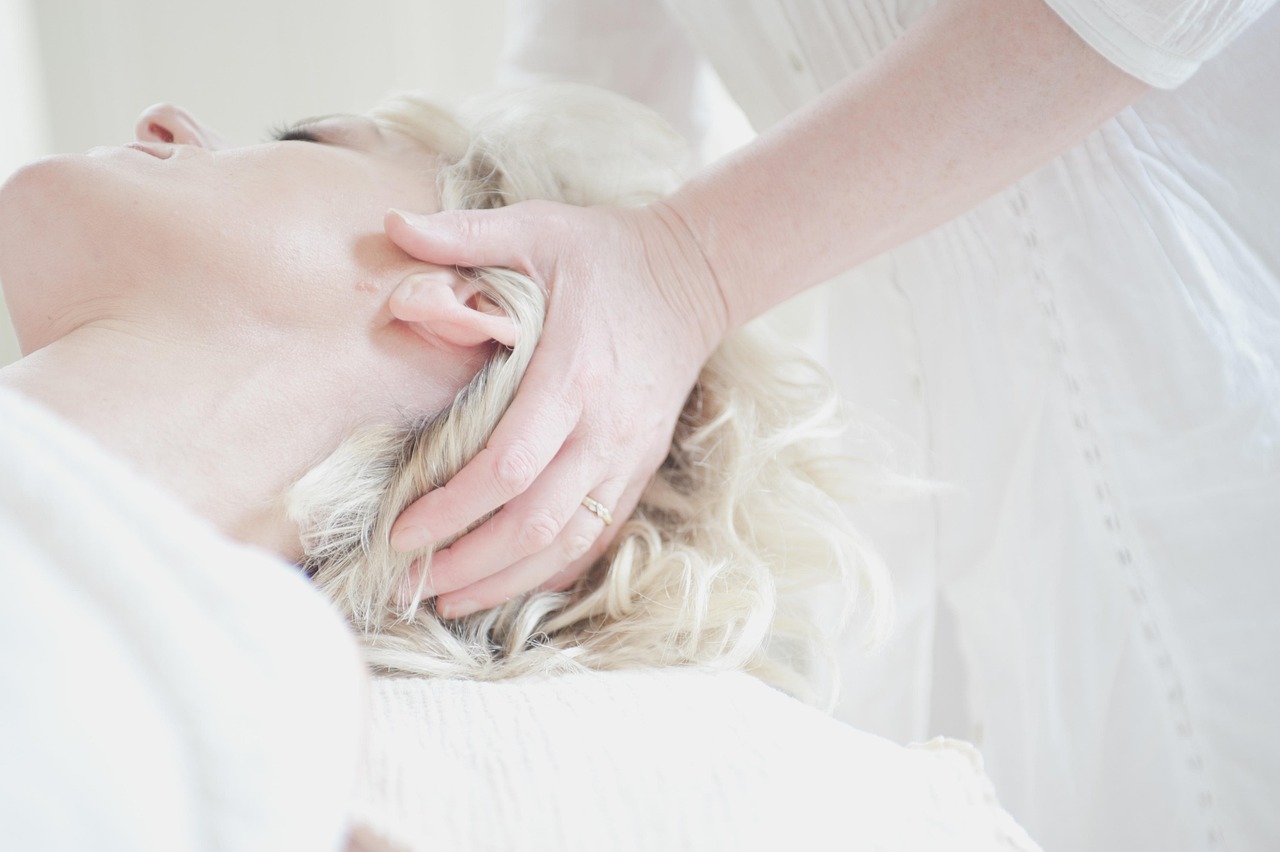
Shiatsu is a form of Japanese bodywork that works with the body’s energy pathways, known as meridians, to promote health and balance. In the context of older adults, the practice must be adapted to address age‑related physiological changes, chronic conditions, and the unique psychosocial needs of this population. This glossary of key terms and vocabulary provides the foundational language that advanced learners need to communicate effectively, conduct safe assessments, and apply therapeutic techniques with confidence. Each entry includes a concise definition, an example of how the concept appears in a clinical scenario, practical application tips, and common challenges that may arise when working with seniors.
Meridian – A meridian is a channel through which life‑energy, or ki, flows. There are twelve primary meridians that run longitudinally on each side of the body, plus a series of secondary pathways. In older adults, meridian flow may become sluggish due to reduced mobility, circulatory inefficiencies, or scar tissue from previous surgeries. For example, a client who reports stiffness in the lower back may have a blockage in the Bladder Meridian, which runs along the spine. Practitioners can address this by gently tracing the pathway with the forearms, using slow, rhythmic strokes to encourage movement of ki. A common challenge is the presence of calcified arteries that limit deep pressure; therefore, pressure should be modulated and always guided by the client’s feedback.
Ki – The vital energy that animates the body, comparable to the concept of “chi” in Chinese medicine. In geriatric practice, the focus is on supporting the natural decline of ki without forcing it, thereby avoiding fatigue. An older client who feels “low on energy” after a morning walk may benefit from a brief, gentle session that balances the Kidney Meridian, a pathway associated with vitality and aging. Practitioners should monitor breathing patterns and pulse quality to gauge the client’s energy level. A challenge is differentiating between normal age‑related fatigue and a pathological depletion of ki, which may require referral to a medical professional.
Tsubo – Tsubo are focal points on the body where the meridian pathways intersect, often corresponding to acupuncture points. These points are used to release tension, improve circulation, and stimulate organ function. In older adults, certain tsubo become more sensitive due to degenerative joint disease or neuropathy. For instance, the Hara Tsubo (located on the abdomen) can be gently pressed to calm anxiety and improve digestive function, which is particularly useful for seniors experiencing constipation. Practitioners must use light to moderate pressure and observe the client’s response closely, as excessive force can cause bruising on fragile skin.
Palpation – The systematic use of touch to assess tissue texture, temperature, and tone. In geriatric shiatsu, palpation is essential for identifying areas of tension, inflammation, or reduced perfusion. A practitioner may use the pads of the fingers to feel for “cold spots” in the feet, which could indicate poor circulation. The findings guide the selection of techniques such as gentle kneading or stretching. Challenges include reduced sensitivity in the client’s skin, which can make it harder to detect subtle changes; therefore, practitioners should also rely on visual cues and client feedback.
Mobilisation – A set of passive movements performed on joints to improve range of motion and reduce stiffness. Mobilisation is often combined with shiatsu pressure to enhance musculoskeletal health. For a senior with osteoarthritis of the knee, a practitioner may apply a slow, supported flexion‑extension movement while maintaining light pressure on the surrounding meridians. This approach helps to lubricate the joint and stimulate the Stomach Meridian, which runs across the front of the thigh. The main challenge is respecting the client’s pain threshold and avoiding over‑stretching, which could exacerbate inflammation.
Gentle Stretch – A low‑intensity stretch applied at the end of a session to lengthen muscles and tendons. In older adults, gentle stretches are used to counteract the natural shortening of connective tissue that occurs with inactivity. For example, a seated hamstring stretch can be performed while the client is on a chair, with the practitioner supporting the leg and applying a light pull. The stretch should be held for no more than ten seconds, and never to the point of discomfort. Challenges include limited flexibility due to joint replacements or spinal stenosis; therefore, each stretch must be customized and constantly monitored.
Stroking – A foundational shiatsu technique involving smooth, gliding movements along the meridian pathways. Stroking helps to warm the tissues, prepare them for deeper work, and promote relaxation. In a geriatric setting, strokes are typically performed with the palms or forearms, using a moderate pressure that does not cause pain. A common application is a long, upward stroke along the Large Intestine Meridian on the forearm, which can aid in relieving constipation. Practitioners must be aware of fragile skin and avoid rapid movements that could startle the client.
Pressing – A localized application of pressure to a specific point, often a tsubo, to release tension or stimulate organ function. Pressing is performed using the thumb, fingers, or the heel of the hand. For seniors with chronic lower back pain, pressing on the Kidney 3 (K3) point located on the inner ankle can help alleviate discomfort by influencing the Kidney Meridian. The pressure should be firm enough to be felt but not painful; a typical duration is fifteen to thirty seconds. A challenge is the presence of arthritic joints that may limit the ability to apply pressure directly, requiring the practitioner to adjust the angle or use a softer approach.
Knocking – A rhythmic tapping technique used to stimulate circulation and awaken dormant ki. Knocking is performed with the fingertips or the edge of the hand, delivering light taps to the muscles and meridian pathways. In older adults, knocking can be especially useful for revitalising the limbs after prolonged periods of sitting. For instance, a series of gentle taps on the calf muscles can improve venous return and reduce swelling in the ankles. The practitioner must ensure the taps are not too forceful, as fragile capillaries may be prone to bruising.
Rolling – A technique that involves moving the hands or forearms in a rolling motion over the body’s surface, creating a wave‑like effect. Rolling helps to release deeper layers of fascia and improve tissue elasticity. When applied to the upper back of a senior with limited shoulder mobility, rolling can be performed with the forearms, moving from the scapular base upward toward the neck. This encourages fluid movement along the Gallbladder Meridian. The main challenge is the reduced tolerance of the older client’s muscular system; therefore, the practitioner should keep the rolling depth shallow and continuously assess comfort.
Shin‑Shiatsu – A variation of shiatsu that emphasizes the use of the shin bone to apply pressure along larger muscle groups. While traditionally more vigorous, in a geriatric context the technique is softened to accommodate lower pain thresholds. For example, a practitioner may use the shin to gently press along the thigh’s quadriceps, supporting the Spleen Meridian and enhancing leg strength. Adjustments include reducing the force and using a padded surface to protect the client’s skin. Practitioners must be vigilant for signs of discomfort, as older adults may have reduced proprioceptive feedback.
Yin and Yang – The complementary forces that describe the dynamic balance of the body’s internal environment. Yin represents cooling, nourishing, and stabilising aspects, while Yang denotes warming, activating, and mobilising qualities. In geriatric shiatsu, a practitioner may aim to restore Yin in a client who feels “over‑heated” or Yang in a client who feels lethargic. For instance, a senior with chronic cold hands may benefit from Yang‑enhancing techniques such as deeper pressure along the Heart Meridian. Understanding the interplay of Yin and Yang helps the therapist choose appropriate techniques and avoid over‑stimulation. A challenge is that many seniors have mixed presentations, requiring a nuanced, individualized approach.
Pulse Diagnosis – An assessment method that evaluates the quality, rhythm, and strength of the radial pulse to infer the state of internal organs and meridian flow. In older adults, pulse diagnosis can reveal signs of “deficiency” (weak pulse) or “excess” (strong, rapid pulse). For example, a weak pulse at the Kidney position may indicate a need for nourishing techniques. Practitioners should use a gentle touch, as the arteries of seniors can be more fragile. The technique requires training and sensitivity; misreading the pulse could lead to inappropriate treatment choices.
Reflexology – The practice of stimulating specific points on the feet or hands that correspond to organs and systems throughout the body. While not a core shiatsu technique, reflexology concepts often overlap with meridian work. In a geriatric setting, reflexology can be used to address digestive issues by applying pressure to the foot’s “stomach” zone, which aligns with the Stomach Meridian. The method is especially useful for clients who cannot tolerate full‑body shiatsu due to limited mobility. The challenge lies in ensuring that pressure is not excessive, as older skin can bruise easily.
Therapeutic Positioning – The arrangement of the client’s body to maximize comfort, safety, and access to treatment areas. Proper positioning reduces strain on joints and ensures that the practitioner can work efficiently. For seniors with limited mobility, a supportive chair with adjustable backrest and armrests is often preferred over a treatment table. The client may be seated with a small pillow under the lumbar spine to maintain natural curvature. Positioning also includes the use of blankets to keep the client warm, as older adults tend to have lower body temperature. Misalignment can lead to discomfort or injury, highlighting the importance of careful setup.
Contra‑indications – Conditions or situations where shiatsu should not be performed, or where modifications are required. Common contraindications for older adults include uncontrolled hypertension, recent fractures, severe osteoporosis, deep vein thrombosis, and active infections. For example, a senior with a recent hip replacement should avoid deep pressure on the affected side; instead, the practitioner can focus on surrounding meridians using gentle stroking. Recognizing contraindications protects both client and therapist and ensures that treatment remains within safe boundaries. When in doubt, the therapist should consult the client’s healthcare provider.
Modifications – Adjustments made to standard shiatsu techniques to accommodate the physical and health status of older adults. Modifications may involve reducing pressure, shortening session length, using supportive props, or focusing on specific meridians. For instance, a client with limited neck mobility may receive a modified cervical technique that uses light tapping rather than deep pressure. The practitioner should document each modification and monitor the client’s response, adapting the plan as needed. Challenges include balancing therapeutic effectiveness with safety, particularly when the client’s condition fluctuates.
Therapeutic Touch – The intentional use of the practitioner’s hands to convey warmth, support, and healing energy. In geriatric practice, therapeutic touch can reduce anxiety and foster a sense of security. A gentle hand placed on the client’s forearm while explaining the upcoming technique can help build trust. This non‑verbal communication is essential for clients with cognitive decline, as it can calm agitation. Over‑reliance on touch without verbal explanation may lead to confusion, so practitioners should combine tactile cues with clear, calm language.
Client Communication – The process of exchanging information with the client to ensure understanding, consent, and cooperation. Effective communication with older adults involves speaking slowly, using simple language, and confirming comprehension. For example, before applying pressure to the Liver Meridian, the therapist should ask, “Will a gentle pressure on the side of your rib cage feel comfortable?” and wait for an affirmative response. Communication also includes active listening to the client’s concerns, which may reveal hidden health issues. A common challenge is hearing impairment; using a calm tone and ensuring a quiet environment can mitigate misunderstandings.
Informed Consent – The ethical and legal requirement to obtain the client’s agreement before beginning treatment, after explaining the purpose, benefits, risks, and alternatives. In older adults, obtaining informed consent may require involving family members or caregivers, especially if cognitive impairment is present. The practitioner should provide a written summary of the treatment plan and ask the client to repeat key points to confirm understanding. Failure to secure proper consent can lead to legal repercussions and loss of trust. The consent process should be documented in the client’s record.
Documentation – The systematic recording of assessment findings, treatment techniques, client responses, and any modifications made during the session. Accurate documentation supports continuity of care and provides a legal record. For a senior with hypertension, the therapist might note the blood pressure reading before and after the session, the pressure level used on the Heart Meridian, and any changes in reported symptoms. Challenges include ensuring that documentation is thorough yet concise, and that privacy regulations are adhered to. Electronic health records can streamline this process when used correctly.
Assessment – The comprehensive evaluation of the client’s physical, emotional, and functional status before initiating treatment. In geriatric shiatsu, assessment includes reviewing medical history, medication list, mobility level, skin integrity, and psychosocial factors. A typical assessment might reveal that a client has limited ankle dorsiflexion due to arthritis, prompting the practitioner to avoid deep pressure on the Spleen Meridian near the ankle and instead focus on gentle stroking along the calf. The assessment also identifies potential risks, such as fragile capillaries that could bruise easily. A thorough assessment forms the foundation for an individualized treatment plan.
Treatment Plan – A structured outline of the therapeutic goals, selected techniques, frequency of sessions, and expected outcomes. For older adults, the plan often emphasizes pain reduction, improved mobility, enhanced sleep, and emotional well‑being. An example plan may schedule weekly sessions for six weeks, combining light pressure on the Lung Meridian to support respiratory function with gentle stretching of the hamstrings to improve gait. The plan should be flexible, allowing adjustments based on the client’s progress and any new health developments. Challenges include coordinating with other healthcare providers and ensuring the plan aligns with the client’s overall care regimen.
Pressure Levels – The amount of force applied during shiatsu techniques, typically described as light, moderate, or deep. In seniors, pressure levels must be carefully calibrated to avoid bruising, pain, or exacerbation of existing conditions. Light pressure may be appropriate for clients with severe osteoporosis, while moderate pressure can be used for those with robust musculoskeletal health. Practitioners should always check in with the client, asking, “Is the pressure comfortable?” and adjust accordingly. A challenge is that some clients may misinterpret light pressure as ineffective, requiring education about the therapeutic intent.
Frequency – The number of sessions conducted within a given time frame. Frequency is determined by the client’s health status, goals, and tolerance. For chronic conditions such as osteoarthritis, a weekly session may provide consistent relief, whereas acute flare‑ups might benefit from more frequent, shorter sessions. Frequency must be balanced with the client’s schedule and financial considerations. Over‑treatment can lead to fatigue, while under‑treatment may limit therapeutic gains. Practitioners should discuss optimal frequency during the initial consultation.
Session Duration – The length of each treatment encounter. In geriatric practice, sessions typically range from 30 to 60 minutes, depending on the client’s stamina and treatment complexity. Shorter sessions may be more appropriate for clients with limited energy or respiratory issues. The therapist should monitor signs of fatigue, such as shallow breathing or restlessness, and be prepared to pause or conclude the session early. A common challenge is maintaining a therapeutic flow within a limited time while still addressing all identified areas of concern.
Energy Flow – The movement of ki through the meridians and tissues. A smooth energy flow is associated with health, while stagnation or blockage can manifest as pain, stiffness, or emotional distress. In older adults, energy flow may become irregular due to reduced activity levels, scar tissue, or age‑related organ changes. Practitioners use techniques such as stroking, tapping, and gentle pressure to restore balance. For example, a client who feels “tightness” in the chest may have restricted flow in the Pericardium Meridian. The practitioner can apply a series of light strokes along the chest wall to promote circulation. Monitoring the client’s subjective sensations helps gauge the effectiveness of the intervention.
Joint Mobilisation – A specific type of mobilisation that targets the joints to increase range of motion and reduce pain. In seniors, joint mobilisation must be performed with caution to avoid stressing arthritic joints. For a client with limited hip rotation, the therapist may gently guide the leg through a small arc while maintaining support on the pelvis. This technique can be combined with shiatsu pressure on the surrounding meridians to enhance the effect. The practitioner should assess joint integrity before proceeding and discontinue if any sharp pain occurs.
Myofascial Release – A set of techniques aimed at loosening the fascia, the connective tissue that encases muscles and organs. Myofascial restrictions are common in older adults due to prolonged inactivity or previous injuries. A therapist might use slow, sustained pressure with the forearms to release fascial adhesions along the Small Intestine Meridian. The client should feel a gentle pulling sensation rather than pain. A challenge is that older fascia can be less pliable, requiring longer holds and lighter pressure compared to younger clients.
Trigger Point – A hyperirritable spot within a muscle that can refer pain to other areas of the body. Trigger points often develop in seniors due to chronic postural strain or compensatory patterns. Identifying a trigger point in the upper trapezius, for example, can explain headaches and neck tension. Applying focused pressure on the trigger point for 10‑15 seconds, followed by a gentle stretch, can alleviate referred pain. The practitioner must be mindful of the client’s tolerance, as older adults may have heightened sensitivity.
Heat Therapy – The application of warmth to relax muscles, improve circulation, and reduce stiffness. Heat can be introduced in shiatsu sessions by using warm towels, heated stones, or simply the natural warmth of the therapist’s hands after a short soak. For a senior with chronic lower back pain, a warm compress placed on the lumbar region before the session can prepare the tissues for deeper work. The therapist should verify that the client’s skin temperature can tolerate heat, especially in individuals with peripheral neuropathy, where sensation may be diminished.
Cold Therapy – The use of cooling agents to reduce inflammation, swelling, or acute pain. In geriatric practice, cold therapy is applied sparingly, often after a vigorous session to mitigate any minor tissue irritation. A cold pack wrapped in a thin cloth can be placed on inflamed knees for a few minutes. The practitioner must observe for any signs of discomfort, as older adults may experience heightened cold sensitivity. Cold therapy should never be applied directly to the skin to avoid frostbite.
Breathing Techniques – Controlled breathing exercises that synchronize with shiatsu movements to enhance relaxation and promote oxygenation. In older adults, diaphragmatic breathing can improve lung capacity and reduce anxiety. A therapist may guide the client to inhale slowly through the nose while the practitioner applies a gentle upward stroke along the Lung Meridian, and exhale as the stroke is released. This coordinated approach deepens the therapeutic effect. Challenges include clients with chronic obstructive pulmonary disease (COPD) who may have limited breath control; modifications such as shorter inhalations may be necessary.
Mind‑Body Integration – The holistic concept that physical treatment influences mental and emotional states, and vice versa. In geriatric shiatsu, acknowledging the mind‑body connection can enhance outcomes for clients dealing with depression, grief, or cognitive decline. A therapist may incorporate gentle affirmations while performing a calming stroke on the Heart Meridian, reinforcing a sense of safety. This integration supports neuroplasticity and emotional resilience. Practitioners should be trained to recognize signs of emotional distress and know when to refer the client to mental health professionals.
Post‑Treatment Care – Recommendations given to the client after a session to maximize benefits and prevent adverse effects. For seniors, post‑treatment care may include encouraging gentle movement, drinking water, and avoiding strenuous activity for a short period. For example, after a session focusing on the lower limbs, the therapist might suggest a short walk to promote circulation. The practitioner should also provide written instructions on self‑care techniques, such as self‑massage of the feet using a soft ball. Challenges include ensuring the client adheres to the recommendations, especially if they have limited support at home.
Self‑Massage – Simple techniques that the client can perform independently to maintain the effects of the session. Self‑massage can be taught during the session, focusing on accessible areas like the forearms, calves, and shoulders. A senior may use a small rubber ball to roll under the foot, stimulating the Foot Reflex Zones. The therapist should demonstrate the technique slowly, allowing the client to practice under supervision. The main challenge is the client’s dexterity; adaptive tools such as a massage roller with a larger grip may be needed.
Contra‑indicated Positions – Specific body positions that should be avoided because they increase risk of injury or discomfort. For older adults with limited spinal flexibility, lying flat on the stomach may exacerbate kyphosis and cause breathing difficulty. Instead, a side‑lying or seated position with proper support is preferred. The practitioner must assess each client’s anatomical limitations before selecting a position. Failure to do so can lead to strain, falls, or increased pain.
Safety Protocols – Standard procedures that ensure the well‑being of both client and practitioner. In geriatric shiatsu, safety protocols include checking the client’s blood pressure before and after treatment, confirming the absence of recent falls, and maintaining a clean, clutter‑free treatment space. The therapist should also be trained in basic first‑aid and emergency response, as older adults may have sudden health events. Documentation of safety checks should be part of the client record. A common challenge is maintaining vigilance while providing a calm environment; using a checklist can help balance both needs.
Professional Boundaries – The ethical limits that define the therapist‑client relationship. Maintaining professional boundaries is especially important with older adults, who may be vulnerable or dependent. Boundaries include clear communication about the scope of practice, obtaining consent for any physical contact, and avoiding dual relationships such as personal friendships. The practitioner should also respect cultural preferences regarding touch and gender. Breaches of boundaries can lead to loss of trust and legal consequences. Ongoing supervision and reflective practice help uphold these standards.
Continuing Education – Ongoing learning activities that keep the practitioner current with advances in geriatric care, shiatsu research, and related health fields. Participation in workshops on age‑related musculoskeletal disorders, certifications in fall‑prevention, or courses on dementia care enhance the therapist’s competence. Continuing education ensures that techniques remain evidence‑based and culturally sensitive. A challenge is balancing the time and financial investment required for further training with clinical responsibilities.
Interdisciplinary Collaboration – Working together with other health professionals such as physicians, physiotherapists, occupational therapists, and nutritionists to provide comprehensive care. In geriatric shiatsu, collaboration may involve sharing assessment findings with a physiotherapist to align mobility goals, or discussing medication side effects that could influence treatment tolerance. Effective collaboration improves outcomes and reduces the risk of conflicting interventions. Barriers include differing terminology and varying schedules; establishing clear communication channels and mutual respect can overcome these obstacles.
Documentation of Outcomes – Recording measurable changes in the client’s condition after each session, such as pain scores, range of motion improvements, or sleep quality enhancements. For a senior with chronic knee pain, the therapist might note a reduction from a pain rating of 7/10 to 4/10 after three sessions, indicating progress. Outcome documentation supports evidence‑based practice and can be used for insurance or referral purposes. Challenges include ensuring that subjective measures are captured consistently and that the client feels comfortable providing honest feedback.
Client Education – Providing information that empowers the client to understand their health and participate actively in their care. Education topics for older adults may include the importance of regular movement, proper hydration, and ergonomics for daily activities. The therapist might explain how regular shiatsu can support the Kidney Meridian, which is linked to vitality and aging. Educational materials should be clear, using large fonts and simple language, to accommodate visual or cognitive limitations. A difficulty may arise when clients have entrenched beliefs about health; respectful dialogue and evidence can help bridge gaps.
Psychosocial Assessment – Evaluating the client’s emotional state, social support network, and lifestyle factors that affect health. Older adults may experience loneliness, grief, or anxiety, all of which can influence treatment response. A practitioner who notes that a client lives alone and reports feeling “down” might incorporate calming techniques, such as gentle rhythmic tapping on the Heart Meridian, and suggest community resources. The psychosocial assessment should be conducted sensitively, respecting privacy and cultural norms. A barrier can be the client’s reluctance to discuss personal matters, requiring the therapist to build rapport over time.
Fall‑Risk Evaluation – Identifying factors that increase the likelihood of falls, such as poor balance, muscle weakness, or environmental hazards. In the context of shiatsu, the therapist can observe the client’s gait and postural stability during transitions onto the treatment chair. If the client demonstrates unsteady steps, the practitioner may recommend balance‑enhancing exercises and coordinate with a physiotherapist. The evaluation should be documented and shared with the client’s primary care team. A challenge is that some clients may underestimate their fall risk; gentle education and demonstration of safe techniques can increase awareness.
Mobility Aids – Devices that assist the client in moving safely, such as walkers, canes, or seat‑lift chairs. When these aids are present, the practitioner must integrate them into the treatment plan. For instance, a client who uses a walker may be positioned with the walker nearby for support while the therapist performs a seated shoulder stretch. The therapist should check that the aid is stable and correctly adjusted before each session. Misuse of mobility aids can lead to accidents, so regular inspection and client instruction are essential.
Skin Integrity – The condition of the client’s skin, which can be compromised by dryness, bruising, or pressure ulcers. Older adults often have thinner skin and reduced elasticity, making them more susceptible to injury during massage. The practitioner should inspect the skin before applying pressure, especially over bony prominences such as the elbows or ankles. If an area shows signs of irritation, the therapist should avoid direct pressure and use gentle stroking around the region. Maintaining skin integrity also involves recommending moisturizers and ensuring the treatment environment is comfortably warm.
Temperature Regulation – The ability of the body to maintain an appropriate internal temperature. Aging can impair thermoregulation, leading to feelings of cold or heat intolerance. During a shiatsu session, the therapist should monitor the client’s temperature, providing blankets if the room feels chilly, and avoiding excessive heat sources. For a client who feels “cold” in the hands, applying gentle warming strokes along the Large Intestine Meridian can improve circulation. A challenge is that some medications, such as beta‑blockers, can affect temperature perception, requiring extra attention.
Neurological Considerations – Awareness of conditions that affect the nervous system, such as Parkinson’s disease, stroke, or peripheral neuropathy. These conditions influence how the client perceives touch and pain. For a client with Parkinson’s disease, the therapist may use rhythmic, repetitive strokes to help calm tremors and promote relaxation. In cases of peripheral neuropathy, the practitioner should avoid deep pressure on the affected areas, as the client may not feel pain but could still sustain tissue damage. Continuous assessment of neurological status is vital to tailor techniques appropriately.
Medication Interactions – Understanding how the client’s medications may affect or be affected by shiatsu. Certain drugs, such as anticoagulants, increase the risk of bruising, while others, like muscle relaxants, may enhance the client’s tolerance for deeper pressure. The therapist should review the medication list and adjust pressure levels accordingly. For a senior on a blood thinner, the practitioner might choose light stroking and avoid aggressive kneading. Communication with the client’s physician can clarify any concerns and ensure coordinated care. The challenge lies in staying updated on an ever‑expanding pharmacopeia.
Cultural Sensitivity – Respecting the client’s cultural background, beliefs, and preferences regarding health practices and physical touch. Some older adults may have cultural reservations about being touched by a therapist of a different gender or may prefer certain traditional remedies. The practitioner should ask open‑ended questions about cultural practices and adapt the session to accommodate them. For example, a client who follows traditional Chinese medicine may appreciate the integration of meridian concepts, while a client from a Western background may respond better to explanations framed in anatomical terms. Sensitivity fosters trust and improves therapeutic outcomes.
Ethical Practice – Upholding principles such as beneficence, non‑maleficence, autonomy, and justice in all aspects of care. In geriatric shiatsu, ethical practice includes obtaining informed consent, respecting the client’s right to decline treatment, and providing equitable access regardless of socioeconomic status. The therapist must also be honest about the limits of shiatsu, avoiding overpromising results. Ethical dilemmas may arise when family members request treatment on behalf of an incapacitated client; the therapist should prioritize the client’s known wishes and, when needed, involve legal guardians. Maintaining ethical standards protects both client welfare and professional integrity.
Professional Development – Ongoing efforts to refine clinical skills, expand knowledge, and enhance personal growth. Engaging in peer mentorship, case study reviews, and reflective journaling helps practitioners stay attuned to the evolving needs of older adults. Participating in research projects on the efficacy of shiatsu for age‑related conditions can also contribute to the body of evidence. A challenge for many therapists is finding time for development amidst a busy practice; scheduling dedicated learning periods and setting clear goals can mitigate this barrier.
Outcome Measures – Tools and scales used to quantify changes in the client’s health status. Common outcome measures for older adults include the Visual Analogue Scale (VAS) for pain, the Timed Up and Go (TUG) test for mobility, and the Geriatric Depression Scale (GDS) for mood. Integrating these measures into the treatment plan allows the therapist to track progress objectively. For example, a reduction in VAS pain from 6 to 3 after four sessions indicates a positive response. Selecting appropriate measures requires understanding the client’s baseline and ensuring the tools are validated for the elderly population.
Client Preferences – The individual choices and priorities that shape the therapeutic experience. Some seniors may prefer a brief, focused session targeting a specific area of discomfort, while others enjoy a full‑body approach that promotes overall relaxation. The therapist should ask the client about their preferences at the outset and revisit the discussion regularly. Accommodating preferences enhances satisfaction and adherence to the treatment plan. A potential difficulty is reconciling client desires with clinical judgment; open communication and shared decision‑making help resolve such conflicts.
Therapeutic Environment – The physical setting in which the treatment takes place, including lighting, temperature, noise level, and furnishings. An environment that feels safe, calm, and accessible is essential for older adults. Soft lighting, a comfortable chair with armrests, and a clutter‑free floor reduce the risk of falls and anxiety. Aromatherapy may be used if the client does not have sensitivities, as gentle scents can promote relaxation. The practitioner should regularly assess the environment for hazards and make adjustments as needed. Creating a welcoming space contributes to the overall therapeutic effect.
Goal Setting – The collaborative process of defining realistic, measurable objectives for the client’s health and well‑being. Goals may be short‑term, such as “reduce shoulder stiffness within two weeks,” or long‑term, like “maintain independence in daily activities for the next year.” Goals should be specific, achievable, relevant, and time‑bound (SMART). The therapist works with the client to prioritize goals, ensuring they align with the client’s values and capabilities. Regular review of goals enables adjustments based on progress or changing health status.
Feedback Loop – The continuous exchange of information between client and therapist that informs ongoing care. After each session, the therapist should ask the client to describe any sensations, improvements, or concerns. This feedback guides modifications in technique, pressure, or focus areas for subsequent sessions. For instance, if a client reports increased soreness after deep pressure on the Gallbladder Meridian, the therapist may shift to lighter strokes in the next visit. Maintaining an open feedback loop fosters trust and optimizes therapeutic outcomes.
Risk Management – The systematic process of identifying, assessing, and mitigating potential hazards associated with treatment. In geriatric shiatsu, risk management includes screening for contraindications, monitoring vital signs, and maintaining emergency protocols. Documentation of risk assessments, informed consent, and client responses is essential for legal protection and quality assurance. Practitioners should also stay current with professional liability insurance requirements. A common risk is the possibility of a client’s sudden medical event during a session; preparedness and swift response are critical.
Documentation Standards – The guidelines that dictate how clinical information should be recorded to ensure clarity, accuracy, and compliance with regulations. Documentation should include the date, time, client identifiers, assessment findings, treatment techniques used, pressure levels, client response, and any recommendations. Using standardized abbreviations and avoiding ambiguous language enhances readability. For example, noting “Applied moderate pressure on the Heart Meridian for 20 seconds, client reported warmth and relaxation” provides clear information. Consistent documentation supports continuity of care and facilitates communication with other health providers.
Professional Boundaries – The ethical limits that define the therapist‑client relationship. Maintaining professional boundaries is especially important with older adults, who may be vulnerable or dependent. Boundaries include clear communication about the scope of practice, obtaining consent for any physical contact, and avoiding dual relationships such as personal friendships. The practitioner should also respect cultural preferences regarding touch and gender. Breaches of boundaries can lead to loss of trust and legal consequences; ongoing supervision and reflective practice help uphold these standards.
Client Autonomy – Respecting the client’s right to make decisions about their own care. Even when cognitive decline is present, the therapist should involve the client as much as possible in treatment planning. For a senior with mild dementia, the therapist might present two treatment options and ask the client to choose the preferred one. This approach reinforces dignity and promotes engagement. When the client’s decision‑making capacity is compromised, the practitioner should seek input from legally authorized representatives while still honoring the client’s known wishes.
Intervention Timing – The scheduling of treatment sessions in relation to the client’s daily routine, medication schedule, and energy peaks. For example, a client who takes a diuretic in the morning may experience increased urination, making a late‑morning session more comfortable. Aligning sessions with periods of higher alertness can enhance cooperation and therapeutic effectiveness. The therapist should discuss preferred times with the client and adjust as health conditions evolve.
Case Study Integration – The use of real‑world examples to illustrate concepts and reinforce learning. In the context of this glossary, each term can be linked to a brief case scenario, such as a 78‑year‑old woman with chronic low back pain who benefits from gentle stroking along the Bladder Meridian. These integrative stories help learners visualize the application of terminology in clinical practice. Challenges include ensuring that case studies are diverse and representative of the broad spectrum of geriatric conditions.
Self‑Reflection – The practice of examining one’s own experiences, emotions, and reactions after each client interaction. Self‑reflection enables the therapist to identify areas for improvement, recognize biases, and
Key takeaways
- This glossary of key terms and vocabulary provides the foundational language that advanced learners need to communicate effectively, conduct safe assessments, and apply therapeutic techniques with confidence.
- A common challenge is the presence of calcified arteries that limit deep pressure; therefore, pressure should be modulated and always guided by the client’s feedback.
- An older client who feels “low on energy” after a morning walk may benefit from a brief, gentle session that balances the Kidney Meridian, a pathway associated with vitality and aging.
- For instance, the Hara Tsubo (located on the abdomen) can be gently pressed to calm anxiety and improve digestive function, which is particularly useful for seniors experiencing constipation.
- Challenges include reduced sensitivity in the client’s skin, which can make it harder to detect subtle changes; therefore, practitioners should also rely on visual cues and client feedback.
- For a senior with osteoarthritis of the knee, a practitioner may apply a slow, supported flexion‑extension movement while maintaining light pressure on the surrounding meridians.
- For example, a seated hamstring stretch can be performed while the client is on a chair, with the practitioner supporting the leg and applying a light pull.