
Singing And Movement Activities
Singing and movement activities are essential components of the Professional Certificate in Therapeutic Singing Activities, as they provide a unique opportunity for individuals to express themselves, develop their skills, and improve their …
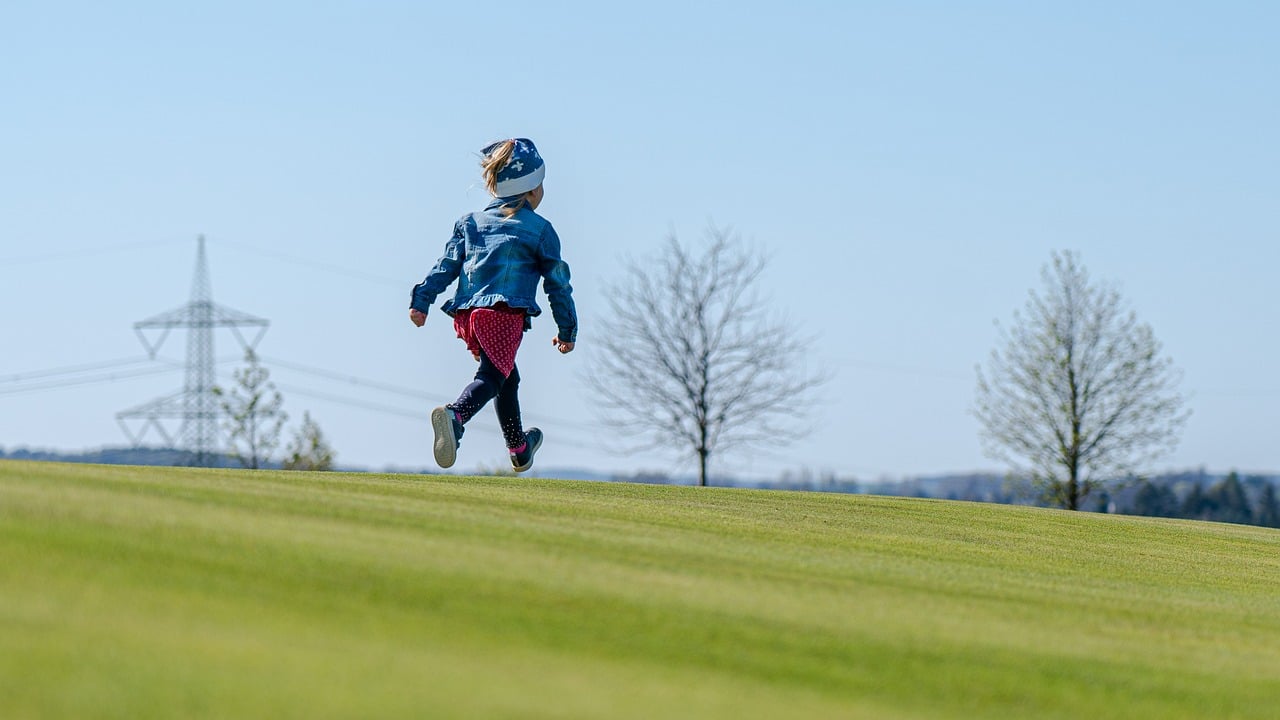
Singing and movement activities are essential components of the Professional Certificate in Therapeutic Singing Activities, as they provide a unique opportunity for individuals to express themselves, develop their skills, and improve their overall well-being. One of the key terms in this context is breath control, which refers to the ability to regulate and manage one's breathing patterns to produce a desired sound or effect. This can be achieved through various techniques, such as diaphragmatic breathing, which involves engaging the diaphragm muscle to support the breath, and box breathing, which involves breathing in for a count of four, holding for a count of four, and exhaling for a count of four.
Movement activities, such as stretching and swaying, can also be used to enhance singing and overall physical well-being. These activities can help to loosen up the muscles, improve flexibility, and reduce tension, all of which can contribute to a more comfortable and enjoyable singing experience. For example, neck stretches can help to relax the muscles in the neck and throat, while shoulder rolls can help to release tension in the shoulders and upper back.
In addition to breath control and movement activities, other key terms and concepts in singing and movement activities include posture, alignment, and balance. Good posture, which involves maintaining a straight spine and relaxed shoulders, is essential for producing a clear and resonant sound. Alignment, which refers to the positioning of the body in relation to the sound being produced, is also critical, as it can affect the quality and clarity of the sound. Balance, which involves maintaining a sense of equilibrium and stability, is also important, as it can help to reduce tension and promote a sense of relaxation and well-being.
Singing and movement activities can also be used to develop coordination and rhythm, which are essential skills for musicians and non-musicians alike. Coordination, which involves the ability to integrate and synchronize different movements and actions, can be developed through activities such as tapping and clapping, while rhythm, which involves the ability to recognize and reproduce patterns of sound and movement, can be developed through activities such as stomping and swaying.
Another key concept in singing and movement activities is expression, which refers to the ability to convey emotion and feeling through sound and movement. This can be achieved through various techniques, such as inflection, which involves changing the pitch or tone of the voice to convey meaning or emotion, and gestures, which involve using the body to convey emotion or emphasis. For example, a singer may use arm movements to convey excitement or enthusiasm, while a facial expression can be used to convey sadness or joy.
In terms of practical applications, singing and movement activities can be used in a variety of settings, including therapy sessions, education programs, and community events. For example, singing and movement activities can be used in therapy sessions to help individuals with anxiety or depression to manage their symptoms and improve their mood. In education programs, singing and movement activities can be used to teach language skills, such as vocabulary and grammar, and to promote social skills, such as communication and teamwork.
Singing and movement activities can also be used to address specific challenges, such as speech difficulties or physical disabilities. For example, singing and movement activities can be used to help individuals with autism or Down syndrome to develop their communication skills and improve their coordination and balance. In addition, singing and movement activities can be used to help individuals with physical disabilities, such as paralysis or amputation, to develop their strength and mobility and to improve their overall quality of life.
One of the key benefits of singing and movement activities is their ability to engage individuals and promote participation. This can be particularly important for individuals who may be reluctant to participate in traditional music or movement activities, as singing and movement activities can provide a sense of comfort and familiarity. For example, singing and movement activities can be used to help individuals with dementia or Alzheimer's disease to recall memories and improve their cognitive function.
In terms of assessment and evaluation, singing and movement activities can be used to assess an individual's skills and abilities, as well as their progress and development over time. This can be achieved through various methods, such as observation and feedback, as well as through the use of assessments and evaluations tools, such as rating scales and checklists. For example, a music therapist may use observation and feedback to assess an individual's ability to follow instructions and directions, while a movement therapist may use assessments and evaluations tools to assess an individual's balance and coordination.
Singing and movement activities can also be used to promote social skills, such as communication and teamwork, and to develop emotional intelligence, such as self-awareness and self-regulation. For example, singing and movement activities can be used to help individuals with autism or Asperger's syndrome to develop their social skills and improve their ability to interact with others. In addition, singing and movement activities can be used to help individuals with anxiety or depression to manage their emotions and improve their overall mental health.
In terms of cultural and linguistic diversity, singing and movement activities can be used to promote inclusion and diversity, and to celebrate different cultures and traditions. For example, singing and movement activities can be used to help individuals from diverse backgrounds to develop their language skills and to learn about different cultures and customs. In addition, singing and movement activities can be used to promote cross-cultural understanding and to celebrate the diversity of human experience and expression.
Singing and movement activities can also be used to address specific needs, such as physical or emotional needs, and to promote health and wellness. For example, singing and movement activities can be used to help individuals with chronic pain or illness to manage their symptoms and improve their quality of life. In addition, singing and movement activities can be used to promote relaxation and reduction of stress, and to improve overall physical and mental health.
Overall, singing and movement activities are a powerful tool for promoting development and growth, and for addressing specific challenges and needs. By incorporating singing and movement activities into daily life, individuals can improve their physical and mental health, develop their social skills, and promote inclusion and diversity. Whether used in therapy sessions, education programs, or community events, singing and movement activities have the power to transform lives and promote positive change.
Key takeaways
- One of the key terms in this context is breath control, which refers to the ability to regulate and manage one's breathing patterns to produce a desired sound or effect.
- For example, neck stretches can help to relax the muscles in the neck and throat, while shoulder rolls can help to release tension in the shoulders and upper back.
- In addition to breath control and movement activities, other key terms and concepts in singing and movement activities include posture, alignment, and balance.
- Singing and movement activities can also be used to develop coordination and rhythm, which are essential skills for musicians and non-musicians alike.
- Another key concept in singing and movement activities is expression, which refers to the ability to convey emotion and feeling through sound and movement.
- In education programs, singing and movement activities can be used to teach language skills, such as vocabulary and grammar, and to promote social skills, such as communication and teamwork.
- For example, singing and movement activities can be used to help individuals with autism or Down syndrome to develop their communication skills and improve their coordination and balance.