
Contemporary Issues In Politics
Democracy is a system of government in which power ultimately resides with the people, who exercise that power directly or through elected representatives. In contemporary Namibia, the practice of democracy involves regular elections, a vib…
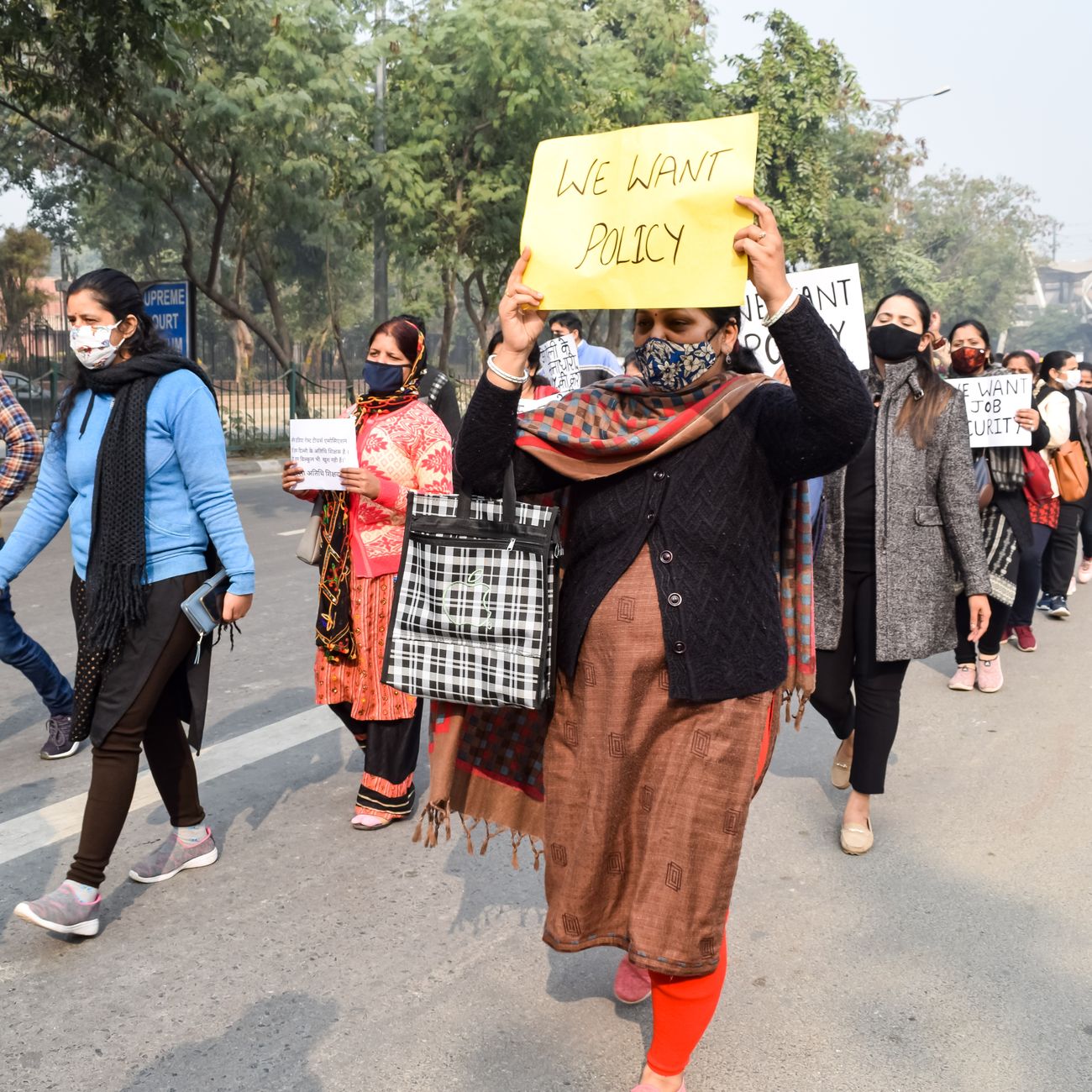
Democracy is a system of government in which power ultimately resides with the people, who exercise that power directly or through elected representatives. In contemporary Namibia, the practice of democracy involves regular elections, a vibrant civil society, and constitutional guarantees of fundamental rights. Practical application can be seen in the 2019 general elections, where multiple parties contested and the Electoral Commission ensured transparent vote counting. A challenge to democracy is the risk of “vote buying” in rural constituencies, which can undermine the fairness of the electoral process.
Authoritarianism describes a form of governance where power is concentrated in the hands of a single ruler or a small group, with limited political pluralism and often curtailed civil liberties. While Namibia is classified as a democratic state, scholars note that certain policy decisions are made through top‑down directives that resemble authoritarian traits, such as the centralised control of natural resource licensing. Understanding the distinction helps students analyse why some regimes resist democratic reforms despite external pressure.
Populism is a political approach that claims to represent “the ordinary people” against a perceived elite. Populist rhetoric frequently emerges during election cycles, especially on issues like land reform and unemployment. For example, a political party may frame the redistribution of commercial farms as a fight for the “common Namibian” against multinational corporations. The challenge lies in distinguishing genuine popular demands from demagogic manipulation that can erode institutional checks.
Neoliberalism refers to an economic ideology that emphasizes market liberalisation, deregulation, privatisation, and reduced state intervention. Namibia’s adoption of neoliberal policies is evident in the privatisation of the electricity sector and the encouragement of foreign direct investment in mining. These policies aim to stimulate growth, yet critics argue they can exacerbate inequality, especially when profit‑driven enterprises neglect local employment commitments. Students must weigh the benefits of increased capital inflows against the social costs of reduced public control over essential services.
Globalisation captures the increasing interdependence of national economies, cultures, and political systems. Namibia’s integration into global markets is illustrated by its export of uranium to Europe and the United States, and its participation in the Southern African Development Community (SADC) trade bloc. The practical implication is that domestic policy must consider external shocks, such as fluctuating commodity prices. A key challenge is ensuring that globalisation does not diminish national policy autonomy, particularly in sectors deemed strategic for security.
Governance is the process and structures through which societies manage their affairs, encompassing both the formal institutions of the state and informal networks of influence. Good governance in Namibia is measured by transparency, accountability, and citizen participation. An example is the establishment of the Office of the Ombudsman, which handles complaints against public officials. However, persistent challenges include bureaucratic inertia and limited capacity for monitoring complex procurement contracts.
Policy denotes a course of action adopted by a government to address public problems. In the Namibian context, policies such as the National Development Plan (NDP) aim to reduce poverty and improve infrastructure. The policy cycle includes agenda‑setting, formulation, adoption, implementation, and evaluation. Practical application can be seen in the rollout of the Rural Water Supply Programme, which illustrates the transition from planning to service delivery. A common obstacle is the gap between policy design and on‑the‑ground implementation, often caused by insufficient funding or weak coordination among ministries.
Civil society comprises non‑governmental organisations, community groups, trade unions, and other actors that operate independently of the state. In Namibia, civil society plays a crucial role in monitoring elections, advocating for women’s rights, and providing social services in remote areas. For instance, the Namibia Women’s Action Network (NWAN) campaigns for gender‑responsive legislation. Challenges include limited financial resources and occasional repression when civil society groups confront powerful corporate interests.
Human rights are fundamental freedoms and protections that belong to every individual, irrespective of nationality, gender, or status. The Namibian Constitution enshrines rights such as freedom of expression, assembly, and the right to a fair trial. Practical enforcement occurs through the High Court, which can strike down legislation that violates constitutional guarantees. Nevertheless, challenges persist in the areas of police misconduct and the treatment of asylum seekers, where reports of rights violations continue to surface.
Development is a multidimensional concept that includes economic growth, social progress, and environmental sustainability. Namibia’s development agenda is guided by the Sustainable Development Goals (SDGs), which set targets for poverty reduction, quality education, and clean water. A practical illustration is the “Vision 2030” plan, which seeks to diversify the economy beyond mining. The challenge lies in balancing rapid economic expansion with the preservation of fragile ecosystems, such as the Namib Desert.
Sovereignty denotes the supreme authority of a state to govern itself without external interference. Namibia’s sovereignty is exercised through its control over borders, natural resources, and foreign policy decisions. The country’s participation in regional bodies like SADC does not diminish sovereignty but rather reflects a strategic choice to cooperate on shared challenges. A contemporary issue is the tension between sovereign rights over offshore oil exploration and international environmental obligations.
State refers to the permanent institutions that organise political authority, including the executive, legislature, and judiciary. In Namibia, the state’s structure is defined by a presidential system, a bicameral Parliament, and an independent judiciary. The practical function of the state is evident in the delivery of public services such as health care and education. However, challenges such as corruption within the civil service can erode public trust and impede effective governance.
Nation is a collective identity based on shared history, culture, language, or ethnicity. Namibia’s nation‑building process involves reconciling diverse ethnic groups, including the Ovambo, Herero, and Nama peoples, into a common national identity. Symbolic practices, such as the celebration of Independence Day on 21 March, reinforce this collective identity. The challenge is to ensure that nation‑building does not marginalise minority cultures or suppress regional identities.
Identity politics focuses on how group affiliations shape political attitudes and behaviours. In Namibia, identity can be expressed through tribal affiliations, language preferences, and historical narratives. For example, debates over the official status of indigenous languages influence educational policy. The practical implication is that policymakers must consider identity‑based demands when drafting legislation to avoid alienating specific groups. A difficulty arises when identity politics fuels ethnic patronage networks that undermine merit‑based public administration.
Ethnicity is a form of social categorisation based on shared ancestry, culture, or language. Ethnic considerations affect voting patterns and party alignment in Namibia. Some political parties appeal primarily to particular ethnic constituencies, which can both mobilise support and risk deepening societal divisions. A concrete case is the regional variation in support for the United Democratic Front (UDF) in the Erongo region, where Nama communities are predominant. Managing ethnic pluralism requires inclusive institutions that promote cross‑cutting alliances.
Gender politics analyses the power relations between men and women and how policies affect gender equality. Namibia has made significant strides, such as adopting a gender‑balanced cabinet and implementing the Domestic Violence Act. Practical applications include gender‑sensitive budgeting, which allocates funds to programmes that benefit women, like maternal health services. Nevertheless, challenges remain in combating entrenched patriarchal attitudes and ensuring that women’s representation translates into substantive influence over decision‑making.
Climate change politics examines how governments, societies, and international actors respond to the environmental crisis. Namibia, with its arid climate and reliance on agriculture, is highly vulnerable to droughts and desertification. The government’s Climate Change Policy outlines adaptation measures, such as water‑conserving irrigation techniques. A practical example is the “Namibia Climate Resilience Programme,” which funds community‑led projects to restore degraded lands. The main challenge is securing sufficient financing and integrating climate considerations into all sectoral policies.
Digital politics explores the impact of information and communication technologies on political processes. In Namibia, the rise of mobile internet access has enabled new forms of civic engagement, such as online petitions and social media campaigning. An example is the use of Twitter by youth activists to demand transparency in public procurement. However, digital politics also brings challenges like misinformation, cyber‑security threats, and the digital divide that excludes rural populations lacking reliable internet connectivity.
Media serves as a conduit for information, shaping public opinion and holding power to account. Namibia’s media landscape includes state‑owned outlets, private newspapers, and community radio stations. Practical application of media watchdog functions can be seen in investigative reporting on corruption in the mining sector, which prompted parliamentary inquiries. The challenge is maintaining editorial independence in the face of economic pressures and potential government interference.
Misinformation refers to false or misleading information that spreads deliberately or unintentionally. In the Namibian electoral context, rumours about voter registration deadlines have circulated on WhatsApp, leading to confusion and reduced turnout in some areas. Counteracting misinformation requires media literacy programmes and rapid response mechanisms from electoral authorities. The difficulty lies in the speed of digital dissemination, which often outpaces official corrections.
Electoral systems are the rules that determine how votes are translated into seats. Namibia employs a proportional representation system for the National Assembly, which allocates seats based on party vote shares. This system encourages multiparty participation and reduces the likelihood of wasted votes. Practically, parties submit ranked lists of candidates, and seats are filled accordingly. The challenge is that proportional representation can lead to fragmented legislatures, requiring coalition building and potentially slowing legislative action.
Proportional representation (PR) ensures that parties receive a share of seats commensurate with their share of the vote. In Namibia’s PR system, a party that obtains ten percent of the national vote will roughly receive ten percent of the seats. This system promotes inclusivity, allowing smaller parties like the Democratic Turnhalle Alliance (DTA) to gain representation. However, critics argue that PR can incentivise party‑list manipulation and diminish the direct accountability of individual legislators to specific constituencies.
First‑past‑the‑post (FPTP) is an alternative electoral method where the candidate with the most votes in a constituency wins the seat, regardless of whether they achieve an absolute majority. While Namibia does not use FPTP for national elections, some local municipalities employ a hybrid system that combines FPTP for ward representatives with PR for council seats. The practical implication is that FPTP can produce clear winners but may also marginalise minority voices, leading to disproportional outcomes.
Party politics examines the organisation, ideology, and strategies of political parties. Namibia’s dominant party, the South West Africa People’s Organization (SWAPO), has shaped the nation’s post‑independence trajectory. Practical aspects include party congresses, candidate selection processes, and policy platforms. A challenge for party politics is internal factionalism, which can lead to leadership contests that affect policy continuity and public confidence.
Coalition refers to an alliance of two or more parties that combine forces to achieve a governing majority. Although SWAPO usually secures a parliamentary majority, coalition arrangements become relevant in municipal councils where no single party dominates. For instance, a coalition between the Popular Democratic Movement (PDM) and the Landless People's Movement (LPM) may be formed to control a city council. Coalitions require negotiation and compromise, which can dilute policy agendas but also foster broader representation.
Opposition parties serve to scrutinise government actions, propose alternatives, and represent dissenting views. In Namibia, the PDM functions as the main opposition, challenging the ruling party on issues such as land reform and corruption. Practical opposition tactics include parliamentary questioning, public rallies, and legal challenges. The challenge for opposition parties is to maintain relevance and avoid being perceived merely as “loyal opposition” that does not genuinely contest the status quo.
Civil‑military relations explore the balance of power and interaction between civilian authorities and the armed forces. Namibia’s Defence Force is constitutionally subordinate to civilian control, with the President as commander‑in‑chief. A practical example is the deployment of troops for disaster relief during floods, demonstrating cooperation between civilian agencies and the military. Challenges arise when political leaders attempt to use the military for partisan purposes, which can erode democratic norms.
Corruption denotes the abuse of public office for private gain. In Namibia, corruption scandals have emerged in sectors such as procurement, mining licences, and public works. Practical tools to combat corruption include the Anti‑Corruption Commission (ACC), which investigates allegations and recommends prosecutions. Nonetheless, challenges persist due to entrenched patronage networks, limited whistle‑blower protections, and occasional political interference in investigations.
Transparency means openness in government actions, decisions, and data. Namibia has adopted open‑government initiatives, such as publishing budget allocations on a public portal. A practical illustration is the “e‑Procurement” system that allows citizens to track tender processes online. The difficulty lies in ensuring that data is not only accessible but also understandable to ordinary citizens, requiring capacity‑building and user‑friendly interfaces.
Accountability refers to mechanisms that hold public officials answerable for their actions. In Namibia, parliamentary oversight committees examine ministries’ performance and financial management. For example, the Public Accounts Committee reviews audit reports from the Auditor General. The challenge is that accountability can be weakened if committees lack investigative powers or if political loyalties override objective scrutiny.
Rule of law is the principle that all individuals and institutions, including the state, are subject to and protected by law. Namibia’s Constitution guarantees the rule of law, and the judiciary interprets statutes accordingly. A practical case is the Supreme Court’s ruling that a law restricting freedom of assembly was unconstitutional, reinforcing legal limits on governmental power. However, inconsistencies in law enforcement and selective prosecution can undermine the perception of an impartial rule of law.
Separation of powers divides governmental responsibilities among the executive, legislature, and judiciary to prevent concentration of authority. In Namibia, this separation is evident in the distinct functions of the President, Parliament, and courts. Practical checks include the President’s power to veto legislation, which the Parliament can override with a two‑thirds majority. A challenge is ensuring that each branch has sufficient resources and independence to fulfil its constitutional role.
Judicial independence is the guarantee that judges can decide cases without undue influence from other branches of government or external actors. Namibia’s Constitution safeguards this independence by providing security of tenure and a transparent appointment process for Supreme Court judges. A real‑world example is the judiciary’s ability to issue injunctions against illegal land seizures. Nevertheless, political pressure on judges, especially in high‑profile corruption cases, can threaten this independence.
Federalism is a system of government where power is shared between a central authority and constituent units, such as provinces or regions. Namibia is a unitary state, but discussions about devolving certain powers to regional councils have emerged, especially regarding natural resource management. Practical proposals include granting regions authority over water allocation to better address local needs. The challenge lies in balancing national cohesion with regional autonomy, preventing fragmentation while promoting effective local governance.
Devolution involves the transfer of specific responsibilities from the central government to lower levels of administration. Namibia’s Local Authority Act provides for devolution of service delivery, such as waste management and local road maintenance, to municipal councils. An example is the empowerment of the Katutura Town Council to manage its own budget for community projects. Obstacles include limited technical capacity at the local level and inadequate fiscal transfers from the central treasury.
Decentralisation is a broader concept that includes devolution, delegation, and deconcentration of authority. In Namibia, decentralisation aims to bring public services closer to citizens, especially in remote areas. Practical steps include establishing health clinics staffed by community health workers, reducing the need for long-distance travel. Challenges arise from uneven resource distribution, where some regions receive more investment than others, leading to disparities in service quality.
Public administration is the implementation of government policy by civil servants. Namibia’s public administration system is characterised by a professional bureaucracy, but it also faces issues of politicisation. Practical functions include the issuance of licences, collection of taxes, and delivery of education. A challenge is to maintain merit‑based recruitment while addressing political demands for representation of particular groups within the civil service.
Bureaucratic politics examines how decisions are shaped by the interests and incentives of bureaucratic actors. In Namibia, ministries may compete for budget allocations, influencing policy outcomes. For instance, the Ministry of Mines and Energy may lobby for increased funding for mining infrastructure, while the Ministry of Environment may oppose projects that threaten protected areas. Understanding bureaucratic politics helps explain why some policies stall or are altered during implementation.
Policy cycle describes the stages through which a public issue moves, from identification to evaluation. In Namibia, the policy cycle for the National Housing Programme includes a needs assessment, drafting of a housing strategy, legislative approval, construction of units, and post‑occupancy monitoring. A practical challenge is ensuring that each stage is adequately resourced; for example, evaluation often receives the least funding, leading to insufficient data on programme effectiveness.
Agenda‑setting is the process by which certain issues gain prominence on the political stage. In Namibia, media coverage of youth unemployment has propelled the issue onto the national agenda, prompting the government to launch skills‑development initiatives. A practical illustration is the “Youth Employment Project,” which was introduced after public protests highlighted the urgency of the problem. The difficulty lies in sustaining attention on long‑term issues that may be eclipsed by more immediate crises.
Implementation refers to the execution of policies and programmes. In the Namibian health sector, the rollout of antiretroviral therapy for HIV patients required coordination between national health officials, regional hospitals, and community health workers. Implementation challenges include logistical constraints, such as transporting medication to remote clinics, and ensuring that staff receive adequate training.
Evaluation assesses the outcomes and impacts of policies. Namibia’s Ministry of Education conducts periodic evaluations of the Primary School Curriculum to determine learning gains. Practical evaluation tools include surveys, classroom observations, and standardized testing. A common obstacle is the limited capacity to conduct rigorous impact assessments, which can hinder evidence‑based policy adjustments.
Advocacy involves efforts to influence public policy and resource allocation. Non‑governmental organisations in Namibia, such as the Namibia Nature Foundation, advocate for stronger environmental protections by engaging policymakers, organising public campaigns, and submitting position papers. The challenge for advocacy groups is to maintain credibility and avoid co‑optation by political actors who may seek to use them for electoral gain.
Lobbying is the act of attempting to persuade legislators or officials to adopt a particular stance. In Namibia, mining companies engage in lobbying to secure favourable tax regimes and regulatory concessions. Practical lobbying activities include meetings with cabinet members, submission of policy briefs, and participation in public hearings. The difficulty is ensuring transparency in lobbying activities to prevent undue influence and maintain public trust.
Interest groups are organisations that represent specific sectors, such as business, labour, or environmental concerns. The Namibia Chamber of Commerce and Industry (NCCI) represents business interests, lobbying for tax incentives and infrastructure development. A practical example is NCCI’s involvement in drafting the “Investment Promotion Act.” Challenges arise when interest groups dominate policy discussions, marginalising less organised constituencies like informal workers.
NGOs (non‑governmental organisations) operate independently of the state to address social, humanitarian, or development issues. In Namibia, NGOs like the Namibia Red Cross Society provide disaster relief, health education, and community support. Practical applications include coordinating evacuation efforts during floods. Challenges include dependence on donor funding, which can limit long‑term sustainability and affect programme priorities.
Social movements are collective actions driven by citizens to bring about social or political change. The “#NamibiaForAll” movement, which emerged on social media, mobilises young people to demand greater transparency in public procurement. Practical tools include online petitions, street demonstrations, and engagement with legislators. A challenge for social movements is translating protest energy into concrete policy reforms, especially when facing state repression.
Youth politics focuses on the political engagement and aspirations of young people. Namibia’s median age is about 22, making youth participation essential for democratic vitality. Practical examples include youth wings of political parties, such as the SWAPO Youth League, and civic education programmes that teach voting procedures in schools. Challenges involve high unemployment rates that can lead to political apathy or radicalisation among disenchanted youth.
Diaspora refers to citizens living abroad who maintain connections with their home country. The Namibian diaspora in South Africa and Europe contributes remittances, invests in local businesses, and sometimes participates in political advocacy. Practical involvement includes diaspora voting initiatives, where Namibians abroad can cast ballots at designated consulates. A challenge is ensuring that diaspora voices are heard without eclipsing the interests of resident citizens.
Migration encompasses the movement of people across borders for work, education, or safety. Namibia experiences both internal migration—from rural to urban areas—and cross‑border migration, especially from neighboring Angola and Zambia. Practical policies address migration through the issuance of work permits, border controls, and integration programmes for newcomers. Challenges include managing the social integration of migrants and preventing exploitation in informal labour markets.
Refugees are individuals forced to flee their home country due to conflict or persecution. Namibia hosts refugees from the Democratic Republic of Congo and other regional crises. Practical measures involve providing shelter, access to healthcare, and legal status through the UNHCR. A challenge is balancing humanitarian assistance with limited national resources and ensuring that refugees are not perceived as a burden on host communities.
Border control involves the regulation of entry and exit at national frontiers. Namibia’s borders with Angola, Botswana, and South Africa are managed by the Namibian Police and the Ministry of Home Affairs. Practical tools include biometric passport scanners, customs inspections, and joint patrols with neighbouring countries. Challenges include smuggling networks, illegal wildlife trafficking, and the need for cooperation with regional security initiatives.
Security encompasses the protection of citizens from internal and external threats. Namibia’s security strategy addresses crime, terrorism, and maritime piracy. Practical actions include the establishment of specialised crime units, community policing programmes, and participation in the SADC Maritime Security Initiative. A persistent challenge is limited resources for law‑enforcement agencies and the need for professional training.
Terrorism is the use of violence to achieve political aims. While Namibia has not experienced large‑scale terrorist attacks, it remains vulnerable to regional extremist groups that may exploit porous borders. Practical counter‑terrorism measures involve intelligence sharing with SADC partners, surveillance of radicalisation hotspots, and community outreach programmes. The challenge lies in preventing the stigmatisation of minority communities while maintaining vigilance.
Peacebuilding involves activities that create conditions for lasting peace after conflict. Namibia’s role in mediating disputes in the Great Lakes region showcases its diplomatic capacity. Practical peacebuilding initiatives include hosting negotiation tables, providing technical assistance for disarmament, and supporting post‑conflict reconstruction. Challenges include ensuring that peace agreements are inclusive and that local grievances are addressed to prevent relapse into violence.
Conflict resolution refers to the processes used to address disputes and prevent escalation. In Namibia, land‑ownership disputes between commercial farms and indigenous communities are often resolved through mediation panels that include traditional leaders, government officials, and legal experts. Practical tools include negotiation, arbitration, and community dialogue. A challenge is balancing historical grievances with contemporary legal frameworks.
Transitional justice deals with societies emerging from periods of conflict or authoritarian rule, aiming to address past abuses. Namibia’s independence from South African rule involved a negotiated settlement rather than a full‑scale truth commission, yet discussions continue about reparations for forced removals. Practical steps include establishing a historical archive, providing legal redress for victims, and creating memorials. The difficulty is achieving consensus on the scope of accountability while fostering national reconciliation.
Truth commissions are temporary bodies that investigate past human rights violations. Though Namibia has not instituted a formal truth commission, civil society groups have called for one to examine the legacy of colonial land dispossession. Practical benefits of truth commissions include uncovering facts, giving voice to victims, and recommending reforms. Challenges include limited political will, resource constraints, and potential backlash from powerful interests.
Reparations are measures taken to compensate victims of injustices. In Namibia, reparations could involve land restitution, financial compensation, or symbolic gestures such as public apologies. A practical example is the government’s programme to return certain communal lands to historically displaced groups. The challenge is quantifying losses and ensuring that reparations do not become politicised tools for electoral gain.
Land reform is the redistribution or reallocation of land ownership to address historical inequities. Namibia’s land reform agenda seeks to rectify the concentration of commercial farmland in the hands of a few. Practical mechanisms include the “Land Acquisition Programme,” which purchases farms for redistribution to previously disadvantaged citizens. Challenges include balancing the need for investment certainty with equitable access, and managing the impact on agricultural productivity.
Resource curse describes the paradox where countries rich in natural resources often experience slower economic growth, corruption, and conflict. Namibia’s uranium and diamond sectors illustrate this paradox; while they generate significant export revenue, they also attract illicit trade and can undermine governance. Practical strategies to avoid the resource curse involve transparent revenue management, diversification of the economy, and strengthening of oversight institutions. The difficulty lies in entrenched interests that benefit from opaque resource exploitation.
Extractive industries refer to sectors that extract natural resources such as minerals, oil, and gas. Namibia’s mining sector, dominated by uranium and diamonds, is a major source of foreign exchange. Practical aspects include licensing procedures, environmental impact assessments, and community benefit agreements. Challenges include ensuring that mining operations comply with environmental standards and that local communities receive fair compensation and employment opportunities.
Mining is a specific extractive activity focused on the extraction of mineral resources. Namibia’s Rossing uranium mine and Langer Heinrich project are key examples. Practical considerations involve health and safety regulations, royalty payments to the state, and rehabilitation of mined lands. Challenges arise from fluctuating global commodity prices, which can affect profitability and lead to job losses, as well as from community opposition to new mining licences.
Water governance encompasses the policies, institutions, and practices that manage water resources. Namibia, being one of the world’s driest countries, relies on integrated water resource management to allocate scarce water for agriculture, industry, and domestic use. Practical tools include the Water Resources Management Act, water user associations, and rainwater harvesting programmes. Challenges include climate variability, competition among users, and the need for investment in water infrastructure.
Climate justice links the impacts of climate change to issues of equity and human rights. In Namibia, climate justice debates focus on the disproportionate burden borne by rural communities who depend on rain‑fed agriculture. Practical actions include community‑led climate adaptation projects, such as the construction of sand dams to capture runoff. The challenge is securing international climate finance that is earmarked for vulnerable populations rather than large‑scale commercial projects.
Sustainable development integrates economic growth, social inclusion, and environmental protection. Namibia’s “Vision 2030” framework aligns with the United Nations Sustainable Development Goals (SDGs). Practical examples include the promotion of renewable energy through solar farms, the expansion of universal primary education, and the protection of wildlife reserves. Challenges involve coordinating multiple ministries, ensuring policy coherence, and measuring progress against the SDG indicators.
SDGs (Sustainable Development Goals) are a set of 17 global targets adopted by the UN in 2015. Namibia has incorporated the SDGs into its national planning documents, aligning each goal with specific national indicators. Practical implementation includes the “SDG Monitoring Dashboard,” which tracks progress on poverty reduction, clean water access, and gender equality. A key challenge is data collection, as many indicators require reliable statistics that are currently lacking in remote regions.
African Union (AU) is a continental body that promotes political and economic integration across Africa. Namibia is a member state and participates in AU programmes such as the African Peer Review Mechanism, which assesses governance standards. Practical involvement includes contributing troops to AU peacekeeping missions and adopting AU model laws on anti‑corruption. Challenges include reconciling national priorities with AU directives and ensuring that commitments translate into tangible reforms.
SADC (Southern African Development Community) is a regional organisation focused on economic integration, security cooperation, and development. Namibia benefits from SADC’s free‑movement protocol, which facilitates trade and labour mobility. Practical outcomes include the SADC Regional Infrastructure Programme, which funds cross‑border road projects. Challenges involve harmonising trade regulations among member states and addressing non‑tariff barriers that hinder intra‑regional commerce.
UN (United Nations) provides a global platform for diplomacy, development assistance, and peacekeeping. Namibia engages with the UN through participation in the General Assembly, the UN Development Programme (UNDP), and the UN Framework Convention on Climate Change (UNFCCC). Practical benefits include access to technical expertise, capacity‑building workshops, and funding for climate adaptation projects. A challenge is aligning UN‑supported initiatives with national development priorities and ensuring effective implementation.
IMF (International Monetary Fund) offers financial assistance and policy advice to member countries. Namibia has drawn on IMF programmes to stabilise its macroeconomic environment, particularly during periods of fiscal deficit. Practical aspects include the implementation of fiscal consolidation measures, such as public‑sector wage freezes, as conditions for loan disbursement. Challenges include the social impact of austerity measures and the need to balance fiscal discipline with growth‑promoting investments.
World Bank provides development financing and technical assistance. In Namibia, the World Bank has funded projects such as the “Rural Electrification Programme,” which extends electricity to underserved villages. Practical outcomes include increased household access to power, improved business opportunities, and enhanced education environments. Challenges involve ensuring that loan repayments are sustainable and that projects are designed with community participation to avoid mismatches between donor objectives and local needs.
Debt is the accumulation of financial obligations that a government must repay. Namibia’s external debt portfolio includes bonds issued in international markets and loans from multilateral institutions. Practical management of debt involves debt‑service budgeting, refinancing strategies, and monitoring debt sustainability ratios. A challenge is avoiding excessive borrowing that could limit fiscal flexibility and increase vulnerability to external economic shocks.
Aid refers to financial or technical assistance provided by donor countries or organisations. Namibia receives aid for health, education, and environmental programmes. Practical examples include USAID funding for HIV/AIDS prevention and German development cooperation for renewable energy. The challenge is ensuring aid effectiveness, avoiding dependence, and aligning donor projects with national development strategies.
Foreign direct investment (FDI) is capital invested by foreign entities in domestic enterprises. Namibia attracts FDI primarily in mining, tourism, and renewable energy sectors. Practical benefits include job creation, technology transfer, and increased tax revenues. However, challenges include ensuring that FDI projects comply with environmental standards, that profits are reinvested locally, and that host communities receive equitable benefits.
Trade agreements are formal arrangements that regulate commerce between countries. Namibia participates in the African Continental Free Trade Area (AfCFTA), which aims to reduce tariffs and facilitate market access across the continent. Practical implications include the need for Namibian exporters to meet standards, adapt to new competition, and benefit from expanded markets for beef and fish products. Challenges involve harmonising customs procedures and strengthening the capacity of local producers to meet demand.
Tariffs are taxes imposed on imported goods. Namibia applies tariffs in line with SADC and WTO commitments, using them as a tool to protect nascent industries and generate revenue. Practical examples include tariffs on imported automobiles to encourage local assembly. The challenge is balancing protectionist measures with the need to keep consumer prices affordable and avoid retaliation from trade partners.
Sanctions are punitive measures imposed to influence a state’s behaviour. While Namibia is not currently subject to major international sanctions, it has imposed targeted sanctions on individuals involved in illegal wildlife trafficking. Practical enforcement includes asset freezes and travel bans. A challenge is ensuring that sanctions are effectively coordinated with international partners and do not inadvertently harm innocent parties.
Human security expands the concept of security beyond military threats to include economic, health, and environmental dimensions. Namibia’s human security strategy addresses issues such as food insecurity, access to clean water, and disease outbreaks. Practical initiatives include the “National Food Security Programme,” which provides grain reserves and supports smallholder farmers. Challenges include coordinating across ministries and securing sufficient funding to address multifaceted threats.
Health policy guides the organization and delivery of health services. Namibia’s Health Policy prioritises universal coverage, disease prevention, and strengthening of primary health care. Practical actions include the rollout of the National Health Insurance Scheme, which aims to pool resources and reduce out‑of‑pocket expenses. Challenges involve addressing shortages of qualified health professionals, especially in remote regions, and ensuring equitable distribution of medicines.
Pandemic response involves coordinated actions to mitigate the spread of infectious diseases. The COVID‑19 pandemic highlighted Namibia’s capacity for rapid testing, contact tracing, and vaccination campaigns. Practical tools included mobile testing units, public‑health communication via radio, and the establishment of quarantine facilities. Challenges included vaccine hesitancy, supply chain disruptions, and balancing public health measures with economic activity.
Digital divide describes the gap between individuals who have access to modern information technologies and those who do not. In Namibia, urban areas enjoy relatively high internet penetration, while many rural communities lack reliable broadband. Practical attempts to bridge the divide include the “National Broadband Strategy,” which seeks to extend fiber‑optic networks and subsidise satellite services. Challenges encompass high deployment costs, limited technical expertise, and ensuring that connectivity translates into meaningful digital literacy.
E‑governance leverages digital tools to improve public service delivery, transparency, and citizen participation. Namibia’s e‑governance initiatives include an online portal for tax filing, electronic voting pilot projects, and digital land registry systems. Practical benefits comprise reduced processing times, lower corruption risk, and increased accessibility for citizens. Challenges involve cybersecurity threats, data privacy concerns, and the need for continuous system upgrades.
Open data refers to the practice of making government data freely available for reuse and analysis. Namibia’s Open Data Initiative publishes datasets on budget allocations, public procurement, and demographic statistics. Practical applications include journalists using procurement data to investigate irregularities, and researchers analysing trends in education outcomes. Challenges include ensuring data quality, protecting sensitive information, and fostering a culture of data sharing within government agencies.
Transparency portals are online platforms that provide citizens with real‑time information on government activities. Namibia’s “Transparency Namibia” website displays live updates on legislative debates, contract awards, and budget execution. Practical impact includes empowering citizens to hold officials accountable and encouraging media scrutiny. A challenge is maintaining up‑to‑date content and making the portal user‑friendly for individuals with limited digital skills.
Constitutional amendment is the process of formally altering the supreme law of the land. In Namibia, constitutional amendments require a two‑thirds majority in the National Assembly and a referendum. Practical discussions have arisen around amending provisions related to land redistribution and term limits for elected officials. Challenges involve achieving broad consensus and preventing politicisation of the amendment process for short‑term gains.
Judicial review allows courts to assess the legality of legislative or executive actions. Namibia’s Supreme Court has exercised judicial review to strike down statutes that contravene constitutional rights, such as laws restricting freedom of movement. Practical significance lies in safeguarding citizens’ rights and maintaining checks on governmental power. The challenge is ensuring that courts have adequate resources and independence to perform thorough reviews without external pressure.
Electoral commission is an independent body tasked with overseeing elections. Namibia’s Electoral Commission of Namibia (ECN) manages voter registration, ballot printing, and result tabulation. Practical functions include training poll workers, monitoring campaign finance, and adjudicating electoral disputes. Challenges include mitigating allegations of bias, safeguarding against cyber‑interference, and ensuring logistical efficiency in remote constituencies.
Key takeaways
- Democracy is a system of government in which power ultimately resides with the people, who exercise that power directly or through elected representatives.
- While Namibia is classified as a democratic state, scholars note that certain policy decisions are made through top‑down directives that resemble authoritarian traits, such as the centralised control of natural resource licensing.
- For example, a political party may frame the redistribution of commercial farms as a fight for the “common Namibian” against multinational corporations.
- These policies aim to stimulate growth, yet critics argue they can exacerbate inequality, especially when profit‑driven enterprises neglect local employment commitments.
- Namibia’s integration into global markets is illustrated by its export of uranium to Europe and the United States, and its participation in the Southern African Development Community (SADC) trade bloc.
- Governance is the process and structures through which societies manage their affairs, encompassing both the formal institutions of the state and informal networks of influence.
- A common obstacle is the gap between policy design and on‑the‑ground implementation, often caused by insufficient funding or weak coordination among ministries.