
Adapting Recipes for Older Adults
Texture softness is a fundamental concept when adapting baked goods for older adults. As the palate ages, sensitivity to chewiness and firmness diminishes, making overly crisp or dense items difficult to manage. Softness refers to the ease …
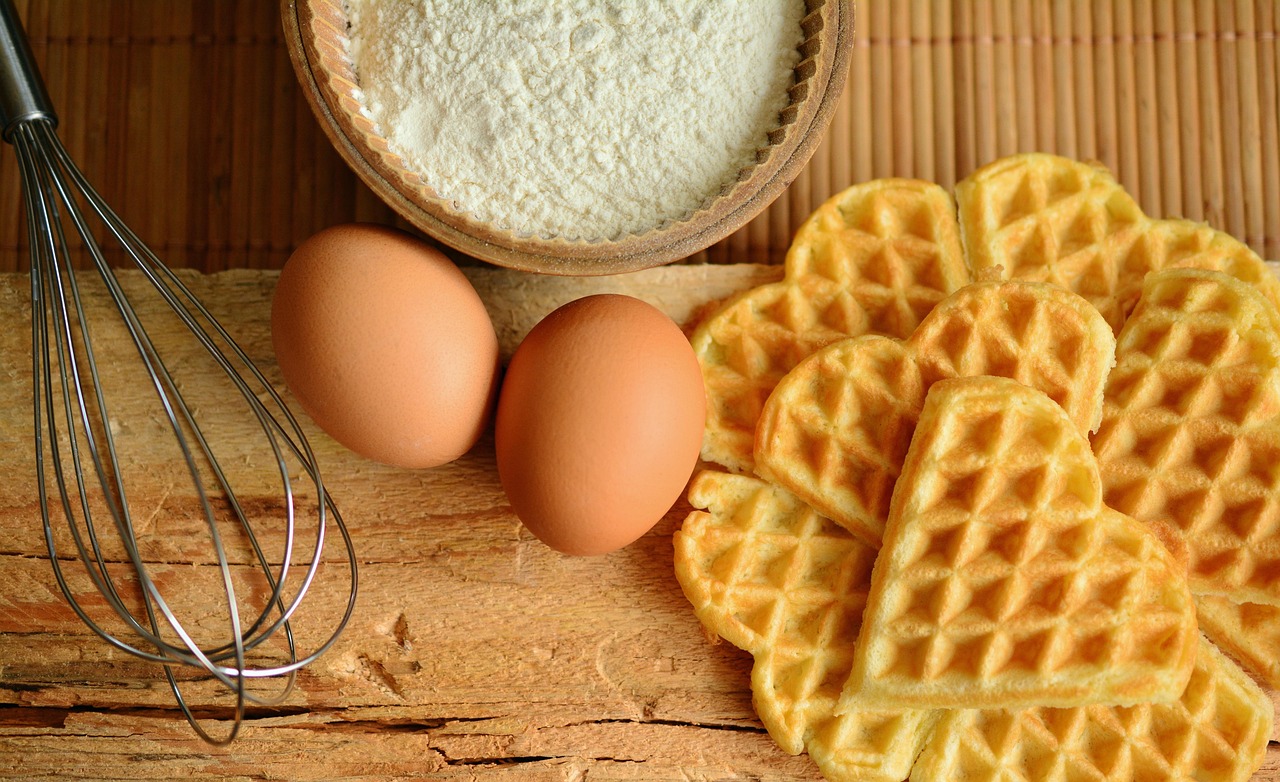
Texture softness is a fundamental concept when adapting baked goods for older adults. As the palate ages, sensitivity to chewiness and firmness diminishes, making overly crisp or dense items difficult to manage. Softness refers to the ease with which a product yields under gentle pressure, indicating a moist crumb and reduced resistance to bite. In practice, a muffin with a light, airy interior exemplifies the desired texture, allowing easy mastication without excessive force. Challenges arise when trying to maintain structural integrity while increasing softness; the use of additional moisture‑retaining agents must be balanced against the risk of a soggy product.
Moisture content directly influences texture, shelf life, and mouthfeel. Older adults often require higher moisture levels to prevent dryness, which can cause discomfort and hinder swallowing. Moisture is measured as a percentage of the total weight of the baked item. For example, a cake with 30 % moisture will feel more tender than one at 20 %. Practical applications include incorporating fruit purees, yogurt, or applesauce to boost moisture without adding excessive fat. The challenge lies in preventing over‑hydration that can lead to collapse during baking, requiring precise adjustments to flour ratios and leavening agents.
Mouthfeel sensory perception encompasses the overall tactile experience of eating, including smoothness, granularity, and temperature. For seniors, a smooth mouthfeel reduces the effort needed to form a cohesive bolus for swallowing. Ingredients such as finely ground almond flour or oat flour can improve mouthfeel by eliminating coarse particles. A practical example is replacing coarse cornmeal in a cornbread recipe with fine cornmeal, resulting in a less gritty texture. The difficulty is ensuring that the refined texture does not compromise flavor or nutritional value, especially when whole‑grain components are desired for added fiber.
Fiber dietary is essential for digestive health, yet its texture can be problematic for older adults if not properly integrated. Soluble fibers, like pectin from fruit or inulin from chicory root, dissolve into a gel that is gentle on the palate, whereas insoluble fibers may add a gritty sensation. A practical approach is to incorporate oat bran into a quick‑bread batter, providing soluble fiber while maintaining a soft crumb. The challenge is balancing fiber enrichment with the risk of a dense, heavy product that may be difficult to chew.
Protein enrichment supports muscle maintenance and immune function in the elderly. Adding protein to baked goods can be achieved through whey protein isolate, soy flour, or ground nuts. For instance, a slice of protein‑boosted banana bread can supply an additional 10 g of protein per serving. However, protein powders can alter the crumb structure, making it drier or more crumbly. The key is to adjust liquid components and possibly increase emulsifiers to retain moisture and prevent a dry mouthfeel.
Sodium reduction addresses hypertension concerns common in older populations. Lowering salt in recipes must be done carefully to avoid diminishing flavor. A practical method is to replace some sodium chloride with potassium chloride, which provides a salty taste with less impact on blood pressure. Additionally, herbs and spices can enhance flavor without added sodium. The challenge is that potassium chloride can impart a metallic aftertaste if used in excess, requiring careful titration and taste testing.
Sugar substitution is often necessary to manage blood glucose levels. Replacing sucrose with alternative sweeteners, such as stevia, erythritol, or monk fruit extract, can reduce caloric impact while maintaining sweetness. For example, a cinnamon roll recipe might use a blend of erythritol and a small amount of stevia to achieve desired sweetness. The difficulty lies in the fact that sugar contributes to browning, moisture retention, and texture; alternative sweeteners may not caramelize or retain moisture in the same way, necessitating adjustments in baking time, temperature, or the addition of moisture‑binding agents like glycerol.
Gluten free options cater to older adults with celiac disease or gluten sensitivity. Gluten provides elasticity and structure, so its absence requires substitutes that can mimic these properties. Xanthan gum, guar gum, or psyllium husk are common hydrocolloids used to create a cohesive batter. A practical example is a gluten‑free blueberry scone, where a combination of rice flour, almond flour, and ½ tsp xanthan gum yields a tender crumb. Challenges include preventing crumbly or overly rubbery textures, which can be mitigated by fine‑tuning the ratio of hydrocolloid to flour and ensuring adequate hydration.
Hydrocolloid function refers to the ability of substances like agar, carrageenan, and pectin to form gels and retain water. In bakery adaptations, hydrocolloids improve moisture retention and stabilize the crumb, which is especially valuable for low‑fat or low‑sugar formulations. For example, adding 0.5 % Agar to a low‑fat muffin can prevent excessive dryness. The main difficulty is that overuse can lead to a gummy, undesirable texture, so precise measurement and testing are essential.
Emulsifier role is to blend water and fat phases, creating a uniform batter that yields consistent crumb and moisture distribution. Common emulsifiers include lecithin, mono‑ and diglycerides, and sodium stearoyl lactylate. In recipes designed for seniors, emulsifiers help incorporate healthier fats, such as olive oil, without compromising texture. A practical case is a low‑saturated‑fat banana loaf where lecithin improves batter stability. Challenges involve ensuring the emulsifier level is not too high, which can cause a waxy mouthfeel.
Binding agents like eggs, flaxseed meal, or chia seeds are crucial for structural integrity, especially when reducing gluten or fat. Egg substitutes, such as a mixture of ¼ cup applesauce and 1 tbsp flaxseed gel, can provide the necessary binding while adding moisture. For example, a vegan almond cake might use flaxseed gel to replace eggs, resulting in a cohesive crumb. The challenge is that some binding agents may alter flavor or introduce a slight graininess, requiring careful selection and blending.
Portion size is a key consideration for older adults who may have reduced appetite or limited capacity for large meals. Standard bakery portions can be divided into smaller, bite‑sized servings to encourage consumption without overwhelming the diner. For instance, a 12‑inch loaf of whole‑grain bread can be sliced into 1‑inch pieces, each providing a manageable portion. The difficulty is maintaining nutritional adequacy in smaller servings; this can be addressed by fortifying each piece with protein or calcium.
Flavor enhancement techniques compensate for the diminished taste sensitivity that often accompanies aging. Using aromatic herbs, citrus zest, or natural extracts can amplify perceived flavor without increasing sodium or sugar. A practical example is adding a teaspoon of orange zest to a vanilla cake, creating a bright flavor profile that stimulates the palate. Challenges include avoiding overpowering flavors that may be off‑putting; balance is achieved through incremental additions and sensory testing.
Visual contrast aids in food recognition and appetite stimulation. Colorful ingredients, such as berries, carrot ribbons, or beet powder, create visual appeal and signal nutritional variety. For example, a mixed‑fruit muffin with blueberries, raspberries, and diced apricots offers a vibrant appearance that can encourage consumption. The obstacle is ensuring that added colorants do not introduce unwanted flavors or textures; natural pigments are preferred, and careful incorporation prevents bitterness.
Safety considerations encompass both preparation and consumption phases. For older adults, the risk of choking is heightened, making it essential to avoid hard, crumbly, or sticky foods. Baking methods that produce smooth, easy‑to‑chew items, such as steaming or low‑temperature baking, can reduce hazards. A practical scenario is preparing a steamed banana pudding instead of a traditional custard, yielding a soft, spoonable dessert. The challenge lies in maintaining flavor complexity while modifying cooking techniques to prioritize safety.
Digestibility optimisation focuses on making baked goods easier for the gastrointestinal system to process. This can be achieved by using pre‑digested starches, such as maltodextrin, or incorporating enzymes like amylase to break down complex carbohydrates. For instance, a slice of enzyme‑treated oat cookie can be gentler on digestion. The difficulty is that enzyme addition may affect dough development and final texture, requiring controlled amounts and thorough mixing.
Nutrient density refers to the concentration of essential vitamins and minerals per unit of food. Enhancing nutrient density in baked items ensures that seniors receive vital nutrients without needing large volumes. Fortification strategies include adding powdered calcium, vitamin D, or B‑complex vitamins directly to the batter. A practical example is a fortified rye bread that contains 200 mg calcium per slice. Challenges include maintaining flavor balance and preventing nutrient loss due to heat; encapsulated micronutrients can mitigate degradation during baking.
Allergen awareness is critical when designing recipes for a diverse elderly population. Common allergens such as nuts, dairy, and eggs must be identified and alternatives provided. For example, substituting dairy milk with oat milk in a scone recipe accommodates lactose intolerance while preserving moisture. The challenge is ensuring that replacements do not compromise structural integrity or flavor, which may require additional stabilizers or flavor enhancers.
Shelf‑life considerations address the need for products that remain safe and palatable over extended periods, especially for seniors who may shop infrequently. Techniques like reducing water activity through sugar or salt reduction, incorporating natural preservatives (e.G., Rosemary extract), and using airtight packaging can prolong freshness. A practical case is a low‑moisture banana nut muffin packaged in vacuum‑sealed bags, extending shelf life to three weeks. Challenges include balancing preservation methods with the desire for soft texture, often solved by adding moisture‑retaining agents that release water gradually.
Heat distribution affects crumb uniformity and crust formation. Older adults benefit from even heat that prevents overly crisp edges while ensuring a fully cooked interior. Using convection ovens with fan settings can promote uniform temperature, but may also dry out the product. A practical solution is to bake at a slightly lower temperature and extend the time, yielding a gentle rise and soft crust. The difficulty is calibrating time and temperature to avoid undercooking, which can pose food safety risks.
Crumb structure is the internal network of air pockets that defines the lightness of a baked good. Adjusting leavening agents, such as baking powder or yeast, influences crumb size and softness. For seniors, a fine, uniform crumb reduces the effort needed to break apart the product. For example, a cake with a fine crumb can be sliced easily without crumbling. Challenges include preventing the crumb from becoming too dense when reducing leavening to control rise, which can be mitigated by incorporating a small amount of cream of tartar to stabilize bubbles.
Fat substitution aims to lower saturated fat while preserving mouthfeel and moisture. Healthier fats like avocado puree, olive oil, or nut butters can replace butter or shortening. A practical illustration is using mashed avocado in place of butter in a chocolate brownie, delivering a moist texture with reduced saturated fat. The challenge is that some fats contribute to flakiness (as in pastry); when substituting, additional stabilizers or chilling steps may be necessary to achieve the desired layer separation.
Brittle avoidance is essential because overly crisp or hard textures can be hazardous for seniors with dental issues or reduced chewing ability. Adjusting sugar crystallization, reducing baking time, or adding moisture retainers can soften the final product. For instance, a shortbread cookie baked for a shorter period retains a tender bite rather than becoming hard. The difficulty is achieving the right balance between a pleasant snap and a safe, chewable texture, often resolved through careful monitoring of bake time and humidity levels.
Aeration technique introduces air into batter, contributing to a light, airy texture that reduces chewing effort. Methods include whisking eggs, creaming butter and sugar, or using beaten egg whites. In a senior‑friendly lemon cake, incorporating folded egg whites can produce a lofty crumb without excessive fat. The challenge is that over‑aeration can cause collapse, especially in low‑fat recipes, so gentle folding and precise timing are crucial.
Glycemic index measures how quickly carbohydrate foods raise blood glucose levels. For older adults with diabetes, selecting low‑GI ingredients helps maintain stable blood sugar. Replacing refined white flour with whole‑grain or almond flour lowers the GI. A practical example is a oat‑based muffin sweetened with a blend of low‑GI sweeteners, resulting in a slower glucose release. The challenge is that low‑GI flours may produce a denser crumb, requiring additional leavening or moisture adjustments to retain softness.
Hydration balance ensures that the batter contains sufficient liquid to support crumb softness while not becoming overly wet, which can cause spreading or collapse. Using ingredients like yogurt, buttermilk, or fruit juices adds both flavor and hydration. For a senior‑friendly cinnamon roll, a buttermilk base provides tenderness and a subtle tang. The difficulty lies in calibrating the liquid amount when incorporating high‑fiber ingredients that absorb more water; incremental adjustments and testing are necessary.
Crumble topping can add texture and flavor contrast, but must be designed to avoid hard, sharp pieces that could pose choking hazards. Fine, softened crumb toppings achieved by mixing butter, brown sugar, and finely ground oats create a gentle crunch. A practical scenario is a peach cobbler with a softened oat crumble that melts slightly during baking. The challenge is preventing the topping from becoming too hard; this can be managed by reducing baking temperature or adding a small amount of honey to retain moisture.
Sensory evaluation involves systematic testing of texture, flavor, aroma, and appearance to ensure that adaptations meet the needs of older adults. Panels often include seniors who provide feedback on chewability, sweetness, and overall acceptability. For example, a sensory panel may rate a fortified muffin on a scale of 1‑10 for softness, with a target score above 8. Challenges include variability in individual sensory perception; employing a larger panel and averaging results can yield more reliable data.
Fortification strategy incorporates additional nutrients into baked products without altering taste significantly. Adding calcium carbonate, iron chelate, or vitamin D drops during mixing can boost nutritional content. A fortified gingerbread cookie might deliver 15 % of the daily calcium requirement per serving. The difficulty is that some fortificants may cause discoloration or off‑flavors; encapsulation techniques and masking flavors can mitigate these issues.
Enzyme addition can improve dough handling and crumb softness. Amylases break down starches into simpler sugars, enhancing browning and moisture retention. In a senior‑friendly roll, a small amount of amylase can produce a tender interior and a golden crust. The challenge is controlling enzyme activity to avoid over‑breakdown, which can lead to overly sweet or sticky dough; precise dosing and temperature control are essential.
Flavor masking becomes necessary when fortifying with minerals that have metallic tastes, such as iron or zinc. Natural flavor extracts, vanilla, or spices can conceal these notes. For instance, adding cinnamon and nutmeg to an iron‑fortified oat bar can mask any metallic aftertaste. The difficulty is ensuring that masking agents do not dominate the flavor profile; balanced use of complementary spices achieves concealment without overpowering.
Moisture‑migration describes the movement of water from the interior of a baked product to its surface, often leading to a dry interior and soggy crust. Controlling migration is vital for maintaining consistent texture throughout the shelf life. Incorporating humectants like glycerol or honey can reduce migration by binding water within the crumb. A practical example is a honey‑sweetened banana bread that remains moist for several days. Challenges include managing the impact of humectants on sweetness and browning; adjusting sugar levels and baking temperature can counteract excessive caramelization.
Shelf‑stable ingredients such as powdered milk, dried fruit, and instant leavening agents ensure that recipes can be prepared with minimal fresh supplies, beneficial for seniors with limited grocery access. Using powdered milk in a biscuit mix provides calcium and creaminess without refrigeration. The challenge is ensuring that rehydration yields the intended texture; recommended soaking times and warm water can improve results.
Viscosity control in batter influences how well ingredients are incorporated and how the final product rises. Too high viscosity can impede leavening gases, resulting in a dense crumb, while too low viscosity may cause spreading. Adjusting the ratio of liquid to dry ingredients, or adding thickeners like xanthan gum, helps achieve the desired consistency. For a senior‑friendly pancake batter, a medium viscosity allows easy pouring and a fluffy texture. The difficulty is that viscosity is affected by temperature and ingredient interactions; trial batches and rheological testing guide precise formulation.
Thermal stability of nutrients is crucial when baking, as heat can degrade vitamins such as vitamin C and some B‑vitamins. Selecting heat‑stable forms, like ascorbic acid for vitamin C or encapsulated B‑vitamins, preserves nutritional value. A fortified muffin enriched with encapsulated vitamin C retains its potency after baking at 350 °F. The challenge is that encapsulated nutrients may affect texture if not evenly dispersed; thorough mixing and appropriate particle size selection mitigate this issue.
Digestive enzyme supplementation, like adding lactase to dairy‑based recipes, assists seniors with lactose intolerance. Incorporating lactase directly into a cream cheese frosting allows the consumer to enjoy the product without discomfort. Practical application includes a lactase‑treated cheesecake that is safe for lactose‑sensitive individuals. The difficulty is ensuring enzyme activity throughout processing; adding the enzyme after heating, during cooling, preserves its functionality.
Palatability enhancement addresses the overall acceptability of flavor, texture, and aroma, which may decline with age. Using umami‑rich ingredients such as miso, nutritional yeast, or aged cheese can boost flavor perception without adding salt. A senior‑friendly savory muffin might include a tablespoon of nutritional yeast to impart a cheesy note. The challenge is avoiding overly strong flavors that could overwhelm the palate; incremental additions and taste testing ensure balanced enhancement.
Carbohydrate complexity influences energy release and satiety. Replacing simple sugars with complex carbohydrates like whole‑grain flours yields slower energy release, beneficial for glucose management. An example is a whole‑grain cinnamon roll made with spelt flour, offering sustained energy. The challenge is that whole‑grain flours can produce a heavier texture; incorporating lightening agents such as whipped egg whites or a small amount of refined flour can improve crumb softness.
Fat emulsion stability is essential for maintaining consistent texture, especially when using liquid oils instead of solid fats. Emulsifiers like lecithin help disperse oil droplets evenly throughout the batter, preventing oil separation and soggy crusts. A practical case is a low‑saturated‑fat muffin where olive oil is stabilized with lecithin to produce a moist crumb. The difficulty is that over‑emulsification can lead to a gummy texture; precise measurement of emulsifier quantity ensures optimal stability without adverse mouthfeel.
Cheese integration adds protein and flavor, but must be managed to avoid hard, stringy textures that challenge chewing. Using soft cheeses like ricotta or cottage cheese provides a creamy mouthfeel. For instance, a ricotta‑filled pastry offers a smooth interior that is easy to swallow. The challenge lies in preventing moisture loss during baking; sealing the pastry edges or baking at a lower temperature can preserve moisture.
Nutrient bioavailability refers to the proportion of a nutrient that is absorbed and utilized by the body. Factors such as phytate content in whole grains can inhibit mineral absorption. Techniques like soaking, fermenting, or adding acidic ingredients (e.G., Lemon juice) can enhance bioavailability. A practical example is a fermented oat batter for pancakes, which reduces phytate levels and improves calcium absorption. The difficulty is that fermentation adds time and complexity; controlled starter cultures and timed processes simplify implementation.
Portion control devices, such as pre‑measured batter cups or single‑serve molds, help seniors manage intake without excessive effort. Using a silicone muffin pan that produces uniform, bite‑size portions ensures consistent nutrition per serving. The challenge is that portion control must still meet caloric and nutrient needs; fortifying each mini‑portion appropriately addresses this requirement.
Taste modulation involves adjusting the balance of sweet, salty, sour, bitter, and umami to compensate for age‑related taste changes. Adding a pinch of sea salt can enhance sweetness perception, while a dash of lemon juice can brighten flavors. A senior‑friendly shortbread cookie may include a small amount of lemon zest to accentuate the buttery taste. The difficulty is achieving the right balance without exceeding dietary restrictions; systematic tasting and incremental adjustments guide optimal formulation.
Acidity adjustment can improve flavor perception and aid in digestion. Incorporating mild acids like apple cider vinegar or yogurt can create a pleasant tang that stimulates the palate. For example, a yogurt‑based cake adds a subtle sour note that enhances overall flavor. The challenge is preventing excessive acidity, which can cause gum irritation; careful measurement and taste testing ensure a gentle, beneficial level.
Texture modifiers such as maltodextrin, gelatin, or pectin can be added to fine‑tune mouthfeel. Maltodextrin can increase bulk without adding sweetness, while gelatin provides a smooth, melt‑in‑the‑mouth sensation. A senior‑friendly dessert may use gelatin to create a soft, jiggly custard that is easy to swallow. The difficulty lies in ensuring that modifiers do not interfere with the product’s structural integrity; appropriate ratios and proper setting temperatures are essential.
Sugar reduction strategies aim to lower overall sweetness while maintaining palatability. Techniques include using natural fruit purees for sweetness, employing spices like cinnamon to create a perception of sweetness, or using caramelized sugar for depth. A practical example is a pumpkin loaf sweetened with applesauce and a dash of cinnamon, achieving a sweet flavor without added sucrose. The challenge is that reducing sugar can affect browning and moisture; compensating with moisture retainers or adjusting bake time preserves quality.
Micronutrient targeting focuses on delivering specific vitamins and minerals essential for senior health, such as vitamin B12, vitamin D, and calcium. Incorporating fortified ingredients, like calcium‑enriched flour or B12‑fortified yeast, ensures these nutrients are present in each serving. For instance, a fortified whole‑grain muffin can provide 20 % of the daily vitamin D requirement. The difficulty is maintaining stability of sensitive micronutrients during baking; using encapsulated forms or adding nutrients after baking (e.G., As a glaze) helps preserve potency.
Digestive comfort is enhanced by incorporating prebiotic fibers like inulin, which support gut health and improve stool regularity. Adding a tablespoon of inulin to a banana bread increases fiber without altering texture significantly. The challenge is that excessive inulin can cause gas; gradual incorporation and monitoring of tolerance levels are recommended.
Ingredient substitution strategies enable flexibility for seniors with dietary restrictions. Replacing wheat flour with oat flour for gluten‑free needs, or using almond milk instead of cow’s milk for lactose intolerance, exemplifies this approach. A practical scenario is a gluten‑free blueberry muffin using a blend of oat and rice flours, delivering comparable texture. The difficulty is that each substitution may affect flavor, texture, or moisture; systematic testing and adjustment of liquid ratios ensure satisfactory outcomes.
Baking temperature modulation helps achieve desired texture without over‑drying. Lower temperatures with longer bake times can produce a softer crust, beneficial for seniors who need easy‑to‑chew products. For example, baking a loaf at 325 °F for 45 minutes yields a tender crust compared to a higher temperature, shorter bake. The challenge is ensuring the interior reaches safe internal temperatures; using a food thermometer to verify doneness mitigates food safety concerns.
Moisture retention agents such as glycerol, honey, or sorbitol help keep baked goods from drying out during storage. Adding a tablespoon of honey to a muffin batter not only sweetens but also binds water, extending freshness. The difficulty is that some humectants can increase sweetness or cause browning; balancing the amount and pairing with low‑sweetness ingredients maintains overall flavor harmony.
Texture assessment tools, like a penetrometer or simple finger test, allow bakers to quantify softness and ensure consistency across batches. For senior‑focused products, a target penetrometer reading can be established to guarantee an acceptable level of softness. The challenge is that equipment may not be readily available in all settings; training on tactile assessment provides a practical alternative.
Flavor profile development involves layering taste components to create a harmonious product that appeals to older adults. Combining sweet (fruit), salty (a pinch of sea salt), and umami (nutritional yeast) elements can enhance overall enjoyment. A senior‑friendly savory muffin might include caramelized onions, a dash of sea salt, and a sprinkle of nutritional yeast for depth. The difficulty is balancing these components without exceeding dietary restrictions; careful portioning and taste testing guide successful formulation.
Nutrient interactions must be considered, as certain ingredients can inhibit or enhance the absorption of others. For example, calcium can interfere with iron absorption; thus, separating fortified calcium sources from iron‑rich components in the same meal may be advisable. In a fortified breakfast pastry, placing calcium‑rich dairy on one side and iron‑fortified flour on the other reduces competition. The challenge is designing recipes that minimize negative interactions while still delivering a nutritionally dense product.
Shelf‑life testing involves monitoring product quality over time under various storage conditions. For senior‑friendly baked goods, testing at room temperature, refrigeration, and frozen states ensures that texture and flavor remain acceptable. A practical protocol includes weekly sensory evaluation for up to four weeks. Challenges include accounting for individual variation in storage environments; using controlled climate chambers can standardize testing conditions.
Portion standardization ensures that each serving delivers consistent nutrient amounts, crucial for seniors who may be on prescribed diets. Using calibrated scoops or measuring cups during production guarantees uniformity. For example, a 30‑gram muffin portion can be designed to contain 5 g of protein and 200 mg calcium. The difficulty is maintaining consistency across large batches; implementing batch‑by‑batch weight checks mitigates variability.
Viscosity modifiers such as xanthan gum or guar gum can enhance batter stability, preventing separation of liquids and solids. In a low‑fat cake batter, a small amount of xanthan gum helps retain moisture and maintain a smooth texture. The challenge is avoiding excessive thickening, which can lead to a gummy mouthfeel; precise measurement and thorough mixing are essential.
Texture gradation refers to designing a product with varying textures within the same item, such as a soft interior with a slightly firmer exterior, to provide sensory interest without compromising safety. A senior‑friendly croissant may have a tender crumb while retaining a lightly crisp edge. The difficulty is achieving the right balance; adjusting bake time and using a steam‑injected oven can create a subtle contrast.
Flavor intensity may need to be amplified for older adults due to reduced taste bud sensitivity. Using concentrated extracts, such as vanilla bean paste or citrus oil, can intensify flavor without adding bulk. A practical example is adding a few drops of orange oil to a banana bread to boost aroma. The challenge is preventing overpowering flavors; incremental addition and regular tasting ensure appropriate intensity.
Moisture migration control can be achieved by layering ingredients with differing water activities, such as placing a moist fruit layer beneath a drier crumb, which helps retain overall product juiciness. A senior‑friendly fruit tart might feature a moist berry compote under a lightly crisp crust, balancing moisture distribution. The difficulty lies in predicting how water will move over time; testing under real‑world storage conditions informs adjustments.
Digestibility enhancement can be pursued by pre‑cooking grains or using sprouted flour, which reduces antinutrients and improves nutrient availability. Sprouted wheat flour in a muffin reduces phytic acid, enhancing mineral absorption. The challenge is that sprouted flours may have a shorter shelf life; storing in airtight containers and using within a limited timeframe preserves quality.
Allergen management involves clear labeling, cross‑contamination prevention, and offering alternative recipes. For seniors with nut allergies, substituting sunflower seed butter for peanut butter provides a safe option while maintaining a similar texture. The difficulty is ensuring that all equipment and surfaces are thoroughly cleaned to avoid accidental exposure; implementing strict sanitation protocols addresses this concern.
Nutrient profile optimization balances macronutrients—carbohydrates, proteins, and fats—to meet the specific energy needs of older adults, who may require higher protein and moderate carbohydrate intake. A fortified granola bar designed with a 30 % protein, 45 % carbohydrate, and 25 % fat split supports muscle maintenance and steady energy. The challenge is achieving this balance without compromising taste; careful selection of protein isolates and natural sweeteners helps maintain palatability.
Heat transfer methods, such as using a water bath (bain‑marie), can provide gentle, even cooking, preserving moisture and preventing harsh crust formation. Baking a custard in a water bath yields a smooth, delicate texture suitable for seniors with swallowing difficulties. The difficulty is that water baths increase cooking time and require additional equipment; adapting recipes to conventional ovens with reduced temperature and added moisture can approximate the same effect.
Shelf‑stable packaging, like vacuum‑sealed bags or moisture‑proof containers, extends product freshness and reduces waste, which is valuable for seniors with limited shopping trips. Packaging a batch of fortified biscuits in airtight containers maintains crispness for weeks. The challenge is ensuring that packaging materials are easy to open; incorporating easy‑pull tabs or resealable zippers improves accessibility.
Flavor pairing utilizes complementary tastes to create a satisfying experience without relying on excess sugar or salt. Pairing sweet banana with subtle spice such as cardamom adds depth while keeping overall sweetness low. A senior‑friendly banana‑cardamom muffin illustrates this principle. The challenge is avoiding flavor clashes; testing combinations in small batches helps identify harmonious pairings.
Moisture balance is critical when substituting high‑moisture ingredients like pumpkin puree for oil. Pumpkin puree reduces fat content while adding moisture, but may require additional leavening to achieve proper rise. A practical example is a pumpkin muffin with reduced oil, where extra baking powder compensates for the denser batter. The difficulty is preventing a heavy crumb; adjusting flour ratios and incorporating egg whites can lighten the texture.
Nutrient density enhancement through ingredient selection, such as using fortified whole‑grain flour, ensures that each bite delivers essential vitamins and minerals. A fortified whole‑grain pancake mix can provide calcium, iron, and B‑vitamins per serving. The challenge lies in preserving flavor; masking agents like vanilla extract can conceal any metallic taste from fortificants.
Digestibility support includes adding probiotic cultures to baked goods, which can survive mild baking temperatures and promote gut health. Incorporating freeze‑dried probiotic powder into a muffin batter before baking can deliver beneficial bacteria. The difficulty is that high temperatures can reduce probiotic viability; applying the probiotic after the final bake, as a drizzle, preserves activity while still integrating into the product.
Texture softening agents, such as short‑chain fatty acids (e.G., Butyrate), can improve mouthfeel in gluten‑free breads, making them less crumbly. Adding a small amount of butyrate to a rice‑based loaf yields a softer crumb. The challenge is ensuring that these agents do not affect flavor negatively; sensory testing confirms acceptability.
Flavor complexity can be achieved by layering spices and aromatics, providing depth without reliance on excessive sugar or salt. A senior‑friendly spice cake incorporating ginger, cinnamon, and a hint of clove offers a warm, nuanced palate. The difficulty is preventing spice overload; measuring each spice precisely and tasting during development maintains balance.
Moisture binding through ingredients like soy lecithin helps retain water within the crumb, extending freshness. Adding soy lecithin to a muffin batter improves moisture retention over several days. The challenge is ensuring that lecithin does not impart a bitter aftertaste; using high‑quality, neutral‑flavor lecithin mitigates this risk.
Nutrient synergy refers to the enhanced absorption that occurs when certain nutrients are consumed together, such as vitamin C improving iron uptake. Designing a berry‑infused oatmeal cookie that includes both iron‑fortified flour and vitamin‑C‑rich dried cranberries leverages this synergy. The difficulty is balancing ingredient ratios to achieve desired nutrient levels without compromising texture; iterative testing refines the formula.
Digestive comfort can be further enhanced by incorporating ginger, which has natural anti‑nausea properties. Adding powdered ginger to a gingerbread cookie not only provides flavor but also supports digestive ease for seniors prone to mild stomach upset. The challenge is that ginger can be pungent; limiting the amount to a teaspoon per batch achieves a gentle effect.
Allergen free formulations, such as dairy‑free or egg‑free versions, broaden accessibility for seniors with specific sensitivities. Using coconut milk instead of dairy and aquafaba as an egg replacer creates a moist, airy cake without triggering common allergens. The difficulty is replicating the structure provided by eggs; combining aquafaba with a small amount of xanthan gum can mimic the foaming and binding properties needed for a stable crumb.
Texture uniformity ensures consistent chewing effort across each bite, reducing the risk of unexpected hard spots that could cause discomfort. Uniform mixing techniques, such as using a stand mixer on low speed, help achieve even distribution of ingredients. A practical example is a well‑mixed pumpkin muffin where each slice offers the same soft texture. The challenge is that over‑mixing can develop gluten, leading to toughness; stopping mixing once ingredients are just combined preserves tenderness.
Flavor intensity can be heightened through Maillard browning, which adds depth without added sugar. Baking at slightly higher temperatures for a short period creates a golden crust that imparts a richer taste. For seniors, a lightly browned top on a muffin provides visual appeal and flavor without increasing sweetness. The difficulty is preventing over‑browning, which can lead to bitterness; monitoring color and adjusting bake time ensures optimal results.
Moisture content measurement using a hygrometer or oven‑dry method provides precise data for recipe adjustments. Knowing the exact moisture percentage allows bakers to fine‑tune formulations for the desired softness. For instance, a target moisture level of 28 % in a biscuit ensures a tender bite. The challenge is that moisture levels can fluctuate with ingredient variability; standardizing ingredient sourcing minimizes inconsistencies.
Key takeaways
- Challenges arise when trying to maintain structural integrity while increasing softness; the use of additional moisture‑retaining agents must be balanced against the risk of a soggy product.
- The challenge lies in preventing over‑hydration that can lead to collapse during baking, requiring precise adjustments to flour ratios and leavening agents.
- The difficulty is ensuring that the refined texture does not compromise flavor or nutritional value, especially when whole‑grain components are desired for added fiber.
- Soluble fibers, like pectin from fruit or inulin from chicory root, dissolve into a gel that is gentle on the palate, whereas insoluble fibers may add a gritty sensation.
- The key is to adjust liquid components and possibly increase emulsifiers to retain moisture and prevent a dry mouthfeel.
- A practical method is to replace some sodium chloride with potassium chloride, which provides a salty taste with less impact on blood pressure.
- Replacing sucrose with alternative sweeteners, such as stevia, erythritol, or monk fruit extract, can reduce caloric impact while maintaining sweetness.