
Broadcast Systems Engineering
Broadcast Systems Engineering is a field that involves the design, installation, and maintenance of equipment and systems used in the broadcasting industry. In this postgraduate certificate program, students will learn about the key terms a…
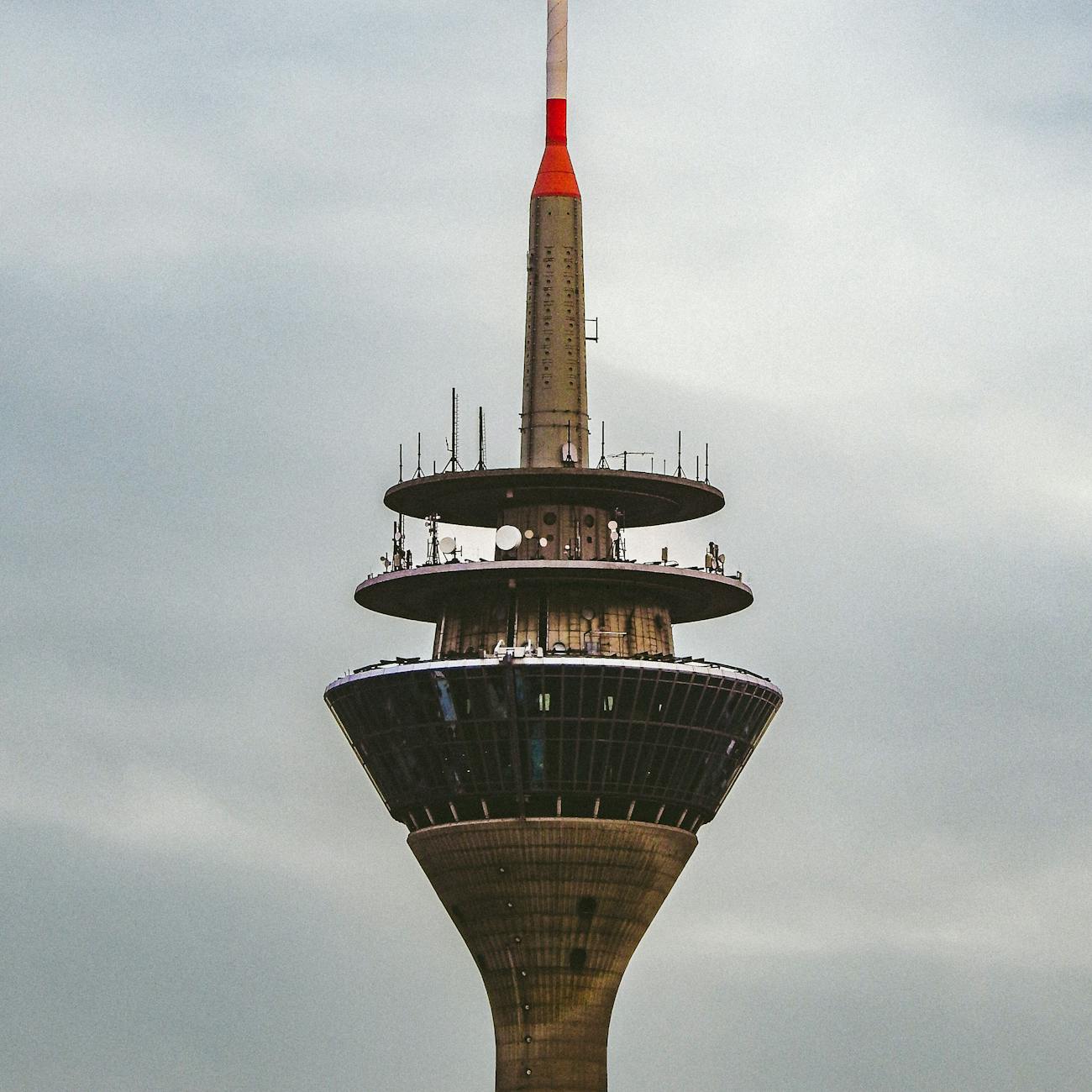
Broadcast Systems Engineering is a field that involves the design, installation, and maintenance of equipment and systems used in the broadcasting industry. In this postgraduate certificate program, students will learn about the key terms and vocabulary used in this field.
1. Modulation: Modulation is the process of varying one or more characteristics of a carrier signal to convey information. In broadcasting, amplitude modulation (AM) and frequency modulation (FM) are commonly used. AM varies the amplitude of the carrier signal, while FM varies the frequency. 2. Carrier signal: A carrier signal is a high-frequency wave that is used to transmit information in broadcasting. The information is superimposed on the carrier signal through a process called modulation. 3. Baseband signal: A baseband signal is a signal that contains the original information to be transmitted. It is usually a low-frequency signal that is modulated onto a carrier signal for transmission. 4. Bandwidth: Bandwidth refers to the difference between the upper and lower frequencies of a signal or system. In broadcasting, bandwidth is an important consideration because it determines the amount of information that can be transmitted. 5. Frequency response: Frequency response refers to the way in which a system or component responds to different frequencies. In broadcasting, a system with a wide frequency response can handle a larger range of frequencies. 6. Noise: Noise is any unwanted signal that interferes with the desired signal. Noise can come from a variety of sources, including electronic devices, atmospheric conditions, and interference from other signals. 7. Signal-to-noise ratio: Signal-to-noise ratio (SNR) is a measure of the strength of the desired signal relative to the noise. A higher SNR means that the desired signal is stronger and less affected by noise. 8. Compression: Compression is the process of reducing the dynamic range of a signal. In broadcasting, compression is used to make quiet sounds louder and loud sounds quieter, which can improve the overall quality of the audio. 9. Expansion: Expansion is the opposite of compression. It is the process of increasing the dynamic range of a signal. 10. Equalization: Equalization is the process of adjusting the frequency response of a system or component. In broadcasting, equalization is used to adjust the tone of the audio. 11. Limiter: A limiter is a device that limits the amplitude of a signal. In broadcasting, limiters are used to prevent overmodulation, which can cause distortion. 12. Automatic gain control: Automatic gain control (AGC) is a feedback system that adjusts the gain of a signal to maintain a constant level. In broadcasting, AGC is used to maintain a consistent volume level. 13. Synchronization: Synchronization is the process of ensuring that two or more signals are in phase with each other. In broadcasting, synchronization is important for maintaining the quality of the video and audio signals. 14. Time division multiplexing: Time division multiplexing (TDM) is a technique used to transmit multiple signals over a single channel. In TDM, each signal is given a specific time slot to transmit its data. 15. Frequency division multiplexing: Frequency division multiplexing (FDM) is a technique used to transmit multiple signals over a single channel. In FDM, each signal is assigned a specific frequency range to transmit its data. 16. Digital modulation: Digital modulation is the process of modulating a digital signal onto a carrier signal. In digital modulation, the digital signal is represented by a series of pulses, which are used to modulate the carrier signal. 17. Quadrature amplitude modulation: Quadrature amplitude modulation (QAM) is a type of digital modulation that combines amplitude modulation and phase modulation. QAM is used to transmit digital data over cable and satellite systems. 18. Phase-shift keying: Phase-shift keying (PSK) is a type of digital modulation that uses changes in phase to represent digital data. PSK is used in wireless systems, such as Wi-Fi and cellular networks. 19. Frequency hopping: Frequency hopping is a technique used in wireless systems to avoid interference. In frequency hopping, the system rapidly switches between different frequencies to transmit data. 20. Spread spectrum: Spread spectrum is a technique used in wireless systems to increase the security and reliability of the transmission. In spread spectrum, the signal is spread over a wide frequency range, making it harder to intercept. 21. Multipath: Multipath is a phenomenon that occurs in wireless systems when the signal takes multiple paths to reach the receiver. Multipath can cause interference and distortion of the signal. 22. Diversity reception: Diversity reception is a technique used in wireless systems to improve reception. In diversity reception, multiple antennas are used to receive the signal, and the best signal is selected for transmission. 23. Synchronous detection: Synchronous detection is a technique used to detect and demodulate signals. In synchronous detection, the local oscillator is synchronized with the carrier signal to recover the original baseband signal. 24. Asynchronous detection: Asynchronous detection is a technique used to detect and demodulate signals. In asynchronous detection, the local oscillator is not synchronized with the carrier signal, and the original baseband signal is recovered through other means. 25. Automatic frequency control: Automatic frequency control (AFC) is a feedback system that adjusts the frequency of a signal to maintain synchronization. In broadcasting, AFC is used to maintain the frequency of a signal during transmission. 26. Automatic phase control: Automatic phase control (APC) is a feedback system that adjusts the phase of a signal to maintain synchronization. In broadcasting, APC is used to maintain the phase of a signal during transmission. 27. Playout automation: Playout automation is a system used in broadcasting to automate the process of playing out content. In playout automation, the system controls the playback of content, including scheduling, playlist management, and playout. 28. Channel branding: Channel branding is the process of creating a visual identity for a broadcast channel. Channel branding includes the design of the logo, graphics, and on-air presentation. 29. Streaming: Streaming is the process of transmitting audio and video content over the internet in real-time. Streaming allows users to watch and listen to content without downloading it first. 30. Cloud computing: Cloud computing is the use of remote servers to store, manage, and process data. In broadcasting, cloud computing is used to store and manage content, as well as to provide hosting and delivery services.
Challenges:
1. Understanding the technical terms and concepts used in broadcast systems engineering is essential for success in this field. 2. Keeping up with the latest technologies and trends in broadcasting is a challenge for professionals in this field. 3. Ensuring the quality of the signal during transmission is critical in broadcasting, and engineers must be skilled in troubleshooting and problem-solving. 4. Working with a variety of equipment and systems can be challenging, and engineers must be able to adapt to new technologies quickly. 5. Collaborating with other professionals, such as producers, directors, and editors, requires strong communication and teamwork skills.
Examples:
1. A broadcast engineer might use modulation techniques to transmit audio and video signals over the airwaves. 2. Compression and equalization are used to improve the quality of audio signals during transmission. 3. Digital modulation techniques, such as QAM and PSK, are used in cable and satellite systems to transmit digital data. 4. Diversity reception and synchronous detection are used in wireless systems to improve reception and reduce interference. 5. Playout automation systems are used in broadcasting to automate the playback of content, including scheduling and playlist management.
Practical applications:
1. Designing and installing broadcast systems for radio and television stations. 2. Maintaining and repairing equipment and systems used in broadcasting. 3. Troubleshooting and problem-solving to ensure the quality of the signal during transmission. 4. Collaborating with other professionals to create and deliver content. 5. Staying up-to-date with the latest technologies and trends in
Key takeaways
- Broadcast Systems Engineering is a field that involves the design, installation, and maintenance of equipment and systems used in the broadcasting industry.
- Quadrature amplitude modulation: Quadrature amplitude modulation (QAM) is a type of digital modulation that combines amplitude modulation and phase modulation.
- Ensuring the quality of the signal during transmission is critical in broadcasting, and engineers must be skilled in troubleshooting and problem-solving.
- Playout automation systems are used in broadcasting to automate the playback of content, including scheduling and playlist management.
- Troubleshooting and problem-solving to ensure the quality of the signal during transmission.