
Aquatic Habitat Restoration and Conservation
Aquatic habitat restoration and conservation involve a range of activities and strategies aimed at preserving and enhancing the natural environments of aquatic ecosystems. A key term in this context is ecosystem services, which refers to th…
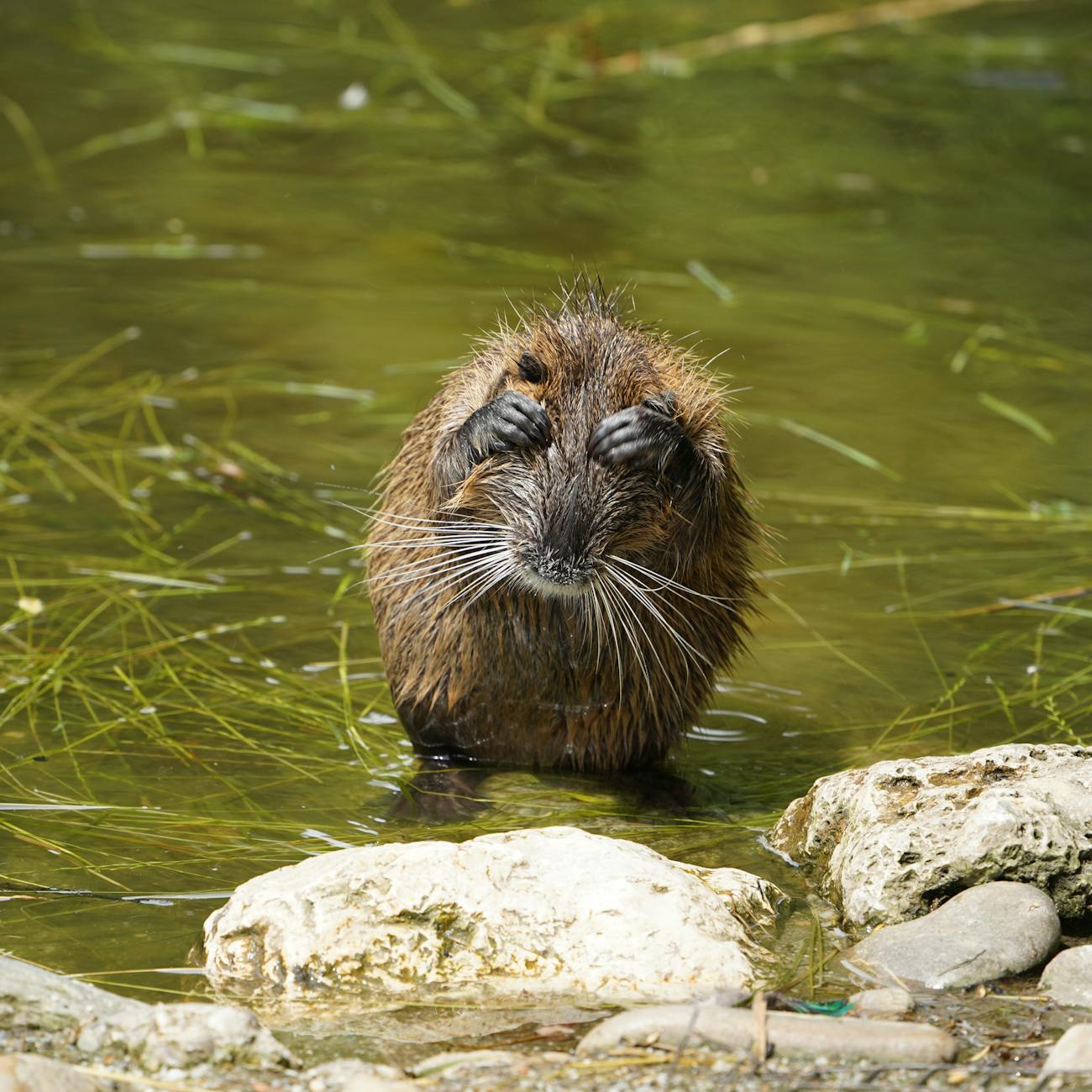
Aquatic habitat restoration and conservation involve a range of activities and strategies aimed at preserving and enhancing the natural environments of aquatic ecosystems. A key term in this context is ecosystem services, which refers to the benefits that humans derive from functioning aquatic ecosystems, including water filtration, shoreline stabilization, and habitat provision for aquatic species. Understanding the complex interactions within aquatic ecosystems is crucial for developing effective restoration and conservation plans.
One of the primary goals of aquatic habitat restoration is to enhance biodiversity, which is the variety of different species of plants, animals, and microorganisms that live in an ecosystem. Habitat restoration involves the reintroduction of native species, the removal of invasive species, and the rehabilitation of degraded habitats. For example, the restoration of wetlands can involve the reintroduction of native vegetation, such as marsh grasses and aquatic plants, to provide habitat for aquatic species.
Aquatic habitat restoration also involves the restoration of hydrological processes, which refer to the movement and distribution of water within an ecosystem. This can involve the removal of dams, the restoration of natural flow regimes, and the creation of artificial wetlands to mimic natural hydrological processes. For instance, the restoration of a riverine ecosystem may involve the removal of a dam to restore the natural flow of water and sediment downstream.
Another important concept in aquatic habitat restoration is ecological connectivity, which refers to the ability of species to move freely within an ecosystem. Ecological connectivity is critical for maintaining healthy populations of aquatic species, as it allows them to migrate, disperse, and interact with other species. Habitat fragmentation, which occurs when habitats are broken up into smaller patches, can disrupt ecological connectivity and have negative impacts on aquatic species.
In addition to restoring ecological connectivity, aquatic habitat restoration also involves the management of invasive species, which are non-native species that can outcompete native species for resources and habitat. Invasive species can have significant impacts on aquatic ecosystems, including the alteration of food webs and the disruption of ecosystem processes. For example, the introduction of zebra mussels to the Great Lakes has had significant impacts on the ecosystem, including the alteration of water chemistry and the disruption of native species populations.
Aquatic habitat restoration also involves the restoration of water quality, which is critical for maintaining healthy aquatic ecosystems. Water pollution can have significant impacts on aquatic species, including the alteration of physiological processes and the disruption of ecosystem functions. For instance, the release of nutrients into aquatic ecosystems can lead to the growth of algae, which can deplete oxygen levels and harm aquatic species.
The restoration of aquatic habitats also requires an understanding of geological processes, which refer to the formation and alteration of the Earth's crust. Geological processes, such as erosion and deposition, can have significant impacts on aquatic ecosystems, including the creation of new habitats and the alteration of existing ones. For example, the formation of deltaic deposits can create new habitats for aquatic species, while the erosion of shorelines can lead to the loss of habitat and the disruption of ecosystem processes.
Furthermore, aquatic habitat restoration involves the consideration of climate change, which is altering the environmental conditions of aquatic ecosystems. Climate change can have significant impacts on aquatic species, including the alteration of temperature and precipitation patterns, and the disruption of ecosystem processes. For instance, the warming of water temperatures can lead to the growth of invasive species, while changes in precipitation patterns can alter the hydrological processes of aquatic ecosystems.
In terms of practical applications, aquatic habitat restoration can involve a range of techniques, including the use of native species, the creation of artificial habitats, and the restoration of natural processes. For example, the restoration of a wetland ecosystem may involve the reintroduction of native vegetation, the creation of artificial ponds, and the restoration of natural hydrological processes. Aquatic habitat restoration can also involve the use of ecological engineering techniques, such as the creation of artificial reefs or the restoration of natural shorelines.
However, aquatic habitat restoration also faces a range of challenges, including the lack of funding, the complexity of ecosystem processes, and the presence of invasive species. Additionally, aquatic habitat restoration often requires the coordination of multiple stakeholders, including government agencies, non-profit organizations, and local communities. This can be a challenging process, as different stakeholders may have different goals and objectives for the restoration project.
Despite these challenges, aquatic habitat restoration is a critical component of conservation efforts, as it can help to maintain healthy populations of aquatic species, preserve ecosystem function, and provide benefits to human communities. For example, the restoration of a coastal ecosystem can provide shoreline protection, maintain water quality, and support commercial fisheries. Additionally, aquatic habitat restoration can also provide opportunities for recreation and tourism, which can support local economies and promote the appreciation of aquatic ecosystems.
In addition to the restoration of aquatic habitats, conservation efforts also involve the protection of endangered species, which are species that are at risk of extinction due to habitat loss, pollution, or other human activities. The protection of endangered species can involve a range of strategies, including the creation of protected areas, the regulation of hunting and fishing practices, and the restoration of habitat quality. For instance, the protection of sea turtles may involve the creation of marine protected areas, the regulation of fishing gear, and the restoration of beach habitats.
The conservation of aquatic ecosystems also requires an understanding of human impacts, which can include the alteration of land use patterns, the release of pollutants, and the disruption of ecosystem processes. For example, the alteration of land use patterns, such as the conversion of natural habitats to agricultural land, can lead to the loss of biodiversity and the disruption of ecosystem function. Additionally, the release of pollutants, such as nutrients and sediments, can alter water quality and harm aquatic species.
Furthermore, the conservation of aquatic ecosystems involves the consideration of policy and management frameworks, which can include laws, regulations, and guidelines for the protection of aquatic ecosystems. For instance, the Endangered Species Act in the United States provides a framework for the protection of endangered species, while the Convention on International Trade in Endangered Species of Wild Fauna and Flora (CITES) regulates the international trade of endangered species.
In terms of practical applications, the conservation of aquatic ecosystems can involve a range of techniques, including the use of ecological monitoring, the creation of conservation plans, and the implementation of management strategies. For example, the conservation of a coral reef ecosystem may involve the monitoring of water quality, the creation of a conservation plan, and the implementation of management strategies to reduce pollution and protect habitat quality.
However, the conservation of aquatic ecosystems also faces a range of challenges, including the lack of funding, the complexity of ecosystem processes, and the presence of invasive species. Additionally, the conservation of aquatic ecosystems often requires the coordination of multiple stakeholders, including government agencies, non-profit organizations, and local communities. This can be a challenging process, as different stakeholders may have different goals and objectives for the conservation project.
Despite these challenges, the conservation of aquatic ecosystems is a critical component of environmental protection efforts, as it can help to maintain healthy populations of aquatic species, preserve ecosystem function, and provide benefits to human communities. For example, the conservation of a river ecosystem can provide water filtration, maintain shoreline stability, and support commercial fisheries. Additionally, the conservation of aquatic ecosystems can also provide opportunities for recreation and tourism, which can support local economies and promote the appreciation of aquatic ecosystems.
The restoration and conservation of aquatic ecosystems also involve the consideration of traditional knowledge, which refers to the knowledge and practices of indigenous communities that have been passed down through generations. Traditional knowledge can provide valuable insights into the ecology and management of aquatic ecosystems, and can inform the development of conservation plans and management strategies. For instance, the traditional knowledge of indigenous communities can provide information on the habitat requirements of aquatic species, the migration patterns of native species, and the cultural significance of aquatic ecosystems.
In addition to traditional knowledge, the restoration and conservation of aquatic ecosystems also involve the consideration of scientific research, which can provide valuable insights into the ecology and management of aquatic ecosystems. Scientific research can inform the development of conservation plans and management strategies, and can provide information on the effects of human activities on aquatic ecosystems. For example, scientific research can provide information on the impacts of climate change on aquatic ecosystems, the effects of pollution on aquatic species, and the ecological significance of aquatic habitats.
Furthermore, the restoration and conservation of aquatic ecosystems involve the consideration of community engagement, which refers to the involvement of local communities in the planning and implementation of conservation projects. Community engagement can provide valuable insights into the ecology and management of aquatic ecosystems, and can inform the development of conservation plans and management strategies. For instance, community engagement can provide information on the cultural significance of aquatic ecosystems, the recreational values of aquatic ecosystems, and the economic benefits of conservation efforts.
In terms of practical applications, the restoration and conservation of aquatic ecosystems can involve a range of techniques, including the use of restoration ecology, the creation of conservation plans, and the implementation of management strategies. For example, the restoration of a wetland ecosystem may involve the use of restoration ecology techniques, such as the reintroduction of native species and the restoration of natural hydrological processes. Additionally, the conservation of an estuarine ecosystem may involve the creation of a conservation plan, which outlines the goals and objectives of the conservation project, and the implementation of management strategies to reduce pollution and protect habitat quality.
However, the restoration and conservation of aquatic ecosystems also face a range of challenges, including the lack of funding, the complexity of ecosystem processes, and the presence of invasive species. Additionally, the restoration and conservation of aquatic ecosystems often require the coordination of multiple stakeholders, including government agencies, non-profit organizations, and local communities.
Despite these challenges, the restoration and conservation of aquatic ecosystems are critical components of environmental protection efforts, as they can help to maintain healthy populations of aquatic species, preserve ecosystem function, and provide benefits to human communities. For example, the restoration of a lake ecosystem can provide water filtration, maintain shoreline stability, and support commercial fisheries.
The restoration and conservation of aquatic ecosystems also involve the consideration of policy and management frameworks, which can include laws, regulations, and guidelines for the protection of aquatic ecosystems.
In terms of practical applications, the restoration and conservation of aquatic ecosystems can involve a range of techniques, including the use of ecological monitoring, the creation of conservation plans, and the implementation of management strategies.
For example, the restoration of a river ecosystem can provide water filtration, maintain shoreline stability, and support commercial fisheries.
The restoration and conservation of aquatic ecosystems also involve the consideration of educational programs, which can provide information on the ecology and management of aquatic ecosystems. Educational programs can inform the public about the importance of aquatic ecosystems, the threats to aquatic ecosystems, and the actions that can be taken to protect aquatic ecosystems. For instance, educational programs can provide information on the habitat requirements of aquatic species, the impacts of human activities on aquatic ecosystems, and the benefits of conservation efforts.
The restoration and conservation of aquatic ecosystems also involve the consideration of technological advancements, which can provide new tools and techniques for the monitoring and management of aquatic ecosystems. Technological advancements, such as remote sensing and geographic information systems (GIS), can provide valuable insights into the ecology and management of aquatic ecosystems. For instance, remote sensing can provide information on the habitat characteristics of aquatic ecosystems, while GIS can provide information on the spatial distribution of aquatic species.
Key takeaways
- A key term in this context is ecosystem services, which refers to the benefits that humans derive from functioning aquatic ecosystems, including water filtration, shoreline stabilization, and habitat provision for aquatic species.
- One of the primary goals of aquatic habitat restoration is to enhance biodiversity, which is the variety of different species of plants, animals, and microorganisms that live in an ecosystem.
- Aquatic habitat restoration also involves the restoration of hydrological processes, which refer to the movement and distribution of water within an ecosystem.
- Habitat fragmentation, which occurs when habitats are broken up into smaller patches, can disrupt ecological connectivity and have negative impacts on aquatic species.
- In addition to restoring ecological connectivity, aquatic habitat restoration also involves the management of invasive species, which are non-native species that can outcompete native species for resources and habitat.
- Water pollution can have significant impacts on aquatic species, including the alteration of physiological processes and the disruption of ecosystem functions.
- For example, the formation of deltaic deposits can create new habitats for aquatic species, while the erosion of shorelines can lead to the loss of habitat and the disruption of ecosystem processes.