
Management and Care of Paper Collections
Paper collections can be found in various institutions such as libraries, archives, museums, and private collections. The management and care of these collections are crucial to ensure their longevity, accessibility, and usability. In this …
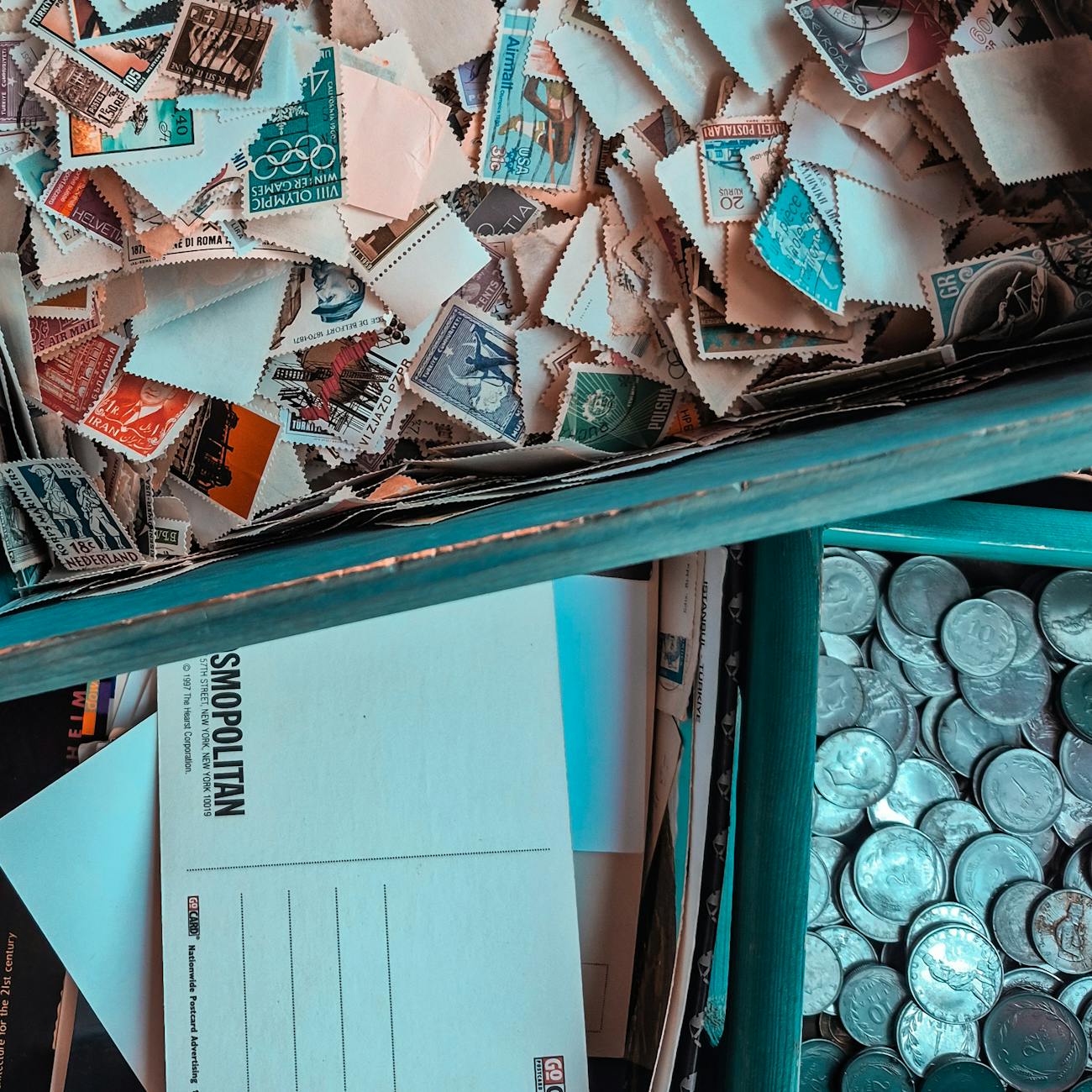
Paper collections can be found in various institutions such as libraries, archives, museums, and private collections. The management and care of these collections are crucial to ensure their longevity, accessibility, and usability. In this explanation, we will discuss key terms and vocabulary related to the management and care of paper collections in the course Postgraduate Certificate in Conservation of Vintage Paper Items.
1. Paper: Paper is a thin material made from pulp derived from fibrous plants, such as trees or cotton. It is widely used for writing, printing, packaging, and other purposes. Paper is made up of cellulose fibers that are intertwined and held together by hydrogen bonds. The properties of paper, such as its strength, flexibility, and durability, depend on the type of fibers used, the papermaking process, and the conditions it is exposed to during its use and storage. 2. Vintage paper: Vintage paper refers to paper that is at least 20 years old and has historical, cultural, or artistic value. Vintage paper items include books, manuscripts, photographs, maps, posters, and other documents. The conservation of vintage paper items requires specialized knowledge and skills to preserve their original appearance, physical integrity, and cultural significance. 3. Paper degradation: Paper degradation is the process of physical and chemical changes that occur in paper over time, leading to its deterioration. The factors that contribute to paper degradation include light, humidity, temperature, pollution, and acidity. Paper degradation can result in the loss of information, aesthetic value, and cultural heritage. 4. Preventive conservation: Preventive conservation is the practice of protecting cultural heritage objects, including paper items, from damage and deterioration. Preventive conservation measures include controlling the environmental conditions, such as temperature, humidity, and light, handling objects with care, and using appropriate storage and display materials. Preventive conservation aims to minimize the need for interventive conservation, which involves treating damaged or deteriorated objects. 5. Environmental conditions: The environmental conditions, such as temperature, humidity, and light, play a crucial role in the preservation of paper collections. The recommended temperature for storing paper collections is between 18-20°C, and the relative humidity should be between 45-55%. Exposure to light should be minimized, and ultraviolet (UV) filters should be used to protect paper from UV radiation. Fluctuations in temperature and humidity should be avoided as they can cause paper to expand and contract, leading to physical stress and degradation. 6. Handling and storage: Proper handling and storage of paper collections are essential to prevent physical damage and deterioration. Paper items should be handled with clean, dry hands, and gloves should be worn when handling photographs and other sensitive materials. Paper items should be stored flat or upright in archival-quality boxes, folders, and sleeves made from acid-free and lignin-free materials. The storage area should be clean, well-ventilated, and free from pests. 7. Disaster planning and response: Disasters, such as floods, fires, and earthquakes, can cause significant damage to paper collections. Disaster planning and response involve developing a plan to prevent and mitigate the effects of disasters, as well as responding promptly and effectively to emergencies. The plan should include procedures for evacuating and salvaging paper collections, as well as contact information for emergency response agencies and conservators. 8. Digitization: Digitization is the process of creating digital copies of paper collections. Digitization enables the preservation and accessibility of paper collections, as well as reducing the need for handling and transporting original materials. The digital copies should be of high quality, and the file formats should be compatible with current and future technology. The metadata, such as the title, date, and creator, should be accurate and complete. 9. Collection management: Collection management involves the organization, description, and care of paper collections. The collection management plan should include policies and procedures for acquiring, cataloging, storing, and accessing paper collections. The plan should also address issues related to copyright, intellectual property, and ethical considerations. 10. Conservation treatments: Conservation treatments involve the physical and chemical treatment of damaged or deteriorated paper items. The treatments should be minimally invasive, and the original appearance and physical integrity of the object should be preserved as much as possible. The treatments may include washing, deacidification, mending, lining, and framing. The conservator should document the treatment process and the condition of the object before and after treatment.
In conclusion, the management and care of paper collections require specialized knowledge and skills. Understanding the key terms and vocabulary related to the conservation of vintage paper items is essential for preserving the historical, cultural, and artistic value of paper collections. Preventive conservation, environmental conditions, handling and storage, disaster planning and response, digitization, collection management, and conservation treatments are some of the critical concepts in the management and care of paper collections. By applying these concepts, conservators and collection managers can ensure the longevity, accessibility, and usability of paper collections for future generations.
Key takeaways
- In this explanation, we will discuss key terms and vocabulary related to the management and care of paper collections in the course Postgraduate Certificate in Conservation of Vintage Paper Items.
- Preventive conservation measures include controlling the environmental conditions, such as temperature, humidity, and light, handling objects with care, and using appropriate storage and display materials.
- Understanding the key terms and vocabulary related to the conservation of vintage paper items is essential for preserving the historical, cultural, and artistic value of paper collections.