
Health and Safety in Education
Health and Safety in Education
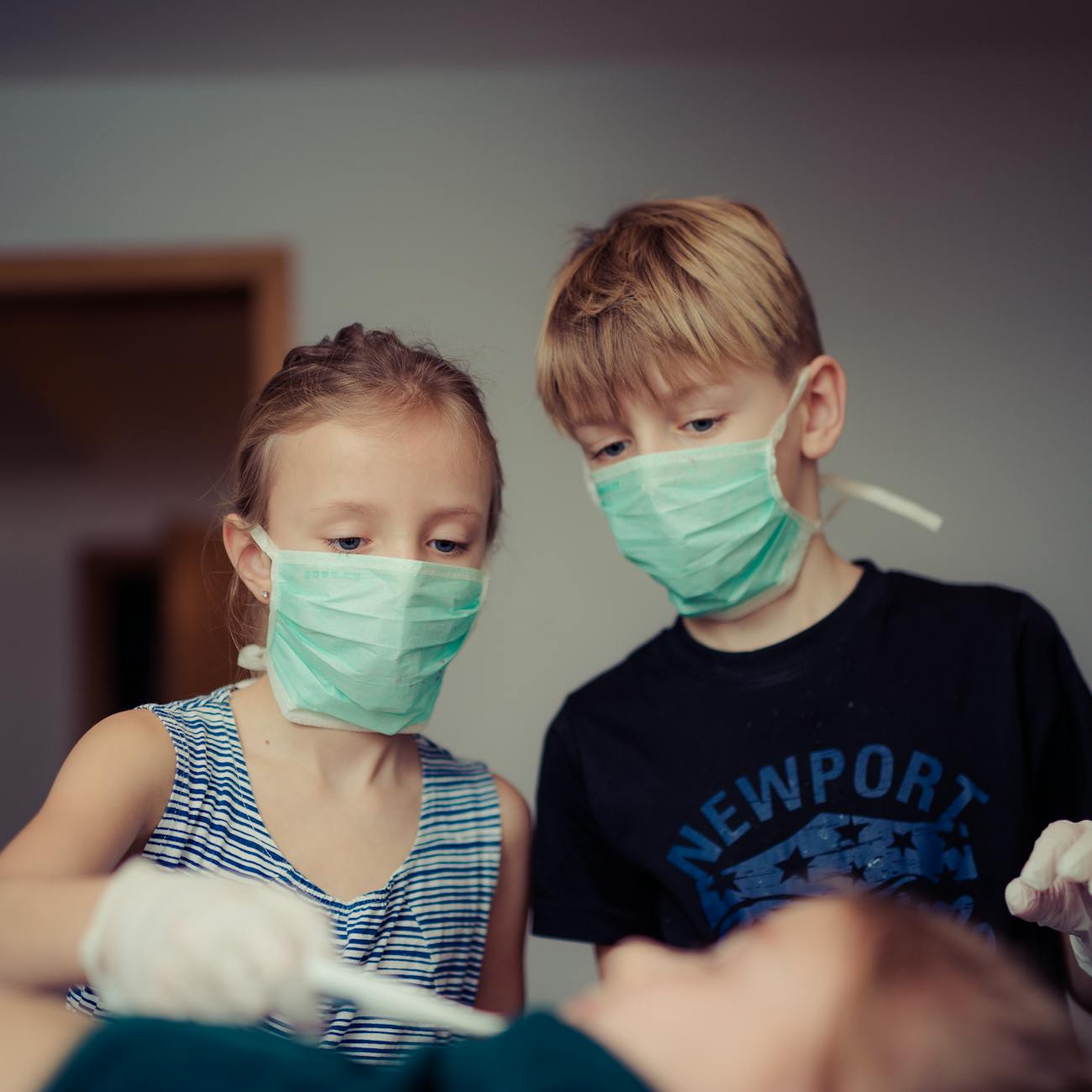
Health and Safety in Education
Health and safety in education is a crucial aspect of providing a safe and secure learning environment for students, staff, and visitors. It involves identifying potential hazards, assessing risks, implementing control measures, and ensuring compliance with relevant legislation to prevent accidents and injuries. In the context of the Postgraduate Certificate in Education Law, understanding key terms and vocabulary related to health and safety in education is essential for educators to effectively manage risks and create a positive learning environment.
Key Terms and Vocabulary
1. Risk Assessment: A systematic process of evaluating potential hazards in the educational setting, identifying who may be harmed, and determining the likelihood and severity of harm. Risk assessments help educators implement control measures to minimize risks and ensure the safety of all individuals on the premises.
2. Hazard: Anything that has the potential to cause harm, such as slippery floors, exposed wiring, or chemical substances. Educators must identify hazards in the educational environment and take appropriate actions to eliminate or reduce them to prevent accidents and injuries.
3. Control Measures: Steps taken to reduce or eliminate risks identified during a risk assessment. Control measures may include implementing safety procedures, providing training to staff and students, installing safety equipment, or creating safe work practices to mitigate hazards effectively.
4. Health and Safety Policy: A document that outlines the organization's commitment to promoting health and safety in the workplace. It provides guidance on responsibilities, procedures, and expectations to ensure compliance with relevant legislation and standards.
5. Emergency Procedures: Plans and protocols established to respond to emergencies, such as fires, medical incidents, or natural disasters. Educators must be familiar with emergency procedures and ensure that staff and students are trained on how to respond appropriately in case of an emergency.
6. Personal Protective Equipment (PPE): Equipment worn to minimize exposure to hazards that cannot be eliminated through other control measures. Examples of PPE include gloves, goggles, helmets, and high-visibility clothing, which help protect individuals from injuries or illnesses in the educational setting.
7. Workplace Inspections: Regular assessments of the educational environment to identify hazards, evaluate control measures, and ensure compliance with health and safety regulations. Workplace inspections help educators maintain a safe and healthy learning environment for all individuals on the premises.
8. Accident Reporting: The process of documenting and investigating accidents, incidents, or near misses that occur in the educational setting. Accurate accident reporting helps educators identify trends, implement corrective actions, and prevent future accidents from happening.
9. Fire Safety: Measures and procedures implemented to prevent fires, evacuate individuals safely in case of a fire, and minimize property damage. Educators must conduct fire drills, maintain fire safety equipment, and train staff and students on fire safety protocols to ensure a prompt and effective response in case of a fire emergency.
10. Manual Handling: The act of lifting, carrying, pushing, or pulling objects manually, which can lead to musculoskeletal injuries if not performed correctly. Educators must provide training on safe manual handling techniques and implement controls to reduce the risk of injuries associated with manual handling tasks.
11. Legislation: Laws and regulations that govern health and safety in the educational setting, such as the Health and Safety at Work Act, the Management of Health and Safety at Work Regulations, and the Education (School Premises) Regulations. Educators must be familiar with relevant legislation and ensure compliance to create a safe and healthy learning environment.
12. Risk Control: Strategies and measures implemented to reduce or eliminate risks identified during a risk assessment. Risk control may involve engineering controls, administrative controls, or personal protective equipment to mitigate hazards effectively and ensure the safety of individuals in the educational setting.
13. Health and Safety Training: Instruction provided to staff and students on health and safety procedures, policies, and practices. Health and safety training helps individuals understand their responsibilities, recognize hazards, and respond effectively to emergencies to promote a culture of safety in the educational environment.
14. Safe Systems of Work: Procedures and practices established to ensure that tasks are carried out safely and efficiently. Safe systems of work help educators identify hazards, assess risks, and implement control measures to protect individuals from harm and create a secure learning environment.
15. First Aid: Immediate care provided to individuals who are injured or become ill in the educational setting. Educators must have trained first aiders on site, well-equipped first aid kits, and clear procedures for responding to medical emergencies to ensure the prompt and appropriate treatment of injuries or illnesses.
16. Health and Safety Committee: A group of representatives from different areas of the organization responsible for promoting health and safety, reviewing policies and procedures, and addressing health and safety concerns. Health and safety committees play a critical role in ensuring that health and safety practices are effectively implemented and maintained in the educational setting.
17. Occupational Health: The branch of healthcare focused on promoting and maintaining the health and well-being of individuals in the workplace. Occupational health services may include health assessments, vaccinations, counseling, and support for staff and students to prevent work-related illnesses and injuries in the educational setting.
18. Safe Working Environment: A physical and psychological environment that is free from hazards, promotes well-being, and supports the health and safety of individuals. Educators must create a safe working environment by identifying and controlling risks, providing training and resources, and fostering a culture of safety and respect in the educational setting.
19. Security Measures: Precautions and protocols implemented to protect individuals, property, and information in the educational setting. Security measures may include access control systems, surveillance cameras, security guards, and emergency response plans to prevent unauthorized access, theft, vandalism, or violence on the premises.
20. Environmental Health: The branch of public health concerned with the impact of the environment on human health and well-being. Environmental health considerations in the educational setting may include indoor air quality, water quality, waste management, and pest control to ensure a healthy and safe learning environment for all individuals.
Practical Applications
1. Risk Assessment: Before conducting a science experiment involving chemicals, educators must perform a risk assessment to identify potential hazards, such as spills or fumes, assess the risks to students and staff, and implement control measures, such as providing safety goggles and ventilation, to prevent accidents and injuries.
2. Emergency Procedures: During a fire drill, educators must ensure that students and staff evacuate the building calmly and quickly, following designated escape routes and assembly points. Practicing emergency procedures regularly helps individuals respond effectively in a real fire emergency and minimizes the risk of injuries or confusion.
3. Accident Reporting: If a student slips and falls in the playground, the incident must be promptly reported to the school office, documented in an accident report form, and investigated to determine the cause and prevent similar accidents in the future. Accurate accident reporting helps educators identify hazards and implement corrective actions to improve safety in the educational setting.
4. First Aid: If a student cuts their finger in a woodworking class, the teacher must provide immediate first aid by cleaning the wound, applying a bandage, and comforting the student. Having trained first aiders on site and well-equipped first aid kits ensures that individuals receive prompt and appropriate care for injuries or illnesses in the educational setting.
5. Security Measures: To enhance security on campus, educators may install access control systems at entrances, conduct visitor screening, and implement surveillance cameras in key areas to monitor activities and deter unauthorized access or suspicious behavior. Security measures help create a safe and secure learning environment for students, staff, and visitors.
Challenges
1. Compliance: Keeping up with changing health and safety legislation can be challenging for educators, as laws and regulations may vary by jurisdiction and require ongoing training and updates to ensure compliance. Educators must stay informed about relevant legislation and seek professional advice to address compliance challenges effectively.
2. Resource Constraints: Limited resources, such as funding, staff, or time, may hinder educators' ability to implement comprehensive health and safety measures in the educational setting. Educators must prioritize risk assessments, control measures, and training initiatives based on available resources to maximize the impact on creating a safe and healthy learning environment.
3. Communication: Effective communication is essential for promoting health and safety in education, but challenges such as language barriers, cultural differences, or varying levels of understanding may impede communication between educators, students, and parents. Educators must use clear, concise language, provide translations or interpreters as needed, and encourage open dialogue to overcome communication challenges and promote a culture of safety.
4. Behavioral Factors: Changing behaviors and attitudes towards health and safety can be challenging, as individuals may resist new policies or procedures, overlook safety protocols, or engage in risky behaviors. Educators must address behavioral factors through training, education, and positive reinforcement to encourage safe practices and create a culture of safety in the educational setting.
5. External Factors: External factors, such as weather conditions, community events, or public health emergencies, can impact health and safety in education and pose additional challenges for educators. Educators must monitor external factors, adapt emergency plans, and collaborate with external stakeholders, such as local authorities or healthcare providers, to address external challenges and ensure the safety of individuals in the educational setting.
Conclusion
In conclusion, health and safety in education is a critical component of creating a safe and secure learning environment for students, staff, and visitors. By understanding key terms and vocabulary related to health and safety in education, educators can effectively manage risks, implement control measures, and ensure compliance with relevant legislation to prevent accidents and injuries. Practical applications, such as risk assessments, emergency procedures, accident reporting, first aid, and security measures, help educators address challenges and promote a culture of safety in the educational setting. Despite challenges such as compliance, resource constraints, communication, behavioral factors, and external factors, educators can overcome these obstacles through training, education, and collaboration to create a safe and healthy learning environment for all individuals.
Key takeaways
- It involves identifying potential hazards, assessing risks, implementing control measures, and ensuring compliance with relevant legislation to prevent accidents and injuries.
- Risk Assessment: A systematic process of evaluating potential hazards in the educational setting, identifying who may be harmed, and determining the likelihood and severity of harm.
- Educators must identify hazards in the educational environment and take appropriate actions to eliminate or reduce them to prevent accidents and injuries.
- Control measures may include implementing safety procedures, providing training to staff and students, installing safety equipment, or creating safe work practices to mitigate hazards effectively.
- Health and Safety Policy: A document that outlines the organization's commitment to promoting health and safety in the workplace.
- Educators must be familiar with emergency procedures and ensure that staff and students are trained on how to respond appropriately in case of an emergency.
- Examples of PPE include gloves, goggles, helmets, and high-visibility clothing, which help protect individuals from injuries or illnesses in the educational setting.