
Marine Engineering and Systems
Marine Engineering and Systems are crucial components of the Postgraduate Certificate in Marine Survey Technology. This explanation will cover key terms and vocabulary related to these fields.
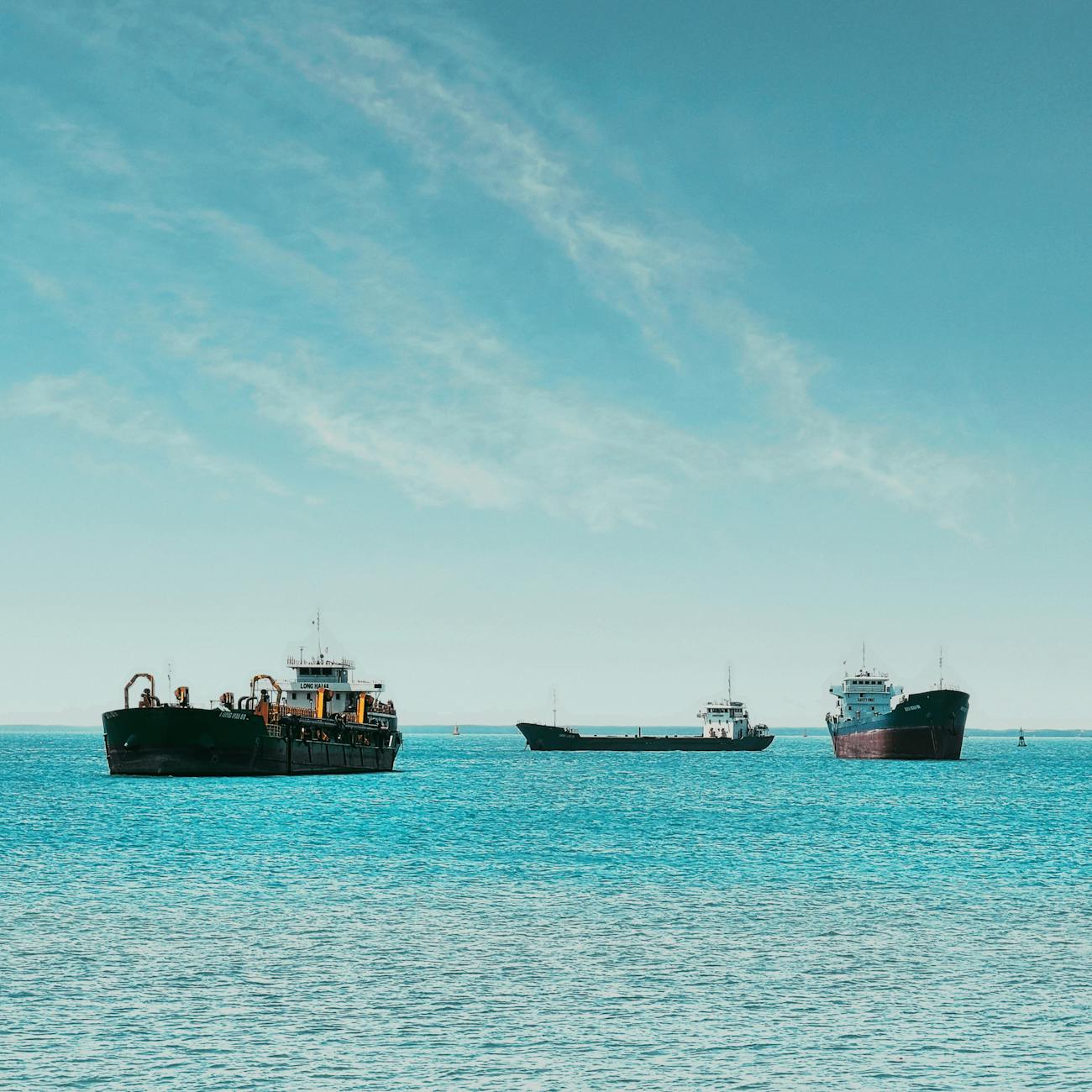
Marine Engineering and Systems are crucial components of the Postgraduate Certificate in Marine Survey Technology. This explanation will cover key terms and vocabulary related to these fields.
1. Marine Engineering: Marine engineering is a discipline that deals with the design, development, production, and maintenance of the equipment used in marine vessels, including boats, ships, and offshore platforms.
Maritime Law: Maritime law, also known as Admiralty law, governs marine transportation, shipping, sailors, and crimes that occur on open water.
Propulsion Systems: Propulsion systems are the components of a marine vessel that generate the power needed to move it through water, such as engines and propellers.
Steering Gear: Steering gear is the system that enables a marine vessel to change direction, typically consisting of a rudder and associated machinery.
Marine Electrical Systems: Marine electrical systems include all the wiring, fuses, switches, and electrical components necessary for the operation of a marine vessel.
Navigation Systems: Navigation systems provide information about a vessel's position, course, and speed, typically using GPS, radar, and other electronic devices.
Bilge Pumps: Bilge pumps are used to remove water that has accumulated in the bilge, the lowest part of a ship's hull.
Stability: Stability refers to the ability of a marine vessel to maintain its balance and orientation in various sea conditions.
Marine Pollution: Marine pollution is the introduction of harmful substances into the marine environment, often through the discharge of waste from ships and other marine vessels.
2. Marine Systems: Marine systems refer to the technological infrastructure used in marine transportation, including vessels, equipment, and communication networks.
Automatic Identification System (AIS): AIS is a system that automatically identifies and tracks marine vessels, providing information about their position, speed, and course.
Global Maritime Distress and Safety System (GMDSS): GMDSS is an international system for broadcasting and receiving maritime safety information, such as weather forecasts and distress signals.
Dynamic Positioning (DP) Systems: DP systems are used to maintain a marine vessel's position and heading in relation to a fixed point, typically using propellers and thrusters.
Integrated Bridge Systems (IBS): IBS is a system that integrates navigation, communication, and automation functions into a single user interface, improving situational awareness and reducing human error.
Electronic Chart Display and Information System (ECDIS): ECDIS is a system that displays electronic navigation charts and provides real-time positioning information, replacing traditional paper charts.
Voyage Data Recorder (VDR): VDR is a system that records data about a vessel's operation, including position, speed, and communication, for use in accident investigations.
Condition-Based Maintenance (CBM): CBM is a maintenance strategy that uses data from sensors and other sources to predict when equipment will fail, allowing for proactive maintenance and reducing downtime.
Challenges in Marine Engineering and Systems:
1. Environmental regulations: Marine engineers and systems must comply with increasingly stringent environmental regulations, such as those related to emissions and marine pollution. 2. Cybersecurity threats: Marine systems are increasingly connected to the internet, making them vulnerable to cyber attacks and other security threats. 3. Technological advancements: Rapid technological advancements, such as the development of autonomous vessels and alternative propulsion systems, require marine engineers and systems to stay up-to-date with the latest technology. 4. Training and education: Marine engineers and systems require specialized training and education to operate and maintain complex equipment and systems.
Examples and Practical Applications:
1. A marine engineer might design a more efficient propulsion system for a cargo ship, reducing fuel consumption and emissions. 2. A marine surveyor might use an ECDIS to inspect a vessel's navigation system and ensure compliance with regulatory requirements. 3. A marine systems technician might maintain a vessel's automatic identification system, ensuring that it is functioning correctly and providing accurate positioning information. 4. A marine engineer might use condition-based maintenance to predict when a vessel's engine needs maintenance, reducing downtime and improving overall efficiency.
Conclusion:
Understanding the key terms and vocabulary related to marine engineering and systems is essential for those pursuing a Postgraduate Certificate in Marine Survey Technology. By staying up-to-date with the latest developments and challenges in these fields, marine professionals can improve safety, efficiency, and sustainability in marine transportation.
Key takeaways
- Marine Engineering and Systems are crucial components of the Postgraduate Certificate in Marine Survey Technology.
- Marine Engineering: Marine engineering is a discipline that deals with the design, development, production, and maintenance of the equipment used in marine vessels, including boats, ships, and offshore platforms.
- Maritime Law: Maritime law, also known as Admiralty law, governs marine transportation, shipping, sailors, and crimes that occur on open water.
- Propulsion Systems: Propulsion systems are the components of a marine vessel that generate the power needed to move it through water, such as engines and propellers.
- Steering Gear: Steering gear is the system that enables a marine vessel to change direction, typically consisting of a rudder and associated machinery.
- Marine Electrical Systems: Marine electrical systems include all the wiring, fuses, switches, and electrical components necessary for the operation of a marine vessel.
- Navigation Systems: Navigation systems provide information about a vessel's position, course, and speed, typically using GPS, radar, and other electronic devices.