
Marine Surveying Principles
Marine surveying is a critical field that involves inspecting and evaluating marine vessels, facilities, and cargo. The Postgraduate Certificate in Marine Survey Technology provides students with a comprehensive understanding of the princip…
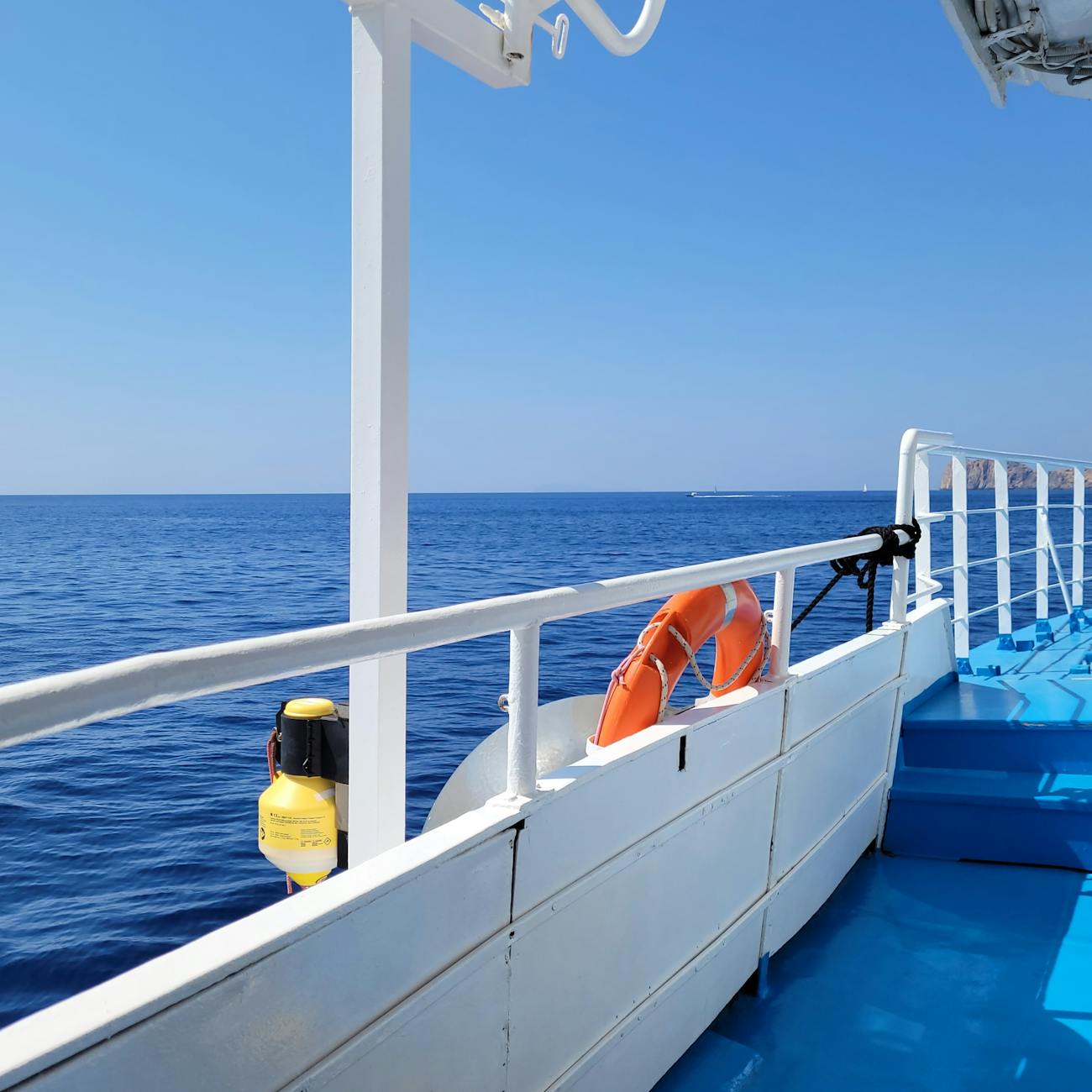
Marine surveying is a critical field that involves inspecting and evaluating marine vessels, facilities, and cargo. The Postgraduate Certificate in Marine Survey Technology provides students with a comprehensive understanding of the principles and practices of marine surveying. This explanation will cover key terms and vocabulary related to marine surveying principles.
1. Marine Vessels: Marine vessels are watercraft designed for marine transportation, recreation, or commercial purposes. Examples of marine vessels include cargo ships, tankers, passenger ships, fishing vessels, yachts, and recreational boats. Marine surveyors inspect these vessels to ensure they comply with regulatory requirements, are seaworthy, and in good condition. 2. Classification Societies: Classification societies are organizations that establish and maintain technical standards for the design, construction, and maintenance of marine vessels. Examples of classification societies include the American Bureau of Shipping (ABS), Lloyd's Register, and Det Norske Veritas (DNV). Marine surveyors work with classification societies to ensure vessels meet their technical standards. 3. Statutory Surveys: Statutory surveys are inspections required by national and international laws and regulations. These surveys ensure that marine vessels comply with safety, environmental, and other regulatory requirements. Examples of statutory surveys include annual safety inspections, load line surveys, and certifications for emissions and waste management. 4. Condition Surveys: Condition surveys are inspections that evaluate the current condition of a marine vessel. These surveys assess the vessel's structural integrity, machinery and equipment, and overall condition. Condition surveys are typically conducted during the purchase or sale of a vessel, insurance renewals, or to identify needed repairs and maintenance. 5. Cargo Surveys: Cargo surveys are inspections that evaluate the quantity, quality, and condition of cargo being transported by sea. These surveys ensure that the cargo is properly stowed, secured, and protected during transportation. Cargo surveys are typically conducted during the loading and unloading of cargo, or to investigate cargo damage or loss. 6. Marine Insurance: Marine insurance is a type of insurance that covers marine vessels, cargo, and other marine-related risks. Marine surveyors work with insurance companies to assess risks, evaluate claims, and ensure that vessels and cargo meet insurance requirements. 7. International Maritime Organization (IMO): The International Maritime Organization is a specialized agency of the United Nations responsible for regulating international shipping. The IMO establishes and maintains technical standards for marine vessels, safety, security, and environmental protection. Marine surveyors must be familiar with IMO regulations and standards. 8. Flag State: A flag state is the country where a marine vessel is registered. The flag state is responsible for enforcing regulatory requirements and ensuring that vessels comply with international maritime conventions. 9. Port State Control: Port state control is the inspection of foreign-flagged vessels in national ports to ensure compliance with international maritime conventions and regulatory requirements. Port state control inspections are conducted by port state control authorities. 10. Marine Pollution: Marine pollution is the introduction of harmful substances or materials into the marine environment. Examples of marine pollution include oil spills, chemical pollution, and marine debris. Marine surveyors play a critical role in preventing and mitigating marine pollution.
Practical Applications:
Marine surveyors use these key terms and vocabulary in their daily work. For example, a marine surveyor may conduct a condition survey of a cargo ship to ensure it is seaworthy and meets regulatory requirements. The surveyor may inspect the vessel's hull, machinery, and equipment, and evaluate the condition of the cargo being transported. The surveyor may also work with the classification society to ensure the vessel meets their technical standards.
Challenges:
Marine surveyors face several challenges in their work, including:
1. Technical Complexity: Marine vessels and facilities are becoming increasingly complex, requiring surveyors to have a deep understanding of technical systems and regulations. 2. Global Regulatory Environment: Marine surveyors must be familiar with international and national regulatory requirements, which can be complex and subject to change. 3. Safety and Environmental Risks: Marine surveying involves working in potentially hazardous environments, with risks including exposure to chemicals, heavy machinery, and weather conditions. 4. Time Pressure: Marine surveyors often work under tight deadlines, with vessels and cargo subject to scheduling constraints.
Conclusion:
Marine surveying is a critical field that requires a deep understanding of marine vessels, facilities, and regulatory requirements. Key terms and vocabulary, such as marine vessels, classification societies, statutory surveys, and marine pollution, are essential for marine surveyors to perform their work effectively. Understanding these terms and vocabulary is crucial for students in the Postgraduate Certificate in Marine Survey Technology program. By mastering these concepts, students will be well-prepared to enter the marine surveying profession and contribute to the safety, security, and environmental protection of the marine industry.
Key takeaways
- The Postgraduate Certificate in Marine Survey Technology provides students with a comprehensive understanding of the principles and practices of marine surveying.
- Port State Control: Port state control is the inspection of foreign-flagged vessels in national ports to ensure compliance with international maritime conventions and regulatory requirements.
- For example, a marine surveyor may conduct a condition survey of a cargo ship to ensure it is seaworthy and meets regulatory requirements.
- Safety and Environmental Risks: Marine surveying involves working in potentially hazardous environments, with risks including exposure to chemicals, heavy machinery, and weather conditions.
- By mastering these concepts, students will be well-prepared to enter the marine surveying profession and contribute to the safety, security, and environmental protection of the marine industry.