
Advocacy and Policy in Refugee Rights
Advocacy and Policy in Refugee Rights
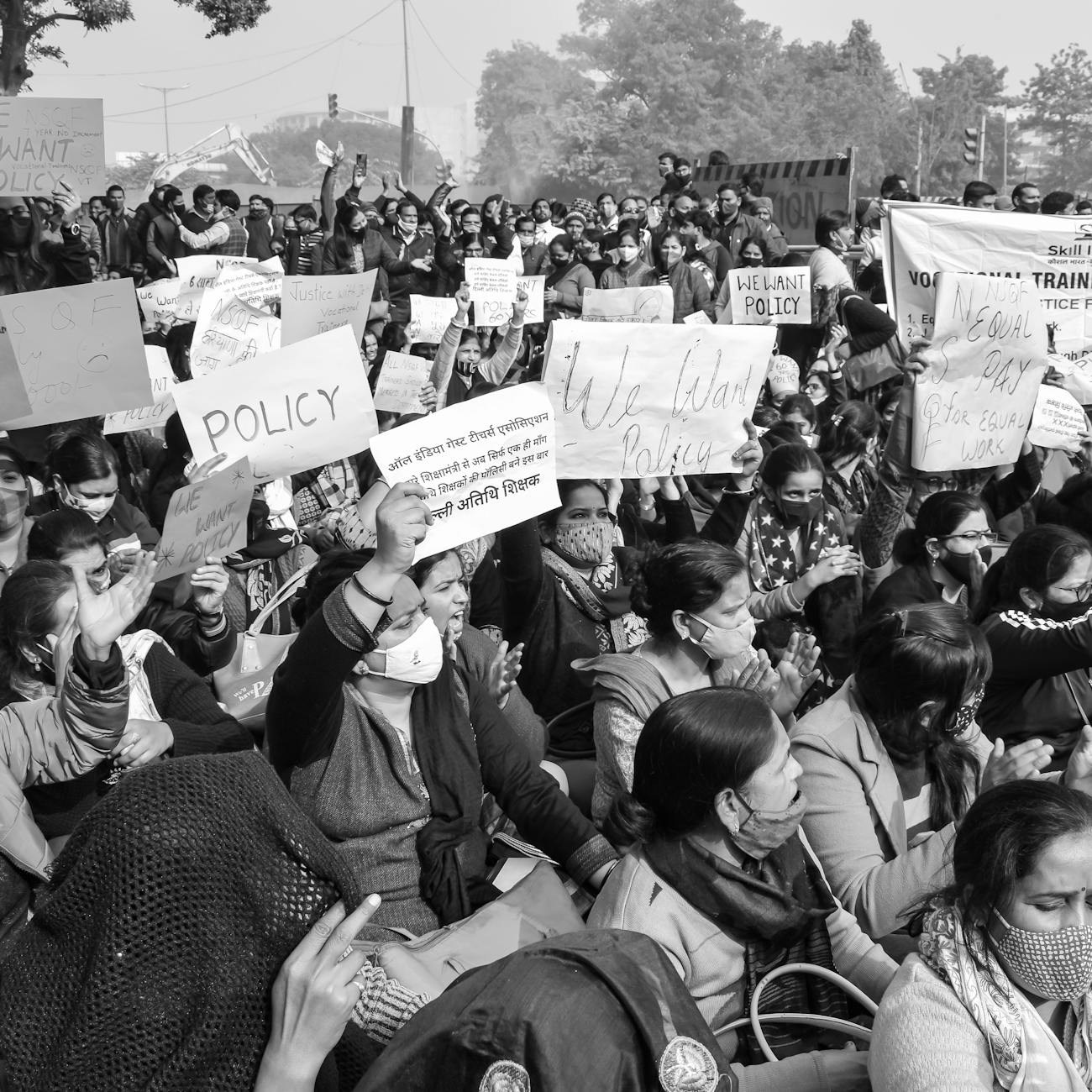
Advocacy and Policy in Refugee Rights
Introduction
Advocacy and policy play a crucial role in promoting and protecting the rights of refugees around the world. Asylum seekers and refugees face a myriad of challenges, including displacement, discrimination, and lack of access to essential services. Effective advocacy efforts and well-crafted policies are essential to ensure that refugees are treated fairly and have their rights respected.
In this course, we will delve into the key terms and concepts related to advocacy and policy in refugee rights. Understanding these terms is essential for anyone working in the field of refugee and migrant services. Let's explore some of the key vocabulary you will encounter in this course:
1. Refugee
A refugee is a person who has fled their country of origin due to a well-founded fear of persecution based on race, religion, nationality, membership in a particular social group, or political opinion. Refugees are unable or unwilling to return to their home country due to fear of persecution.
For example, a Syrian family fleeing the civil war in their country and seeking asylum in Europe would be considered refugees.
2. Asylum Seeker
An asylum seeker is someone who has applied for asylum in a foreign country and is awaiting a decision on their refugee status. Asylum seekers are individuals who have left their country of origin and are seeking protection from persecution.
For instance, an Afghan individual who has fled the Taliban regime and is seeking asylum in the United States would be classified as an asylum seeker.
3. Forced Migration
Forced migration refers to the movement of individuals who are compelled to leave their homes due to conflict, persecution, natural disasters, or other factors beyond their control. Forced migrants include refugees, asylum seekers, internally displaced persons, and stateless persons.
An example of forced migration is the Rohingya people fleeing persecution in Myanmar and seeking refuge in neighboring countries such as Bangladesh.
4. Advocacy
Advocacy involves speaking up on behalf of individuals or groups to promote their rights, interests, and well-being. Advocates work to raise awareness, influence policy decisions, and bring about positive change for marginalized populations.
For instance, an advocacy group may campaign for the rights of refugee children to access education in their host country.
5. Policy
Policy refers to a set of principles, rules, and guidelines established by governments, organizations, or institutions to address specific issues or achieve certain goals. Refugee rights policies outline the rights and protections afforded to refugees and asylum seekers.
An example of a refugee rights policy is the 1951 Refugee Convention, which sets out the rights of refugees and the obligations of states towards them.
6. Human Rights
Human rights are fundamental rights and freedoms that every individual is entitled to, regardless of their nationality, race, religion, or other characteristics. Human rights include the right to life, liberty, security, education, and protection from discrimination.
For example, the right to seek asylum and protection from persecution is a fundamental human right enshrined in international law.
7. International Law
International law consists of rules and principles governing the relations between states and international organizations. International law includes treaties, conventions, and agreements that establish norms and standards for behavior among nations.
For instance, the 1951 Refugee Convention and its 1967 Protocol are key instruments of international law that define the status and rights of refugees.
8. Social Justice
Social justice refers to the fair and equitable distribution of resources, opportunities, and rights in society. Social justice advocates for the elimination of discrimination, inequality, and oppression based on race, gender, class, or other factors.
For example, social justice advocates may work to ensure that refugee communities have access to healthcare, education, and employment opportunities.
9. Capacity Building
Capacity building involves strengthening the knowledge, skills, and resources of individuals, organizations, and communities to effectively address challenges and achieve their goals. Capacity building initiatives aim to enhance the ability of stakeholders to advocate for policy change and support refugee rights.
For instance, capacity building workshops may provide advocates with training on lobbying techniques, policy analysis, and strategic planning.
10. Stakeholder
A stakeholder is an individual, group, or organization that has an interest or concern in a particular issue or policy. Stakeholders in refugee rights advocacy may include government agencies, non-governmental organizations, refugees themselves, and the general public.
For example, a stakeholder meeting may bring together representatives from refugee advocacy groups, government officials, and international organizations to discuss policy implications for refugee rights.
11. Lobbying
Lobbying involves advocating for specific policies or decisions by directly influencing policymakers, legislators, or government officials. Lobbying activities may include meetings, letters, petitions, and public campaigns to persuade decision-makers to support or oppose a particular issue.
For instance, a refugee advocacy group may lobby members of parliament to allocate more funding for refugee resettlement programs.
12. Refugee Camp
A refugee camp is a temporary settlement set up to provide shelter, food, and basic services to refugees who have fled their homes due to conflict or persecution. Refugee camps are often managed by government authorities, international organizations, or non-governmental agencies.
For example, the Zaatari refugee camp in Jordan provides shelter to thousands of Syrian refugees who have fled the civil war in their country.
13. Resettlement
Resettlement refers to the process of relocating refugees from their country of asylum to a third country where they can rebuild their lives and access protection and opportunities. Resettlement is a durable solution for refugees who are unable to return to their home countries or integrate locally.
An example of resettlement is the United States resettling Bhutanese refugees who were living in camps in Nepal due to persecution in Bhutan.
14. Integration
Integration involves the process of refugees becoming part of the host society by adapting to the culture, laws, and norms of the country. Integration efforts aim to facilitate refugees' access to education, employment, healthcare, and social services in their new communities.
For instance, language classes, job training programs, and cultural orientation sessions help refugees integrate into their host countries.
15. Discrimination
Discrimination refers to the unfair treatment or prejudice against individuals or groups based on their race, ethnicity, religion, gender, or other characteristics. Discrimination can manifest in various forms, including denial of rights, unequal access to services, and social exclusion.
For example, refugees may face discrimination in employment, housing, and education due to stereotypes and misconceptions about their backgrounds.
16. Gender-based Violence
Gender-based violence encompasses any form of violence or abuse that targets individuals based on their gender or sex. Women and girls are disproportionately affected by gender-based violence, including domestic violence, sexual assault, and forced marriage.
For instance, refugee women may be at risk of gender-based violence in refugee camps or during their journey to seek asylum.
17. Advocacy Campaign
An advocacy campaign is a coordinated series of actions and activities designed to raise awareness, mobilize support, and influence decision-makers on a specific issue or cause. Advocacy campaigns may include media outreach, public events, social media campaigns, and lobbying efforts.
For example, an advocacy campaign to promote refugee rights may involve organizing marches, hosting panel discussions, and meeting with policymakers to advocate for policy change.
18. Policy Analysis
Policy analysis involves examining and evaluating existing policies to assess their effectiveness, impact, and implications for stakeholders. Policy analysis helps advocates understand the strengths and weaknesses of policies and develop recommendations for improvement.
For instance, a policy analysis of refugee resettlement programs may identify gaps in services, barriers to access, and areas for policy reform.
19. Humanitarian Assistance
Humanitarian assistance refers to the provision of aid, relief, and support to individuals and communities affected by conflict, disaster, or displacement. Humanitarian assistance may include food, shelter, healthcare, psychosocial support, and other essential services to meet the basic needs of refugees.
For example, humanitarian organizations such as the Red Cross and UNHCR provide emergency assistance to refugees in crisis situations.
20. Refugee Rights Violations
Refugee rights violations occur when refugees are denied their fundamental rights and protections under international law. Violations may include arbitrary detention, forced return to dangerous situations, denial of access to asylum procedures, and discrimination based on nationality or ethnicity.
For instance, refugees intercepted at sea and returned to countries where they face persecution are at risk of refugee rights violations.
Conclusion
In conclusion, advocacy and policy are essential tools in promoting and protecting the rights of refugees and asylum seekers. By understanding the key terms and concepts related to advocacy and policy in refugee rights, individuals working in refugee and migrant services can effectively advocate for change, influence policy decisions, and uphold the rights of displaced populations. It is crucial to continue learning and engaging with these concepts to advance the cause of refugee rights and social justice worldwide.
Key takeaways
- Effective advocacy efforts and well-crafted policies are essential to ensure that refugees are treated fairly and have their rights respected.
- In this course, we will delve into the key terms and concepts related to advocacy and policy in refugee rights.
- A refugee is a person who has fled their country of origin due to a well-founded fear of persecution based on race, religion, nationality, membership in a particular social group, or political opinion.
- For example, a Syrian family fleeing the civil war in their country and seeking asylum in Europe would be considered refugees.
- An asylum seeker is someone who has applied for asylum in a foreign country and is awaiting a decision on their refugee status.
- For instance, an Afghan individual who has fled the Taliban regime and is seeking asylum in the United States would be classified as an asylum seeker.
- Forced migration refers to the movement of individuals who are compelled to leave their homes due to conflict, persecution, natural disasters, or other factors beyond their control.