
Hybrid Vehicle Technology Overview
Hybrid Vehicle Technology is a combination of two or more different power sources to propel a vehicle, typically a combination of a traditional internal combustion engine (ICE) and an electric motor. The main goal of hybrid vehicle technolo…
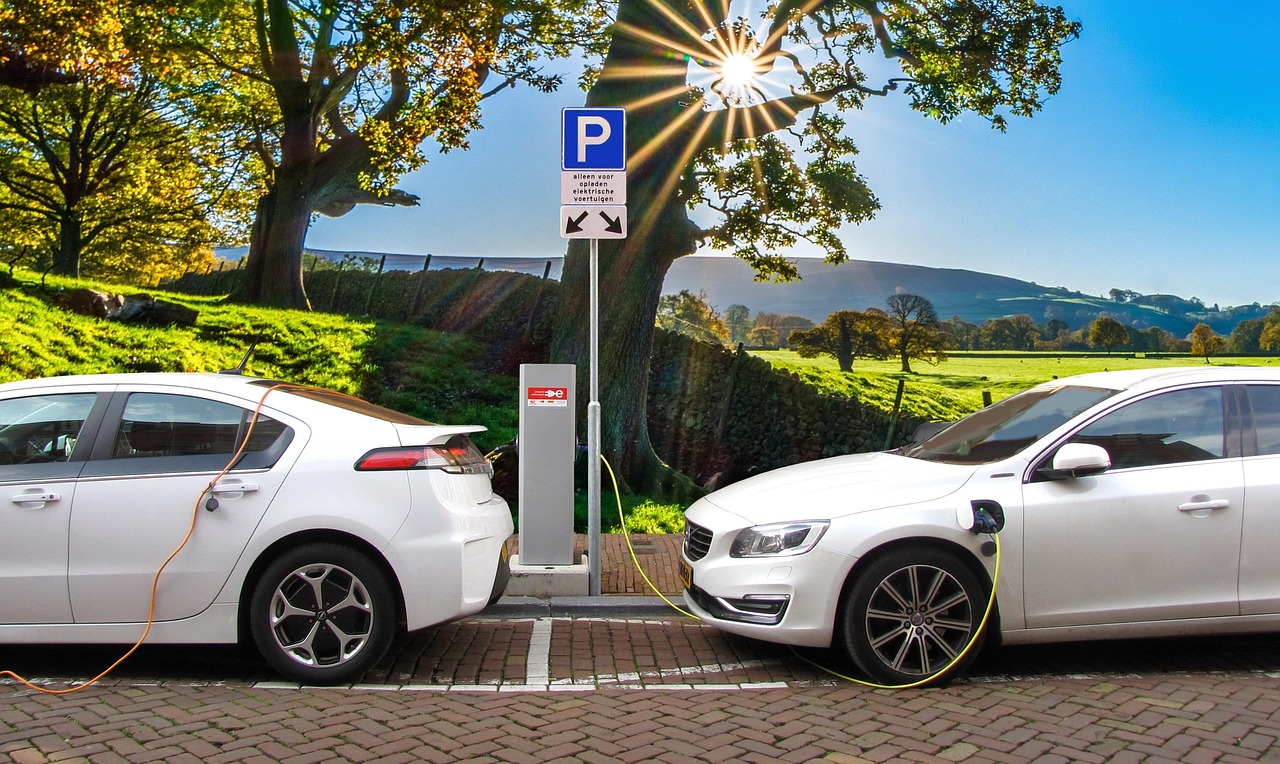
Hybrid Vehicle Technology is a combination of two or more different power sources to propel a vehicle, typically a combination of a traditional internal combustion engine (ICE) and an electric motor. The main goal of hybrid vehicle technology is to improve fuel efficiency, reduce emissions, and increase the overall performance of the vehicle.
Electric Vehicle (EV): A vehicle that is powered solely by an electric motor, using energy stored in a battery pack.
Internal Combustion Engine (ICE): A traditional engine that burns fuel, such as gasoline or diesel, to produce mechanical energy to power the vehicle.
Hybrid Electric Vehicle (HEV): A vehicle that uses both an ICE and an electric motor to power the vehicle. The electric motor assists the ICE during acceleration and can also provide power at low speeds, improving fuel efficiency.
Plug-in Hybrid Electric Vehicle (PHEV): A vehicle that can be plugged into an external power source to recharge its battery pack. This allows the vehicle to operate in all-electric mode for short distances, further improving fuel efficiency.
Regenerative Braking: A system that captures energy generated during braking and uses it to recharge the battery pack. This energy would otherwise be wasted as heat.
Parallel Hybrid: A hybrid vehicle where the ICE and electric motor are connected to the transmission independently, allowing them to power the vehicle simultaneously or separately.
Series Hybrid: A hybrid vehicle where the ICE is used solely to generate electricity to power the electric motor, which in turn powers the vehicle.
Power Split Device: A device that allows the ICE and electric motor to work together to provide power to the wheels, typically used in series-parallel hybrids.
Battery Management System (BMS): A system that monitors and manages the battery pack, including charging and discharging, to ensure optimal performance and longevity.
Energy Economy: A measure of how efficiently a vehicle uses energy, typically expressed in miles per gallon of gasoline equivalent (MPGe).
State of Charge (SOC): The remaining capacity of a battery pack, expressed as a percentage of its total capacity.
Charge-Depleting Mode: A mode of operation where the battery pack is used to power the vehicle, typically in all-electric mode.
Charge-Sustaining Mode: A mode of operation where the battery pack is kept at a constant state of charge, typically by regenerative braking and the ICE.
Level 1 Charging: The slowest form of charging, using a standard 120-volt outlet and taking several hours to fully charge a battery pack.
Level 2 Charging: A faster form of charging, using a 240-volt outlet and taking several hours to fully charge a battery pack.
Direct Current (DC) Fast Charging: The fastest form of charging, using a high-power DC charger and taking less than an hour to charge an 80% capacity of a battery pack.
Charge Point: A physical location where an electric vehicle can be charged, typically including a charging station and a power source.
Vehicle-to-Grid (V2G): A system where an electric vehicle can supply energy back to the grid, typically during peak demand periods.
Smart Grid: An electrical grid that uses digital communications and control systems to improve efficiency and reliability.
Peak Demand: The time of day when electrical demand is highest, typically in the evening when people return home from work.
Time-of-Use (TOU) Rates: Electricity rates that vary based on the time of day, encouraging customers to shift their energy usage to off-peak hours.
Renewable Energy: Energy generated from sources that are replenished naturally, such as solar, wind, and hydro power.
Carbon Footprint: The total amount of greenhouse gases produced to support human activities, typically expressed in equivalent tons of carbon dioxide (CO2).
Well-to-Wheel Analysis: A comprehensive analysis of the energy use and emissions of a vehicle, including the production and transportation of fuel.
In conclusion, hybrid vehicle technology is a complex and rapidly evolving field, with many key terms and concepts to understand. From electric vehicles and internal combustion engines to battery management systems and charge points, there are many different components and systems that must work together to create an efficient and reliable hybrid vehicle. By understanding these terms and concepts, you can gain a deeper appreciation for the challenges and opportunities in this exciting field.
Key takeaways
- Hybrid Vehicle Technology is a combination of two or more different power sources to propel a vehicle, typically a combination of a traditional internal combustion engine (ICE) and an electric motor.
- Electric Vehicle (EV): A vehicle that is powered solely by an electric motor, using energy stored in a battery pack.
- Internal Combustion Engine (ICE): A traditional engine that burns fuel, such as gasoline or diesel, to produce mechanical energy to power the vehicle.
- The electric motor assists the ICE during acceleration and can also provide power at low speeds, improving fuel efficiency.
- Plug-in Hybrid Electric Vehicle (PHEV): A vehicle that can be plugged into an external power source to recharge its battery pack.
- Regenerative Braking: A system that captures energy generated during braking and uses it to recharge the battery pack.
- Parallel Hybrid: A hybrid vehicle where the ICE and electric motor are connected to the transmission independently, allowing them to power the vehicle simultaneously or separately.