
International Law and Human Rights
International Law International law refers to the set of rules and regulations that govern the relationships between states and other international actors. It is a crucial framework that helps maintain peace, security, and cooperation among…
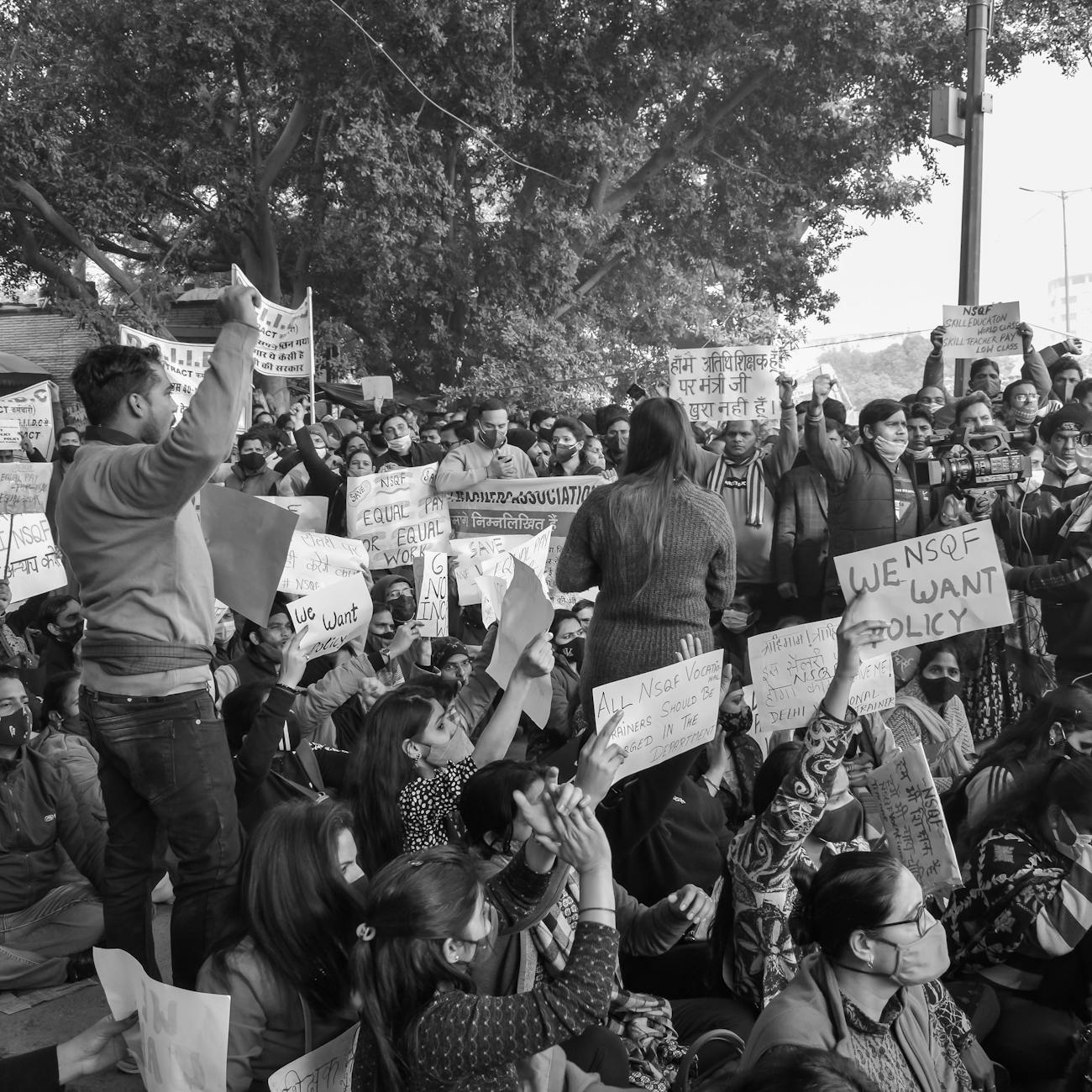
International Law International law refers to the set of rules and regulations that govern the relationships between states and other international actors. It is a crucial framework that helps maintain peace, security, and cooperation among nations. International law is essential for addressing global challenges, resolving conflicts, and promoting human rights and development on a global scale.
Key Terms 1. Sovereignty: Sovereignty is the principle that states have the right to govern themselves without interference from other states. It is a foundational concept in international law that underpins the modern state system. 2. Statehood: Statehood refers to the legal recognition of a territory as an independent and sovereign state by other states in the international community. 3. Treaty: A treaty is a formal agreement between two or more states that is governed by international law. Treaties can address a wide range of issues, including trade, security, and human rights. 4. Customary International Law: Customary international law refers to the body of unwritten rules and practices that have developed over time and are considered binding on all states. Customary international law is based on state practice and opinio juris (a belief that a certain practice is legally required). 5. International Court of Justice (ICJ): The ICJ is the principal judicial organ of the United Nations and is responsible for settling legal disputes between states. It plays a crucial role in interpreting and applying international law.
Types of International Law 1. Public International Law: Public international law governs the relationships between states and international organizations. It includes principles such as the prohibition of the use of force, diplomatic immunity, and the protection of human rights. 2. Private International Law: Private international law, also known as conflict of laws, regulates the legal relationships between private individuals or entities that involve more than one country. It addresses issues such as jurisdiction, choice of law, and recognition and enforcement of foreign judgments.
International Organizations 1. United Nations (UN): The UN is an international organization established in 1945 to promote peace, security, and cooperation among nations. It plays a central role in international law by providing a forum for member states to discuss and address global issues. 2. International Criminal Court (ICC): The ICC is a permanent international tribunal that prosecutes individuals for genocide, war crimes, crimes against humanity, and aggression. It is an important institution for upholding international human rights law.
Human Rights Human rights refer to the fundamental rights and freedoms that all individuals are entitled to by virtue of being human. They are universal, inalienable, and indivisible, meaning that they apply to all people regardless of their nationality, ethnicity, or other characteristics.
Key Terms 1. Universal Declaration of Human Rights (UDHR): The UDHR is a milestone document adopted by the UN General Assembly in 1948. It sets out a common standard of human rights for all people and has inspired many international human rights treaties and conventions. 2. Civil and Political Rights: Civil and political rights are rights that protect individuals' freedom from interference by the state. They include rights such as freedom of speech, assembly, and religion. 3. Economic, Social, and Cultural Rights: Economic, social, and cultural rights are rights that guarantee individuals' access to basic necessities such as food, shelter, education, and healthcare. They are essential for ensuring human dignity and well-being. 4. Non-Discrimination: Non-discrimination is a fundamental principle of human rights law that prohibits discrimination on the basis of race, gender, religion, or other characteristics. It is essential for promoting equality and inclusion.
International Human Rights Instruments 1. International Covenant on Civil and Political Rights (ICCPR): The ICCPR is a key international treaty that protects civil and political rights, such as the right to life, freedom of speech, and the right to a fair trial. 2. International Covenant on Economic, Social and Cultural Rights (ICESCR): The ICESCR is another important international treaty that safeguards economic, social, and cultural rights, such as the right to work, education, and healthcare. 3. Convention on the Rights of the Child (CRC): The CRC is a treaty that sets out the rights of children under the age of 18. It covers areas such as education, healthcare, and protection from violence and exploitation.
Challenges in International Law and Human Rights 1. State Sovereignty vs. Human Rights: Balancing state sovereignty with the protection of human rights can be a challenge in international law. States may prioritize their sovereignty over human rights obligations, leading to violations of individual rights. 2. Enforcement and Compliance: Ensuring compliance with international law and human rights standards can be difficult, as there is no global enforcement mechanism. States may ignore or resist international legal obligations, undermining the effectiveness of the legal framework. 3. Cultural Relativism: Cultural relativism poses a challenge to universal human rights norms, as different cultures may have varying interpretations of rights and freedoms. Respecting cultural diversity while upholding universal human rights is a complex issue in international law.
Conclusion In conclusion, international law and human rights are essential frameworks for promoting peace, security, and cooperation in the international community. Understanding key terms, concepts, and challenges in these areas is crucial for diplomats, policymakers, and advocates working to uphold human rights and uphold the rule of law on a global scale. By addressing challenges and promoting compliance with international legal standards, we can strive towards a more just and equitable world for all.
Key takeaways
- International Law International law refers to the set of rules and regulations that govern the relationships between states and other international actors.
- Customary International Law: Customary international law refers to the body of unwritten rules and practices that have developed over time and are considered binding on all states.
- Private International Law: Private international law, also known as conflict of laws, regulates the legal relationships between private individuals or entities that involve more than one country.
- International Criminal Court (ICC): The ICC is a permanent international tribunal that prosecutes individuals for genocide, war crimes, crimes against humanity, and aggression.
- They are universal, inalienable, and indivisible, meaning that they apply to all people regardless of their nationality, ethnicity, or other characteristics.
- Economic, Social, and Cultural Rights: Economic, social, and cultural rights are rights that guarantee individuals' access to basic necessities such as food, shelter, education, and healthcare.
- International Covenant on Civil and Political Rights (ICCPR): The ICCPR is a key international treaty that protects civil and political rights, such as the right to life, freedom of speech, and the right to a fair trial.