
Health Informatics and Technology in Patient Safety
Health Informatics is the interdisciplinary field that involves the acquisition, storage, retrieval, and use of healthcare information. It encompasses the design, development, and application of IT systems in healthcare settings. Health inf…
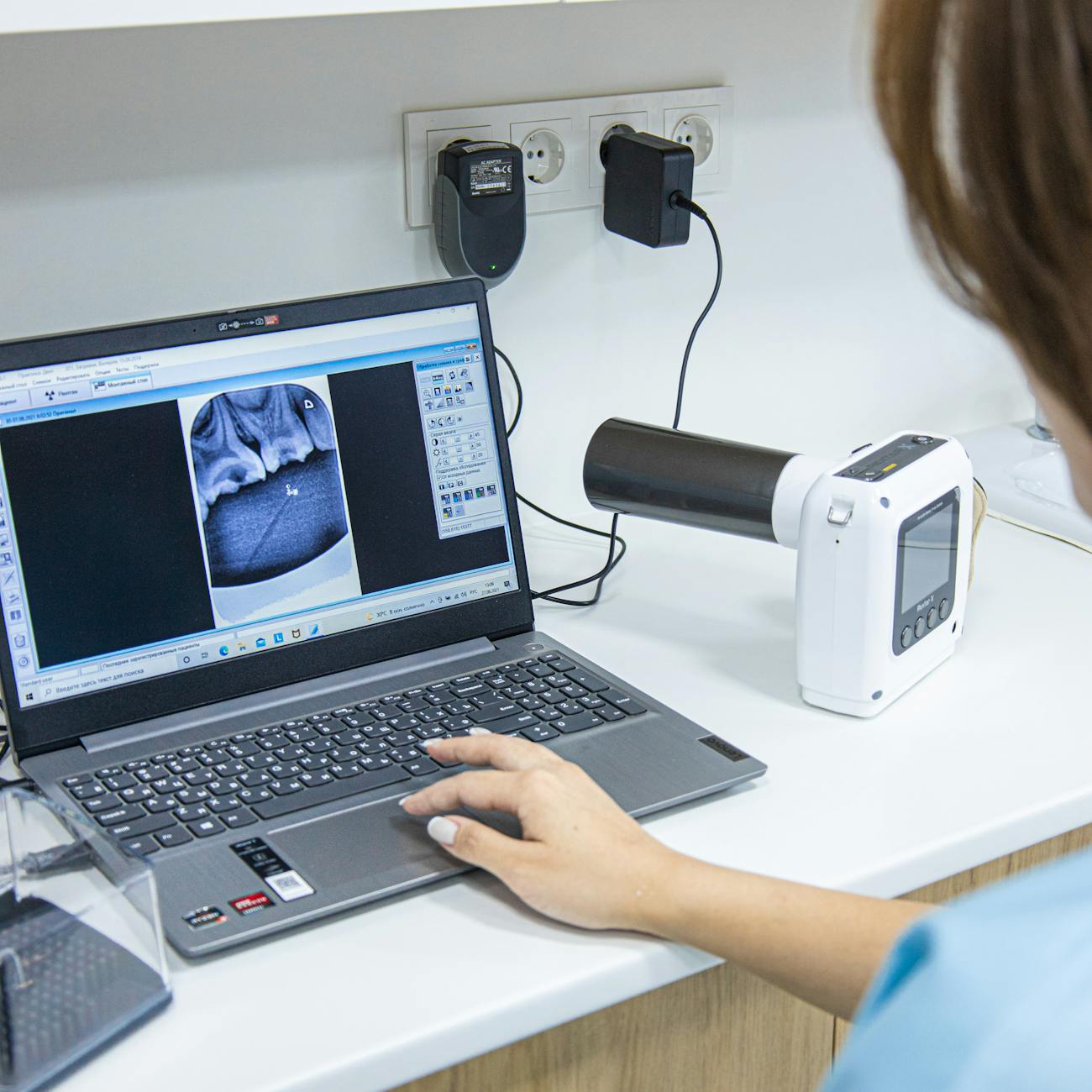
Health Informatics is the interdisciplinary field that involves the acquisition, storage, retrieval, and use of healthcare information. It encompasses the design, development, and application of IT systems in healthcare settings. Health informatics aims to improve patient care, enhance efficiency, reduce medical errors, and support decision-making processes in healthcare.
Technology in Patient Safety refers to the use of various technological tools and systems to enhance patient safety in healthcare settings. This includes electronic health records (EHRs), clinical decision support systems (CDSS), medication management systems, telemedicine, and other digital solutions aimed at reducing medical errors and improving patient outcomes.
Patient Safety is the discipline that focuses on preventing harm to patients during the course of their healthcare. It involves the identification, analysis, and prevention of errors, accidents, and adverse events in healthcare delivery. Patient safety aims to minimize risks and improve the quality of care provided to patients.
Postgraduate Certificate in Patient Safety and Healthcare is an advanced academic program that provides healthcare professionals with specialized knowledge and skills in patient safety. It covers topics such as error prevention, risk management, quality improvement, and the use of technology in healthcare to enhance patient safety.
Electronic Health Records (EHRs) are digital versions of patients' paper charts. EHRs contain patient medical history, diagnoses, medications, treatment plans, immunization dates, allergies, radiology images, and laboratory test results. They allow healthcare providers to access and update patient information securely, improving communication and coordination of care.
Clinical Decision Support Systems (CDSS) are computer-based tools that assist healthcare professionals in making clinical decisions. CDSS analyze patient data to provide evidence-based recommendations for diagnosis, treatment, and prevention. They can help reduce medical errors, improve adherence to guidelines, and enhance patient outcomes.
Medication Management Systems are technology-based solutions that help healthcare providers prescribe, dispense, and administer medications safely. These systems can alert providers to potential drug interactions, allergies, dosage errors, and other risks. They aim to reduce medication errors and adverse drug events, improving patient safety.
Telemedicine refers to the delivery of healthcare services remotely using telecommunications technology. Telemedicine allows patients to consult with healthcare providers, receive diagnoses, and access treatment without being physically present in a healthcare facility. It can improve access to care, reduce healthcare costs, and enhance patient satisfaction.
Adverse Event is an incident that results in harm to a patient during the course of healthcare. Adverse events can be caused by medical errors, system failures, or other factors. It is essential to identify, report, and analyze adverse events to prevent similar incidents in the future and improve patient safety.
Medical Error is a preventable adverse event caused by healthcare provider negligence, system failures, or other factors. Medical errors can lead to patient harm, prolonged hospital stays, increased healthcare costs, and even death. It is crucial to implement strategies to reduce medical errors and improve patient safety.
Root Cause Analysis (RCA) is a method used to investigate adverse events and medical errors in healthcare. RCA aims to identify the underlying causes of incidents, rather than focusing solely on the immediate factors. By understanding the root causes of errors, healthcare organizations can implement effective solutions to prevent similar incidents in the future.
Quality Improvement is an ongoing process that aims to enhance the quality of healthcare services provided to patients. Quality improvement initiatives involve monitoring performance, identifying areas for improvement, implementing changes, and evaluating outcomes. It is essential to continuously strive for excellence in patient care to ensure patient safety.
Health Information Exchange (HIE) is the electronic sharing of patient health information between healthcare providers, payers, and other stakeholders. HIE allows authorized users to access and retrieve patient data securely, improving care coordination and communication. It can enhance patient safety by ensuring that healthcare providers have access to up-to-date information.
Interoperability is the ability of different IT systems and software applications to communicate, exchange data, and use the information effectively. Interoperability is crucial in healthcare to ensure seamless data sharing between systems, such as EHRs, CDSS, and HIE platforms. It enables healthcare providers to access comprehensive patient information, leading to better decision-making and improved patient safety.
Data Security refers to the protection of patient health information from unauthorized access, use, disclosure, modification, or destruction. Data security measures, such as encryption, access controls, and audit trails, are essential to safeguard patient information and maintain confidentiality. Ensuring data security is critical in healthcare to protect patient privacy and prevent data breaches.
Health Insurance Portability and Accountability Act (HIPAA) is a US federal law that sets standards for the protection of patients' health information. HIPAA regulates the use and disclosure of protected health information by healthcare providers, health plans, and other entities. Compliance with HIPAA rules is essential to protect patient privacy and maintain data security in healthcare.
Clinical Documentation refers to the recording of patient information by healthcare providers during the course of care. Clinical documentation includes patient history, physical examinations, diagnoses, treatments, and outcomes. Accurate and comprehensive clinical documentation is crucial for communication, continuity of care, and quality improvement in healthcare.
Workflow is the sequence of tasks and activities performed by healthcare providers to deliver patient care. Workflow includes patient registration, scheduling, clinical assessments, treatment, and follow-up. Understanding and optimizing workflow processes can enhance efficiency, reduce errors, and improve patient safety in healthcare settings.
Usability refers to the ease of use and user experience of IT systems and software applications. Usability is critical in healthcare technology to ensure that healthcare providers can effectively and efficiently use digital tools to support patient care. User-friendly interfaces, clear navigation, and intuitive design are essential for enhancing usability in healthcare IT systems.
Human Factors are the psychological, social, and organizational factors that influence human behavior in the workplace. Human factors play a crucial role in patient safety by affecting how healthcare providers interact with technology, communicate with colleagues, and make decisions. Understanding human factors can help design safer healthcare systems and improve patient outcomes.
Change Management is the process of planning, implementing, and managing organizational changes effectively. Change management is essential in healthcare to ensure successful adoption of new technologies, workflows, and processes. It involves engaging stakeholders, providing training, and monitoring outcomes to support a smooth transition and improve patient safety.
Risk Management is the process of identifying, assessing, and mitigating risks in healthcare to prevent adverse events and improve patient safety. Risk management involves analyzing potential hazards, implementing strategies to reduce risks, and monitoring outcomes. It aims to create a culture of safety and continuous improvement in healthcare organizations.
Big Data refers to large volumes of structured and unstructured data that are generated in healthcare settings. Big data includes patient records, medical images, genomic information, and other healthcare data sources. Analyzing big data can provide valuable insights for research, quality improvement, and personalized medicine in healthcare.
Data Analytics is the process of analyzing, interpreting, and visualizing data to uncover patterns, trends, and insights. Data analytics can help healthcare organizations make informed decisions, improve outcomes, and optimize processes. It is essential for leveraging the vast amounts of data generated in healthcare to enhance patient safety and quality of care.
Artificial Intelligence (AI) refers to the simulation of human intelligence in machines that can perform tasks requiring human intelligence. AI technologies, such as machine learning, natural language processing, and robotics, are increasingly used in healthcare to support diagnosis, treatment planning, and decision-making. AI has the potential to improve patient safety, efficiency, and outcomes in healthcare.
Machine Learning is a subset of AI that involves the development of algorithms and statistical models that enable computers to learn from and make predictions based on data. Machine learning algorithms can analyze large datasets, identify patterns, and make decisions without explicit programming. In healthcare, machine learning can assist in diagnosing diseases, predicting outcomes, and improving patient safety.
Natural Language Processing (NLP) is a branch of AI that focuses on the interaction between computers and human languages. NLP technologies can analyze, understand, and generate human language, enabling computers to process and interpret textual data. In healthcare, NLP can be used to extract information from clinical notes, research articles, and other text sources to support decision-making and improve patient safety.
Robotics refers to the design, development, and use of robots in healthcare settings to assist with patient care, surgery, and rehabilitation. Medical robots can perform tasks such as surgery, medication delivery, and patient monitoring. Robotics technology aims to improve precision, efficiency, and safety in healthcare procedures, ultimately enhancing patient outcomes.
Virtual Reality (VR) is a technology that creates a simulated environment using computer-generated imagery and sensory feedback. VR can be used in healthcare for training, simulation, patient education, and therapy. Virtual reality simulations can help healthcare providers practice procedures, improve skills, and enhance patient safety by reducing errors and improving outcomes.
Challenges in Health Informatics and Technology include interoperability issues, data security concerns, usability challenges, resistance to change, and the need for ongoing training and support for healthcare providers. Overcoming these challenges requires collaboration, innovation, and a commitment to continuous improvement in healthcare technology and patient safety.
Overall, Health Informatics and Technology play a vital role in enhancing patient safety, improving outcomes, and transforming healthcare delivery. By leveraging digital solutions, data analytics, and AI technologies, healthcare organizations can optimize processes, reduce errors, and provide high-quality care to patients. It is essential for healthcare professionals to stay informed about the latest developments in health informatics and technology to ensure patient safety and improve healthcare outcomes.
Key takeaways
- Health informatics aims to improve patient care, enhance efficiency, reduce medical errors, and support decision-making processes in healthcare.
- This includes electronic health records (EHRs), clinical decision support systems (CDSS), medication management systems, telemedicine, and other digital solutions aimed at reducing medical errors and improving patient outcomes.
- Patient Safety is the discipline that focuses on preventing harm to patients during the course of their healthcare.
- Postgraduate Certificate in Patient Safety and Healthcare is an advanced academic program that provides healthcare professionals with specialized knowledge and skills in patient safety.
- EHRs contain patient medical history, diagnoses, medications, treatment plans, immunization dates, allergies, radiology images, and laboratory test results.
- Clinical Decision Support Systems (CDSS) are computer-based tools that assist healthcare professionals in making clinical decisions.
- Medication Management Systems are technology-based solutions that help healthcare providers prescribe, dispense, and administer medications safely.