
Revolutionary Movements and Social Change
Revolutionary Movements and Social Change:
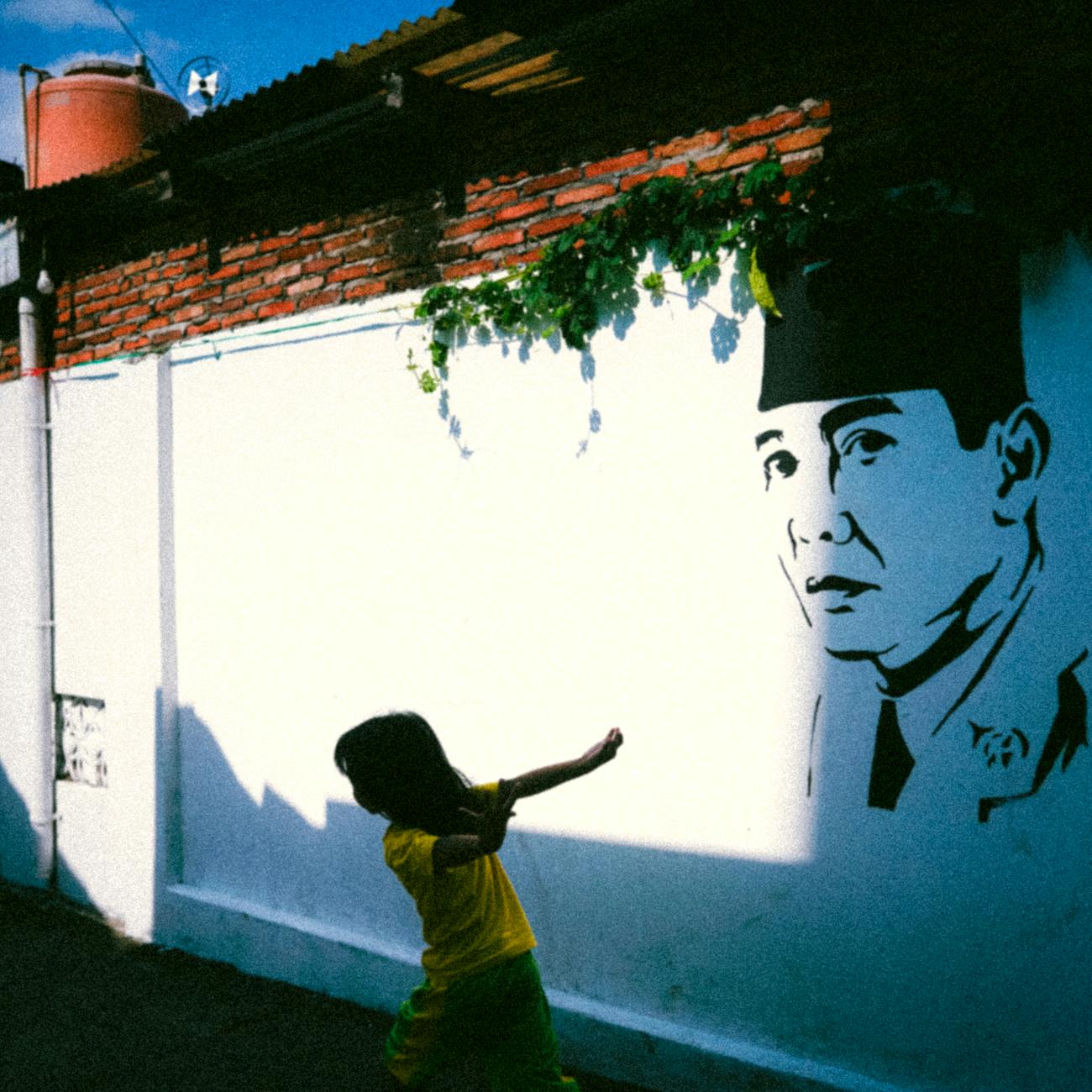
Revolutionary Movements and Social Change:
Revolutionary movements are organized efforts by groups or individuals to bring about significant societal, political, or economic change. These movements often seek to challenge existing power structures and create a new social order. Social change refers to the transformation of societal norms, values, behaviors, and institutions over time. It can be driven by a variety of factors, including technological advancements, economic shifts, cultural movements, and political activism.
Guerrilla Warfare:
Guerrilla warfare is a form of irregular warfare in which a small group of combatants, often armed civilians or paramilitary personnel, use tactics such as ambushes, sabotage, hit-and-run attacks, and mobility to fight a larger and less mobile traditional military force. Guerrilla warfare is characterized by its asymmetrical nature, where the guerrilla fighters rely on their knowledge of the local terrain and support from the civilian population to wage a protracted conflict against a more powerful adversary.
Anthropology:
Anthropology is the study of human societies and cultures. It seeks to understand the diversity of human experiences across time and space through the analysis of social, cultural, biological, and archaeological data. Anthropologists often engage in fieldwork, participant observation, and ethnographic research to gain insights into the beliefs, practices, and social structures of different societies.
Key Terms and Vocabulary:
1. Revolution: A fundamental and often abrupt change in the political, social, or economic structure of a society. Revolutions can be peaceful or violent and are typically driven by a desire to overthrow existing power structures and create a new order.
2. Social Movement: Organized collective actions that seek to bring about social, political, or cultural change. Social movements can take various forms, including protests, boycotts, strikes, and advocacy campaigns.
3. Insurgency: An armed rebellion against a government or authority, often with the goal of establishing a new political order. Insurgencies can be waged by guerrilla fighters, rebels, or other non-state actors.
4. Counterinsurgency: Military or political strategies aimed at defeating or neutralizing insurgent movements. Counterinsurgency efforts may involve a combination of military operations, development projects, and political reforms.
5. Radicalization: The process by which individuals or groups adopt extreme political, social, or religious beliefs and engage in violent or disruptive actions to promote their agenda. Radicalization can result from various factors, including social marginalization, political grievances, and ideological indoctrination.
6. Terrorism: The use of violence, intimidation, or coercion to achieve political, religious, or ideological goals. Terrorist acts are often intended to instill fear in a population or government and can target civilians, infrastructure, or symbolic targets.
7. Paramilitary: Organizations or groups that operate outside the official military or police structures but engage in armed conflict or security operations. Paramilitary forces may be sanctioned by a government or operate as independent actors.
8. Self-Determination: The right of a people or community to freely determine their political status, culture, and economic development. Self-determination is enshrined in international law and is often invoked by independence movements and marginalized groups.
9. Decolonization: The process by which colonies or territories gain independence from colonial powers. Decolonization movements seek to dismantle colonial institutions, reclaim indigenous sovereignty, and establish self-governing nations.
10. Identity Politics: Political movements or ideologies that prioritize the interests and concerns of specific social groups based on shared identity markers such as race, gender, sexuality, or ethnicity. Identity politics can be a means of mobilizing marginalized communities and challenging dominant power structures.
11. Arms Trafficking: The illegal or illicit trade in weapons, ammunition, and military equipment. Arms trafficking fuels conflicts, insurgency movements, and terrorism by supplying combatants with the means to wage war.
12. Asymmetric Warfare: Military conflicts in which opposing forces have disparate capabilities, resources, or strategies. Asymmetric warfare often involves unconventional tactics, such as guerrilla warfare, terrorism, or cyber warfare, to exploit the weaknesses of a more powerful adversary.
13. Non-State Actor: Individuals, groups, or organizations that operate outside the authority of a government or state but exert influence over political, social, or economic affairs. Non-state actors can include rebel groups, criminal syndicates, terrorist organizations, and civil society movements.
14. Political Economy: The study of how political institutions and economic systems interact to shape social relations, power dynamics, and resource distribution. Political economy examines the role of the state, markets, and society in determining economic outcomes and social welfare.
15. Resistance: Opposition or defiance against oppressive or unjust systems of power. Resistance movements can take various forms, including civil disobedience, grassroots activism, armed struggle, and cultural resistance.
16. Revolutionary Vanguard: A leadership cadre or avant-garde group within a revolutionary movement that provides ideological direction, strategic guidance, and organizational coherence. The revolutionary vanguard often serves as the catalyst for mobilizing broader support and coordinating revolutionary activities.
17. Urban Guerrilla: Guerrilla fighters who operate in urban or metropolitan areas, using tactics such as bombings, assassinations, and sabotage to disrupt government control and challenge the status quo. Urban guerrilla warfare poses unique challenges and risks compared to rural guerrilla operations.
18. Counterterrorism: Strategies and tactics employed by governments or security forces to prevent, deter, or respond to terrorist threats. Counterterrorism measures may include intelligence gathering, law enforcement operations, border security, and international cooperation.
19. Human Rights: Universal rights and freedoms that are inherent to all individuals by virtue of their humanity. Human rights include civil, political, economic, social, and cultural rights, and are protected by international treaties and conventions.
20. Transnational Activism: Political mobilization and advocacy that transcends national boundaries and focuses on global issues or causes. Transnational activists collaborate across borders to address common challenges, advance human rights, and promote social justice.
21. Revolutionary Diaspora: Exiled or diasporic communities that support revolutionary movements in their country of origin from abroad. Revolutionary diasporas provide financial, logistical, and moral support to insurgent groups and help sustain their struggle over the long term.
22. Post-Colonialism: The intellectual and political movement that critiques and challenges the legacies of colonialism, imperialism, and neocolonialism. Post-colonial scholars examine how colonial histories continue to shape contemporary societies, identities, and power relations.
23. State Building: The process of establishing and strengthening the institutions, governance structures, and infrastructure of a sovereign state. State building efforts aim to promote stability, security, rule of law, and economic development in post-conflict or fragile states.
24. Revolutionary Praxis: The practical application of revolutionary theory and ideology through concrete actions, strategies, and tactics. Revolutionary praxis involves the translation of revolutionary goals into transformative practices that challenge existing power structures and advance social change.
25. Hybrid Warfare: Military strategies that blend conventional warfare, irregular warfare, cyber warfare, and information warfare to achieve strategic objectives. Hybrid warfare tactics seek to exploit vulnerabilities in adversary defenses and create ambiguity in the battlefield.
26. Revolutionary Consciousness: The awareness, mindset, and collective identity that motivates individuals to engage in revolutionary struggle and envision a more just and equitable society. Revolutionary consciousness is cultivated through education, political activism, and shared experiences of oppression.
27. Community Resilience: The capacity of communities to withstand, adapt to, and recover from external shocks, crises, or conflicts. Community resilience is built through social cohesion, resource mobilization, and adaptive governance structures.
28. Post-Conflict Reconstruction: The process of rebuilding and stabilizing societies in the aftermath of armed conflict or political violence. Post-conflict reconstruction efforts focus on restoring infrastructure, promoting reconciliation, and fostering sustainable peace.
29. Revolutionary Solidarity: The mutual support, cooperation, and alliance-building among revolutionary movements, liberation struggles, and social justice movements. Revolutionary solidarity transcends national boundaries and fosters international cooperation in the struggle against oppression and inequality.
30. Memory Politics: The contestation and reinterpretation of historical narratives, symbols, and memories for political purposes. Memory politics shape collective identities, influence public discourse, and impact social movements seeking justice, reconciliation, or accountability.
31. Gendered Violence: Violence, discrimination, or oppression that is directed at individuals or groups based on their gender identity or expression. Gendered violence includes domestic violence, sexual assault, femicide, and gender-based discrimination in conflict and post-conflict settings.
32. Truth and Reconciliation: Processes of acknowledging past injustices, human rights abuses, and violence, and promoting healing, accountability, and social reconciliation. Truth and reconciliation commissions aim to address historical grievances, document human rights violations, and foster national unity.
33. Revolutionary Pedagogy: Educational practices and methods that promote critical thinking, social justice, and liberation through transformative learning experiences. Revolutionary pedagogy challenges dominant narratives, empowers marginalized voices, and fosters activism and civic engagement.
34. Climate Justice: The intersection of environmental sustainability, social equity, and human rights in addressing the impacts of climate change. Climate justice movements advocate for equitable solutions to climate-related challenges and prioritize the needs of vulnerable communities.
35. State Repression: The use of coercive measures, censorship, surveillance, and violence by governments to suppress dissent, political opposition, and social movements. State repression violates human rights, undermines democracy, and stifles freedom of expression.
36. Revolutionary Art: Creative expressions, cultural productions, and aesthetic practices that challenge dominant ideologies, inspire social change, and amplify revolutionary messages. Revolutionary art can take the form of visual arts, music, literature, theater, film, and street art.
Challenges and Opportunities:
Revolutionary movements and social change efforts face numerous challenges, including state repression, internal divisions, resource constraints, and external interference. Building sustainable alliances, fostering grassroots mobilization, maintaining strategic coherence, and addressing internal power dynamics are critical for the success of revolutionary movements. Embracing inclusive and participatory decision-making processes, promoting gender equity, and respecting human rights principles are essential for building a more just and inclusive society. Leveraging technology, media outreach, and transnational networks can amplify the impact of revolutionary movements and facilitate global solidarity. Despite the risks and obstacles, revolutionary movements have the potential to catalyze transformative change, challenge oppressive systems, and advance social justice and human rights for marginalized communities.
Key takeaways
- It can be driven by a variety of factors, including technological advancements, economic shifts, cultural movements, and political activism.
- Anthropologists often engage in fieldwork, participant observation, and ethnographic research to gain insights into the beliefs, practices, and social structures of different societies.
- Revolutions can be peaceful or violent and are typically driven by a desire to overthrow existing power structures and create a new order.
- Social Movement: Organized collective actions that seek to bring about social, political, or cultural change.
- Insurgency: An armed rebellion against a government or authority, often with the goal of establishing a new political order.
- Counterinsurgency efforts may involve a combination of military operations, development projects, and political reforms.
- Radicalization: The process by which individuals or groups adopt extreme political, social, or religious beliefs and engage in violent or disruptive actions to promote their agenda.