
Advanced Principles of Physiotherapy for the Elderly
Advanced Principles of Physiotherapy for the Elderly
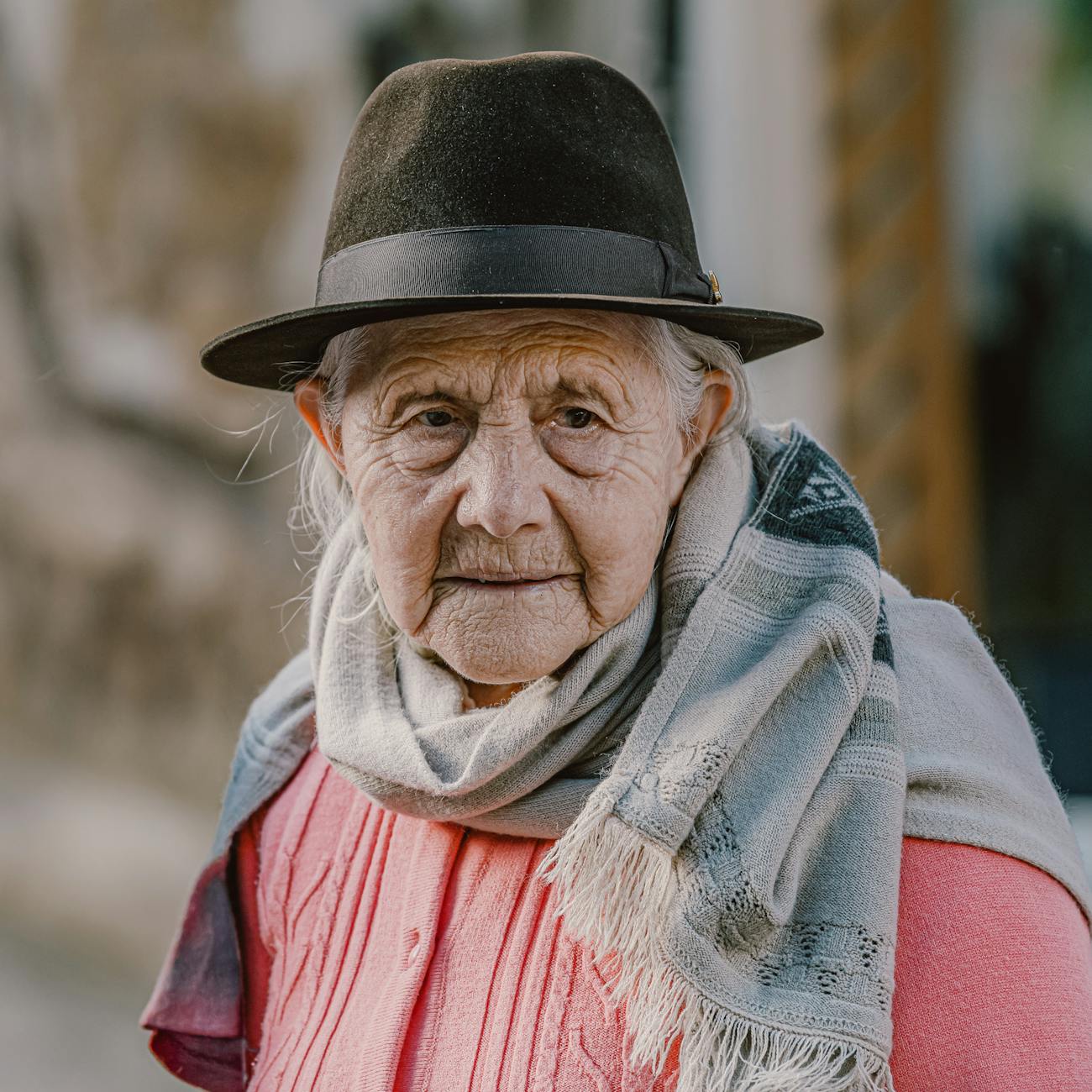
Advanced Principles of Physiotherapy for the Elderly
Introduction
Physiotherapy for the elderly involves specialized techniques and considerations to address the unique needs of older adults. Advanced principles in physiotherapy for the elderly focus on optimizing function, mobility, and quality of life for this population. This course aims to equip physiotherapists with the knowledge and skills necessary to provide effective care for older adults.
Key Terms and Vocabulary
1. Geriatrics
Geriatrics is the branch of medicine that focuses on the healthcare of older adults. It encompasses the diagnosis, treatment, and prevention of diseases and disabilities commonly associated with aging. Physiotherapists specializing in geriatrics work closely with other healthcare professionals to provide comprehensive care for elderly patients.
2. Functional Assessment
Functional assessment is a key component of physiotherapy for the elderly. It involves evaluating a patient's ability to perform activities of daily living, mobility, balance, and strength. By assessing functional abilities, physiotherapists can develop personalized treatment plans to address specific impairments and improve overall function.
3. Falls Prevention
Falls are a common and serious concern for elderly individuals. Physiotherapists play a crucial role in falls prevention by assessing risk factors, improving balance and strength, and implementing strategies to reduce the risk of falls. Falls prevention programs may include exercises, home modifications, and education on fall prevention strategies.
4. Osteoporosis
Osteoporosis is a condition characterized by low bone density, which increases the risk of fractures. Physiotherapists work with elderly patients with osteoporosis to improve bone health, reduce the risk of fractures, and enhance overall mobility and function. Exercise programs focusing on weight-bearing and resistance exercises are often recommended for individuals with osteoporosis.
5. Stroke Rehabilitation
Stroke rehabilitation is a specialized area of physiotherapy that focuses on helping stroke survivors regain function and independence. Physiotherapists use a combination of exercises, mobility training, and functional activities to improve motor function, balance, and coordination following a stroke. Stroke rehabilitation aims to maximize recovery and improve quality of life for individuals affected by stroke.
6. Cardiovascular Fitness
Maintaining cardiovascular fitness is essential for overall health and well-being, especially for older adults. Physiotherapists may prescribe aerobic exercises, such as walking, cycling, or swimming, to improve cardiovascular fitness and endurance. Cardiovascular fitness training can help reduce the risk of cardiovascular diseases, improve circulation, and enhance overall physical fitness.
7. Pain Management
Pain is a common issue among elderly individuals, often due to chronic conditions, musculoskeletal disorders, or other health issues. Physiotherapists use a variety of techniques, such as manual therapy, exercise, modalities, and education, to help manage pain and improve function. Pain management strategies may include therapeutic exercises, joint mobilizations, and modalities like heat or cold therapy.
8. Cognitive Impairment
Cognitive impairment, such as dementia or Alzheimer's disease, can impact an individual's ability to participate in physiotherapy interventions. Physiotherapists must adapt their approach to accommodate cognitive impairments, using strategies such as simplified instructions, repetition, and visual cues. Tailoring interventions to the individual's cognitive abilities can help improve compliance and outcomes in physiotherapy treatment.
9. Assistive Devices
Assistive devices play a crucial role in supporting elderly individuals with mobility and functional limitations. Physiotherapists may recommend assistive devices such as canes, walkers, wheelchairs, or orthoses to improve mobility, safety, and independence. Proper fitting, training, and education on the use of assistive devices are essential to ensure optimal benefits for the individual.
10. Multidisciplinary Collaboration
Collaboration with other healthcare professionals is key to providing comprehensive care for elderly patients. Physiotherapists often work closely with physicians, nurses, occupational therapists, and other professionals to address the complex needs of older adults. Multidisciplinary collaboration allows for a holistic approach to care, incorporating different perspectives and expertise to optimize outcomes for elderly patients.
Practical Applications
Incorporating advanced principles of physiotherapy for the elderly into clinical practice requires a comprehensive understanding of the unique needs and challenges faced by older adults. Physiotherapists can apply these principles in various settings, including hospitals, rehabilitation centers, long-term care facilities, and home care. By tailoring interventions to the individual's specific goals and abilities, physiotherapists can help elderly patients achieve optimal function, independence, and quality of life.
Challenges
Despite the benefits of advanced physiotherapy interventions for the elderly, there are several challenges that physiotherapists may encounter. These challenges include managing complex health conditions, addressing cognitive impairments, navigating medication interactions, and ensuring compliance with treatment plans. Additionally, limited access to resources, funding constraints, and staffing shortages can impact the delivery of physiotherapy services for older adults. Overcoming these challenges requires a multidisciplinary approach, ongoing education, and a patient-centered focus to provide high-quality care for elderly patients.
Conclusion
Advanced principles of physiotherapy for the elderly are essential for promoting optimal function, mobility, and quality of life in older adults. By incorporating key terms and vocabulary related to geriatrics, functional assessment, falls prevention, osteoporosis, stroke rehabilitation, cardiovascular fitness, pain management, cognitive impairment, assistive devices, and multidisciplinary collaboration, physiotherapists can enhance their practice and improve outcomes for elderly patients. Continuous learning, clinical experience, and a patient-centered approach are essential for delivering effective care to the aging population.
Key takeaways
- Advanced principles in physiotherapy for the elderly focus on optimizing function, mobility, and quality of life for this population.
- Physiotherapists specializing in geriatrics work closely with other healthcare professionals to provide comprehensive care for elderly patients.
- By assessing functional abilities, physiotherapists can develop personalized treatment plans to address specific impairments and improve overall function.
- Physiotherapists play a crucial role in falls prevention by assessing risk factors, improving balance and strength, and implementing strategies to reduce the risk of falls.
- Physiotherapists work with elderly patients with osteoporosis to improve bone health, reduce the risk of fractures, and enhance overall mobility and function.
- Physiotherapists use a combination of exercises, mobility training, and functional activities to improve motor function, balance, and coordination following a stroke.
- Cardiovascular fitness training can help reduce the risk of cardiovascular diseases, improve circulation, and enhance overall physical fitness.