
Cryptocurrency
Cryptocurrency:
Cryptocurrency:
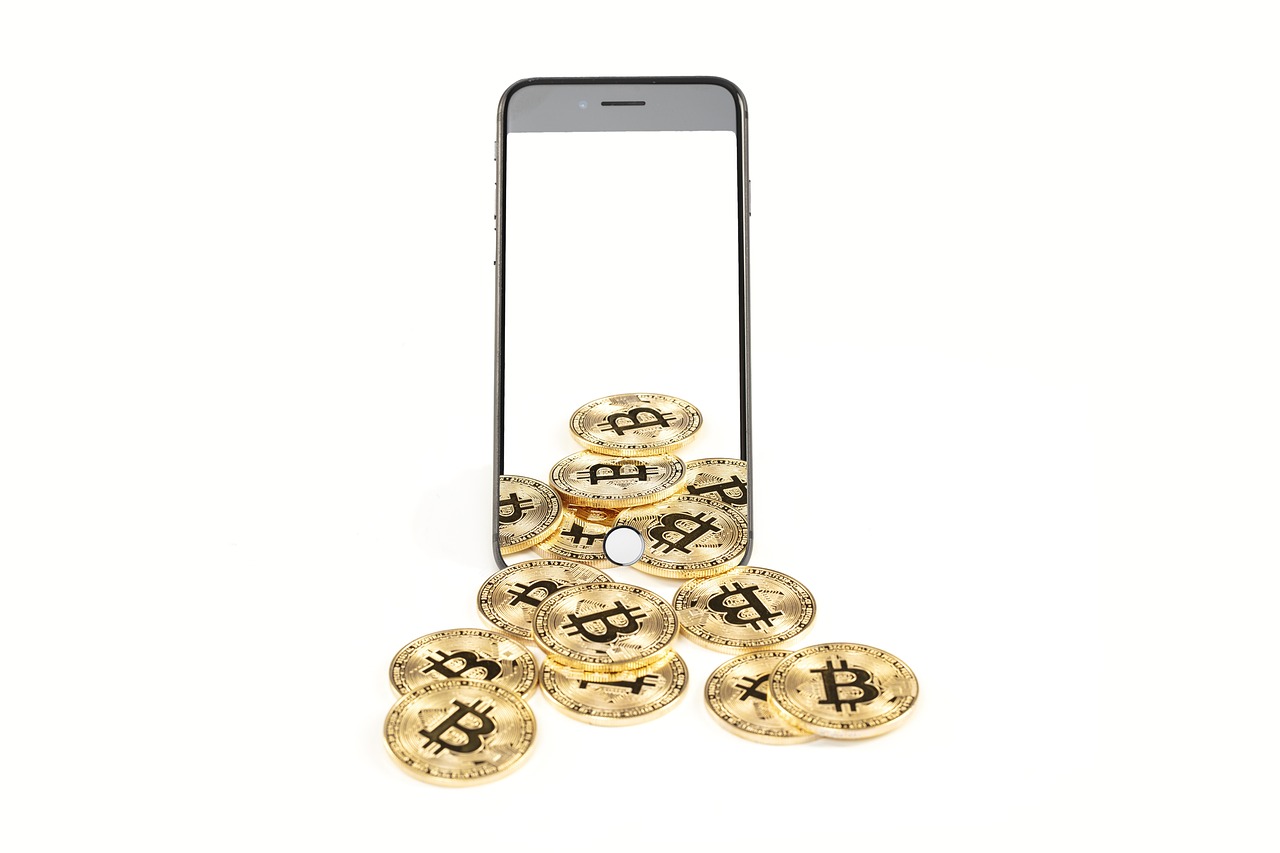
Cryptocurrency is a digital or virtual form of currency that uses cryptography for security. It operates independently of a central authority like a government or central bank. Cryptocurrencies are decentralized and typically use blockchain technology to secure transactions, control the creation of new units, and verify the transfer of assets.
Blockchain:
Blockchain is a distributed ledger technology that underpins most cryptocurrencies. It is a decentralized and transparent system that records transactions across a network of computers. Each group of transactions is stored in a block, which is then linked to the previous block, forming a chain of blocks. This creates a secure and tamper-resistant record of all transactions that have occurred on the network.
Wallet:
A cryptocurrency wallet is a digital tool that allows users to store, send, and receive cryptocurrencies. There are different types of wallets, including hardware wallets (physical devices that store cryptocurrency offline), software wallets (applications or online services), and paper wallets (printed or written copies of public and private keys).
Private Key:
A private key is a secret code that allows a user to access and control their cryptocurrency holdings. It is used to sign transactions and prove ownership of a specific address on the blockchain. Private keys should be kept secure and never shared with anyone to prevent unauthorized access to funds.
Public Key:
A public key is a cryptographic code that is derived from a user's private key. It is used to create a unique address on the blockchain where users can send and receive cryptocurrency. Public keys are safe to share with others and are often used to verify transactions on the blockchain.
Address:
An address is a unique identifier used to send and receive cryptocurrency on the blockchain. It is derived from a user's public key and is a string of alphanumeric characters. Addresses are similar to bank account numbers and are essential for conducting transactions in the cryptocurrency ecosystem.
Mining:
Mining is the process of validating transactions and adding them to the blockchain. Miners use powerful computers to solve complex mathematical puzzles that confirm the legitimacy of transactions. In return for their efforts, miners are rewarded with newly minted coins and transaction fees. Mining is crucial for securing the network and maintaining the integrity of the blockchain.
Proof of Work (PoW):
Proof of Work is a consensus mechanism used in many cryptocurrencies, including Bitcoin. It requires miners to solve complex mathematical puzzles to validate transactions and create new blocks. PoW is energy-intensive and requires significant computational power, making it secure but resource-intensive.
Proof of Stake (PoS):
Proof of Stake is an alternative consensus mechanism that selects validators based on the number of coins they hold. Validators are chosen to create new blocks and validate transactions based on their stake in the network. PoS is more energy-efficient than PoW but still ensures the security and integrity of the blockchain.
Smart Contracts:
Smart contracts are self-executing agreements written in code that automatically execute and enforce the terms of a contract when predefined conditions are met. Smart contracts run on blockchain platforms like Ethereum and enable trustless and secure transactions without the need for intermediaries.
Decentralized Finance (DeFi):
Decentralized Finance refers to a movement that aims to recreate traditional financial systems using blockchain technology. DeFi platforms offer financial services like lending, borrowing, trading, and insurance without intermediaries. DeFi is built on open and permissionless networks, enabling anyone with an internet connection to access financial services.
Tokenomics:
Tokenomics refers to the economics of tokens issued on blockchain networks. It encompasses the creation, distribution, and management of tokens within a cryptocurrency ecosystem. Tokenomics includes factors like token supply, distribution, utility, governance, and value proposition.
Token:
A token is a digital asset issued on a blockchain that represents a unit of value. Tokens can have various use cases, including utility tokens used for accessing services within a platform, security tokens representing ownership in a real-world asset, or governance tokens used for voting on network proposals.
Initial Coin Offering (ICO):
An Initial Coin Offering is a fundraising method used by cryptocurrency projects to raise capital by issuing tokens to investors. In an ICO, investors purchase tokens in exchange for cryptocurrencies like Bitcoin or Ethereum. ICOs were popular in the early days of cryptocurrency but have faced scrutiny due to regulatory concerns.
Security Token Offering (STO):
A Security Token Offering is a fundraising method that involves issuing tokens that are classified as securities. STOs comply with securities regulations and offer investors legal rights and ownership in the underlying asset. STOs provide more investor protection than ICOs but are subject to strict regulatory requirements.
Utility Token:
A utility token is a type of cryptocurrency that provides access to a specific product or service within a blockchain ecosystem. Utility tokens are not designed as investments but rather as a means of accessing platform features or services. Examples of utility tokens include Binance Coin (BNB) and Chainlink (LINK).
Governance Token:
A governance token is a type of cryptocurrency that grants holders the right to participate in the decision-making process of a decentralized platform. Governance tokens are used for voting on proposals, electing validators, or changing protocol parameters. Examples of governance tokens include Compound (COMP) and Uniswap (UNI).
Decentralized Autonomous Organization (DAO):
A Decentralized Autonomous Organization is an organization governed by smart contracts and run by its members. DAOs operate without centralized control and use blockchain technology to automate decision-making processes. DAOs are used in DeFi projects for governance, voting, and fund management.
Yield Farming:
Yield farming is a practice in DeFi that involves users providing liquidity to decentralized exchanges or lending platforms in exchange for rewards. Users earn interest, fees, or governance tokens by staking their assets in DeFi protocols. Yield farming can be lucrative but also carries risks like smart contract vulnerabilities and impermanent loss.
Impermanent Loss:
Impermanent loss occurs when the value of assets held in a liquidity pool fluctuates compared to holding those assets outside the pool. Liquidity providers may experience impermanent loss due to price volatility, resulting in lower returns on their investments. Impermanent loss is a common risk in decentralized exchanges and automated market makers.
Automated Market Maker (AMM):
An Automated Market Maker is a type of decentralized exchange that uses algorithms to determine asset prices based on supply and demand. AMMs facilitate trading without the need for order books and rely on liquidity pools to enable peer-to-peer transactions. Examples of AMMs include Uniswap, SushiSwap, and Balancer.
Flash Loan:
A flash loan is a type of DeFi loan that allows borrowers to borrow funds without collateral for a short period. Flash loans are executed in a single transaction and must be repaid within the same block. This unique feature enables arbitrage opportunities and complex trading strategies in the DeFi space.
Liquidity Mining:
Liquidity mining is a mechanism used by DeFi projects to incentivize users to provide liquidity to their platforms. Users earn rewards in the form of tokens for adding funds to liquidity pools and enhancing the trading experience. Liquidity mining helps bootstrap liquidity and drive adoption in decentralized exchanges.
Cross-Chain:
Cross-chain refers to the interoperability between different blockchain networks, allowing assets to be transferred seamlessly between them. Cross-chain technology enables users to access decentralized applications and assets across multiple blockchains, enhancing scalability, efficiency, and usability in the cryptocurrency ecosystem.
Layer 2 Scaling:
Layer 2 scaling solutions are protocols built on top of existing blockchains to improve scalability and reduce transaction costs. Layer 2 solutions enable faster and more efficient transactions by processing them off-chain or in separate layers. Examples of Layer 2 scaling solutions include Lightning Network for Bitcoin and Optimistic Rollups for Ethereum.
Oracles:
Oracles are third-party services that provide external data to smart contracts on the blockchain. Oracles enable smart contracts to interact with real-world information, such as price feeds, weather data, or sports scores. Oracles are essential for DeFi applications that require accurate and timely external data for automation.
Gas Fees:
Gas fees are the transaction fees paid by users to execute operations on the Ethereum blockchain. Gas fees are denominated in Ether and vary based on network congestion and the complexity of the transaction. Users must pay gas fees to miners to prioritize their transactions and ensure they are processed quickly.
Non-Fungible Token (NFT):
A Non-Fungible Token is a unique digital asset that represents ownership of a specific item, artwork, or collectible. NFTs are indivisible and cannot be exchanged on a one-to-one basis like cryptocurrencies. NFTs have gained popularity in digital art, gaming, and virtual real estate markets.
Token Swap:
A token swap is the process of exchanging one cryptocurrency for another at a predetermined rate. Token swaps can occur for various reasons, such as migrating to a new blockchain, upgrading token technology, or rebranding a project. Token swaps are facilitated by cryptocurrency exchanges or decentralized platforms.
Staking:
Staking is the process of participating in a proof-of-stake blockchain network by locking up tokens to support network operations. Stakers are rewarded with additional tokens for securing the network and validating transactions. Staking provides a passive income stream for token holders while contributing to network security.
Fork:
A fork is a software update or change in the blockchain protocol that creates two separate versions of the blockchain. Forks can be categorized as hard forks (permanent split) or soft forks (temporary split). Forks can occur due to disagreements among network participants, protocol upgrades, or security vulnerabilities.
Halving:
Halving is an event that occurs in some cryptocurrencies, such as Bitcoin, where the reward for mining new blocks is halved. Halving events are programmed into the blockchain protocol to control the issuance of new coins and maintain scarcity. Halving events typically lead to increased scarcity and price appreciation in cryptocurrencies.
Whale:
A whale is a term used in the cryptocurrency space to describe an individual or entity that holds a large amount of a specific cryptocurrency. Whales have significant influence over market prices and can impact trading volumes by buying or selling large amounts of assets. Whales are closely monitored by the community for potential market manipulation.
FOMO and FUD:
FOMO (Fear of Missing Out) and FUD (Fear, Uncertainty, and Doubt) are psychological phenomena that influence investor behavior in the cryptocurrency market. FOMO describes the fear of missing out on potential gains, leading investors to make impulsive decisions. FUD refers to negative sentiments and rumors that create uncertainty and doubt among investors.
Pump and Dump:
Pump and dump is a form of market manipulation where investors artificially inflate the price of an asset (pump) and then sell off their holdings at a profit (dump). Pump and dump schemes deceive unsuspecting investors and can lead to significant losses. It is essential for investors to conduct thorough research and avoid falling victim to such schemes.
Rug Pull:
A rug pull is a deceptive practice in the DeFi space where developers abandon a project after attracting significant liquidity, resulting in investors losing their funds. Rug pulls typically involve developers draining liquidity pools or selling off tokens before disappearing. Investors should be cautious and conduct due diligence to avoid falling for rug pulls.
Token Burn:
Token burn is a process where a portion of a cryptocurrency's supply is permanently removed from circulation. Token burns are often used to reduce supply, increase scarcity, and boost the value of remaining tokens. Projects may burn tokens to reward holders, increase token utility, or maintain a healthy token economy.
Cross-Chain Bridge:
A cross-chain bridge is a protocol that facilitates the transfer of assets between different blockchain networks. Cross-chain bridges enable interoperability and seamless asset transfers across multiple blockchains. They play a crucial role in connecting decentralized finance platforms, allowing users to access liquidity and assets from various networks.
Layer 1 Blockchain:
A Layer 1 blockchain is the base layer of a blockchain network that handles fundamental functions like transaction processing, consensus mechanisms, and security. Layer 1 blockchains are the foundation for decentralized applications and smart contracts. Examples of Layer 1 blockchains include Bitcoin, Ethereum, and Cardano.
Inflationary and Deflationary Tokens:
Inflationary tokens are cryptocurrencies with an increasing supply over time, leading to a decrease in purchasing power. Deflationary tokens, on the other hand, have a decreasing supply, which can result in price appreciation and scarcity. Investors should consider the inflationary or deflationary nature of tokens when evaluating their investment potential.
Arbitrage:
Arbitrage is a trading strategy that involves simultaneously buying and selling assets on different exchanges to profit from price discrepancies. Arbitrage opportunities arise due to inefficiencies in the market and can be exploited by traders to generate profits. Arbitrage plays a crucial role in balancing prices and improving liquidity in cryptocurrency markets.
Key takeaways
- Cryptocurrencies are decentralized and typically use blockchain technology to secure transactions, control the creation of new units, and verify the transfer of assets.
- Each group of transactions is stored in a block, which is then linked to the previous block, forming a chain of blocks.
- A cryptocurrency wallet is a digital tool that allows users to store, send, and receive cryptocurrencies.
- Private keys should be kept secure and never shared with anyone to prevent unauthorized access to funds.
- It is used to create a unique address on the blockchain where users can send and receive cryptocurrency.
- Addresses are similar to bank account numbers and are essential for conducting transactions in the cryptocurrency ecosystem.
- Miners use powerful computers to solve complex mathematical puzzles that confirm the legitimacy of transactions.