
Forensic Investigation of Steel Structures
Forensic Investigation of Steel Structures
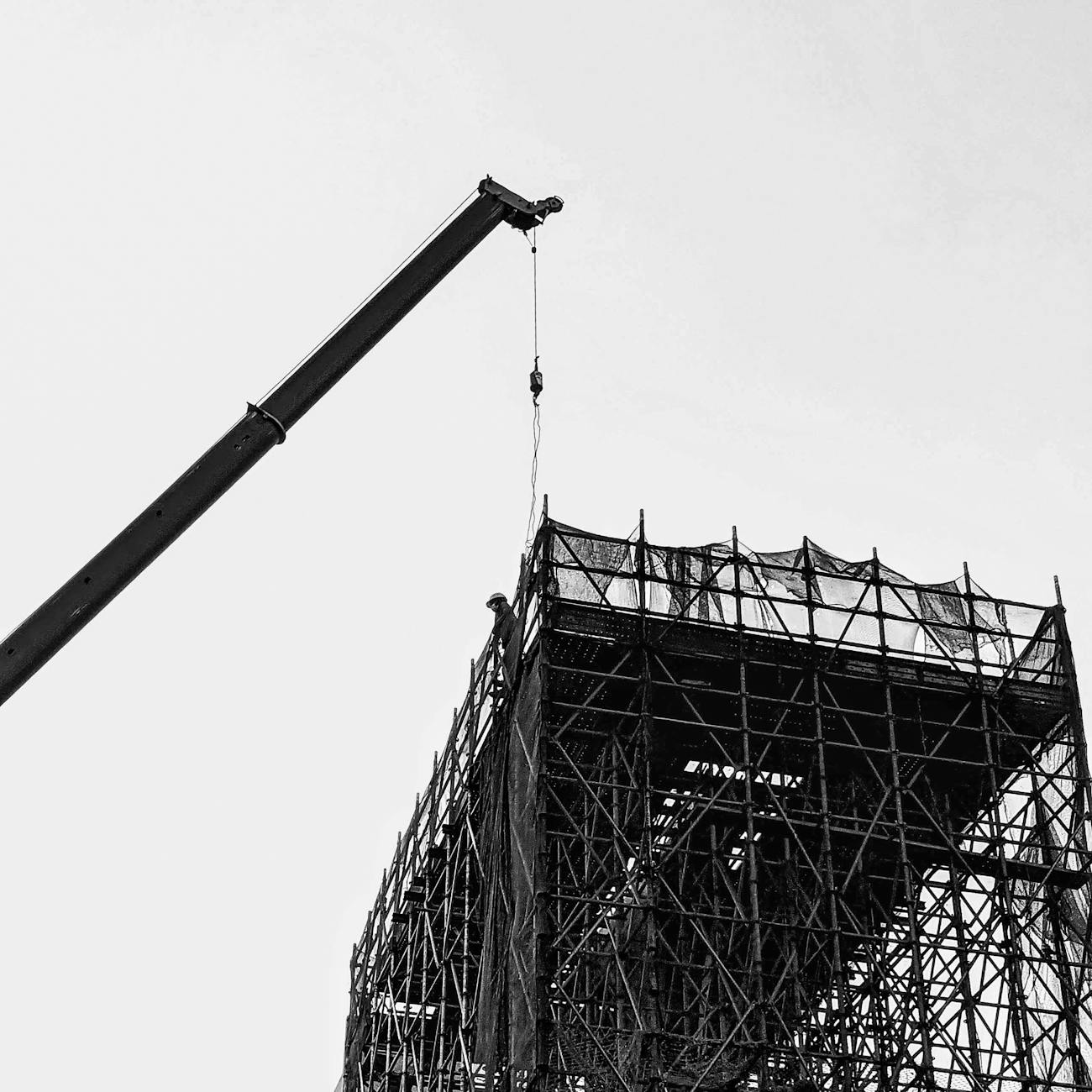
Forensic Investigation of Steel Structures
The field of forensic investigation of steel structures involves the examination and analysis of steel components to determine the cause of failures, defects, or other issues that may compromise the structural integrity of a building or bridge. This process requires a combination of engineering expertise, materials science knowledge, and investigative skills to uncover the underlying problems and propose effective solutions.
Key Terms and Vocabulary
1. Forensic Engineering: This discipline involves the investigation of materials, products, structures, or components that fail or do not operate as intended. Forensic engineers use scientific principles and engineering techniques to analyze the root causes of failures and provide recommendations to prevent future incidents.
2. Steel Structure: A steel structure is a building or bridge that uses steel as the primary construction material. Steel structures are known for their strength, durability, and flexibility, making them a popular choice for many construction projects.
3. Structural Integrity: Structural integrity refers to the ability of a structure to withstand loads and stresses without failing. Maintaining structural integrity is crucial to ensuring the safety and performance of a building or bridge.
4. Failure Analysis: Failure analysis is the process of investigating why a structure or component failed to perform as expected. This involves examining the design, materials, construction methods, and environmental factors that may have contributed to the failure.
5. Corrosion: Corrosion is the gradual degradation of steel due to chemical reactions with the environment. Corrosion weakens the steel material and can lead to structural failures if left unchecked.
6. Fatigue: Fatigue is the weakening of steel due to repeated or cyclic loading. Fatigue cracks can develop in steel structures over time, leading to potential failures if not addressed.
7. Welding Defects: Welding defects can occur during the construction of steel structures, leading to weak points that may compromise the overall integrity of the structure. Common welding defects include porosity, cracks, and incomplete fusion.
8. Material Testing: Material testing involves analyzing the properties of steel used in a structure to ensure it meets the required specifications. Tests such as tensile testing, hardness testing, and chemical analysis can help identify any material defects or inconsistencies.
9. Non-Destructive Testing (NDT): NDT techniques are used to inspect steel structures without causing damage to the material. Common NDT methods include ultrasonic testing, magnetic particle testing, and radiographic testing.
10. Load Testing: Load testing involves applying controlled loads to a structure to assess its performance under different conditions. This helps engineers evaluate the structural capacity of a steel structure and identify any weaknesses or deficiencies.
11. Remediation: Remediation refers to the process of repairing or strengthening a steel structure to address any deficiencies or failures identified during the forensic investigation. This may involve replacing corroded elements, reinforcing weak points, or implementing preventive maintenance measures.
12. Forensic Report: A forensic report documents the findings of the investigation, including the causes of failure, analysis of structural deficiencies, recommendations for remediation, and any relevant supporting evidence. The report serves as a critical tool for stakeholders to understand the issues and make informed decisions.
Practical Applications
Forensic investigation of steel structures plays a crucial role in ensuring the safety and longevity of buildings, bridges, and other steel-based infrastructure. By conducting thorough examinations and analyses, engineers can identify potential hazards, prevent catastrophic failures, and improve the overall performance of steel structures. Some practical applications of forensic investigation in steel structures include:
1. Building Inspections: Forensic engineers inspect existing buildings to assess their structural condition, identify potential defects or deterioration, and recommend maintenance or repair measures to ensure safety and compliance with building codes.
2. Bridge Assessments: Forensic engineers evaluate the structural integrity of bridges by conducting detailed inspections, testing critical components, and analyzing the causes of deterioration or failures. This information helps bridge owners make informed decisions about maintenance, repairs, or replacement.
3. Failure Investigations: When a steel structure experiences a failure, forensic engineers are called upon to investigate the root causes and determine why the failure occurred. By analyzing the design, materials, construction methods, and environmental factors, engineers can provide valuable insights to prevent similar incidents in the future.
4. Historic Preservation: Forensic investigation is essential for preserving historic steel structures by assessing their structural integrity, identifying deterioration or damage, and recommending appropriate conservation measures to maintain the structural and architectural integrity of these valuable assets.
5. Expert Witness Testimony: Forensic engineers often serve as expert witnesses in legal proceedings related to structural failures, construction defects, or disputes. Their expertise in analyzing complex technical issues and presenting findings in a clear and unbiased manner can help stakeholders reach fair and informed decisions.
Challenges in Forensic Investigation
While forensic investigation of steel structures is a valuable tool for ensuring the safety and performance of infrastructure, it also presents several challenges that engineers must overcome. Some common challenges include:
1. Complexity of Structural Systems: Steel structures are often complex systems with interconnected components and interactions that can make it challenging to identify the root causes of failures. Engineers must have a deep understanding of structural behavior and failure mechanisms to effectively analyze these systems.
2. Limited Access to Critical Areas: Inspecting and testing critical components of steel structures, such as welds or hidden connections, can be difficult due to limited access or confined spaces. Engineers must use specialized tools and techniques to overcome these access limitations and gather accurate data.
3. Environmental Factors: Environmental conditions, such as exposure to corrosive elements or extreme weather, can accelerate the deterioration of steel structures and complicate the forensic investigation process. Engineers must consider these factors when assessing the structural condition and proposing remediation measures.
4. Interdisciplinary Collaboration: Forensic investigation of steel structures often requires collaboration with experts from various disciplines, such as materials science, metallurgy, and geotechnical engineering. Effective communication and coordination among team members are essential to ensure a comprehensive analysis and accurate findings.
5. Legal and Ethical Considerations: Forensic engineers must adhere to legal and ethical standards when conducting investigations and reporting findings related to structural failures. Maintaining objectivity, integrity, and professionalism is crucial to upholding the credibility of the investigation and any subsequent legal proceedings.
Conclusion
In conclusion, forensic investigation of steel structures is a critical process that helps engineers identify the root causes of failures, defects, or deterioration in steel-based infrastructure. By applying engineering principles, materials science knowledge, and investigative skills, engineers can uncover hidden issues, propose effective solutions, and prevent future incidents. Through practical applications, such as building inspections, bridge assessments, failure investigations, historic preservation, and expert witness testimony, forensic engineers play a vital role in ensuring the safety, integrity, and performance of steel structures. Despite the challenges involved, such as the complexity of structural systems, limited access to critical areas, environmental factors, interdisciplinary collaboration, and legal and ethical considerations, forensic investigation remains an essential tool for maintaining the reliability and longevity of steel infrastructure.
Key takeaways
- This process requires a combination of engineering expertise, materials science knowledge, and investigative skills to uncover the underlying problems and propose effective solutions.
- Forensic engineers use scientific principles and engineering techniques to analyze the root causes of failures and provide recommendations to prevent future incidents.
- Steel structures are known for their strength, durability, and flexibility, making them a popular choice for many construction projects.
- Structural Integrity: Structural integrity refers to the ability of a structure to withstand loads and stresses without failing.
- This involves examining the design, materials, construction methods, and environmental factors that may have contributed to the failure.
- Corrosion: Corrosion is the gradual degradation of steel due to chemical reactions with the environment.
- Fatigue cracks can develop in steel structures over time, leading to potential failures if not addressed.