
Adaptation Strategies for Urban Transportation
Urban transportation plays a critical role in the functioning of cities around the world. As urban populations continue to grow, the demand for efficient and sustainable transportation systems becomes increasingly important. However, the im…
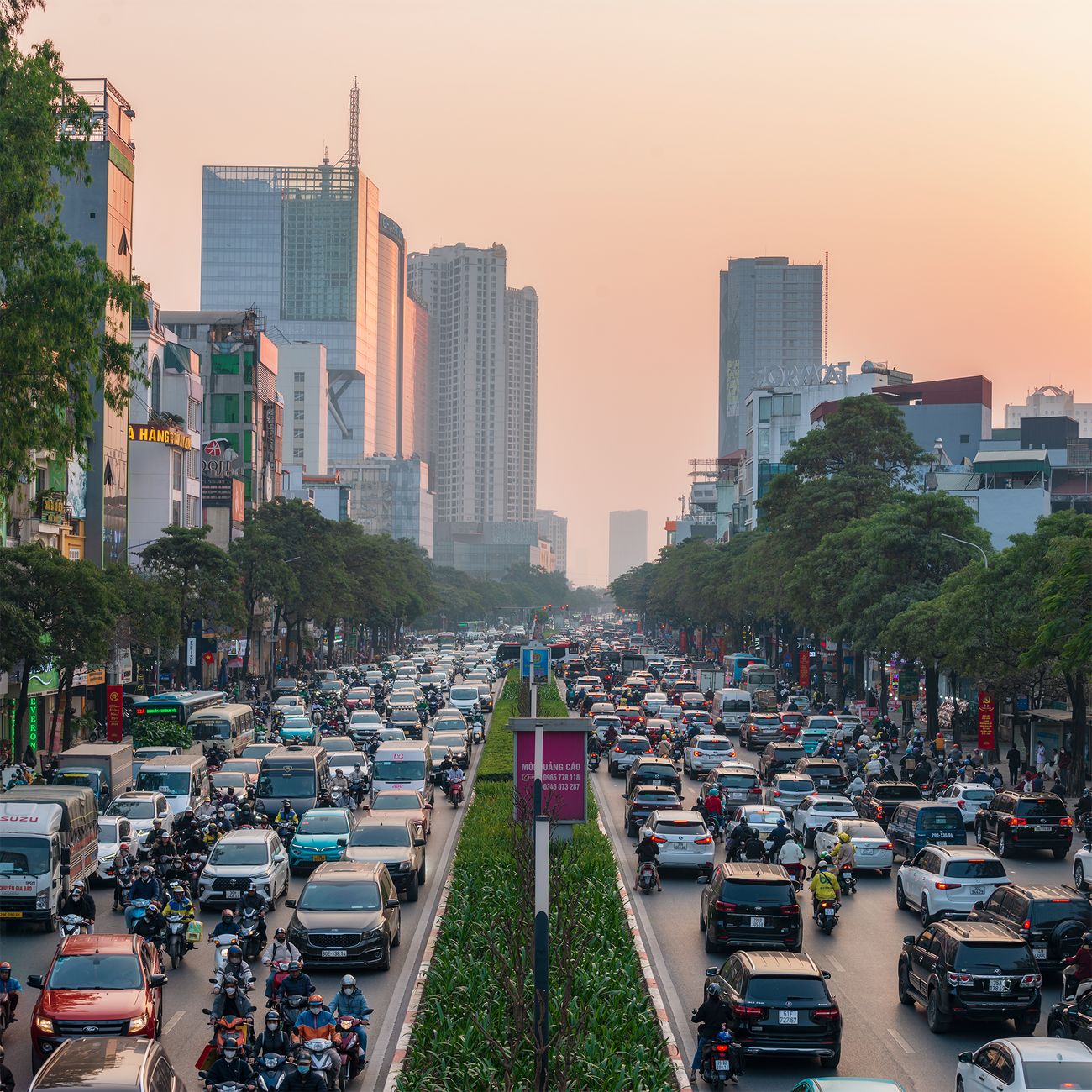
Urban transportation plays a critical role in the functioning of cities around the world. As urban populations continue to grow, the demand for efficient and sustainable transportation systems becomes increasingly important. However, the impacts of climate change are putting pressure on existing transportation infrastructure, leading to the need for adaptation strategies to mitigate these risks. The Certified Professional in Climate Risk Mitigation for Urban Transportation course equips individuals with the knowledge and skills needed to address these challenges and develop effective adaptation strategies. In this course, students will learn key terms and vocabulary related to urban transportation adaptation strategies to enhance their understanding of the subject matter.
1. **Adaptation:** Adaptation refers to the process of adjusting to the changing climate conditions to minimize negative impacts and take advantage of new opportunities. In the context of urban transportation, adaptation strategies aim to make transportation systems more resilient to climate change effects such as extreme weather events, sea-level rise, and changing precipitation patterns.
2. **Mitigation:** Mitigation involves actions taken to reduce or prevent the emission of greenhouse gases that contribute to climate change. While adaptation focuses on addressing the impacts of climate change, mitigation aims to tackle the root causes of climate change by reducing emissions from transportation sources such as vehicles and infrastructure.
3. **Resilience:** Resilience is the ability of a system to withstand and recover from disturbances or shocks. In the context of urban transportation, resilience refers to the capacity of transportation systems to continue functioning effectively in the face of climate change impacts.
4. **Vulnerability:** Vulnerability refers to the susceptibility of a system to harm from climate change. In urban transportation, vulnerable areas may include low-lying roads prone to flooding, infrastructure exposed to extreme heat, or communities reliant on public transportation services that may be disrupted by climate events.
5. **Climate Change:** Climate change refers to long-term changes in temperature, precipitation, and other climatic factors due to human activities such as burning fossil fuels and deforestation. The effects of climate change can impact urban transportation systems through increased flooding, heatwaves, and other extreme weather events.
6. **Adaptation Strategies:** Adaptation strategies are actions taken to reduce the risks and impacts of climate change on urban transportation systems. These strategies may include infrastructure improvements, policy changes, and community engagement to enhance the resilience of transportation networks.
7. **Urban Transportation:** Urban transportation encompasses the movement of people and goods within cities and urban areas. Modes of urban transportation include public transit, walking, cycling, and private vehicles. The design and operation of urban transportation systems play a crucial role in shaping the sustainability and livability of cities.
8. **Climate Resilient Transportation Infrastructure:** Climate resilient transportation infrastructure refers to roads, bridges, public transit systems, and other transportation facilities designed to withstand the impacts of climate change. Resilient infrastructure may include features such as raised roadways, flood barriers, and improved drainage systems to reduce vulnerability to extreme weather events.
9. **Greenhouse Gas Emissions:** Greenhouse gas emissions are gases that trap heat in the Earth's atmosphere, leading to global warming and climate change. Transportation is a significant source of greenhouse gas emissions, primarily from burning fossil fuels in vehicles. Mitigation strategies aim to reduce these emissions through measures such as promoting public transit, electric vehicles, and active transportation modes.
10. **Adaptive Capacity:** Adaptive capacity refers to the ability of a system or community to adjust to changing conditions and effectively implement adaptation strategies. Building adaptive capacity in urban transportation systems involves enhancing flexibility, innovation, and collaboration among stakeholders to address climate change risks.
11. **Stakeholder Engagement:** Stakeholder engagement involves involving individuals, organizations, and communities in the decision-making process related to urban transportation adaptation strategies. Engaging stakeholders can help build support for initiatives, gather input from diverse perspectives, and ensure that adaptation measures are responsive to the needs of the community.
12. **Sea-Level Rise:** Sea-level rise is the gradual increase in global sea levels due to the melting of ice caps and glaciers and the expansion of seawater as it warms. Sea-level rise poses a significant threat to coastal cities and urban transportation infrastructure located in low-lying areas, increasing the risk of flooding and erosion.
13. **Extreme Weather Events:** Extreme weather events such as hurricanes, heatwaves, heavy rainfall, and snowstorms are becoming more frequent and intense due to climate change. These events can disrupt urban transportation systems, damage infrastructure, and pose risks to the safety and mobility of residents.
14. **Adaptation Planning:** Adaptation planning involves developing strategies and policies to prepare for and respond to the impacts of climate change on urban transportation. Adaptation plans may include risk assessments, vulnerability analyses, and prioritization of actions to enhance the resilience of transportation networks.
15. **Integrated Transportation Planning:** Integrated transportation planning involves considering multiple modes of transportation, land use, environmental factors, and community needs in the development of transportation systems. By integrating transportation planning with climate adaptation strategies, cities can create more sustainable, efficient, and resilient transportation networks.
16. **Multi-modal Transportation:** Multi-modal transportation refers to the use of multiple modes of transportation within a single journey, such as combining walking, cycling, public transit, and private vehicles. Multi-modal transportation systems offer flexibility, reduce reliance on single modes of transport, and can enhance the resilience of urban transportation networks to climate change impacts.
17. **Public Transit:** Public transit includes buses, trains, trams, and other shared transportation services that provide mobility for large numbers of people in urban areas. Public transit plays a crucial role in reducing greenhouse gas emissions, alleviating traffic congestion, and promoting sustainable urban transportation solutions.
18. **Active Transportation:** Active transportation involves human-powered modes of travel such as walking and cycling. Active transportation promotes physical activity, reduces emissions, and enhances urban livability. Integrating active transportation into urban transportation systems can improve resilience to climate change impacts and support sustainable mobility.
19. **Electric Vehicles:** Electric vehicles (EVs) are vehicles powered by electric motors and batteries, rather than internal combustion engines fueled by gasoline or diesel. EVs produce zero tailpipe emissions, helping to reduce air pollution and greenhouse gas emissions from transportation. Promoting the adoption of EVs is a key mitigation strategy for reducing the environmental impact of urban transportation.
20. **Smart Transportation Systems:** Smart transportation systems use technology, data, and communication networks to optimize the efficiency, safety, and sustainability of transportation networks. Smart transportation solutions such as real-time traffic monitoring, intelligent traffic signals, and ride-sharing apps can improve the resilience of urban transportation systems and enhance the overall urban mobility experience.
21. **Adaptation Finance:** Adaptation finance refers to funding mechanisms and financial resources allocated to support climate change adaptation initiatives, including those related to urban transportation. Securing adequate funding for adaptation projects is essential to implement infrastructure upgrades, policy changes, and community engagement efforts to enhance the resilience of transportation systems.
22. **Capacity Building:** Capacity building involves enhancing the knowledge, skills, and resources of individuals and organizations to address climate change challenges. Capacity building in urban transportation adaptation strategies may include training programs, workshops, technical assistance, and knowledge sharing to empower stakeholders to develop and implement effective adaptation measures.
23. **Climate Change Impact Assessment:** Climate change impact assessment involves evaluating the potential effects of climate change on urban transportation systems, such as changes in temperature, precipitation, sea levels, and extreme weather events. By conducting impact assessments, cities can identify vulnerabilities, prioritize risks, and develop targeted adaptation strategies to enhance the resilience of transportation infrastructure.
24. **Carbon Footprint:** A carbon footprint is the total amount of greenhouse gas emissions produced directly and indirectly by an individual, organization, product, or activity. Measuring and reducing the carbon footprint of urban transportation systems is essential for mitigating climate change impacts and promoting sustainable mobility options.
25. **Low-Carbon Transportation:** Low-carbon transportation refers to transportation modes and practices that produce fewer greenhouse gas emissions compared to traditional fossil fuel-powered vehicles. Low-carbon transportation options include public transit, cycling, walking, electric vehicles, and carpooling, which can help reduce the environmental impact of urban transportation and support climate change mitigation efforts.
26. **Adaptation Monitoring and Evaluation:** Adaptation monitoring and evaluation involve tracking the progress, effectiveness, and outcomes of adaptation measures implemented in urban transportation systems. Monitoring and evaluation activities help assess the performance of adaptation strategies, identify success factors and challenges, and inform future decision-making to enhance the resilience of transportation infrastructure.
27. **Sustainable Urban Mobility:** Sustainable urban mobility encompasses transportation solutions that are environmentally friendly, socially equitable, economically viable, and culturally acceptable. Sustainable urban mobility strategies aim to reduce greenhouse gas emissions, improve air quality, enhance accessibility, and promote healthy and inclusive transportation options for all residents.
28. **Climate Resilient Cities:** Climate-resilient cities are cities that are prepared to withstand and adapt to the impacts of climate change, including those on urban transportation systems. Resilient cities integrate climate adaptation into urban planning, infrastructure development, and community engagement to enhance the sustainability, safety, and livability of urban environments.
29. **Adaptation Challenges:** Adaptation challenges in urban transportation include barriers such as limited funding, competing priorities, regulatory constraints, lack of technical expertise, and resistance to change. Overcoming these challenges requires strong leadership, collaboration among stakeholders, innovation, and long-term planning to develop effective adaptation strategies and enhance the resilience of transportation systems.
30. **Climate Risk Management:** Climate risk management involves identifying, assessing, and responding to risks posed by climate change on urban transportation systems. Effective risk management strategies include proactive planning, risk reduction measures, emergency preparedness, and continuous monitoring to minimize the impacts of climate-related hazards and ensure the safety and sustainability of transportation infrastructure.
In conclusion, the Certified Professional in Climate Risk Mitigation for Urban Transportation course provides a comprehensive overview of key terms and vocabulary related to adaptation strategies for urban transportation. By understanding these concepts, participants can develop the knowledge and skills needed to address the challenges of climate change, enhance the resilience of transportation systems, and promote sustainable urban mobility solutions. Urban transportation professionals who complete this course will be equipped to implement effective adaptation measures, engage stakeholders, and contribute to building climate-resilient cities for the future.
Key takeaways
- The Certified Professional in Climate Risk Mitigation for Urban Transportation course equips individuals with the knowledge and skills needed to address these challenges and develop effective adaptation strategies.
- In the context of urban transportation, adaptation strategies aim to make transportation systems more resilient to climate change effects such as extreme weather events, sea-level rise, and changing precipitation patterns.
- While adaptation focuses on addressing the impacts of climate change, mitigation aims to tackle the root causes of climate change by reducing emissions from transportation sources such as vehicles and infrastructure.
- In the context of urban transportation, resilience refers to the capacity of transportation systems to continue functioning effectively in the face of climate change impacts.
- In urban transportation, vulnerable areas may include low-lying roads prone to flooding, infrastructure exposed to extreme heat, or communities reliant on public transportation services that may be disrupted by climate events.
- **Climate Change:** Climate change refers to long-term changes in temperature, precipitation, and other climatic factors due to human activities such as burning fossil fuels and deforestation.
- These strategies may include infrastructure improvements, policy changes, and community engagement to enhance the resilience of transportation networks.