
National Oil Company Regulations
National Oil Company Regulations play a crucial role in the oil and gas industry, governing the operations, activities, and management of state-owned oil companies. These regulations are designed to ensure transparency, efficiency, and acco…
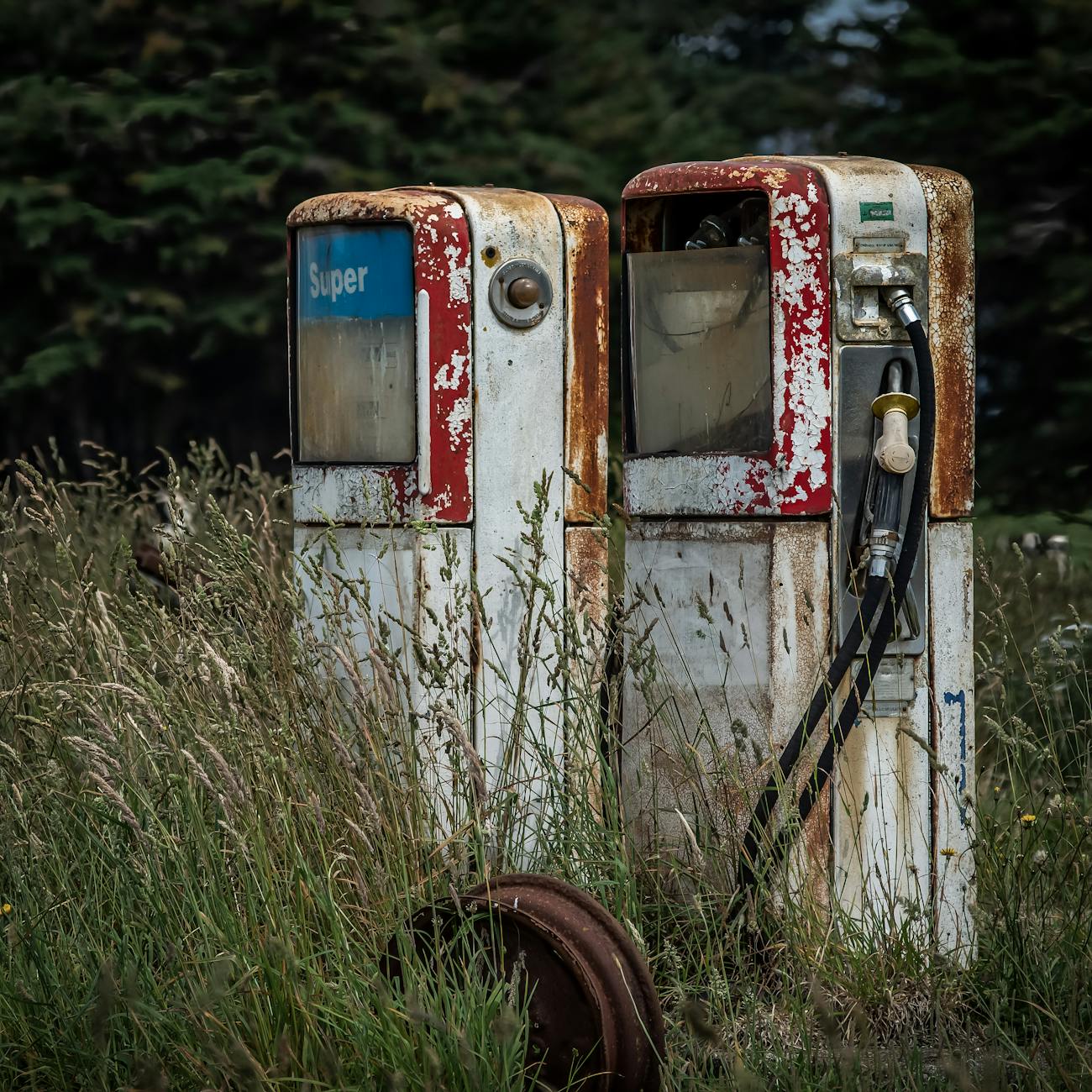
National Oil Company Regulations play a crucial role in the oil and gas industry, governing the operations, activities, and management of state-owned oil companies. These regulations are designed to ensure transparency, efficiency, and accountability in the management of national resources. In this course, we will explore key terms and vocabulary related to National Oil Company Regulations to gain a better understanding of the legal framework that governs these entities.
1. **National Oil Company (NOC)**: A state-owned entity responsible for the exploration, production, refining, and marketing of oil and gas resources within a country. NOCs are often established to manage and develop a country's oil and gas reserves for the benefit of its citizens.
2. **Regulations**: Rules and guidelines set by the government or regulatory authorities to govern the operations of NOCs. These regulations cover a wide range of areas, including licensing, environmental protection, revenue management, and corporate governance.
3. **Licensing**: The process through which NOCs are granted the right to explore, develop, and produce oil and gas resources in a specific area. Licensing agreements typically outline the rights and obligations of the NOC, including work commitments, financial obligations, and production sharing arrangements.
4. **Exploration**: The initial phase of oil and gas operations, where the NOC conducts geological surveys, seismic studies, and drilling activities to identify potential reserves. Exploration activities are crucial for determining the commercial viability of a project.
5. **Production**: The phase of oil and gas operations where the NOC extracts hydrocarbons from the ground and processes them for sale. Production activities involve drilling wells, installing infrastructure, and transporting the extracted oil and gas to refineries or export terminals.
6. **Refining**: The process of converting crude oil into refined products such as gasoline, diesel, and jet fuel. Refining is an essential part of the oil and gas value chain, allowing the NOC to maximize the value of its production by processing crude oil into higher-value products.
7. **Marketing**: The distribution and sale of oil and gas products to consumers. Marketing activities involve setting prices, establishing distribution channels, and promoting the NOC's products in domestic and international markets.
8. **Revenue Management**: The process of managing the revenues generated from oil and gas production to ensure transparency, accountability, and sustainable development. Revenue management includes collecting taxes, royalties, and other payments from oil and gas companies, as well as investing and distributing revenues for the benefit of the country.
9. **Corporate Governance**: The system of rules, practices, and processes by which NOCs are directed and controlled. Good corporate governance is essential for ensuring that NOCs operate efficiently, ethically, and in the best interests of their stakeholders.
10. **Transparency**: The principle of openness, accountability, and disclosure in the operations of NOCs. Transparency is critical for building trust with stakeholders, including the government, investors, local communities, and civil society.
11. **Accountability**: The obligation of NOCs to answer for their actions, decisions, and performance. Accountability involves being responsible for meeting legal, ethical, and operational standards, as well as being subject to oversight and scrutiny by relevant authorities.
12. **Sustainability**: The principle of balancing economic, social, and environmental objectives in the operations of NOCs. Sustainable development aims to meet the needs of the present without compromising the ability of future generations to meet their own needs.
13. **Stakeholders**: Individuals, groups, or organizations that have an interest or stake in the operations of NOCs. Stakeholders include the government, employees, investors, local communities, environmental groups, and other parties affected by the activities of the NOC.
14. **Local Content**: The policy of promoting the participation of local companies, workers, and suppliers in the operations of NOCs. Local content requirements aim to maximize the economic benefits of oil and gas projects for the host country by creating jobs, building local capacity, and supporting local businesses.
15. **Joint Ventures**: Partnerships between NOCs and private companies to develop oil and gas projects. Joint ventures allow NOCs to access expertise, technology, and capital from private partners while sharing risks and rewards in the development of oil and gas reserves.
16. **Production Sharing Agreement (PSA)**: A contractual arrangement between the government and an NOC or private company for the exploration and production of oil and gas resources. PSAs typically involve sharing production revenues between the government and the contractor based on pre-agreed terms.
17. **Royalties**: Payments made by oil and gas companies to the government for the right to extract resources from a specific area. Royalties are usually calculated as a percentage of the value of production and are a key source of revenue for the government.
18. **Taxation**: The levying of taxes on the income, profits, or revenues generated by oil and gas companies. Taxation is an important revenue source for the government and plays a crucial role in the fiscal regime governing oil and gas operations.
19. **Environmental Protection**: The measures taken by NOCs to minimize the environmental impact of their operations. Environmental protection includes efforts to prevent pollution, conserve natural resources, and mitigate the effects of climate change associated with oil and gas production.
20. **Health and Safety**: The policies and practices implemented by NOCs to protect the health and safety of their employees, contractors, and the public. Health and safety measures aim to prevent accidents, injuries, and occupational illnesses in the workplace.
21. **Compliance**: The adherence to laws, regulations, and industry standards by NOCs in their operations. Compliance is essential for maintaining the license to operate, managing risks, and upholding the reputation of the NOC.
22. **Risk Management**: The process of identifying, assessing, and mitigating risks associated with the operations of NOCs. Risk management involves developing strategies to minimize the impact of potential threats to the business, including market risks, operational risks, and geopolitical risks.
23. **Ethics**: The principles of conduct and behavior that guide the decision-making of NOCs and their employees. Ethical considerations include honesty, integrity, respect for human rights, and compliance with laws and regulations.
24. **Corruption**: The abuse of power or position for personal gain within the operations of NOCs. Corruption undermines transparency, accountability, and good governance, and can have serious legal and reputational consequences for the NOC.
25. **Enforcement**: The process of ensuring compliance with National Oil Company Regulations through monitoring, inspection, and sanctions. Enforcement mechanisms may include fines, penalties, license revocation, or legal action against violators of the regulations.
In conclusion, understanding key terms and vocabulary related to National Oil Company Regulations is essential for navigating the complex legal and regulatory landscape of the oil and gas industry. By familiarizing ourselves with these concepts, we can better appreciate the challenges, opportunities, and responsibilities that come with managing state-owned oil companies in today's global economy.
Key takeaways
- In this course, we will explore key terms and vocabulary related to National Oil Company Regulations to gain a better understanding of the legal framework that governs these entities.
- **National Oil Company (NOC)**: A state-owned entity responsible for the exploration, production, refining, and marketing of oil and gas resources within a country.
- These regulations cover a wide range of areas, including licensing, environmental protection, revenue management, and corporate governance.
- Licensing agreements typically outline the rights and obligations of the NOC, including work commitments, financial obligations, and production sharing arrangements.
- **Exploration**: The initial phase of oil and gas operations, where the NOC conducts geological surveys, seismic studies, and drilling activities to identify potential reserves.
- Production activities involve drilling wells, installing infrastructure, and transporting the extracted oil and gas to refineries or export terminals.
- Refining is an essential part of the oil and gas value chain, allowing the NOC to maximize the value of its production by processing crude oil into higher-value products.