
Understanding Autism Spectrum Disorder
Autism Spectrum Disorder (ASD) is a neurodevelopmental condition characterized by persistent differences in social communication and the presence of restricted, repetitive patterns of behavior, interests, or activities. The term “spectrum” …
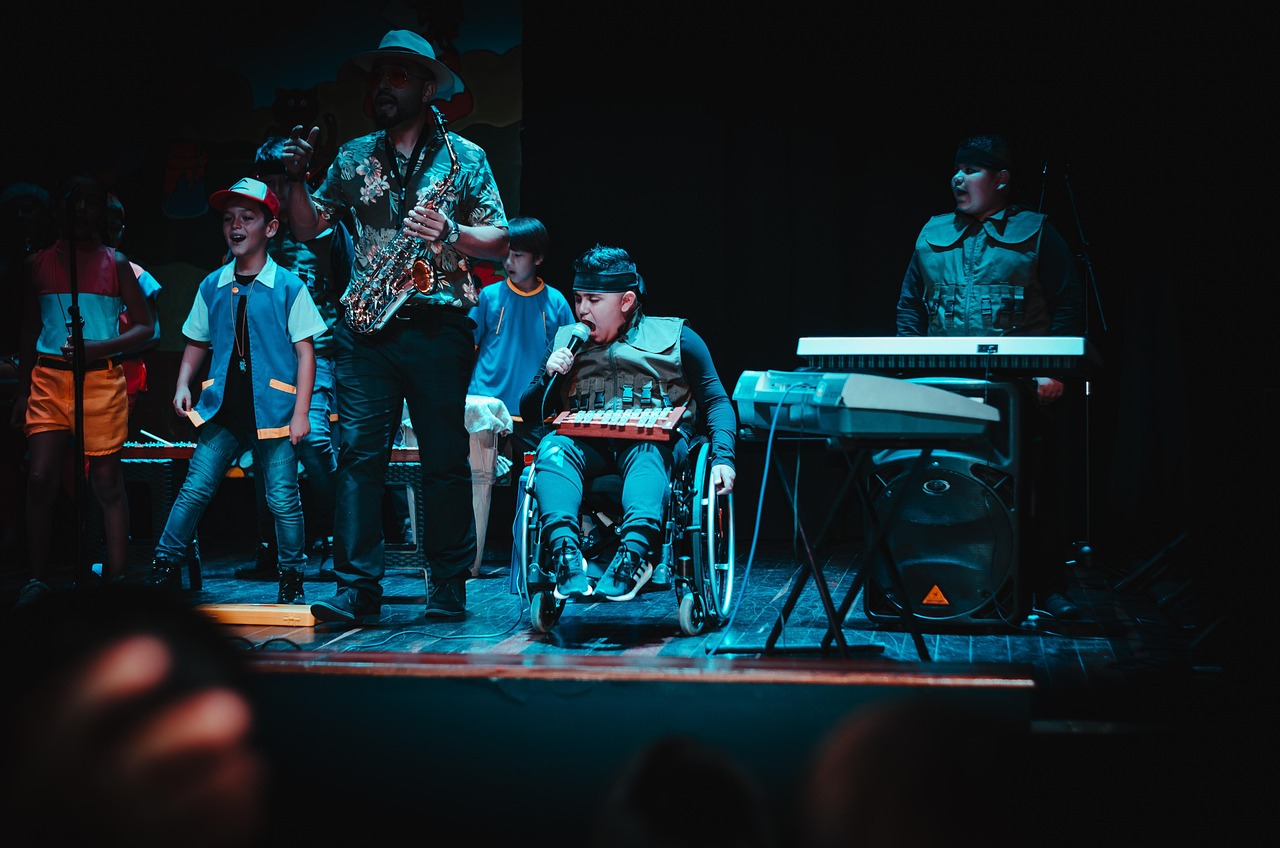
Autism Spectrum Disorder (ASD) is a neurodevelopmental condition characterized by persistent differences in social communication and the presence of restricted, repetitive patterns of behavior, interests, or activities. The term “spectrum” reflects the wide variation in how these characteristics appear and the degree to which they affect daily life. Understanding ASD begins with a clear grasp of the core domains and the language used by researchers, clinicians, and educators.
Neurodiversity is a philosophy that views neurological differences—including autism, ADHD, dyslexia, and others—as natural variations of the human genome rather than pathologies to be cured. This perspective influences how educators design curricula, emphasizing acceptance and the removal of barriers rather than attempting to “normalize” autistic learners. For example, a neurodiversity‑informed teacher might incorporate a sensory‑friendly classroom rather than insisting that a student suppress sensory sensitivities.
Social Communication refers to the ways individuals use language, gestures, facial expressions, and eye contact to convey and interpret meaning. In ASD, challenges often appear in three sub‑areas: (1) Difficulties with reciprocal conversation, (2) problems interpreting non‑verbal cues, and (3) limited use of imaginative play. An educator might notice a student who answers a question with a single word and does not follow up with a related comment. A practical intervention could involve scaffolding conversational turns by modeling a question‑answer‑question pattern and gradually releasing responsibility to the student.
Restricted Interests describe intense, focused preoccupations with specific topics or objects. While these interests can be a source of motivation and expertise, they may also dominate classroom time if not appropriately managed. A teacher can harness a student’s fascination with, say, trains, by integrating train‑related vocabulary into reading activities, thereby aligning academic goals with personal interest.
Repetitive Behaviors encompass a range of actions such as hand‑flapping, rocking, or lining up objects. These behaviors often serve a self‑regulatory function, helping the learner manage anxiety or sensory input. Understanding the function is crucial; a student who repeatedly taps a desk may be seeking proprioceptive feedback. Providing a sensory diet that includes scheduled movement breaks can reduce the need for disruptive repetition.
Sensory Processing differences involve atypical responses to sensory stimuli—touch, sound, light, taste, smell, vestibular (balance), and proprioceptive (body position) cues. Two primary patterns emerge: Hyperreactivity (over‑responsiveness) and hyporeactivity (under‑responsiveness). A child who covers ears during a fire drill may be experiencing auditory hyperreactivity, while a student who appears unaware of a hot surface may exhibit tactile hyporeactivity. Teachers can implement environmental modifications such as dimming lights, using noise‑reducing headphones, or providing weighted blankets to support sensory regulation.
Executive Function is a set of cognitive processes that enable planning, organizing, initiating, monitoring, and adapting behavior. Many autistic learners experience executive dysfunction, manifesting as difficulties with time management, task initiation, or flexible thinking. For instance, a student may struggle to transition from a free‑play activity to a structured math lesson. Strategies like visual schedules, timers, and explicit step‑by‑step instructions help scaffold executive functioning.
Working Memory is a component of executive function that involves temporarily holding and manipulating information. Autistic individuals often have reduced working memory capacity, which can affect tasks such as following multi‑step directions. An educator might break a three‑step instruction into separate, clearly labeled phases, checking comprehension after each step before proceeding.
Joint Attention is the shared focus of two individuals on an object or event. It is a foundational skill for language development and social learning. In ASD, joint attention may be delayed or absent. A teacher can promote joint attention by using pointing cues and waiting a few seconds for the student to look, then reinforcing the shared gaze with praise.
Theory of Mind (ToM) denotes the ability to attribute mental states—beliefs, desires, intentions—to oneself and others. Deficits in ToM can lead to misunderstandings of others’ perspectives. Role‑play activities that explicitly label emotions (“You look sad because…”) can provide concrete practice for developing ToM.
Emotional Regulation involves recognizing, expressing, and modulating emotions. Autistic learners may experience heightened emotional responses, resulting in meltdowns (intense emotional outbursts) or shutdowns (withdrawal and reduced responsiveness). Teaching self‑regulation strategies—deep breathing, counting, or using a calming corner—offers tools for managing emotional intensity.
Meltdown and Shutdown are distinct phenomena. A meltdown is an outward, often noisy, expression of distress, while a shutdown is an inward, silent withdrawal. Recognizing the difference allows educators to respond appropriately: Offering space and sensory support for a shutdown, versus providing a calm, structured environment for a meltdown.
Comorbidities are additional conditions that frequently co‑occur with ASD, such as anxiety disorders, attention‑deficit/hyperactivity disorder (ADHD), epilepsy, or intellectual disability. These co‑existing challenges can compound educational needs. For example, an autistic student with anxiety may avoid group work due to fear of judgment. Collaborative planning with mental health professionals can inform accommodations like reduced group size or anxiety‑reduction techniques.
Early Intervention refers to services delivered during the critical early years (typically before age three) that target developmental domains. Evidence shows that early, intensive, individualized support can improve language, social, and adaptive outcomes. While this course focuses on inclusive education at the secondary level, understanding early intervention informs expectations for skill levels and the importance of continuity of support.
Evidence‑Based Practice (EBP) is the integration of the best available research, clinical expertise, and client values. In autism education, EBPs include approaches such as applied behavior analysis (ABA), structured teaching, and peer‑mediated interventions. However, each practice must be adapted to the individual learner, respecting preferences and cultural context.
Applied Behavior Analysis (ABA) is a systematic methodology that applies principles of learning theory to improve socially significant behaviors. While ABA has a strong evidence base, its implementation must avoid overly rigid or punitive methods. A positive, collaborative ABA approach may involve the learner in setting goals and choosing reinforcers, aligning with a strengths‑based perspective.
Positive Behavior Support (PBS) is a proactive framework that emphasizes teaching functional skills, modifying environments, and reinforcing desired behavior. PBS begins with a Functional Behavior Assessment (FBA), which identifies the antecedents, behavior, and consequences (ABC) that maintain a challenging behavior. For instance, a student who repeatedly leaves the classroom may be seeking sensory input; a PBS plan could provide scheduled sensory breaks to reduce the need for escape behavior.
Individualized Education Plan (IEP) is a legally binding document that outlines personalized goals, accommodations, and services for a student with a disability. Effective IEPs for autistic learners include measurable objectives related to communication, social interaction, and executive functioning. They also specify supports such as visual schedules, assistive technology, and staff collaboration.
Assistive Technology encompasses devices or software that support learning and communication. For autistic students, augmentative and alternative communication (AAC) systems—ranging from picture exchange communication systems (PECS) to speech‑generating devices—can bridge gaps in expressive language. A teacher might integrate a tablet‑based AAC app during a group discussion, allowing the student to participate without verbal pressure.
Universal Design for Learning (UDL) is a framework that guides the creation of flexible curricula that accommodate diverse learners from the outset. UDL principles—multiple means of representation, engagement, and expression—align well with autism‑inclusive practices. For example, presenting new vocabulary through text, images, and audio supports varied processing preferences.
Visual Supports are tools that convey information through pictures, symbols, or written text. They are particularly effective for learners who process visual information more readily than auditory input. Common visual supports include visual schedules, social stories, and task cards. A visual schedule might show the sequence of a school day, reducing anxiety about transitions.
Social Stories are narrative texts that describe social situations, expectations, and appropriate responses. They are written from the learner’s perspective and often include illustrations. A social story about “going to the dentist” can prepare an autistic student for sensory aspects (e.G., Bright lights, unfamiliar tools) and outline coping strategies.
Peer‑Mediated Instruction involves training typically developing peers to model, prompt, and reinforce targeted skills. This approach promotes naturalistic social interaction and reduces the need for adult‑only interventions. An example is a “buddy system” where a peer assists a student with organizing materials, simultaneously teaching organizational skills and fostering friendship.
Scaffolding is the process of providing temporary support structures that enable a learner to accomplish a task beyond their independent capability. In autism education, scaffolding may involve using prompts, cueing, or step‑by‑step breakdowns. As competence grows, the scaffolds are gradually removed, fostering autonomy.
Modification refers to changes that alter the level of difficulty or content of curriculum expectations. Modifications might include simplifying language, reducing the number of required items, or providing alternative assignments. For instance, a student who struggles with a standard reading comprehension test could complete a graphic organizer that captures key ideas in a visual format.
Accommodation involves adjusting the learning environment or delivery method without changing the curriculum’s essential content. Accommodations may include extended time, preferential seating, or the use of a quiet room for test‑taking. Importantly, accommodations do not lower academic standards; they provide equitable access.
Masking and Camouflaging describe the conscious or unconscious effort by autistic individuals to hide autistic traits in order to fit social expectations. While masking can facilitate social acceptance, it often leads to increased stress and burnout. Educators should create an environment where authentic expression is valued, reducing the pressure to mask.
Transition Planning addresses the shift from one life stage to another, such as from secondary school to post‑secondary education or employment. Effective transition plans incorporate goal setting, skill development, and community partnerships. A transition plan might outline steps for acquiring self‑advocacy skills, navigating public transportation, and accessing workplace accommodations.
Vocational Training provides practical, work‑related experiences that prepare autistic learners for employment. Strategies include job coaching, task analysis, and workplace accommodations. A vocational program might use a “task breakdown” approach, where each job component is taught sequentially, with visual cues and performance feedback.
Family Systems recognize that the student’s development occurs within a broader context of family dynamics, cultural values, and home routines. Engaging families in the educational process ensures consistency across settings and respects cultural perspectives. Regular communication, collaborative goal setting, and shared decision‑making are essential components.
Multidisciplinary Team includes professionals from various fields—special education teachers, speech‑language pathologists, occupational therapists, psychologists, and medical providers—who collaborate to support the autistic learner. Team meetings should focus on integrating expertise to develop cohesive, comprehensive interventions.
Diagnostic Criteria for ASD are outlined in the DSM‑5 (Diagnostic and Statistical Manual of Mental Disorders, Fifth Edition) and the ICD‑10 (International Classification of Diseases, Tenth Revision). The DSM‑5 specifies two core domains: (1) Persistent deficits in social communication and social interaction, and (2) restricted, repetitive patterns of behavior, interests, or activities. Understanding these criteria helps educators interpret assessment reports and align instructional goals.
Screening Tools such as the M‑CHAT (Modified Checklist for Autism in Toddlers) and diagnostic instruments like the ADOS (Autism Diagnostic Observation Schedule) and ADI‑R (Autism Diagnostic Interview‑Revised) provide standardized data for identifying ASD. While teachers are not responsible for diagnosis, familiarity with these tools aids in recognizing early signs and collaborating with diagnostic professionals.
Prevalence estimates indicate that approximately 1 in 36 children in the United States is identified as autistic, with higher rates reported in recent years due to broader diagnostic criteria and increased awareness. Prevalence data inform resource allocation, policy development, and the need for inclusive practices.
Gender Differences in autism presentation are increasingly recognized. Females may display less overt repetitive behaviors and may be more adept at social masking, leading to under‑identification. Educators should be vigilant for subtle signs such as intense interest in social narratives or strong relational skills that mask underlying social communication challenges.
Strengths‑Based Approach emphasizes identifying and cultivating the learner’s abilities, talents, and interests rather than focusing solely on deficits. Autistic individuals often excel in areas such as pattern recognition, memory, and detail orientation. Incorporating these strengths into curriculum design can boost motivation and academic achievement.
Challenges commonly faced by autistic learners include sensory overload, difficulty with abstract reasoning, and social isolation. Addressing these challenges requires a combination of environmental adjustments, explicit instruction, and collaborative problem‑solving. For instance, to mitigate sensory overload, a teacher might provide a “quiet zone” with dim lighting and soft furnishings.
Collaborative Problem Solving is a framework that engages the student in identifying problems, brainstorming solutions, and evaluating outcomes. This approach respects the learner’s agency and promotes self‑advocacy. An example could involve a student who becomes anxious during fire drills; together, they might develop a plan that includes a pre‑drill warning and a designated safe space.
Trauma‑Informed Practice acknowledges that many autistic individuals have experienced adverse experiences, including bullying or misdiagnosis. A trauma‑informed classroom prioritizes safety, trustworthiness, choice, collaboration, and empowerment. Teachers can apply this by offering predictable routines and allowing students to voice concerns about classroom procedures.
Proprioceptive Input relates to the sense of body position and movement. Some autistic learners seek proprioceptive feedback through activities like pushing heavy objects or deep pressure. Providing opportunities for such input—e.G., Using a weighted vest during seated work—can improve focus and reduce anxiety.
Vestibular Sense involves balance and spatial orientation. Sensitivities may manifest as aversion to swings or a preference for spinning. Incorporating controlled vestibular activities, such as short, supervised swings, can support sensory regulation while ensuring safety.
Auditory Processing differences may lead to hypersensitivity to background noise or difficulty filtering irrelevant sounds. Classroom strategies include using sound‑absorbing panels, providing headphones, and delivering instruction in a quiet area when possible.
Visual Processing strengths are common among autistic individuals. Leveraging visual supports—charts, diagrams, graphic organizers—aligns instruction with preferred processing styles. However, reliance on visual cues should be balanced with opportunities to develop auditory and kinesthetic skills.
Executive Dysfunction can impede planning, organization, and flexibility. Interventions such as “to‑do” lists, digital planners, and explicit instruction in task sequencing can compensate for executive challenges. Teachers might model the use of a planner, then gradually transfer responsibility to the student.
Cognitive Flexibility is the ability to shift thinking or adapt to new situations. Autistic learners may struggle with transitions or unexpected changes. Predictable routines, advance warnings, and visual transition cues support cognitive flexibility. For example, a “next‑step” card can signal an upcoming activity change.
Self‑Advocacy is the capacity to understand one’s own needs, communicate them, and request accommodations. Teaching self‑advocacy involves explicit instruction in identifying strengths and challenges, practicing disclosure scripts, and role‑playing accommodation requests. Empowering students to self‑advocate promotes lifelong independence.
Inclusive Education Practices aim to integrate autistic learners alongside neurotypical peers, ensuring equitable access to the general curriculum. Inclusion does not mean “one‑size‑fits‑all”; rather, it requires differentiated instruction, collaborative support, and a culture of respect.
Differentiated Instruction tailors teaching methods, materials, and assessments to meet diverse learner needs. For autistic students, differentiation may involve providing written directions alongside oral instructions, offering choice in assignment topics, or allowing alternative response formats (e.G., Oral presentation vs. Written essay).
Collaborative Consultation is a process where general educators and special educators work together to design and implement interventions. Effective collaboration includes shared goal setting, joint planning time, and regular data review. For example, a special educator may co‑teach a science lesson, modeling strategies for visual organization while the general educator delivers content.
Data‑Driven Decision Making involves collecting systematic data on student performance, behavior, and progress to inform instructional adjustments. Tools such as frequency charts, anecdotal notes, and progress monitoring graphs help educators track the effectiveness of interventions and make evidence‑based modifications.
Behavioral Intervention Plan (BIP) is a document that outlines proactive strategies to prevent challenging behavior and teach functional alternatives. A BIP typically includes antecedent modifications, skill‑building activities, and reinforcement systems. Developing a BIP requires collaboration with families and, when appropriate, the student’s input.
Functional Communication is the ability to convey needs, wants, or feelings in a socially appropriate manner. For autistic learners who are non‑verbal or minimally verbal, developing functional communication may involve teaching sign language, picture exchange, or speech‑generating devices. Functional communication reduces frustration and can prevent challenging behaviors that arise from unmet needs.
Reinforcement is a core principle of behavior analysis, referring to any consequence that increases the likelihood of a behavior recurring. Positive reinforcement—praise, token systems, preferred activities—should be used ethically and with the learner’s preferences in mind. Over‑reliance on extrinsic rewards without fostering intrinsic motivation can limit long‑term skill maintenance.
Generalization is the transfer of learned skills across settings, people, and materials. Autistic learners often require explicit instruction to generalize. Strategies include varying practice contexts, using multiple exemplars, and incorporating community‑based instruction. For instance, a student who learns to request a break in the classroom should also practice requesting a break on the playground.
Maintenance refers to the sustained use of a skill over time after instruction has ended. To promote maintenance, educators can embed periodic review, integrate skills into daily routines, and provide ongoing reinforcement. A teacher might schedule weekly “check‑in” sessions to review self‑regulation strategies taught earlier in the year.
Peer Acceptance is essential for social inclusion. Structured peer‑mediated programs, cooperative learning groups, and social skills clubs can foster acceptance. Teachers can facilitate peer acceptance by highlighting each student’s strengths, encouraging collaborative projects, and modeling respectful communication.
Self‑Determination involves autonomy, competence, and relatedness. Autistic learners benefit from opportunities to make choices, set personal goals, and engage in meaningful relationships. Incorporating self‑determination into IEP goals—such as “student will select a preferred leisure activity during free time”—supports empowerment.
Assistive Listening Devices amplify sound and reduce background noise, aiding auditory processing. In a large lecture hall, a student may use a personal FM system to receive the teacher’s voice directly. Providing such devices aligns with accommodations that address sensory and processing challenges.
Transition Supports include pre‑transition assessments, job shadowing, and partnership with community agencies. For example, a high school may collaborate with a local business to offer internship placements, allowing the student to apply academic skills in a real‑world context.
Professional Development for educators is vital to maintain current knowledge of autism research and inclusive strategies. Ongoing training might cover topics such as culturally responsive autism practices, advances in AAC technology, and strategies for supporting autistic students with co‑occurring mental health concerns.
Legal Frameworks such as the Individuals with Disabilities Education Act (IDEA) and Section 504 of the Rehabilitation Act provide rights and protections for autistic learners. Understanding these laws helps educators advocate for necessary resources, ensure compliance, and protect student rights.
Collaborative Goal Setting engages the student, family, and multidisciplinary team in defining meaningful objectives. Goals should be specific, measurable, attainable, relevant, and time‑bound (SMART). An example goal: “By the end of the semester, the student will independently use a visual schedule to transition between three classroom activities with no more than two prompts.”
Social Reciprocity involves the give‑and‑take of social interactions. Autistic learners may need explicit instruction in turn‑taking, sharing, and responding to social cues. Role‑playing scenarios, video modeling, and peer feedback can facilitate development of reciprocity.
Perspective‑Taking is the ability to understand another person’s viewpoint. Instructional activities such as “What would you think if…?” Encourage perspective‑taking. Incorporating literature that explores diverse characters can also nurture this skill.
Language Pragmatics refers to the functional use of language in social contexts. Autistic learners may have strong structural language skills (grammar, vocabulary) but struggle with pragmatics (using language appropriately). Teaching pragmatic rules—such as staying on topic, using appropriate tone, and recognizing conversational repair—requires explicit modeling and guided practice.
Sensory Integration Therapy is an occupational therapy approach that aims to improve the brain’s ability to process and integrate sensory information. While evidence is mixed, many families report benefits. Collaboration with occupational therapists can inform classroom adaptations, such as providing “sensory breaks” with swinging chairs or tactile toys.
Self‑Monitoring teaches learners to observe and record their own behavior or performance. A student might use a checklist to track completion of daily tasks, fostering independence and executive control. Teachers can model self‑monitoring by thinking aloud during problem‑solving.
Co‑Teaching involves two educators—often a general teacher and a special educator—delivering instruction together. Co‑teaching models such as “parallel teaching” (splitting the class and delivering the same content simultaneously) or “station teaching” (students rotate through activity stations) can provide differentiated support while maintaining inclusion.
Inclusive Assessment ensures that evaluation methods are accessible and valid for autistic learners. This may involve offering alternative formats (e.G., Oral presentations, visual projects) and allowing extended time. Inclusive assessment respects diverse ways of demonstrating knowledge.
Behavioral Momentum is a strategy that establishes a high rate of easy tasks before introducing a more challenging task, increasing the likelihood of compliance. For example, a teacher might have a student complete three quick math problems (high‑probability requests) before moving to a complex reading assignment (low‑probability request).
Positive Reinforcement Schedule determines how often reinforcement is delivered. Moving from continuous reinforcement to intermittent schedules (e.G., Fixed‑ratio, variable‑interval) promotes skill maintenance and reduces dependence on immediate rewards. Educators should plan reinforcement fading as part of skill acquisition.
Functional Communication Training (FCT) teaches alternative communication methods to replace challenging behaviors that serve a communicative purpose. For instance, a student who engages in self‑injurious behavior to escape a task may be taught to use a “break card” to request a pause. FCT combines teaching the new skill with modifying antecedents and consequences.
Social Skills Groups provide structured opportunities for practicing interpersonal skills with peers under adult guidance. Sessions may focus on greeting, turn‑taking, or interpreting non‑verbal cues. Incorporating individualized goals within the group ensures relevance for each participant.
Emotion Recognition Training helps learners identify facial expressions and vocal tones associated with basic emotions. Using picture cards, video clips, or interactive apps, teachers can teach students to label emotions and discuss appropriate responses.
Community Integration involves extending learning beyond the school setting to include community activities such as public transportation use, grocery shopping, or participation in local clubs. Community integration supports generalization and promotes independence.
Self‑Regulation Strategies include techniques such as “sensory boxes,” calming music, or mindfulness exercises. Teaching students to recognize early signs of dysregulation and to implement coping strategies empowers them to manage stress autonomously.
Collaborative Inquiry is a reflective practice where educators analyze classroom experiences, share observations, and develop joint solutions. This process encourages continuous improvement and aligns with evidence‑based practice.
Digital Accessibility ensures that online resources, learning management systems, and educational apps are usable by autistic learners. Features such as adjustable font size, captioning, and predictable navigation support diverse needs.
Executive Function Coaching provides individualized support to develop planning, organization, and time‑management skills. Coaches may use tools like digital calendars, reminder apps, and task analysis to scaffold executive functioning.
Strengths‑Based Assessment focuses on identifying the learner’s abilities, interests, and talents. Instruments such as the “Strengths and Difficulties Questionnaire” (SDQ) can guide instructional planning that leverages strengths.
Social Narrative is a brief, personalized story that explains a specific social situation, often accompanied by visual cues. Social narratives can prepare a student for upcoming events, such as a school assembly, by outlining expectations and coping strategies.
Peer Buddy System pairs an autistic student with a supportive peer who offers assistance with organization, social interaction, and classroom navigation. The buddy system promotes inclusion, reduces isolation, and fosters mutual learning.
Assistive Communication Devices range from low‑tech options like picture cards to high‑tech speech‑generating tablets. Selecting an appropriate device involves considering the student’s motor abilities, language level, and personal preferences.
Professional Collaboration among educators, families, and service providers ensures consistency across settings. Regular meetings, shared documentation, and joint goal setting promote cohesive support.
Individualized Supports are tailored interventions that address the unique profile of each autistic learner. These supports may combine sensory accommodations, communication aids, behavioral strategies, and academic modifications.
Data Collection Methods include anecdotal records, frequency counts, interval recording, and rating scales. Accurate data informs the effectiveness of interventions and guides instructional adjustments.
Functional Skill Development prioritizes real‑world abilities such as money handling, cooking, or using public transportation. Embedding functional skills into the curriculum supports independence and future success.
Teacher Attitudes play a crucial role in the success of inclusion. Positive, high‑expectation attitudes foster a supportive environment, while negative attitudes can create barriers. Ongoing professional development can shape and sustain constructive attitudes.
Student Voice is essential in shaping inclusive practices. Providing opportunities for autistic learners to express preferences, concerns, and aspirations ensures that interventions are person‑centered and relevant.
Adaptive Behavior refers to practical, everyday skills that enable independent living. Assessment of adaptive behavior informs IEP goal setting and helps track progress toward autonomy.
Collaborative Goal Review involves periodic analysis of progress toward IEP objectives, with input from the student, family, and multidisciplinary team. Adjustments are made based on data, changing needs, and emerging strengths.
Multisensory Instruction engages multiple sensory modalities simultaneously—visual, auditory, tactile—to enhance learning. For example, teaching spelling through a combination of written words, spoken pronunciation, and manipulatives supports diverse processing styles.
Self‑Determination Theory posits that autonomy, competence, and relatedness are fundamental psychological needs. Aligning classroom practices with these needs promotes intrinsic motivation for autistic learners.
Parent Training Programs equip families with strategies to support communication, behavior, and daily routines at home. Consistency between school and home reinforces skill acquisition and generalization.
Community Partnerships with organizations such as autism advocacy groups, vocational agencies, and local businesses expand resources and opportunities for autistic students.
Ethical Considerations include respecting the learner’s dignity, obtaining informed consent for interventions, and ensuring cultural sensitivity. Ethical practice requires transparency, collaboration, and ongoing reflection.
Legal Advocacy involves assisting families in navigating special education law, filing due‑process complaints, and securing appropriate services. Educators can serve as allies by providing documentation and supporting families’ rights.
Research Literacy enables educators to evaluate scholarly articles, interpret findings, and apply evidence to practice. Developing research literacy supports continuous improvement and informed decision‑making.
Technology Integration leverages digital tools to enhance instruction, communication, and organization. Examples include using apps for visual schedules, speech‑to‑text software for writing support, and online platforms for collaborative projects.
Social Inclusion extends beyond academic integration to encompass participation in extracurricular activities, clubs, and community events. Facilitating social inclusion requires proactive planning, staff training, and peer education.
Individualized Instructional Strategies encompass a wide array of techniques, such as prompting hierarchies, errorless learning, and task analysis. Selecting appropriate strategies depends on the learner’s profile and instructional goals.
Instructional Modeling provides a clear example of the desired behavior or skill, followed by guided practice. Modeling can be verbal, visual, or performed by a peer, and is essential for teaching abstract concepts.
Prompt Fading systematically reduces assistance as the learner gains competence, promoting independence. Prompt fading should be planned, monitored, and adjusted based on data.
Positive Classroom Climate fosters safety, respect, and encouragement. A climate that celebrates neurodiversity reduces stigma and promotes engagement for autistic students.
Flexible Seating offers choices such as standing desks, bean bags, or wobble chairs, supporting sensory preferences and comfort. Flexible seating can improve focus and reduce off‑task behavior.
Transition Cues provide advance notice of upcoming changes, such as a visual timer indicating five minutes left before a shift. Transition cues help autistic learners prepare mentally and reduce anxiety.
Collaborative Learning encourages students to work together on shared tasks, promoting communication, problem‑solving, and peer support. Structured collaborative activities can be adapted to include clear roles and expectations.
Individualized Reinforcement Plans align reinforcement with the learner’s preferences, ensuring motivation. Reinforcers may include preferred activities, tokens, or social praise, and should be varied to maintain effectiveness.
Self‑Monitoring Checklists empower students to track their own behavior or academic performance, fostering metacognition and responsibility.
Adaptive Curriculum modifies standard curriculum to align with the learner’s abilities while maintaining academic rigor. Adaptations may involve simplifying language, providing graphic organizers, or offering alternative assessments.
Professional Learning Communities (PLCs) bring educators together to share practices, analyze data, and develop solutions. PLCs support collective expertise in serving autistic learners.
Inclusive Policy Development ensures that school-wide policies reflect commitment to autism inclusion, covering areas such as discipline, assessment, and staff training.
Emotion Regulation Curriculum teaches strategies for identifying, labeling, and managing emotions. Curriculum components may include mindfulness exercises, coping cards, and role‑play scenarios.
Individualized Sensory Plans outline specific sensory supports required by a student, such as scheduled movement breaks, use of headphones, or access to a sensory room. Sensory plans are integrated into daily schedules and communicated to all staff.
Collaborative Data Review involves regular meetings to examine student data, discuss intervention fidelity, and adjust strategies. Data review promotes accountability and continuous improvement.
Strengths‑Based Goal Writing frames objectives in positive terms, focusing on skill acquisition rather than remediation. For example, “Student will use a visual schedule to independently transition between activities” emphasizes capability.
Community‑Based Instruction provides learning experiences in real‑world settings, such as grocery stores or public libraries, fostering practical skill development and generalization.
Assistive Technology Training ensures that both students and staff are proficient in using devices and software. Training includes troubleshooting, customization, and integration into daily routines.
Family Engagement Strategies may involve home‑school communication logs, parent workshops, and collaborative goal setting. Engaged families contribute to consistency and reinforce learning at home.
Peer Acceptance Programs teach typical peers about autism, promote empathy, and encourage inclusive behaviors. Programs can include awareness assemblies, classroom discussions, and cooperative projects.
Social Communication Interventions target the development of pragmatic language, turn‑taking, and perspective‑taking. Interventions may use video modeling, scripted dialogues, and peer interaction.
Collaborative Goal Alignment ensures that goals set in the IEP align with classroom objectives, therapy targets, and family aspirations, creating a unified support system.
Professional Ethical Standards guide educators in maintaining confidentiality, obtaining consent, and respecting the autonomy of autistic learners.
Individualized Sensory Strategies may include providing sensory breaks, using low‑stimulation lighting, or offering fidget tools. Strategies are personalized based on sensory assessments.
Teaching Metacognitive Skills helps learners reflect on their own thinking processes, fostering self‑awareness and problem‑solving abilities.
Data Visualization such as graphs and charts, assists educators in interpreting progress trends and communicating findings to families.
Collaborative Problem‑Solving Model integrates student input, adult guidance, and problem identification to develop mutually agreeable solutions.
Multimodal Instruction combines auditory, visual, and kinesthetic elements to cater to diverse learning preferences.
Inclusive Classroom Management employs consistent routines, clear expectations, and positive reinforcement to support all learners.
Individualized Transition Plans outline steps for moving from school to post‑secondary settings, detailing academic, social, and vocational objectives.
Self‑Advocacy Workshops teach students how to articulate needs, request accommodations, and participate in decision‑making processes.
Professional Collaboration Networks connect educators across districts to share resources, strategies, and research findings.
Individualized Sensory Assessments identify specific sensory profiles, guiding the selection of appropriate accommodations.
Collaborative Teaching Models such as “team teaching” enable educators to share responsibilities and provide varied expertise.
Assistive Communication Strategies include using gestures, picture cards, and speech‑generating devices to support expressive language.
Key takeaways
- Autism Spectrum Disorder (ASD) is a neurodevelopmental condition characterized by persistent differences in social communication and the presence of restricted, repetitive patterns of behavior, interests, or activities.
- Neurodiversity is a philosophy that views neurological differences—including autism, ADHD, dyslexia, and others—as natural variations of the human genome rather than pathologies to be cured.
- In ASD, challenges often appear in three sub‑areas: (1) Difficulties with reciprocal conversation, (2) problems interpreting non‑verbal cues, and (3) limited use of imaginative play.
- A teacher can harness a student’s fascination with, say, trains, by integrating train‑related vocabulary into reading activities, thereby aligning academic goals with personal interest.
- Providing a sensory diet that includes scheduled movement breaks can reduce the need for disruptive repetition.
- Sensory Processing differences involve atypical responses to sensory stimuli—touch, sound, light, taste, smell, vestibular (balance), and proprioceptive (body position) cues.
- Many autistic learners experience executive dysfunction, manifesting as difficulties with time management, task initiation, or flexible thinking.