
Emerging Trends in Art Blockchain Security
Art Blockchain Security is a rapidly evolving field that combines the traditional art world with the cutting-edge technology of blockchain. As the art market becomes increasingly digital, the need for secure and transparent systems to verif…
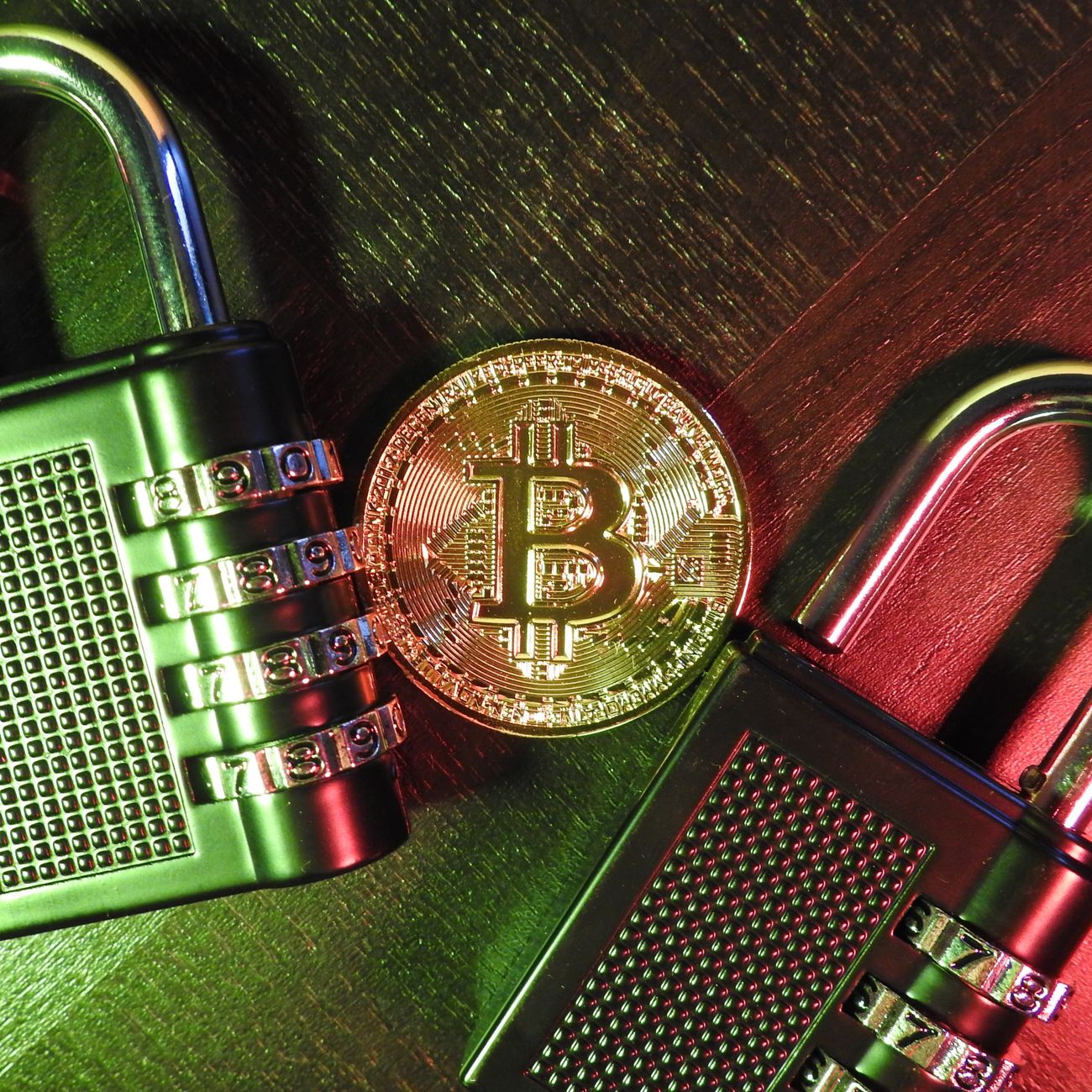
Art Blockchain Security is a rapidly evolving field that combines the traditional art world with the cutting-edge technology of blockchain. As the art market becomes increasingly digital, the need for secure and transparent systems to verify the authenticity and provenance of artworks has never been greater. This course, the Advanced Skill Certificate in Art Blockchain Security Measures, aims to equip learners with the knowledge and skills needed to navigate this complex landscape.
Key Terms and Vocabulary:
1. Blockchain: A decentralized digital ledger that records transactions across a network of computers. Each block in the chain contains a list of transactions, and once added, it is immutable and cannot be altered. Blockchain technology provides transparency, security, and decentralization.
2. Art Tokenization: The process of representing a physical artwork as a digital token on a blockchain. Each token represents a unique fraction of ownership in the artwork, allowing for fractional ownership, increased liquidity, and easier transfer of ownership.
3. Non-Fungible Token (NFT): A type of digital asset that represents ownership or proof of authenticity of a unique item, such as a piece of art. NFTs are indivisible and cannot be replicated, making them ideal for representing one-of-a-kind artworks on the blockchain.
4. Smart Contracts: Self-executing contracts with the terms of the agreement written into code. Smart contracts automatically enforce the terms of the agreement when predefined conditions are met, eliminating the need for intermediaries and reducing the risk of fraud.
5. Cryptography: The practice of secure communication in the presence of third parties. In the context of blockchain security, cryptography is used to secure transactions, protect data integrity, and authenticate users.
6. Public Key Infrastructure (PKI): A system that manages digital certificates, public and private keys, and other cryptographic elements to secure communication over a network. PKI is essential for establishing trust and verifying the identity of users in blockchain transactions.
7. Consensus Mechanisms: The process by which a blockchain network reaches an agreement on the validity of transactions. Popular consensus mechanisms include Proof of Work (PoW), Proof of Stake (PoS), and Delegated Proof of Stake (DPoS).
8. Immutable Ledger: A blockchain ledger that cannot be altered or deleted once a transaction is recorded. The immutability of the ledger ensures the integrity and transparency of the transaction history, making it ideal for recording art transactions.
9. Interoperability: The ability of different blockchain networks to communicate and interact with each other. Interoperability is crucial for the art market, as it allows for seamless transfer of assets and data across different blockchain platforms.
10. Digital Identity: A unique digital representation of an individual or entity on the blockchain. Digital identities are used to authenticate users, verify ownership of assets, and establish trust in online transactions.
11. Decentralized Autonomous Organization (DAO): An organization governed by smart contracts and run by its members without the need for a central authority. DAOs are transparent, efficient, and autonomous, making them ideal for managing art collections and investments.
12. Multi-Signature Wallet: A cryptocurrency wallet that requires multiple private keys to authorize a transaction. Multi-signature wallets provide an extra layer of security by requiring consensus from multiple parties before funds can be transferred.
13. Cold Storage: A method of storing cryptocurrencies offline to protect them from hacking or theft. Cold storage devices, such as hardware wallets or paper wallets, are not connected to the internet, making them less vulnerable to cyber attacks.
14. Gas Fees: The cost of processing transactions on a blockchain network. Gas fees are paid in cryptocurrency and vary based on network congestion and the complexity of the transaction. Artists and collectors must consider gas fees when conducting transactions on the blockchain.
15. Scalability: The ability of a blockchain network to handle a large number of transactions efficiently. Scalability is a crucial factor for the art market, as it determines the network's capacity to support the growing demand for digital art transactions.
16. Proof of Ownership: A cryptographic proof that verifies the ownership of a digital asset on the blockchain. Proof of ownership is essential for establishing the provenance and authenticity of artworks and preventing forgery and fraud.
17. Art Authentication: The process of verifying the authenticity and provenance of an artwork. With blockchain technology, art authentication can be securely recorded on the blockchain, providing a transparent and tamper-proof record of an artwork's history.
18. Token Standards: A set of rules and protocols that define how digital tokens are created, transferred, and managed on a blockchain. Popular token standards for art include ERC-721 (NFTs) and ERC-20 (fungible tokens).
19. Consensus Algorithm: A set of rules and procedures that govern how nodes in a blockchain network agree on the validity of transactions. Consensus algorithms ensure that all nodes reach a consensus on the state of the ledger, maintaining the integrity of the network.
20. Regulatory Compliance: Adherence to laws, regulations, and industry standards in the art market. Artists, collectors, and art platforms must comply with regulatory requirements to ensure legal and secure transactions on the blockchain.
21. Artwork Metadata: Descriptive information about an artwork, such as the artist's name, title, medium, dimensions, and provenance. Metadata is essential for cataloging and tracking artworks on the blockchain and providing a comprehensive record of their history.
22. Immutable Tokenization: The process of creating digital tokens on the blockchain that cannot be altered or tampered with. Immutable tokenization ensures the authenticity and provenance of artworks, providing a secure and verifiable record of ownership.
23. Art Marketplaces: Online platforms that facilitate the buying, selling, and trading of artworks. Art marketplaces leverage blockchain technology to enable secure and transparent transactions, connecting artists and collectors worldwide.
24. Data Privacy: The protection of personal and sensitive information from unauthorized access or disclosure. Data privacy is paramount in the art market, as artists and collectors must safeguard their identity and transaction details on the blockchain.
25. Digital Signature: A cryptographic technique that verifies the authenticity and integrity of a digital document or transaction. Digital signatures are used to sign and authenticate art transactions on the blockchain, ensuring the security and trustworthiness of the process.
26. Art Provenance: The documented history of ownership and custody of an artwork. Provenance is essential for establishing the authenticity and value of an artwork, and blockchain technology provides a secure and immutable record of an artwork's provenance.
27. Tokenization Platform: A software platform that enables artists and collectors to tokenize and trade artworks on the blockchain. Tokenization platforms offer features such as smart contracts, digital wallets, and marketplace integration to streamline the tokenization process.
28. Digital Asset Management: The process of managing and organizing digital assets, such as artworks, on the blockchain. Digital asset management tools help artists and collectors track, store, and transfer their assets securely, ensuring efficient management of their art collections.
29. Art Investment Funds: Investment vehicles that pool capital from investors to invest in art assets. Art investment funds leverage blockchain technology to tokenize art assets, democratizing access to the art market and providing liquidity to investors.
30. Tokenized Art Collections: A curated collection of tokenized artworks represented as digital tokens on the blockchain. Tokenized art collections enable fractional ownership, diversification, and increased accessibility to art assets for investors and art enthusiasts.
31. Art Security Tokens: Digital tokens that represent ownership or investment in art assets. Art security tokens comply with securities regulations and provide investors with fractional ownership in art assets, offering a secure and transparent investment opportunity on the blockchain.
32. Art Insurance: Insurance coverage that protects artworks from damage, theft, or loss. Art insurance providers use blockchain technology to verify the authenticity and provenance of insured artworks, ensuring accurate valuation and claims processing.
33. Art Market Data: Information and analytics on art sales, trends, and pricing. Art market data is essential for making informed decisions on buying, selling, and investing in art, and blockchain technology provides transparent and real-time access to market data.
34. Digital Artwork Verification: The process of verifying the authenticity and ownership of digital artworks. Digital artwork verification tools use blockchain technology to create a secure and tamper-proof record of digital artworks, preventing unauthorized copies and ensuring the integrity of the digital art market.
35. Art Blockchain Security Audit: An independent assessment of the security measures and protocols implemented in an art blockchain system. Security audits help identify vulnerabilities, assess risks, and ensure compliance with best practices in art blockchain security.
36. Art Industry Standards: Guidelines and best practices established by industry organizations to promote transparency, authenticity, and ethical practices in the art market. Adhering to art industry standards ensures trust and credibility in art transactions on the blockchain.
37. Art Tokenization Platform: A software platform that enables artists, galleries, and collectors to tokenize and trade artworks on the blockchain. Art tokenization platforms provide tools for creating, managing, and selling art tokens, simplifying the tokenization process for users.
38. Proof of Authenticity: A cryptographic proof that verifies the authenticity and provenance of an artwork on the blockchain. Proof of authenticity is essential for establishing trust and confidence in art transactions, ensuring that artworks are genuine and original.
39. Digital Art Marketplace: An online platform that connects artists, collectors, and art enthusiasts to buy, sell, and trade digital artworks. Digital art marketplaces leverage blockchain technology to offer secure and transparent transactions, expanding access to digital art worldwide.
40. Art Blockchain Ecosystem: The network of participants, technologies, and platforms that support art transactions on the blockchain. The art blockchain ecosystem includes artists, collectors, galleries, tokenization platforms, marketplaces, and regulatory bodies working together to promote trust and transparency in the art market.
By mastering the key terms and vocabulary in Emerging Trends in Art Blockchain Security, learners will be well-equipped to navigate the complexities of the art market and leverage blockchain technology to enhance security, transparency, and efficiency in art transactions. The course provides a comprehensive overview of the latest developments in art blockchain security measures, empowering learners to protect their artworks, investments, and digital assets in the evolving landscape of the art market.
Key takeaways
- This course, the Advanced Skill Certificate in Art Blockchain Security Measures, aims to equip learners with the knowledge and skills needed to navigate this complex landscape.
- Each block in the chain contains a list of transactions, and once added, it is immutable and cannot be altered.
- Each token represents a unique fraction of ownership in the artwork, allowing for fractional ownership, increased liquidity, and easier transfer of ownership.
- Non-Fungible Token (NFT): A type of digital asset that represents ownership or proof of authenticity of a unique item, such as a piece of art.
- Smart contracts automatically enforce the terms of the agreement when predefined conditions are met, eliminating the need for intermediaries and reducing the risk of fraud.
- In the context of blockchain security, cryptography is used to secure transactions, protect data integrity, and authenticate users.
- Public Key Infrastructure (PKI): A system that manages digital certificates, public and private keys, and other cryptographic elements to secure communication over a network.