
Construction Litigation
Construction Litigation Construction litigation refers to the legal disputes that arise in the construction industry. These disputes can involve a wide range of issues, including contract disputes, construction defects, delays, payment disp…
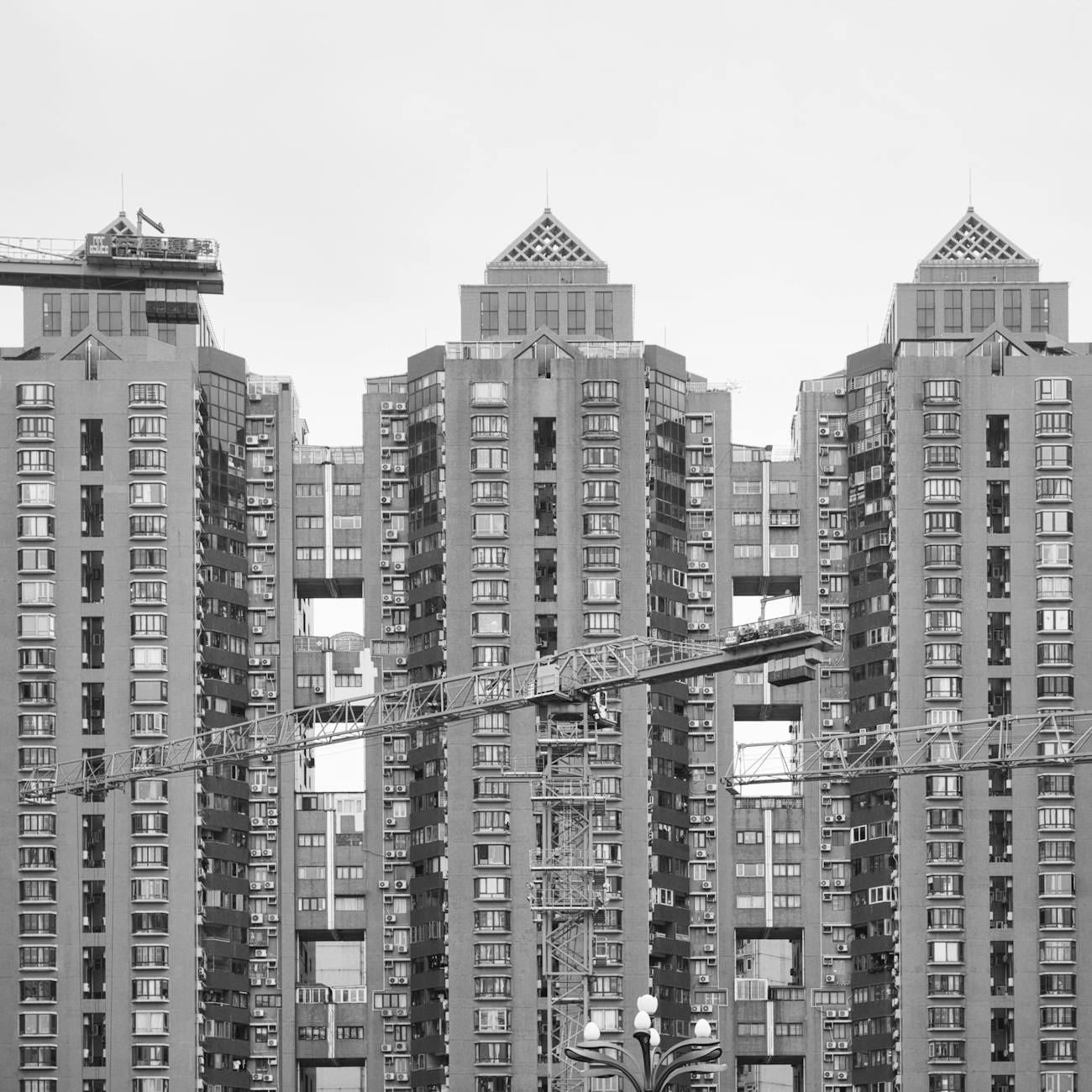
Construction Litigation Construction litigation refers to the legal disputes that arise in the construction industry. These disputes can involve a wide range of issues, including contract disputes, construction defects, delays, payment disputes, and more. Construction litigation typically involves parties such as contractors, subcontractors, owners, architects, and engineers. The resolution of these disputes often requires legal action through the court system.
Construction litigation can be a complex and time-consuming process, involving various legal principles and procedures. It is important for professionals in the construction industry to have a solid understanding of construction law to navigate these disputes effectively.
Key Terms and Concepts
1. Construction Law Construction law encompasses the legal principles and regulations that govern the construction industry. It covers a wide range of issues, including contract law, tort law, property law, and more. Understanding construction law is essential for effectively managing legal risks in construction projects.
2. Arbitration Arbitration is a method of alternative dispute resolution where parties agree to have their disputes resolved by an arbitrator or a panel of arbitrators. Arbitration is often used in construction disputes as a faster and more cost-effective alternative to litigation.
3. Adjudication Adjudication is a process in which an independent third party reviews a construction dispute and makes a binding decision on the parties involved. Adjudication is commonly used in construction contracts to resolve disputes quickly and efficiently.
4. Mediation Mediation is a form of alternative dispute resolution where parties work with a neutral mediator to reach a mutually acceptable resolution to their dispute. Mediation is a voluntary process and can be an effective way to resolve construction disputes without resorting to litigation.
5. Construction Contract A construction contract is a legally binding agreement between parties involved in a construction project. It outlines the terms and conditions of the project, including scope of work, payment terms, timelines, and more. Understanding construction contracts is essential for managing legal risks in construction projects.
6. Construction Defect A construction defect is a flaw or deficiency in the design, materials, or workmanship of a construction project. Construction defects can lead to safety hazards, structural issues, and financial losses. Resolving construction defects often involves legal action to hold parties accountable for the defects.
7. Delay Claims Delay claims arise when a construction project is delayed beyond the agreed-upon timeline. Delay claims can result in financial losses for parties involved in the project. Resolving delay claims often involves legal action to determine liability for the delays and seek compensation for the losses incurred.
8. Payment Disputes Payment disputes occur when parties involved in a construction project disagree on payment terms or amounts. Payment disputes can lead to project delays, financial losses, and strained relationships between parties. Resolving payment disputes often involves legal action to enforce payment obligations and protect the rights of parties involved.
9. Professional Liability Professional liability refers to the legal responsibility of professionals in the construction industry, such as architects, engineers, and contractors. Professionals can be held liable for errors, omissions, or negligence in their work, leading to legal disputes and financial liabilities. Understanding professional liability is essential for managing legal risks in construction projects.
10. Construction Insurance Construction insurance provides coverage for risks and liabilities associated with construction projects. It includes various types of insurance policies, such as general liability insurance, professional liability insurance, and builder's risk insurance. Understanding construction insurance is essential for protecting parties involved in construction projects from financial losses.
Practical Applications Construction litigation is a common occurrence in the construction industry, and professionals must be prepared to handle legal disputes effectively. Here are some practical applications of key terms and concepts in construction litigation:
- When drafting or reviewing construction contracts, it is important to pay attention to the terms and conditions related to dispute resolution, such as arbitration or adjudication clauses. - In case of a construction defect, parties should gather evidence of the defect, assess the impact of the defect on the project, and consider legal options for holding responsible parties accountable. - When facing a delay claim, parties should review the project timeline, identify the causes of the delay, and assess the financial losses incurred. Parties should also consider legal options for resolving the delay claim and seeking compensation. - In the event of a payment dispute, parties should review the payment terms in the contract, document the work performed or materials supplied, and communicate effectively with the other party to resolve the dispute. Parties should also consider legal options for enforcing payment obligations. - Professionals in the construction industry should be aware of their professional liability risks and take steps to mitigate these risks, such as obtaining professional liability insurance and following best practices in their work.
Challenges Construction litigation presents various challenges for professionals in the construction industry. Some of the key challenges include:
- Complexity: Construction litigation involves complex legal principles and procedures that can be challenging to navigate without legal expertise. - Time and Cost: Construction litigation can be a time-consuming and costly process, requiring parties to invest significant resources in resolving disputes. - Relationship Strain: Legal disputes in construction projects can strain relationships between parties involved, leading to further complications in project delivery. - Reputation Risk: Construction litigation can have a negative impact on the reputation of professionals in the industry, affecting their ability to secure future projects. - Legal Uncertainty: The outcome of construction litigation can be uncertain, with parties facing risks of financial liabilities and legal consequences.
Overall, construction litigation requires a thorough understanding of key terms and concepts in construction law and effective strategies for managing legal risks in construction projects. Professionals in the construction industry must be prepared to address legal disputes proactively and seek timely resolution to ensure successful project delivery.
Key takeaways
- These disputes can involve a wide range of issues, including contract disputes, construction defects, delays, payment disputes, and more.
- It is important for professionals in the construction industry to have a solid understanding of construction law to navigate these disputes effectively.
- Construction Law Construction law encompasses the legal principles and regulations that govern the construction industry.
- Arbitration Arbitration is a method of alternative dispute resolution where parties agree to have their disputes resolved by an arbitrator or a panel of arbitrators.
- Adjudication Adjudication is a process in which an independent third party reviews a construction dispute and makes a binding decision on the parties involved.
- Mediation Mediation is a form of alternative dispute resolution where parties work with a neutral mediator to reach a mutually acceptable resolution to their dispute.
- Construction Contract A construction contract is a legally binding agreement between parties involved in a construction project.