
Detoxification and Cleansing Protocols
Detoxification and cleansing protocols are essential practices in biohacking to optimize health and well-being. These protocols aim to rid the body of toxins and impurities that can accumulate from various sources such as food, water, air, …
Detoxification and cleansing protocols are essential practices in biohacking to optimize health and well-being. These protocols aim to rid the body of toxins and impurities that can accumulate from various sources such as food, water, air, and lifestyle choices. By supporting the body's natural detoxification processes, individuals can enhance their overall health, energy levels, and vitality. Understanding key terms and vocabulary related to detoxification and cleansing protocols is crucial for implementing effective strategies and achieving desired outcomes.
Toxins: Toxins are harmful substances that can negatively impact health and well-being. They can come from various sources such as environmental pollutants, processed foods, chemicals, and stress. Toxins can accumulate in the body over time and contribute to a range of health issues, including inflammation, fatigue, digestive problems, and more.
Detoxification: Detoxification is the process of removing toxins from the body to promote optimal health and functioning. It involves supporting the body's natural detox pathways, including the liver, kidneys, skin, lungs, and lymphatic system. Detoxification can be achieved through dietary changes, supplementation, lifestyle modifications, and specific protocols designed to enhance toxin elimination.
Cleansing: Cleansing refers to the practice of purifying the body by eliminating waste, toxins, and impurities. It can involve various methods such as fasting, juicing, colon cleansing, and herbal remedies. Cleansing protocols aim to support the body's detoxification processes and promote overall health and vitality.
Biohacking: Biohacking is the practice of using science, technology, and lifestyle changes to optimize health and performance. It involves experimenting with different interventions to improve physical and cognitive function, longevity, and well-being. Biohacking encompasses a wide range of practices, including nutrition, supplementation, exercise, sleep, stress management, and more.
Inflammation: Inflammation is the body's natural response to injury, infection, or toxins. While acute inflammation is a necessary part of the healing process, chronic inflammation can contribute to a range of health issues, including autoimmune conditions, heart disease, and cancer. Detoxification and cleansing protocols can help reduce inflammation by removing inflammatory triggers and supporting the body's natural healing processes.
Antioxidants: Antioxidants are compounds that help protect the body from oxidative stress and damage caused by free radicals. Free radicals are unstable molecules that can damage cells and contribute to aging and disease. Antioxidants neutralize free radicals and help maintain cellular health and function. Many detoxification and cleansing protocols include antioxidant-rich foods and supplements to support detoxification pathways and reduce oxidative stress.
Liver: The liver is a vital organ responsible for detoxifying the body and metabolizing toxins. It plays a crucial role in filtering blood, processing nutrients, and eliminating waste products. Supporting liver function is essential for effective detoxification and cleansing. Liver-supportive herbs, such as milk thistle, dandelion root, and turmeric, can help enhance liver detoxification pathways and promote overall health.
Kidneys: The kidneys are another important organ involved in detoxification and waste elimination. They filter blood, remove waste products, and regulate fluid balance in the body. Supporting kidney function is essential for maintaining optimal health and promoting detoxification. Drinking plenty of water, consuming kidney-supportive herbs like parsley and nettle, and avoiding kidney-stressing substances like excessive salt and caffeine can help support kidney health.
Gut Health: Gut health plays a crucial role in detoxification and overall well-being. The gut microbiome, composed of trillions of bacteria and other microorganisms, plays a key role in digestion, nutrient absorption, immune function, and detoxification. Imbalances in the gut microbiome can lead to digestive issues, inflammation, and toxin accumulation. Supporting gut health through a healthy diet, probiotics, prebiotics, and fermented foods can help promote detoxification and overall health.
Colon Cleansing: Colon cleansing is a practice that involves removing waste and toxins from the colon to promote digestive health and detoxification. It can involve methods such as enemas, colon hydrotherapy, herbal cleanses, and dietary changes. Colon cleansing aims to eliminate impacted fecal matter, toxins, and harmful bacteria from the colon, promoting regular bowel movements and optimal detoxification.
Fasting: Fasting is a practice that involves abstaining from food for a set period to promote detoxification, weight loss, and overall health. Fasting can help stimulate autophagy, a cellular process that removes damaged cells and promotes regeneration. It can also support detoxification pathways, reduce inflammation, and improve metabolic health. Different fasting protocols, such as intermittent fasting, water fasting, and juice fasting, can be beneficial for detoxification and cleansing.
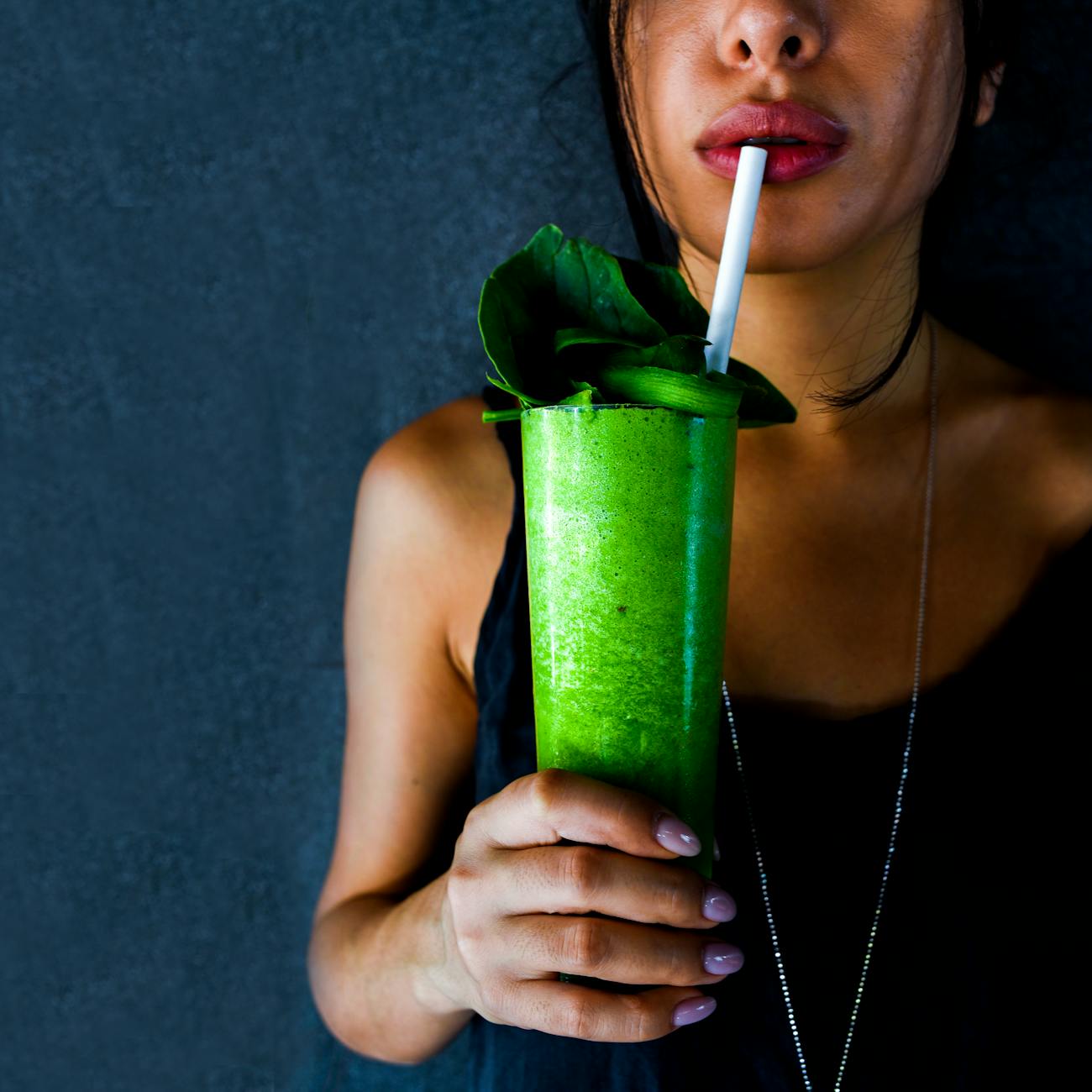
Juicing: Juicing involves extracting the liquid from fruits and vegetables to create nutrient-dense beverages. Juicing can be a convenient way to consume a variety of vitamins, minerals, antioxidants, and phytonutrients in a concentrated form. Juicing can support detoxification by providing essential nutrients that support liver function, promote hydration, and aid in toxin elimination. Including fresh juices in a cleansing protocol can help enhance detoxification and overall health.
Herbal Remedies: Herbal remedies are plant-based medicines that have been used for centuries to support health and well-being. Many herbs have detoxifying properties and can help support the body's natural detoxification processes. Herbs like milk thistle, dandelion root, burdock, and turmeric are commonly used in detoxification and cleansing protocols to support liver function, promote digestion, and reduce inflammation. Herbal teas, tinctures, and supplements can be valuable additions to a detoxification regimen.
Supplements: Supplements are products that contain vitamins, minerals, herbs, or other nutrients intended to support health and well-being. In detoxification and cleansing protocols, supplements can play a valuable role in providing essential nutrients that support detoxification pathways, reduce inflammation, and promote overall health. Supplements like N-acetylcysteine (NAC), glutathione, activated charcoal, and magnesium can support detoxification processes and enhance the body's ability to eliminate toxins.
Challenges: Implementing detoxification and cleansing protocols can present challenges for individuals, including dietary restrictions, detox symptoms, and lifestyle changes. Detox symptoms, such as headaches, fatigue, digestive issues, and mood changes, can occur as the body eliminates toxins and adjusts to a new regimen. Adapting to a new diet, incorporating new habits, and overcoming cravings can also be challenging. It's essential to approach detoxification and cleansing with patience, self-care, and support to navigate these challenges effectively.
Practical Applications: Detoxification and cleansing protocols can be applied in various ways to support health, vitality, and well-being. Individuals can incorporate detoxification practices into their daily routine by focusing on nutrient-dense whole foods, staying hydrated, including herbal teas and supplements, practicing intermittent fasting, and promoting gut health. Engaging in periodic cleansing protocols, such as juice fasts, herbal cleanses, or colon hydrotherapy, can provide deeper detoxification support and promote overall health. Customizing detoxification strategies based on individual needs, goals, and health conditions can help optimize results and ensure a safe and effective detoxification experience.
In conclusion, understanding key terms and vocabulary related to detoxification and cleansing protocols is essential for anyone interested in biohacking and optimizing health. By familiarizing themselves with concepts such as toxins, detoxification, cleansing, biohacking, inflammation, antioxidants, liver function, gut health, colon cleansing, fasting, juicing, herbal remedies, supplements, challenges, and practical applications, individuals can develop a comprehensive understanding of detoxification strategies and their impact on health and well-being. Implementing effective detoxification and cleansing protocols can help individuals support their body's natural detox pathways, reduce toxin exposure, and promote overall health, vitality, and longevity.
Key takeaways
- Understanding key terms and vocabulary related to detoxification and cleansing protocols is crucial for implementing effective strategies and achieving desired outcomes.
- Toxins can accumulate in the body over time and contribute to a range of health issues, including inflammation, fatigue, digestive problems, and more.
- Detoxification can be achieved through dietary changes, supplementation, lifestyle modifications, and specific protocols designed to enhance toxin elimination.
- Cleansing: Cleansing refers to the practice of purifying the body by eliminating waste, toxins, and impurities.
- Biohacking encompasses a wide range of practices, including nutrition, supplementation, exercise, sleep, stress management, and more.
- While acute inflammation is a necessary part of the healing process, chronic inflammation can contribute to a range of health issues, including autoimmune conditions, heart disease, and cancer.
- Many detoxification and cleansing protocols include antioxidant-rich foods and supplements to support detoxification pathways and reduce oxidative stress.