
Wine and Beverage Management for Aviation
Wine and Beverage Management
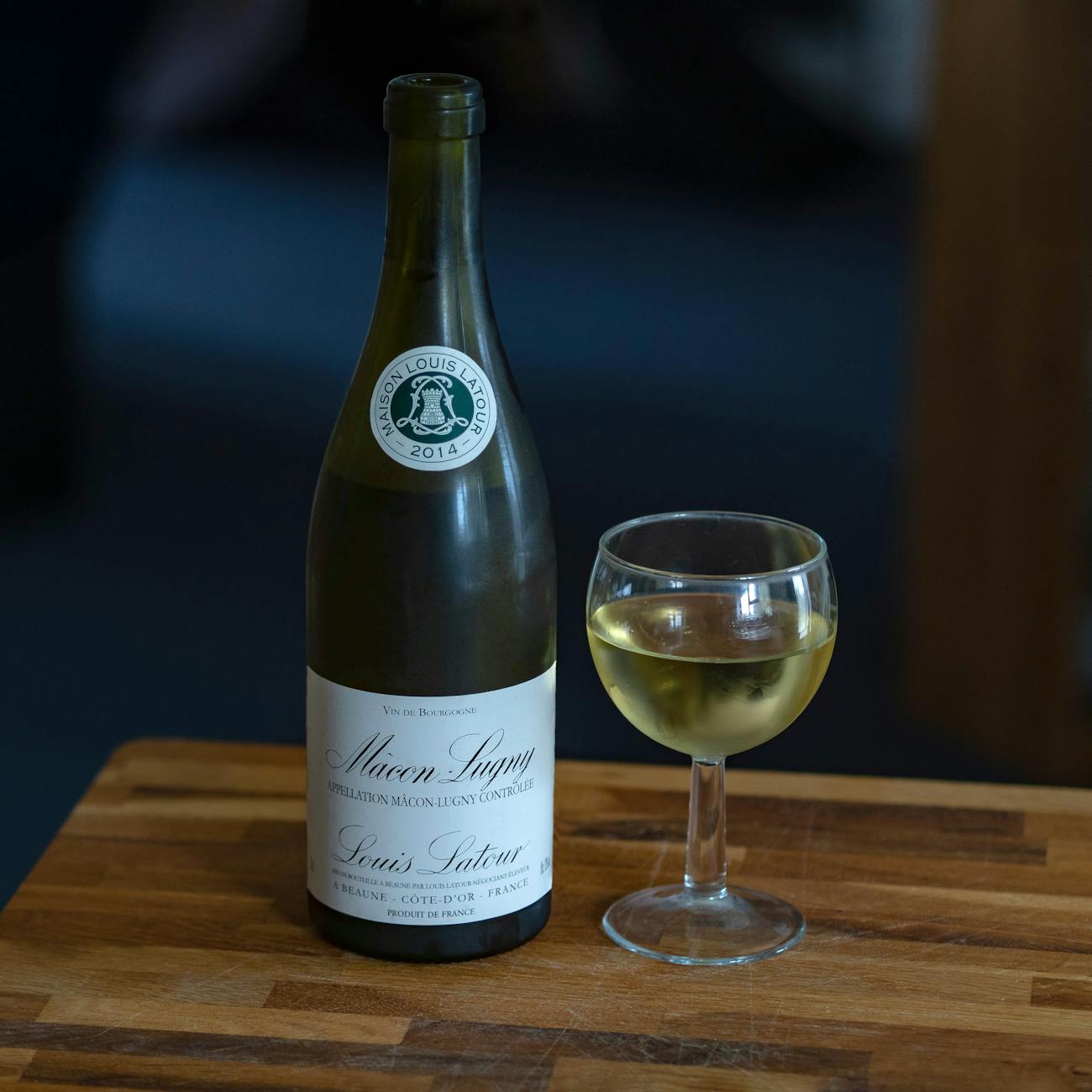
Wine and Beverage Management
Wine and Beverage Management in aviation plays a crucial role in ensuring passengers have a pleasant and enjoyable flight experience. It involves the selection, procurement, storage, service, and consumption of beverages onboard an aircraft. This aspect of inflight catering is essential for airlines to provide high-quality service and meet the diverse preferences of passengers. Understanding the key terms and vocabulary in wine and beverage management is essential for professionals in the aviation industry to deliver exceptional service.
Key Terms and Vocabulary
1. Sommelier
A sommelier is a trained and knowledgeable wine professional who specializes in all aspects of wine service. Sommeliers are responsible for curating wine lists, recommending wine pairings, and ensuring the proper storage and service of wines. In aviation, sommeliers play a crucial role in selecting wines for inflight service that complement the onboard menu and enhance the overall dining experience for passengers.
2. Cellar Master
The cellar master is responsible for managing the wine cellar or inventory of an airline. This role involves overseeing the procurement, storage, and rotation of wines to ensure quality and freshness. The cellar master works closely with sommeliers to maintain a diverse and well-curated wine selection for inflight service.
3. Beverage Menu
The beverage menu is a list of available drinks and beverages offered to passengers during a flight. This menu typically includes a selection of wines, spirits, beers, non-alcoholic beverages, and specialty drinks. Creating a diverse and appealing beverage menu is essential for catering to the preferences of passengers and enhancing the overall inflight experience.
4. Wine List
The wine list is a curated selection of wines available for passengers to choose from during a flight. This list is typically divided into categories such as red, white, sparkling, and dessert wines. A well-organized and diverse wine list is essential for offering passengers a range of options to suit their taste preferences and meal choices.
5. Wine Pairing
Wine pairing is the practice of matching wines with specific food dishes to enhance the flavors of both. Sommeliers and inflight catering professionals carefully consider the characteristics of wines, such as acidity, tannins, and sweetness, to create harmonious pairings with onboard meals. Offering wine pairing suggestions on the beverage menu can elevate the dining experience for passengers.
6. Terroir
Terroir refers to the environmental factors that influence the characteristics of a wine, including the climate, soil, and geographic location where the grapes are grown. Understanding terroir is essential for sommeliers and cellar masters to select wines that reflect the unique qualities of a specific region, grape variety, or vineyard.
7. Vintage
The vintage of a wine refers to the year in which the grapes were harvested and the wine was produced. Vintage wines are often associated with specific growing seasons and weather conditions that can impact the quality and flavor profile of the wine. Including vintage wines on the beverage menu allows passengers to experience the nuances of different vintages and appreciate the diversity of wine production.
8. Decanting
Decanting is the process of pouring wine from its bottle into a decanter or carafe to aerate and separate the wine from any sediment that may have formed. Decanting is commonly practiced with older red wines to enhance their aromas and flavors before serving. In aviation, decanting wines onboard can improve their presentation and enhance the overall tasting experience for passengers.
9. Corkage Fee
A corkage fee is a charge imposed by airlines for passengers who bring their own bottle of wine onboard for consumption. The fee covers the service and use of glassware provided by the airline for opening and serving the wine. Implementing a corkage fee helps airlines maintain control over the types of beverages consumed onboard and ensures a consistent level of service for all passengers.
10. Duty-Free Sales
Duty-free sales refer to the purchase of alcoholic beverages and other products onboard an aircraft that are exempt from local taxes and duties. Airlines often offer duty-free shopping opportunities to passengers during flights, allowing them to purchase wines, spirits, and other items at discounted prices. Duty-free sales can generate additional revenue for airlines and provide passengers with the convenience of shopping while in the air.
11. Inflight Bar Service
The inflight bar service is a premium beverage service offered on select flights, typically in premium cabins such as first class or business class. This service includes a dedicated bar area where passengers can socialize, relax, and enjoy a variety of cocktails, spirits, and wines. Providing an inflight bar service enhances the luxury and exclusivity of the travel experience for premium passengers.
12. Beverage Trolley
The beverage trolley is a mobile cart used by cabin crew to serve drinks and beverages to passengers during a flight. The trolley is stocked with a selection of beverages, glassware, ice, and garnishes for preparing and serving drinks efficiently. Cabin crew members are trained to operate the beverage trolley safely and provide attentive service to passengers throughout the flight.
13. Mocktails
Mocktails are non-alcoholic cocktails made with a combination of fruit juices, sodas, syrups, and garnishes. Mocktails are a popular choice for passengers who prefer not to consume alcohol or are looking for refreshing and flavorful alternatives. Including mocktails on the beverage menu allows airlines to cater to a wider range of preferences and provide non-alcoholic options for all passengers.
14. Beverage Pairing
In addition to wine pairing, beverage pairing involves matching a variety of beverages, including spirits, beers, and non-alcoholic drinks, with specific food dishes. Beverage pairing allows passengers to explore different flavor combinations and enhance their dining experience with complementary drinks. Offering beverage pairing suggestions on the menu can help passengers discover new and exciting flavor profiles during their flight.
15. Alcohol Policy
An alcohol policy outlines the rules and regulations regarding the consumption of alcoholic beverages onboard an aircraft. Airlines establish alcohol policies to ensure responsible drinking, maintain passenger safety, and comply with legal requirements. Cabin crew members are trained to enforce the alcohol policy and monitor passenger behavior to prevent overconsumption and disturbances during the flight.
16. Beverage Training
Beverage training is a program designed to educate cabin crew and inflight service staff on the proper handling, service, and presentation of beverages onboard an aircraft. Beverage training covers topics such as wine service, cocktail preparation, safety procedures, and customer interaction. Providing comprehensive beverage training ensures that cabin crew members are knowledgeable and confident in delivering high-quality service to passengers.
17. Wine Appreciation
Wine appreciation is the practice of tasting and evaluating wines to understand their characteristics, flavors, and quality. Sommeliers and wine enthusiasts engage in wine appreciation to develop their palate, expand their knowledge of different wine styles, and appreciate the art of winemaking. Including wine appreciation activities or events onboard can enhance the inflight experience for passengers and encourage them to explore new wines.
18. Beverage Trends
Understanding beverage trends is essential for airlines to stay current with consumer preferences and market demands in the beverage industry. Beverage trends may include the popularity of specific types of wines, emerging cocktail flavors, or innovative drink presentations. Monitoring beverage trends allows airlines to update their beverage menus, introduce new offerings, and adapt to changing consumer tastes to enhance the inflight experience.
19. Inflight Catering Regulations
Inflight catering regulations are guidelines and standards established by aviation authorities and regulatory bodies to ensure the safety and quality of food and beverages served onboard aircraft. These regulations cover aspects such as food handling, storage, preparation, and service to protect passengers from foodborne illnesses and maintain inflight catering standards. Compliance with inflight catering regulations is essential for airlines to uphold food safety and hygiene practices.
20. Beverage Management Software
Beverage management software is a technology tool used by airlines to streamline the management of beverage inventory, procurement, and service operations. This software allows airlines to track beverage stock levels, analyze consumption data, and generate reports to optimize beverage management processes. Implementing beverage management software can improve efficiency, accuracy, and cost control in inflight beverage service.
Challenges in Wine and Beverage Management
While wine and beverage management in aviation offer opportunities to enhance the inflight experience, there are several challenges that professionals may encounter:
1. Limited Storage Space
Airlines face challenges in storing a diverse selection of wines and beverages onboard due to limited storage space in aircraft galleys. Managing inventory and ensuring adequate stock levels while optimizing storage space can be a logistical challenge for cellar masters and inflight catering teams.
2. Beverage Cost Management
Balancing the cost of procuring high-quality wines and beverages with the budget constraints of airlines can be a challenge for beverage managers. Finding cost-effective sourcing strategies, negotiating supplier contracts, and monitoring beverage costs are essential to maintain profitability and quality in inflight beverage service.
3. Beverage Service Efficiency
Efficient beverage service is critical to meeting passenger expectations and ensuring a smooth inflight experience. Cabin crew members must be trained to serve drinks promptly, accurately, and courteously while managing multiple drink orders and passenger requests effectively.
4. Beverage Quality Control
Maintaining the quality and freshness of beverages served onboard is essential to delivering a premium inflight experience. Cellar masters and sommeliers must implement strict quality control measures, such as monitoring storage conditions, checking bottle integrity, and conducting taste tests, to ensure that beverages meet high standards of taste and presentation.
5. Passenger Preferences and Diverse Tastes
Passengers have diverse preferences when it comes to beverages, including wine, spirits, beers, and non-alcoholic drinks. Meeting the varying tastes and expectations of passengers can be a challenge for inflight catering teams, requiring them to offer a wide selection of beverages and provide personalized recommendations to enhance the passenger experience.
6. Regulatory Compliance
Adhering to inflight catering regulations and alcohol policies is crucial for airlines to ensure compliance with safety standards and legal requirements. Beverage managers and cabin crew must stay informed about regulatory changes, training requirements, and enforcement procedures to uphold inflight catering standards and passenger safety.
Conclusion
Wine and beverage management in aviation is a multifaceted discipline that requires a deep understanding of wine, spirits, service techniques, and passenger preferences. By mastering key terms and vocabulary in wine and beverage management, professionals in the aviation industry can deliver exceptional service, enhance the inflight experience, and meet the diverse needs of passengers. Overcoming challenges in beverage management, staying current with beverage trends, and upholding regulatory compliance are essential for airlines to provide a premium and memorable inflight service.
Key takeaways
- Understanding the key terms and vocabulary in wine and beverage management is essential for professionals in the aviation industry to deliver exceptional service.
- In aviation, sommeliers play a crucial role in selecting wines for inflight service that complement the onboard menu and enhance the overall dining experience for passengers.
- The cellar master works closely with sommeliers to maintain a diverse and well-curated wine selection for inflight service.
- Creating a diverse and appealing beverage menu is essential for catering to the preferences of passengers and enhancing the overall inflight experience.
- A well-organized and diverse wine list is essential for offering passengers a range of options to suit their taste preferences and meal choices.
- Sommeliers and inflight catering professionals carefully consider the characteristics of wines, such as acidity, tannins, and sweetness, to create harmonious pairings with onboard meals.
- Terroir refers to the environmental factors that influence the characteristics of a wine, including the climate, soil, and geographic location where the grapes are grown.