
Parenting Styles and Discipline
Parenting Styles and Discipline are essential topics in understanding how to effectively raise and guide children. In this course, Graduate Certificate in Child Discipline Strategies, students will delve into various parenting styles and le…
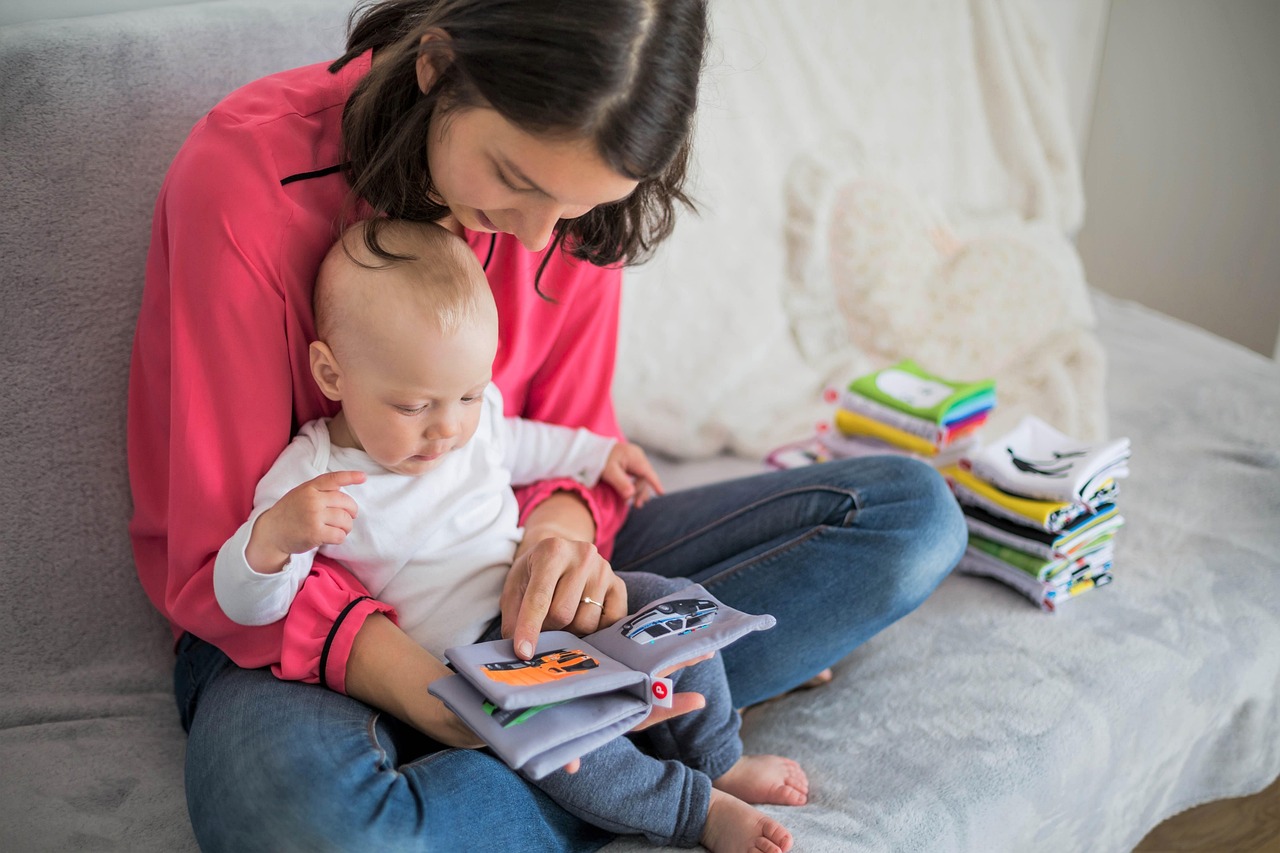
Parenting Styles and Discipline are essential topics in understanding how to effectively raise and guide children. In this course, Graduate Certificate in Child Discipline Strategies, students will delve into various parenting styles and learn about discipline techniques that promote positive behavior in children. Below are key terms and vocabulary that students will encounter throughout the course:
1. Parenting Styles: Parenting styles refer to the overall approach that parents use to raise their children. The four main parenting styles identified by psychologist Diana Baumrind are: - Authoritative: Authoritative parents are responsive to their children's needs while also setting clear expectations and boundaries. They are nurturing and supportive while also enforcing rules. - Authoritarian: Authoritarian parents are strict and controlling, with a focus on obedience and discipline. They have high expectations and may use punishment as a primary means of discipline. - Permissive: Permissive parents are lenient and indulgent, with few rules and little structure. They are loving and accepting but may struggle with setting limits. - Uninvolved: Uninvolved parents are disengaged and neglectful, providing little emotional support or guidance to their children.
2. Discipline: Discipline refers to the methods and strategies used by parents to teach children appropriate behavior, self-control, and responsibility. Effective discipline helps children learn right from wrong, develop self-discipline, and make positive choices. It is important to distinguish between discipline and punishment, as discipline focuses on teaching and guiding, while punishment is often punitive and focused on stopping behavior through negative consequences.
3. Positive Discipline: Positive discipline is an approach to parenting that focuses on teaching children through positive reinforcement, communication, and problem-solving. It emphasizes mutual respect, understanding, and empathy. Positive discipline techniques include setting clear expectations, using logical consequences, and encouraging cooperation and self-regulation.
4. Behavior Management: Behavior management refers to the techniques and strategies used to promote positive behavior and reduce challenging behaviors in children. It involves setting clear expectations, providing consistent consequences, and reinforcing desired behaviors. Behavior management techniques may include positive reinforcement, time-outs, and token economies.
5. Consistency: Consistency is a key principle in effective parenting and discipline. Consistency involves following through with rules and consequences, setting clear expectations, and being predictable in your responses to behavior. Inconsistent parenting can lead to confusion, insecurity, and challenges in behavior management.
6. Communication: Effective communication is essential in parenting and discipline. It involves listening to children, expressing feelings and expectations clearly, and maintaining open and honest dialogue. Good communication helps build trust, understanding, and positive relationships between parents and children.
7. Natural Consequences: Natural consequences are the outcomes that naturally result from a child's behavior. Instead of imposing artificial consequences, parents allow children to experience the natural consequences of their actions. For example, if a child refuses to wear a coat, they may feel cold outside. Natural consequences can be powerful teachers and help children learn from their choices.
8. Time-Out: Time-out is a discipline technique used to help children calm down and reflect on their behavior. It involves temporarily removing a child from a situation or activity when they are misbehaving. Time-out should be brief, age-appropriate, and used as a tool for teaching self-regulation and promoting positive behavior.
9. Reinforcement: Reinforcement refers to the use of rewards and consequences to encourage or discourage behavior. Positive reinforcement involves rewarding desired behaviors with praise, privileges, or other incentives. Negative reinforcement involves removing or avoiding a negative consequence when a desired behavior is displayed. Reinforcement is a powerful tool in shaping behavior and promoting positive outcomes.
10. Self-Regulation: Self-regulation is the ability to control one's emotions, thoughts, and behavior in different situations. Teaching children self-regulation skills is an important aspect of discipline and parenting. Self-regulation helps children manage impulses, make good decisions, and cope with challenges effectively.
11. Empathy: Empathy is the ability to understand and share the feelings of others. Showing empathy towards children helps build trust, connection, and understanding. Empathetic parenting involves validating children's emotions, listening with compassion, and responding to their needs with sensitivity.
12. Resilience: Resilience is the ability to bounce back from challenges, adapt to adversity, and thrive in difficult situations. Building resilience in children is a key goal of effective parenting and discipline. Resilient children are better able to cope with stress, setbacks, and changes, and are more likely to succeed in various areas of life.
13. Conflict Resolution: Conflict resolution is the process of addressing and resolving disagreements or conflicts in a peaceful and constructive manner. Teaching children conflict resolution skills helps them manage conflicts, communicate effectively, and build positive relationships with others. Conflict resolution is an important aspect of discipline and social-emotional development.
14. Parenting Support: Parenting support refers to resources, programs, and services that provide assistance and guidance to parents in raising children. Parenting support may include parenting classes, counseling, support groups, and community services. Seeking parenting support can help parents improve their parenting skills, address challenges, and promote positive outcomes for their children.
15. Cultural Sensitivity: Cultural sensitivity refers to being aware of and respectful towards the cultural beliefs, values, and practices of different groups. Parenting styles and discipline techniques may vary across cultures, and it is important to consider cultural differences when working with families. Being culturally sensitive helps promote understanding, inclusivity, and effective communication in parenting and discipline.
In conclusion, understanding key terms and concepts related to parenting styles and discipline is essential for effective child discipline strategies. By exploring different parenting styles, discipline techniques, and principles such as positive discipline, behavior management, and communication, students in the Graduate Certificate in Child Discipline Strategies course will gain valuable insights into promoting positive behavior and healthy development in children. Through implementing these strategies and principles, parents and caregivers can create a nurturing and supportive environment that fosters resilience, self-regulation, and positive relationships with their children.
Key takeaways
- In this course, Graduate Certificate in Child Discipline Strategies, students will delve into various parenting styles and learn about discipline techniques that promote positive behavior in children.
- The four main parenting styles identified by psychologist Diana Baumrind are: - Authoritative: Authoritative parents are responsive to their children's needs while also setting clear expectations and boundaries.
- It is important to distinguish between discipline and punishment, as discipline focuses on teaching and guiding, while punishment is often punitive and focused on stopping behavior through negative consequences.
- Positive Discipline: Positive discipline is an approach to parenting that focuses on teaching children through positive reinforcement, communication, and problem-solving.
- Behavior Management: Behavior management refers to the techniques and strategies used to promote positive behavior and reduce challenging behaviors in children.
- Consistency involves following through with rules and consequences, setting clear expectations, and being predictable in your responses to behavior.
- It involves listening to children, expressing feelings and expectations clearly, and maintaining open and honest dialogue.