
Geopolitics of Energy and Resources
Geopolitics of Energy and Resources is a critical area of study that examines the intersection of politics, geography, and economics in relation to energy sources and natural resources. In the Postgraduate Certificate in Geopolitical Strate…
Geopolitics of Energy and Resources is a critical area of study that examines the intersection of politics, geography, and economics in relation to energy sources and natural resources. In the Postgraduate Certificate in Geopolitical Strategy and Diplomacy, students delve into the complexities of energy security, resource management, and global power dynamics. To navigate this field successfully, it is essential to understand the key terms and concepts that shape the Geopolitics of Energy and Resources. Below is a comprehensive explanation of these crucial terms:
**Geopolitics**: Geopolitics refers to the study of how geographical factors influence political decisions, international relations, and strategic interactions between states. It examines how spatial arrangements, resources, and borders impact power dynamics and foreign policy. Geopolitics plays a significant role in shaping energy policies and resource allocation on a global scale.
**Energy Security**: Energy security is the ability of a country or region to access reliable and affordable energy sources to meet its domestic needs. It encompasses the diversification of energy supply, infrastructure resilience, and the minimization of geopolitical risks that could disrupt energy supplies. Ensuring energy security is a top priority for governments and international organizations to maintain economic stability and national security.
**Resource Curse**: The resource curse refers to the paradoxical situation where countries rich in natural resources, such as oil or minerals, experience slower economic growth, increased corruption, and social instability. This phenomenon is often attributed to poor governance, rent-seeking behavior, and the mismanagement of resource revenues. Overcoming the resource curse requires effective resource governance, transparency, and sustainable development practices.
**Energy Diplomacy**: Energy diplomacy is the practice of using diplomatic channels and negotiations to secure access to energy resources, build strategic partnerships with energy-producing nations, and address energy-related conflicts. Energy diplomacy plays a crucial role in ensuring stable energy supplies, promoting energy cooperation, and resolving disputes over energy resources.
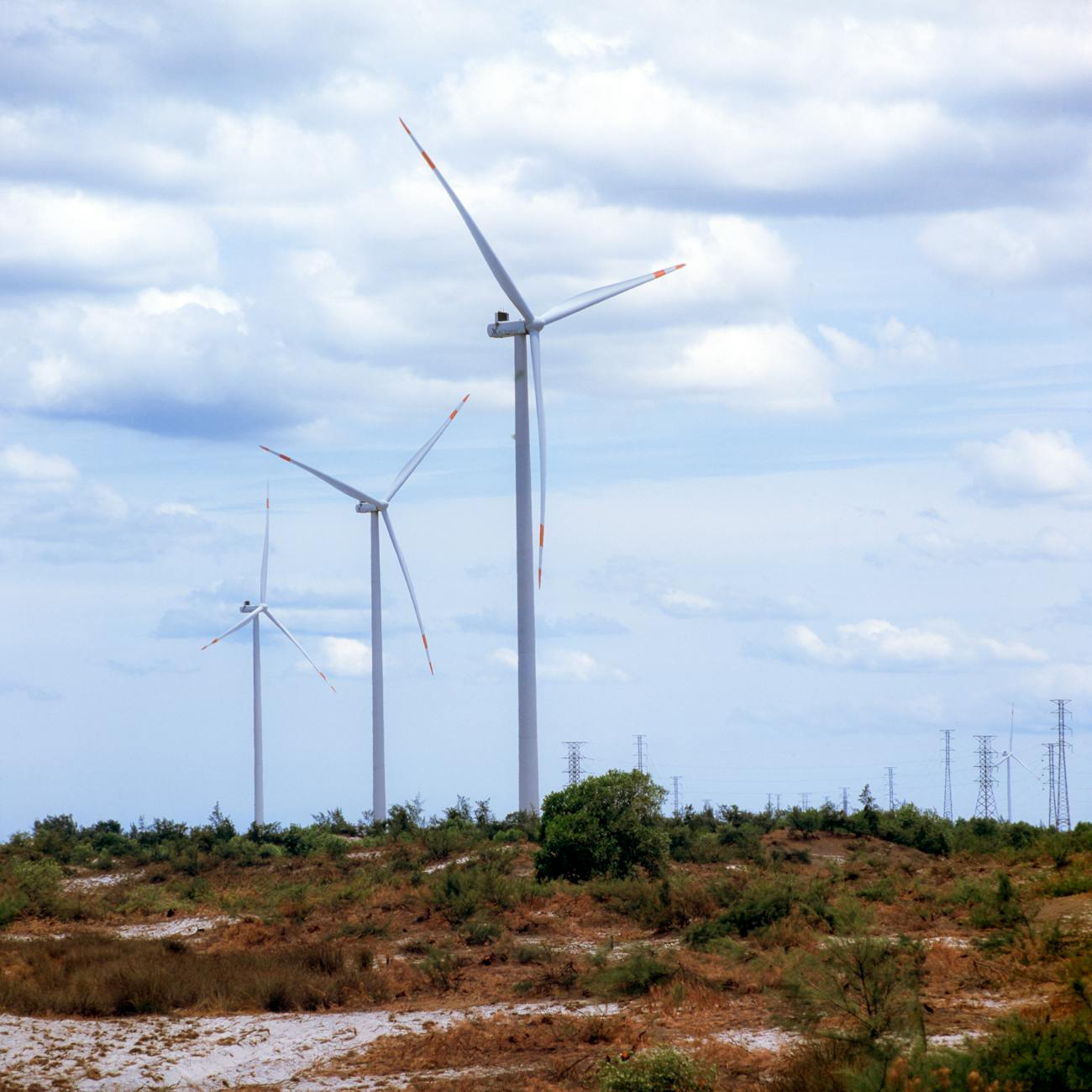
**Renewable Energy**: Renewable energy refers to energy sources that are naturally replenished, such as solar, wind, hydroelectric, and geothermal power. Unlike fossil fuels, renewable energy is sustainable, environmentally friendly, and offers long-term energy security. The transition to renewable energy is essential for reducing carbon emissions, combating climate change, and enhancing energy resilience.
**Energy Transition**: The energy transition denotes the shift from traditional fossil fuels to cleaner and more sustainable energy sources. This process involves diversifying the energy mix, investing in renewable technologies, improving energy efficiency, and reducing reliance on carbon-intensive fuels. The energy transition is a global imperative to address climate change, enhance energy security, and promote sustainable development.
**Energy Geopolitics**: Energy geopolitics examines how energy resources, pipelines, and trade routes influence international relations, regional conflicts, and global power struggles. Energy geopolitics is characterized by competition for energy supplies, pipeline politics, and energy security concerns. Understanding energy geopolitics is essential for analyzing geostrategic trends, predicting future conflicts, and formulating effective energy policies.
**Resource Nationalism**:
**Energy Interdependence**: Energy interdependence refers to the mutual reliance between countries for energy supplies, infrastructure, and technology. Energy interdependence fosters cooperation, trade partnerships, and energy security agreements among nations. However, it also creates vulnerabilities to supply disruptions, political tensions, and economic shocks. Managing energy interdependence requires strategic planning, diversification of energy sources, and collaborative energy policies.
**OPEC (Organization of the Petroleum Exporting Countries)**: The Organization of the Petroleum Exporting Countries (OPEC) is a cartel of major oil-producing nations that aims to coordinate oil production levels, stabilize oil prices, and defend the economic interests of its member countries. OPEC plays a crucial role in shaping global oil markets, influencing energy policies, and responding to geopolitical developments in the energy sector. Understanding OPEC's decisions and policies is essential for analyzing oil market dynamics and energy security challenges.
**Shale Revolution**: The shale revolution refers to the rapid expansion of shale gas and oil production in the United States, driven by advancements in hydraulic fracturing (fracking) and horizontal drilling technologies. The shale revolution has transformed global energy markets, reduced U.S. dependence on oil imports, and reshaped geopolitical dynamics in the energy sector. The proliferation of shale resources has had far-reaching implications for energy security, environmental sustainability, and international energy trade.
**Energy Transition**: The energy transition denotes the shift from traditional fossil fuels to cleaner and more sustainable energy sources. This process involves diversifying the energy mix, investing in renewable technologies, improving energy efficiency, and reducing reliance on carbon-intensive fuels. The energy transition is a global imperative to address climate change, enhance energy security, and promote sustainable development.
**Energy Diplomacy**: Energy diplomacy is the practice of using diplomatic channels and negotiations to secure access to energy resources, build strategic partnerships with energy-producing nations, and address energy-related conflicts. Energy diplomacy plays a crucial role in ensuring stable energy supplies, promoting energy cooperation, and resolving disputes over energy resources.
**Energy Security**: Energy security is the ability of a country or region to access reliable and affordable energy sources to meet its domestic needs. It encompasses the diversification of energy supply, infrastructure resilience, and the minimization of geopolitical risks that could disrupt energy supplies. Ensuring energy security is a top priority for governments and international organizations to maintain economic stability and national security.
**Transit Countries**:
**Energy Infrastructure**: Energy infrastructure includes the physical assets, such as pipelines, power plants, refineries, and storage facilities, that are essential for producing, transporting, and distributing energy resources. Energy infrastructure is crucial for ensuring energy security, facilitating energy trade, and supporting economic development. Maintaining resilient and efficient energy infrastructure is vital for meeting growing energy demands and mitigating supply disruptions.
**Energy Market**: The energy market refers to the global exchange of energy commodities, such as oil, natural gas, coal, and electricity. Energy markets play a central role in determining energy prices, supply-demand dynamics, and investment decisions in the energy sector. Understanding energy market trends, regulatory frameworks, and market mechanisms is essential for analyzing energy security risks, market fluctuations, and geopolitical implications.
**Energy Transition**: The energy transition denotes the shift from traditional fossil fuels to cleaner and more sustainable energy sources. This process involves diversifying the energy mix, investing in renewable technologies, improving energy efficiency, and reducing reliance on carbon-intensive fuels. The energy transition is a global imperative to address climate change, enhance energy security, and promote sustainable development.
**Energy Diplomacy**: Energy diplomacy is the practice of using diplomatic channels and negotiations to secure access to energy resources, build strategic partnerships with energy-producing nations, and address energy-related conflicts. Energy diplomacy plays a crucial role in ensuring stable energy supplies, promoting energy cooperation, and resolving disputes over energy resources.
**Energy Security**: Energy security is the ability of a country or region to access reliable and affordable energy sources to meet its domestic needs. It encompasses the diversification of energy supply, infrastructure resilience, and the minimization of geopolitical risks that could disrupt energy supplies. Ensuring energy security is a top priority for governments and international organizations to maintain economic stability and national security.
**Energy Mix**: The energy mix refers to the combination of energy sources, such as fossil fuels, renewable energy, nuclear power, and hydroelectricity, used to meet energy demand in a particular region. The energy mix influences energy security, environmental sustainability, and economic competitiveness. Balancing the energy mix through diversification and innovation is essential for enhancing energy resilience and reducing carbon emissions.
**Energy Efficiency**: Energy efficiency refers to the practice of maximizing energy output while minimizing energy input, waste, and emissions. Improving energy efficiency is crucial for reducing energy costs, enhancing energy security, and mitigating environmental impact. Energy efficiency measures include energy-saving technologies, energy management systems, and energy conservation policies that promote sustainable energy use.
**Energy Independence**:
**Energy Security**: Energy security is the ability of a country or region to access reliable and affordable energy sources to meet its domestic needs. It encompasses the diversification of energy supply, infrastructure resilience, and the minimization of geopolitical risks that could disrupt energy supplies. Ensuring energy security is a top priority for governments and international organizations to maintain economic stability and national security.
**Energy Transition**: The energy transition denotes the shift from traditional fossil fuels to cleaner and more sustainable energy sources. This process involves diversifying the energy mix, investing in renewable technologies, improving energy efficiency, and reducing reliance on carbon-intensive fuels. The energy transition is a global imperative to address climate change, enhance energy security, and promote sustainable development.
**Energy Diplomacy**: Energy diplomacy is the practice of using diplomatic channels and negotiations to secure access to energy resources, build strategic partnerships with energy-producing nations, and address energy-related conflicts. Energy diplomacy plays a crucial role in ensuring stable energy supplies, promoting energy cooperation, and resolving disputes over energy resources.
**Energy Security**: Energy security is the ability of a country or region to access reliable and affordable energy sources to meet its domestic needs. It encompasses the diversification of energy supply, infrastructure resilience, and the minimization of geopolitical risks that could disrupt energy supplies. Ensuring energy security is a top priority for governments and international organizations to maintain economic stability and national security.
**Energy Policy**: Energy policy refers to government strategies, regulations, and initiatives that shape energy production, consumption, and distribution within a country. Energy policies aim to promote energy efficiency, renewable energy development, energy market competition, and environmental sustainability. Effective energy policies are essential for achieving energy security, reducing carbon emissions, and fostering energy innovation.
**Energy Infrastructure**: Energy infrastructure includes the physical assets, such as pipelines, power plants, refineries, and storage facilities, that are essential for producing, transporting, and distributing energy resources. Energy infrastructure is crucial for ensuring energy security, facilitating energy trade, and supporting economic development. Maintaining resilient and efficient energy infrastructure is vital for meeting growing energy demands and mitigating supply disruptions.
**Energy Geopolitics**: Energy geopolitics examines how energy resources, pipelines, and trade routes influence international relations, regional conflicts, and global power struggles. Energy geopolitics is characterized by competition for energy supplies, pipeline politics, and energy security concerns. Understanding energy geopolitics is essential for analyzing geostrategic trends, predicting future conflicts, and formulating effective energy policies.
**Energy Security**: Energy security is the ability of a country or region to access reliable and affordable energy sources to meet its domestic needs. It encompasses the diversification of energy supply, infrastructure resilience, and the minimization of geopolitical risks that could disrupt energy supplies. Ensuring energy security is a top priority for governments and international organizations to maintain economic stability and national security.
**Energy Market**: The energy market refers to the global exchange of energy commodities, such as oil, natural gas, coal, and electricity. Energy markets play a central role in determining energy prices, supply-demand dynamics, and investment decisions in the energy sector. Understanding energy market trends, regulatory frameworks, and market mechanisms is essential for analyzing energy security risks, market fluctuations, and geopolitical implications.
**Energy Transition**: The energy transition denotes the shift from traditional fossil fuels to cleaner and more sustainable energy sources. This process involves diversifying the energy mix, investing in renewable technologies, improving energy efficiency, and reducing reliance on carbon-intensive fuels. The energy transition is a global imperative to address climate change, enhance energy security, and promote sustainable development.
**Energy Diplomacy**: Energy diplomacy is the practice of using diplomatic channels and negotiations to secure access to energy resources, build strategic partnerships with energy-producing nations, and address energy-related conflicts. Energy diplomacy plays a crucial role in ensuring stable energy supplies, promoting energy cooperation, and resolving disputes over energy resources.
**Energy Security**: Energy security is the ability of a country or region to access reliable and affordable energy sources to meet its domestic needs. It encompasses the diversification of energy supply, infrastructure resilience, and the minimization of geopolitical risks that could disrupt energy supplies. Ensuring energy security is a top priority for governments and international organizations to maintain economic stability and national security.
**Energy Mix**: The energy mix refers to the combination of energy sources, such as fossil fuels, renewable energy, nuclear power, and hydroelectricity, used to meet energy demand in a particular region. The energy mix influences energy security, environmental sustainability, and economic competitiveness. Balancing the energy mix through diversification and innovation is essential for enhancing energy resilience and reducing carbon emissions.
**Energy Efficiency**: Energy efficiency refers to the practice of maximizing energy output while minimizing energy input, waste, and emissions. Improving energy efficiency is crucial for reducing energy costs, enhancing energy security, and mitigating environmental impact. Energy efficiency measures include energy-saving technologies, energy management systems, and energy conservation policies that promote sustainable energy use.
**Energy Independence**: Energy independence is the state of self-sufficiency in meeting domestic energy needs without relying on foreign energy sources. Energy independence enhances national security, economic stability, and energy resilience. Achieving energy independence requires diversifying energy sources, investing in domestic energy production, and reducing energy imports. However, complete energy independence is challenging due to global energy interdependence and market dynamics.
**Energy Security**: Energy security is the ability of a country or region to access reliable and affordable energy sources to meet its domestic needs. It encompasses the diversification of energy supply, infrastructure resilience, and the minimization of geopolitical risks that could disrupt energy supplies. Ensuring energy security is a top priority for governments and international organizations to maintain economic stability and national security.
**Energy Transition**: The energy transition denotes the shift from traditional fossil fuels to cleaner and more sustainable energy sources. This process involves diversifying the energy mix, investing in renewable technologies, improving energy efficiency, and reducing reliance on carbon-intensive fuels. The energy transition is a global imperative to address climate change, enhance energy security, and promote sustainable development.
**Energy Diplomacy**: Energy diplomacy is the practice of using diplomatic channels and negotiations to secure access to energy resources, build strategic partnerships with energy-producing nations, and address energy-related conflicts. Energy diplomacy plays a crucial role in ensuring stable energy supplies, promoting energy cooperation, and resolving disputes over energy resources.
**Energy Security**: Energy security is the ability of a country or region to access reliable and affordable energy sources to meet its domestic needs. It encompasses the diversification of energy supply, infrastructure resilience, and the minimization of geopolitical risks that could disrupt energy supplies. Ensuring energy security is a top priority for governments and international organizations to maintain economic stability and national security.
**Energy Policy**: Energy policy refers to government strategies, regulations, and initiatives that shape energy production, consumption, and distribution within a country. Energy policies aim to promote energy efficiency, renewable energy development, energy market competition, and environmental sustainability. Effective energy policies are essential for achieving energy security, reducing carbon emissions, and fostering energy innovation.
**Energy Infrastructure**: Energy infrastructure includes the physical assets, such as pipelines, power plants, refineries, and storage facilities, that are essential for producing, transporting, and distributing energy resources. Energy infrastructure is crucial for ensuring energy security, facilitating energy trade, and supporting economic development. Maintaining resilient and efficient energy infrastructure is vital for meeting growing energy demands and mitigating supply disruptions.
**Energy Geopolitics**: Energy geopolitics examines how energy resources, pipelines, and trade routes influence international relations, regional conflicts, and global power struggles. Energy geopolitics is characterized by competition for energy supplies, pipeline politics, and energy security concerns. Understanding energy geopolitics is essential for analyzing geostrategic trends, predicting future conflicts, and formulating effective energy policies.
**Energy Security**: Energy security is the ability of a country or region to access reliable and affordable energy sources to meet its domestic needs. It encompasses the diversification of energy supply, infrastructure resilience, and the minimization of geopolitical risks that could disrupt energy supplies. Ensuring energy security is a top priority for governments and international organizations to maintain economic stability and national security.
**Energy Market**: The energy market refers to the global exchange of energy commodities, such as oil, natural gas, coal, and electricity. Energy markets play a central role in determining energy prices, supply-demand dynamics, and investment decisions in the energy sector. Understanding energy market trends, regulatory frameworks, and market mechanisms is essential for analyzing energy security risks, market fluctuations, and geopolitical implications.
**Energy Transition**: The energy transition denotes the shift from traditional fossil fuels to cleaner and more sustainable energy sources. This process involves diversifying the energy mix, investing in renewable technologies, improving energy efficiency, and reducing reliance on carbon-intensive fuels. The energy transition is a global imperative to address climate change, enhance energy security, and promote sustainable development.
**Energy Diplomacy**: Energy diplomacy is the practice of using diplomatic channels and negotiations to secure access to energy resources, build strategic partnerships with energy-producing nations, and address energy-related conflicts. Energy diplomacy plays a crucial role in ensuring stable energy supplies, promoting energy cooperation, and resolving disputes over energy resources.
**Energy Security**: Energy security is the ability of a country or region to access reliable and affordable energy sources to meet its domestic needs. It encompasses the diversification of energy supply, infrastructure resilience, and the minimization of geopolitical risks that could disrupt energy supplies. Ensuring energy security is a top priority for governments and international organizations to maintain economic stability and national security.
Key takeaways
- Geopolitics of Energy and Resources is a critical area of study that examines the intersection of politics, geography, and economics in relation to energy sources and natural resources.
- **Geopolitics**: Geopolitics refers to the study of how geographical factors influence political decisions, international relations, and strategic interactions between states.
- **Energy Security**: Energy security is the ability of a country or region to access reliable and affordable energy sources to meet its domestic needs.
- **Resource Curse**: The resource curse refers to the paradoxical situation where countries rich in natural resources, such as oil or minerals, experience slower economic growth, increased corruption, and social instability.
- Energy diplomacy plays a crucial role in ensuring stable energy supplies, promoting energy cooperation, and resolving disputes over energy resources.
- **Renewable Energy**: Renewable energy refers to energy sources that are naturally replenished, such as solar, wind, hydroelectric, and geothermal power.
- This process involves diversifying the energy mix, investing in renewable technologies, improving energy efficiency, and reducing reliance on carbon-intensive fuels.