
Interactive Props and Toys
Expert-defined terms from the Professional Certificate in Baby Dance Class for Families with Young Kids course at London School of Planning and Management. Free to read, free to share, paired with a professional course.
Active Play Mat – concept #
A cushioned, non‑slip surface designed for safe movement. Related terms: sensory mat, floor space. Provides a stable base for toddlers to explore dance steps, roll, and crawl. Practical application: Lay the mat in the center of the studio for group improvisation, encouraging balance and spatial awareness. Challenge: Keeping the mat clean from spills and ensuring it remains free of debris that could cause tripping.
Balance Beam (Mini) – concept #
A low‑profile, sturdy beam for early balance training. Related terms: stability tool, gait development. Enables children to practice weight shifting and foot placement while holding a parent’s hand. Practical application: Integrate short beam walks between musical phrases to reinforce rhythm. Challenge: Maintaining the beam’s alignment and preventing wobble that could frighten young participants.
Balloon Props – concept #
Lightweight, inflatable objects used to add visual excitement. Related terms: airborne toys, visual cues. Balloons can be floated, bounced, or used as markers for movement pathways. Practical application: Assign each child a balloon to follow during a “follow the leader” dance, enhancing listening skills. Challenge: Balloons may pop, requiring quick replacement and careful supervision to avoid latex allergies.
Bandana Scarves – concept #
Soft, colorful fabric strips that enhance flow and expression. Related terms: fabric ribbons, expressive tools. Children wave scarves to illustrate arm extensions and directional changes. Practical application: Incorporate scarves in a “wind” themed routine, prompting expansive gestures. Challenge: Ensuring scarves are not tangled or pulled too tightly, which could cause discomfort.
Beanbag Toss – concept #
A gentle throwing activity using small, soft beans. Related terms: target practice, coordination drill. Children toss beans into marked circles to develop hand‑eye coordination while staying in rhythm. Practical application: Combine tosses with a counting chant to reinforce number concepts. Challenge: Managing beans that may scatter, requiring collection after each session.
Bicycle Toy – concept #
A push‑along or ride‑on model that mimics pedaling motion. Related terms: mobility prop, kinetic toy. Encourages rhythmic leg movement and simulates forward motion in dance sequences. Practical application: Use the bicycle during a “travel” theme, prompting children to pedal in time with music. Challenge: Ensuring the toy is appropriately sized for the child’s height and that wheels are smooth to avoid jerky motions.
Bouncy Castle (Mini) – concept #
A small inflatable structure that offers safe bouncing. Related terms: elastic platform, kinetic play. Allows children to experience vertical movement, enhancing proprioception. Practical application: Schedule a short bounce segment after a slow dance to release energy. Challenge: Supervising constant entry and exit to prevent overcrowding and ensuring the enclosure is deflated after use.
Buttoned Dress‑Up Set – concept #
A collection of simple garments with large buttons for fine‑motor practice. Related terms: fastening activity, clothing props. Children practice buttoning while performing a “getting ready” dance routine. Practical application: Integrate dressing actions with music that mimics morning routines. Challenge: Selecting fabrics that are easy to handle and avoiding loose buttons that could be swallowed.
Call‑and‑Response Instruments – concept #
Handheld devices that produce sounds when tapped. Related terms: percussion toys, auditory cues. Instruments such as shakers or mini‑drums reinforce rhythmic patterns. Practical application: Teach a call‑and‑response song where children echo the instructor’s beats. Challenge: Maintaining volume levels appropriate for young ears and preventing excessive noise.
Carpet Tiles – concept #
Modular floor pieces that can be rearranged to create pathways. Related terms: floor mosaic, spatial layout. Tiles can be colored to indicate different movement zones. Practical application: Design a “road” for children to follow, aligning steps with musical beats. Challenge: Keeping tiles securely in place to avoid slipping.
Cardboard Box Obstacles – concept #
Sturdy, repurposed boxes used as low barriers. Related terms: play structures, obstacle course. Children climb over or crawl under boxes, enhancing gross‑motor skills. Practical application: Incorporate boxes into a “adventure” choreography where each obstacle corresponds to a musical cue. Challenge: Ensuring boxes have smooth edges and are stable to prevent tipping.
Clap‑and‑Stomp Mats – concept #
Pressure‑sensitive pads that produce sounds when struck. Related terms: interactive floor, auditory feedback. Mats encourage children to explore dynamics by clapping or stomping. Practical application: Create a layered rhythm piece where each mat represents a different instrument. Challenge: Calibrating sensitivity for small feet and maintaining durability.
Color‑Coded Cones – concept #
Small, brightly painted cones used for directional cues. Related terms: movement markers, visual guides. Cones can be arranged to form patterns that children follow. Practical application: Set up a “color march” where each cone aligns with a specific beat. Challenge: Preventing cones from being knocked over during active play.
Crib‑Safe Mirrors – concept #
Shatter‑proof mirrors placed at floor level for self‑recognition. Related terms: visual feedback, reflective surfaces. Mirrors help children observe their own movements and make adjustments. Practical application: Use mirrors during a “mirror dance” where children mimic the instructor’s gestures. Challenge: Ensuring mirrors are securely mounted and free of sharp edges.
Dance Ribbon Wand – concept #
A lightweight stick with a ribbon attached, ideal for sweeping motions. Related terms: extension tool, motion tracer. Encourages fluid arm movements and timing. Practical application: Incorporate wands in a “wind” choreography to illustrate gusts. Challenge: Monitoring ribbon length to avoid entanglement.
Developmental Rhythm Blocks – concept #
Stackable wooden blocks with rhythmic patterns printed on each face. Related terms: sequencing toys, pattern builders. Children arrange blocks to create a visual rhythm sequence. Practical application: Use blocks to teach simple 4‑beat patterns before dancing. Challenge: Keeping blocks clean and preventing loss of small pieces.
Digital Metronome (Toy) – concept #
A child‑friendly device that emits steady clicks. Related terms: tempo guide, timing aid. Helps children internalize beat without overwhelming volume. Practical application: Set the metronome to a slow tempo for a “slow motion” dance exercise. Challenge: Ensuring the device is battery‑operated and durable for frequent handling.
Dress‑Up Hats – concept #
Oversized, soft hats representing various characters. Related terms: costume accessories, role‑play props. Hats add identity to movement, fostering imagination. Practical application: Assign hats during a “story dance” where each child portrays a different animal. Challenge: Selecting materials that are breathable and easy to clean.
Elastic Band Stretchers – concept #
Soft, wide bands used for gentle stretching. Related terms: flexibility aid, resistance tool. Bands support limb extension while maintaining safety. Practical application: Incorporate bands in a warm‑up routine to gently lengthen arms and legs. Challenge: Monitoring tension to avoid overstretching.
Fabric Tunnels – concept #
Collapsible fabric tubes forming crawl‑through pathways. Related terms: tactile tunnels, movement corridors. Children crawl through tunnels, developing spatial awareness. Practical application: Transition from a tunnel crawl to a standing dance sequence, reinforcing the shift from low to high movement. Challenge: Ensuring tunnels are securely anchored and free of tripping hazards.
Finger‑Paint Brushes – concept #
Large, soft brushes for sensory art combined with movement. Related terms: artistic props, tactile tools. Children paint while swaying to music, linking visual creativity with kinesthetic flow. Practical application: Set up a “rainbow dance” where each brush color matches a musical phrase. Challenge: Managing mess and using non‑toxic, washable paints.
Floor‑Projection Lights – concept #
Low‑heat projectors that display shapes onto the floor. Related terms: visual mapping, interactive lighting. Projected patterns guide foot placement and timing. Practical application: Project a moving star trail that children follow, enhancing coordination. Challenge: Keeping the projection area free of obstacles that could block the light.
Foam Blocks – concept #
Soft, interlocking cubes for building and climbing. Related terms: construction toys, balance aids. Children stack blocks, then dance around the structures, encouraging spatial reasoning. Practical application: Build a “castle” that children circle during a regal dance. Challenge: Supervising block stability to prevent collapse.
Foam Poms – concept #
Plush, pom‑pom balls that bounce gently. Related terms: soft projectiles, sensory objects. Poms can be rolled across the floor, prompting children to chase and step in rhythm. Practical application: Roll a pom while counting beats, integrating math and movement. Challenge: Collecting scattered poms after each activity.
Foot‑Print Stamps – concept #
Large, non‑slip stamps that leave temporary ink footprints. Related terms: trace tools, path markers. Children stamp footprints in sequence to visualize dance steps. Practical application: Create a “foot‑print dance” where each stamp corresponds to a beat. Challenge: Using washable inks and ensuring the floor surface can handle repeated stamping.
Freeze‑Frame Cards – concept #
Picture cards that signal a pause in movement. Related terms: stop cue, visual pause. Cards are displayed to prompt children to freeze, enhancing body control. Practical application: Play “freeze dance” where cards appear randomly, encouraging quick response. Challenge: Maintaining engagement without over‑use, which can reduce excitement.
Fruit‑Shaped Hand Toys – concept #
Small, soft toys shaped like apples, bananas, etc. Related terms: thematic props, tactile objects. Toys are passed while children perform a “fruit market” dance. Practical application: Match each fruit to a corresponding musical note, reinforcing sound‑object association. Challenge: Ensuring toys are large enough to avoid choking hazards.
Glove Puppets – concept #
Hand‑covered puppets for expressive storytelling. Related terms: character props, narrative aids. Children animate puppets while dancing, adding a dramatic layer. Practical application: Stage a “puppet parade” where each puppet moves to a distinct rhythm. Challenge: Cleaning puppets regularly to prevent skin irritation.
Hand‑Clap Boards – concept #
Wooden boards that produce a sharp sound when clapped. Related terms: percussion surface, rhythm enhancer. Boards can be placed at different heights for varied arm movements. Practical application: Create a layered clapping sequence, encouraging children to alternate hands. Challenge: Monitoring volume to keep it within safe auditory limits.
Hula‑Hoop Rings – concept #
Lightweight, flexible circles for waist rotation. Related terms: rotational prop, core engagement. Hoops develop coordination and timing as children spin to beat. Practical application: Integrate hoops into a “circle of life” routine, aligning spins with musical crescendos. Challenge: Selecting hoops sized for toddlers to prevent over‑extension.
Interactive Light Pads – concept #
Pressure‑sensitive squares that light up upon contact. Related terms: responsive flooring, visual feedback. Pads light in sequence, guiding foot placement. Practical application: Design a “light‑step” choreography where children step on illuminated pads in time. Challenge: Ensuring durability against repeated stomps and keeping cords safely tucked.
Jacket‑Style Costumes – concept #
Simple, zip‑up garments that represent different roles. Related terms: dress‑up layers, role props. Costumes help children embody characters during dance storytelling. Practical application: Assign each child a costume for a “fairy tale” performance, linking movement to narrative. Challenge: Accommodating various sizes and ensuring zippers are smooth.
Jump‑Rope (Soft) – concept #
Foam‑covered rope for safe jumping. Related terms: cardio prop, rhythm tool. Children hop over the rope while keeping beat. Practical application: Incorporate short jump intervals between dance phrases to boost cardiovascular endurance. Challenge: Supervising jumps to avoid falls and ensuring the rope remains taut.
Kinetic Sand Table – concept #
A tray filled with moldable sand that stays moist. Related terms: sensory station, tactile play. Children shape sand while moving to music, linking fine motor control with rhythm. Practical application: Create “sand sculptures” that correspond to dance motifs. Challenge: Containing sand within the table and cleaning hands after play.
Large‑Scale Maracas – concept #
Oversized, child‑friendly shakers. Related terms: sound prop, rhythm instrument. Maracas amplify beat, encouraging whole‑body shaking motions. Practical application: Lead a “shake‑it‑up” segment where children match shaking intensity to music dynamics. Challenge: Monitoring volume and preventing excessive shaking that could strain small arms.
Light‑Up Wands – concept #
Battery‑powered sticks that emit soft glows. Related terms: visual extension, illumination aid. Wands trace movement paths, enhancing visual tracking. Practical application: Choreograph a “star trail” where children wave wands in sync with a slow melody. Challenge: Replacing batteries and ensuring cords are child‑proof.
Magnetic Floor Tiles – concept #
Magnetic squares that snap together to form patterns. Related terms: modular flooring, magnetic play. Tiles create a magnetic pathway that children can follow. Practical application: Design a “magnetic road” where each tile lights up when stepped on, reinforcing step‑by‑step sequencing. Challenge: Keeping magnets away from children’s mouths and preventing loss.
Miniature Drum Set – concept #
A set of small, synthetic drums and cymbals. Related terms: percussion kit, rhythm ensemble. Children strike drums to reinforce beat while moving. Practical application: Integrate a “drum circle” segment where each child contributes a rhythm to a group piece. Challenge: Ensuring drums are lightweight enough for toddlers to handle without strain.
Mobility Scooter Toy – concept #
A push‑along scooter that mimics gliding. Related terms: glide prop, balance aid. Scooters encourage smooth foot transitions and directional control. Practical application: Incorporate a “scooter glide” where children move across the floor while maintaining a steady tempo. Challenge: Supervising to prevent collisions and ensuring the scooter’s wheels roll freely.
Music‑Story Books – concept #
Picture books with embedded sound modules. Related terms: audio‑visual props, narrative tools. Stories are read aloud while children act out scenes through dance. Practical application: Read a “farm” book and have children mimic animal movements in rhythm. Challenge: Managing the volume of sound modules and keeping books in good condition.
Nature‑Inspired Props – concept #
Items such as leaves, pinecones, and twigs. Related terms: organic materials, eco‑props. Natural objects add texture and authenticity to themed dances. Practical application: Use leaves in an “autumn” routine, encouraging gentle swaying motions. Challenge: Checking for allergens and ensuring objects are clean.
Object‑Tracking Mirrors – concept #
Handheld mirrors that reflect a moving object. Related terms: visual tracking, reflective aid. Children follow the reflected motion, improving eye‑hand coordination. Practical application: Attach a small toy to a string and have children track its reflection while dancing. Challenge: Preventing mirrors from being dropped and broken.
Parachute (Mini) – concept #
A lightweight, circular fabric stretched overhead. Related terms: group prop, lift‑assist. Children lift and lower the parachute in unison, fostering teamwork. Practical application: Combine parachute lifts with a crescendo in music, creating a dramatic visual effect. Challenge: Coordinating multiple children to move together safely.
Patterned Floor Mats – concept #
Mats printed with geometric designs that guide foot placement. Related terms: visual guide, spatial cue. Children step on specific shapes to match rhythmic patterns. Practical application: Assign each shape a different beat, teaching children to recognize and execute varying tempos. Challenge: Ensuring mats remain flat and do not curl at edges.
Peanut‑Butter Jar Props – concept #
Empty, cleaned jars used as pretend containers. Related terms: role‑play objects, everyday items. Children “fill” jars while performing a cooking dance routine. Practical application: Simulate a kitchen scene where each child adds an ingredient in time with the music. Challenge: Sanitizing jars and supervising to avoid choking hazards.
Piano‑Key Mat – concept #
A floor mat with raised keys that emit tones when stepped on. Related terms: tonal floor, interactive instrument. Children play simple melodies by walking across the keys. Practical application: Teach a basic scale, then have children march to the notes they create. Challenge: Calibrating sensitivity so light steps produce clear tones.
Play‑Dough Station – concept #
A table with non‑dryening dough for tactile exploration. Related terms: creative prop, sensory play. Children shape dough while moving to music, linking fine motor work with rhythm. Practical application: Mold dough into shapes that correspond to dance movements, like “star” or “heart.” Challenge: Maintaining hygiene and preventing ingestion.
Plush Animal Friends – concept #
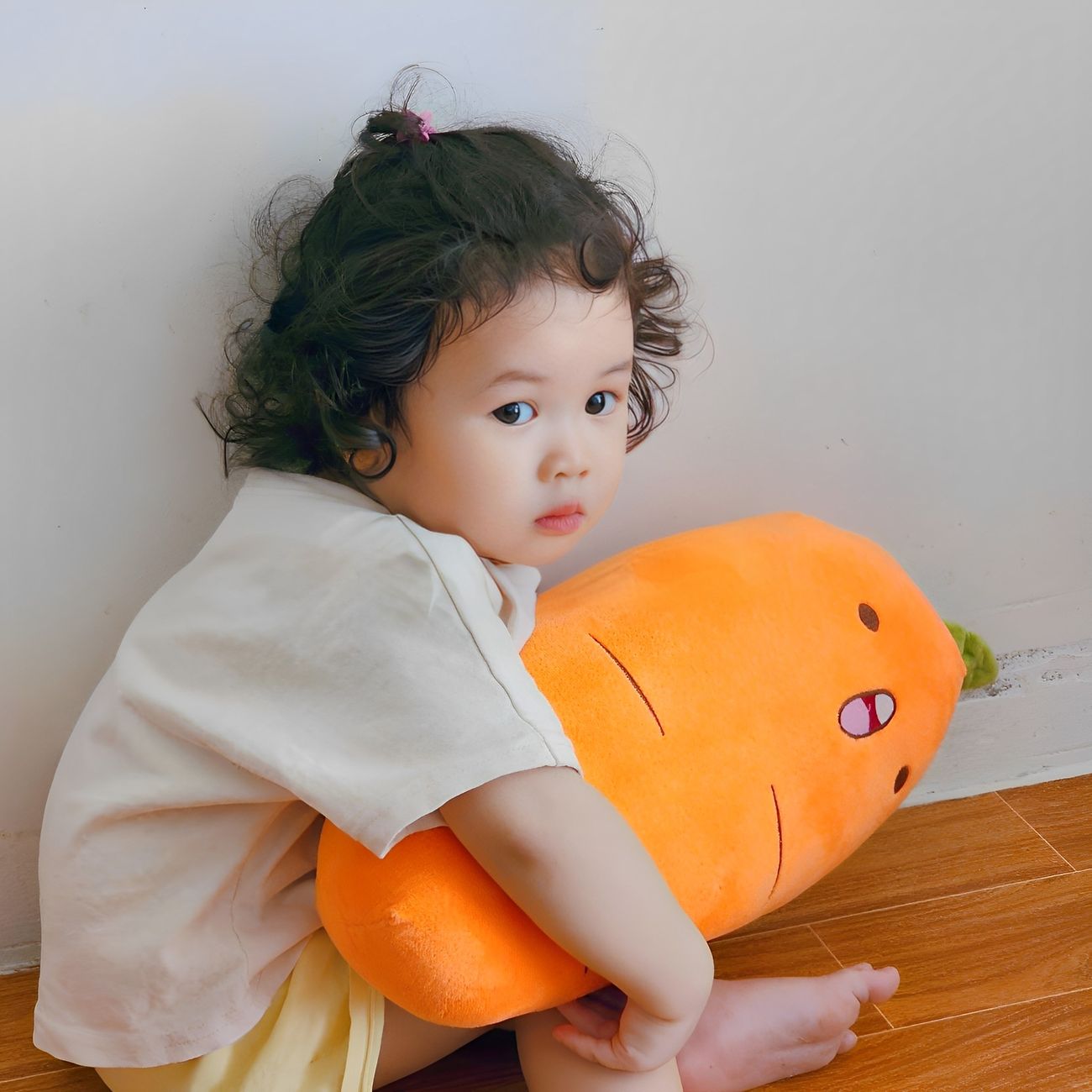
Soft toys representing various animals. Related terms: companion props, character aids. Children hold or hug animals while performing animal‑themed dances. Practical application: Use a lion plush during a “jungle roar” segment, encouraging strong, grounded steps. Challenge: Ensuring toys are free of loose parts.
Polka‑Dot Scarves – concept #
Scarves with contrasting dot patterns. Related terms: visual accent, texture prop. Dotted designs help children focus on movement flow. Practical application: Choreograph a “polka” dance where scarves spin in sync with upbeat music. Challenge: Maintaining fabric integrity after repeated washes.
Prop‑Bag (Carry‑All) – concept #
A small tote for storing multiple toys during a session. Related terms: organization tool, portable kit. Allows instructors to quickly access needed props. Practical application: Keep a “dance kit” bag with all essential items for each class, streamlining transitions. Challenge: Labeling contents to avoid misplacement.
Push‑Along Wagon – concept #
A low‑profile wooden wagon with a handle. Related terms: mobility aid, transport prop. Children push the wagon while stepping in rhythm, developing bilateral coordination. Practical application: Use the wagon as a “stage” that children move across, creating dynamic spatial changes. Challenge: Supervising to prevent tipping when loaded.
Rainbow Ribbon Streamers – concept #
Long, flexible ribbons in a spectrum of colors. Related terms: visual trails, motion enhancers. Ribbons emphasize arm arcs and provide colorful visual feedback. Practical application: Have children create “rainbow waves” by moving ribbons in unison to a flowing melody. Challenge: Preventing ribbons from becoming tangled or snagged.
Rattle Toys – concept #
Handheld devices that produce a gentle shaking sound. Related terms: auditory prop, rhythm starter. Rattles encourage children to keep a steady beat with their hands. Practical application: Start a song by shaking rattles, then transition to clapping, reinforcing beat continuity. Challenge: Monitoring volume for sensitive ears.
Recycled Cardboard Instruments – concept #
Homemade drums and shakers crafted from old boxes. Related terms: eco‑props, DIY instruments. Engages children in creating and using their own sound makers. Practical application: Guide a craft session to build a “box drum,” then integrate it into a group rhythm piece. Challenge: Ensuring structural stability and safe edges.
Sensory Ball Pit – concept #
A shallow pool filled with soft, textured balls. Related terms: tactile immersion, movement zone. Children crawl and roll, developing proprioception while music plays. Practical application: Coordinate music tempo with ball‑pit activity, encouraging slower movements for calm sections. Challenge: Regular cleaning and preventing ball loss.
Shadow Puppets – concept #
Flat figures placed between a light source and a screen. Related terms: visual storytelling, silhouette props. Children manipulate puppets to create moving shadows in time with music. Practical application: Stage a “night sky” dance where shadows of birds flutter to a gentle lullaby. Challenge: Controlling lighting to produce clear silhouettes.
Shape‑Sorting Cubes – concept #
Cubes with cut‑out shapes for matching. Related terms: cognitive prop, pattern recognition. Children match shapes while stepping onto corresponding floor spots. Practical application: Integrate shape sorting into a “geometry dance,” reinforcing spatial concepts. Challenge: Preventing small shape pieces from being swallowed.
Side‑Step Bands – concept #
Elastic bands that wrap around the ankles. Related terms: resistance aid, lateral movement tool. Bands add gentle resistance during side‑step exercises. Practical application: Create a “side‑step shuffle” where children move laterally in time with a syncopated rhythm. Challenge: Monitoring tension to avoid over‑stretching.
Simple Puppet Theater – concept #
A low frame with a curtain for puppet shows. Related terms: performance stage, narrative prop. Children perform short stories while dancing behind the curtain. Practical application: Combine a puppet tale with a dance interlude, encouraging expressive movement. Challenge: Maintaining the theater’s stability and keeping the curtain free of tears.
Soft Foam Balls – concept #
Large, squishy balls for rolling and tossing. Related terms: ball prop, kinetic object. Balls can be rolled across the floor, prompting children to follow in rhythm. Practical application: Roll a ball in a “rolling river” dance, where children mimic water flow with their bodies. Challenge: Ensuring balls do not bounce excessively, which could startle young participants.
Sound‑Effect Buttons – concept #
Large, colorful buttons that emit predefined sounds. Related terms: audio cue, interactive prop. Pressing a button triggers a sound that signals a movement change. Practical application: Assign each button a different dance cue, such as “spin” or “jump,” to reinforce auditory‑motor connections. Challenge: Preventing accidental repeated presses that could cause confusion.
Spiral Staircase Toy – concept #
A miniature, safe spiral structure for climbing. Related terms: climbing prop, vertical movement. Children ascend and descend while keeping a steady beat. Practical application: Incorporate a “mountain climb” theme where each step aligns with a musical interval. Challenge: Supervising to ensure children do not rush or skip steps.
Spring‑Loaded Jumpers – concept #
Small, springy platforms that give a gentle bounce. Related terms: elastic floor, bounce aid. Jumpers add vertical displacement without high impact. Practical application: Use jumpers during an “up‑and‑down” song, encouraging children to hop in time. Challenge: Checking springs for wear and maintaining a safe bounce height.
Sticker‑Path Mats – concept #
Floor mats with removable stickers indicating movement paths. Related terms: visual guide, removable cues. Children step on stickers to follow a pre‑designed route. Practical application: Create a “sticker trail” that leads children through a sequence of dance steps. Challenge: Ensuring stickers stay adhered during activity but can be removed for reuse.
Story‑telling Dice – concept #
Dice with pictures that inspire movement prompts. Related terms: improv tool, creative cue. Rolling a die suggests a character or action to incorporate into dance. Practical application: Roll a “bird” die and have children flap arms while moving across the floor. Challenge: Keeping dice clean and preventing loss.
Table‑Top Drum Circle – concept #
A set of small, tabletop drums arranged in a circle. Related terms: group rhythm, collaborative prop. Children sit around the drums, each contributing a beat. Practical application: Teach a simple polyrhythm where each drum plays a different pattern, fostering listening skills. Challenge: Ensuring drums are lightweight enough for tabletop use.
Therapeutic Weighted Blanket – concept #
A soft blanket with gentle weight for calming. Related terms: sensory regulation, comfort prop. Used during cool‑down periods to help children transition from high energy to rest. Practical application: Lay the blanket over the floor for a “quiet time” after an active dance segment. Challenge: Selecting appropriate weight for each child’s size and monitoring for overheating.
Timed Rhythm Cards – concept #
Cards displaying a beat count with visual timers. Related terms: tempo guide, visual metronome. Children match their steps to the number of beats shown. Practical application: Use a 4‑beat card to teach “four‑step” sequences, reinforcing counting skills. Challenge: Keeping cards visible and preventing them from being turned over accidentally.
Touch‑Sensitive Wall Panels – concept #
Wall‑mounted panels that light up when touched. Related terms: interactive surface, feedback board. Panels encourage children to reach upward and explore cause‑and‑effect. Practical application: Arrange panels in a vertical line and have children climb and touch each panel in time with ascending music. Challenge: Securing panels to prevent detachment.
Travel‑Size Instrument Kit – concept #
A compact set containing a mini‑maraca, tambourine, and rhythm stick. Related terms: portable props, mini‑instrument. Kit can be moved between classrooms for consistent use. Practical application: Hand out kits during a “world music” session, letting each child explore a different instrument’s timbre. Challenge: Tracking kit components to avoid loss.
Under‑Foot Pressure Sensors – concept #
Thin mats that register foot pressure and send visual feedback to a screen. Related terms: tech prop, data‑driven tool. Sensors display pressure maps, helping children understand weight distribution. Practical application: Use sensors during a “balance” exercise, encouraging even weight on both feet. Challenge: Maintaining sensor calibration and ensuring children do not step off the designated area.
Velcro‑Attached Props – concept #
Small items with Velcro that can be stuck to clothing or mats. Related terms: magnetic‑like prop, easy‑attach tool. Props can be quickly added or removed during a routine. Practical application: Attach feather stickers to a child’s shirt for a “feather dance,” then remove them for the next activity. Challenge: Ensuring Velcro does not lose its grip after repeated washes.
Weighted Sensory Balls – concept #
Balls filled with sand or beads for added weight. Related terms: proprioceptive prop, tactile object. Weight provides resistance, helping children develop muscle tone. Practical application: Roll weighted balls across the floor while children walk, encouraging steady, controlled steps. Challenge: Monitoring for over‑gripping that could cause fatigue.
Wagon‑Style Prop – concept #
A low, sturdy wagon used for group transport. Related terms: movement platform, group prop. Children sit together and move the wagon while keeping rhythm. Practical application: Create a “train” routine where the wagon moves forward and backward in sync with a marching song. Challenge: Supervising loading to prevent over‑capacity.
Water‑Play Table – concept #
A shallow table with water and floating toys. Related terms: liquid prop, sensory station. Children splash and move toys while dancing to a watery soundscape. Practical application: Choreograph a “rain dance” where children lift floating turtles in time with music. Challenge: Ensuring water does not spill onto equipment and maintaining hygiene.
Wooden Balance Blocks – concept #
Solid, smooth blocks of varying heights. Related terms: stability prop, stepping aid. Children step on blocks to practice balance and foot placement. Practical application: Arrange blocks in a “stepping stone” pattern that aligns with a melodic line. Challenge: Checking for splinters and ensuring blocks are sanded smooth.
Yoga‑Style Stretch Bands – concept #
Stretchy fabric bands used for gentle stretching. Related terms: flexibility prop, support aid. Bands assist children in reaching for higher extensions safely. Practical application: Incorporate bands into a “reach for the stars” warm‑up, encouraging upward arm movement. Challenge: Supervising to avoid overstretching and ensuring bands are not torn.
Yoyo Toys (Soft) – concept #
Fabric‑covered yoyos that roll smoothly on the floor. Related terms: glide prop, rolling toy. Children push yoyos to create continuous motion while dancing. Practical application: Set a steady beat and have children roll yoyos in a line, mirroring the rhythm. Challenge: Keeping yoyos from bouncing off the floor and causing sudden stops.
Zig‑Zag Pathway Tape – concept #
Colorful, adhesive tape applied in a zig‑zag pattern on the floor. Related terms: visual guide, movement line. Tape directs children to change direction sharply, developing agility. Practical application: Create a “snake path” where children follow the tape while alternating steps to a beat. Challenge: Ensuring tape adheres securely but can be removed without residue.