
Waste Management and Mineral Processing
Expert-defined terms from the Advanced Skill Certificate in Environmental Management for Mining course at London School of Planning and Management. Free to read, free to share, paired with a professional course.
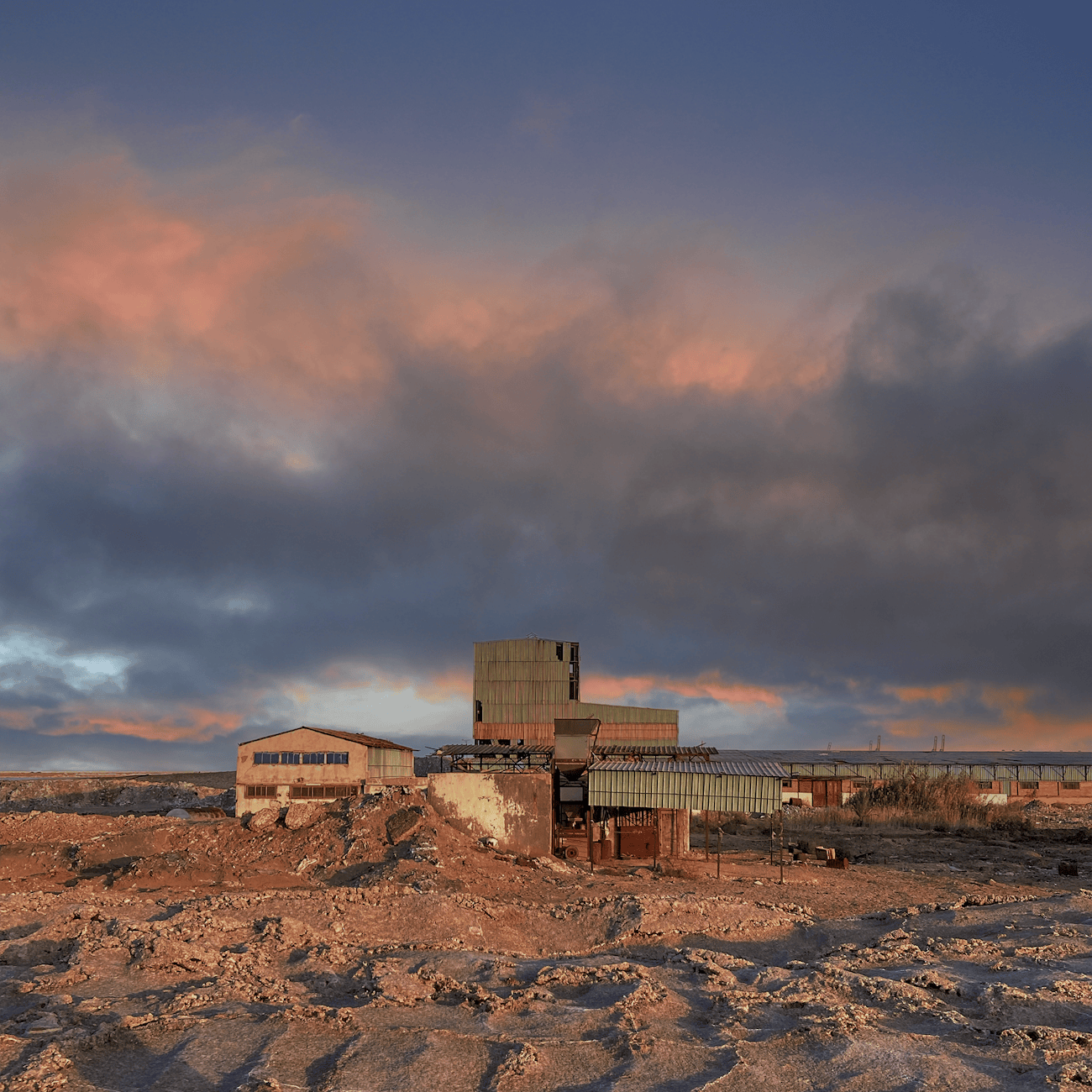
**Acid Mine Drainage (AMD)** #
**Acid Mine Drainage (AMD)**
Acid mine drainage is the outflow of acidic water from mining sites, usually fro… #
The process creates a solution of sulfuric acid, heavy metals, and other contaminants that can be harmful to the environment and human health.
**Beneficiation** #
**Beneficiation**
Beneficiation is the process of concentrating and upgrading the valuable mineral… #
This is usually done through crushing, grinding, and separation techniques, such as flotation or magnetic separation.
**Bioremediation** #
**Bioremediation**
Bioremediation is the use of living organisms, such as bacteria or fungi, to bre… #
In the context of waste management and mineral processing, bioremediation can be used to treat wastewater, remove heavy metals, or degrade organic pollutants.
**Circular Economy** #
**Circular Economy**
A circular economy is an economic system that is restorative and regenerative by… #
It aims to keep resources in use for as long as possible, reduce waste and the use of new resources, and regenerate natural systems. In the context of mining, a circular economy could involve reusing and recycling mine waste, reducing energy and water consumption, and restoring mined land.
**Comminution** #
**Comminution**
Comminution is the process of reducing the size of a solid material, such as ore… #
Comminution is a critical step in mineral processing, as it increases the surface area of the material, making it easier to separate the valuable minerals from the gangue.
**Contamination** #
**Contamination**
Contamination is the presence of unwanted substances, such as heavy metals, chem… #
Contamination can occur through mining activities, waste disposal, or other human activities, and can have negative impacts on human health and the environment.
**Dewatering** #
**Dewatering**
Dewatering is the process of removing water from a solid material, such as waste… #
Dewatering is often necessary in mineral processing and waste management to reduce the volume of the material, increase its stability, and facilitate transportation and disposal.
**Dredging** #
**Dredging**
Dredging is the process of removing sediment, debris, or contaminants from the b… #
Dredging can be used to maintain navigable channels, restore wetlands, or extract minerals from underwater deposits.
**Effluent** #
**Effluent**
Effluent is the outflow of water from a treatment process, such as a wastewater… #
Effluent can contain contaminants, such as heavy metals or chemicals, that can be harmful to the environment and human health.
**Geochemistry** #
**Geochemistry**
Geochemistry is the study of the chemical composition and behavior of the Earth'… #
Geochemistry is an important tool in mineral exploration, environmental monitoring, and waste management.
**Heavy Metals** #
**Heavy Metals**
Heavy metals are metallic elements with a density greater than 5 g/cm3 #
Heavy metals, such as lead, mercury, and cadmium, can be toxic to humans and the environment, and can accumulate in the food chain.
**Hydrometallurgy** #
**Hydrometallurgy**
Hydrometallurgy is the use of aqueous solutions to extract and process metals fr… #
Hydrometallurgical processes, such as leaching or precipitation, can be less energy-intensive and more environmentally friendly than traditional pyrometallurgical processes.
**Leaching** #
**Leaching**
Leaching is the process of extracting valuable minerals or metals from a solid m… #
Leaching can be used to extract metals from low-grade ores, or to recover metals from waste or tailings.
**Life Cycle Assessment (LCA)** #
**Life Cycle Assessment (LCA)**
Life cycle assessment is a method for evaluating the environmental impacts of a… #
LCA can be used to identify hotspots of environmental impact, inform decision-making, and improve the sustainability of mining and mineral processing operations.
**Mineral Processing** #
**Mineral Processing**
Mineral processing is the separation and concentration of valuable minerals from… #
Mineral processing techniques include crushing, grinding, flotation, magnetic separation, and leaching.
**Mine Waste** #
**Mine Waste**
Mine waste is the solid or liquid material that is generated during mining and m… #
Mine waste can include waste rock, tailings, and effluent, and can contain contaminants that can be harmful to the environment and human health.
**Overburden** #
**Overburden**
Overburden is the layer of rock, soil, and other materials that covers a mineral… #
Overburden must be removed before mining can begin, and can be a significant source of waste and environmental impact.
**Phytoremediation** #
**Phytoremediation**
Phytoremediation is the use of plants to remove contaminants from the environmen… #
In the context of mining, phytoremediation can be used to treat wastewater, remove heavy metals from soils, or restore mined land.
**Pyrometallurgy** #
**Pyrometallurgy**
Pyrometallurgy is the use of high temperatures to extract and process metals fro… #
Pyrometallurgical processes, such as smelting or roasting, can be energy-intensive and produce emissions and waste.
**Reclamation** #
**Reclamation**
Reclamation is the process of restoring mined land to a stable and sustainable s… #
Reclamation can include grading, contouring, planting, and erosion control measures.
**Recycling** #
**Recycling**
Recycling is the process of recovering and reusing materials from waste or disca… #
Recycling can reduce the need for new resource extraction, conserve energy, and reduce environmental impact.
**Remediation** #
**Remediation**
Remediation is the process of cleaning up or treating contaminated soil, water,… #
Remediation can be used to address historical contamination, or to prevent future contamination from mining or mineral processing activities.
**Risk Assessment** #
**Risk Assessment**
Risk assessment is the process of identifying, evaluating, and prioritizing risk… #
Risk assessment can be used to inform decision-making, mitigate potential harm, and improve the safety and sustainability of mining and mineral processing operations.
**Sedimentation** #
**Sedimentation**
Sedimentation is the process of settling and accumulating particles or solids in… #
Sedimentation can be used to remove solids from wastewater, or to recover valuable minerals from tailings.
**Sustainability** #
**Sustainability**
Sustainability is the ability to meet the needs of the present without compromis… #
Sustainability in mining and mineral processing involves balancing economic, social, and environmental considerations, and promoting responsible and efficient use of resources.
**Tailings** #
**Tailings**
Tailings are the solid or liquid waste materials that are generated during miner… #
Tailings can contain valuable minerals, as well as contaminants that can be harmful to the environment and human health.
**Waste Management** #
**Waste Management**
Waste management is the collection, transport, treatment, and disposal of waste… #
Waste management in mining and mineral processing involves minimizing waste generation, maximizing resource recovery, and protecting human health and the environment.
**Water Management** #
**Water Management**
Water management is the management and conservation of water resources, includin… #
Water management in mining and mineral processing involves reducing water consumption, minimizing water loss and contamination, and protecting water quality and quantity.