
Thermal System Optimization
Expert-defined terms from the Professional Certificate in Thermal Systems Analysis with AI course at London School of Planning and Management. Free to read, free to share, paired with a professional course.
Thermal System Optimization #
Thermal System Optimization
Thermal System Optimization refers to the process of maximizing the efficiency a… #
This optimization process aims to achieve the best possible balance between energy consumption, cost, and environmental impact while meeting the desired thermal output.
Thermal System Optimization involves analyzing the entire system, including heat… #
By using advanced techniques such as mathematical modeling, simulation, and artificial intelligence (AI), engineers can optimize the system design and operation to achieve the desired performance metrics.
- Energy Efficiency: The ratio of useful energy output to the total energy input… #
Improving energy efficiency is a key goal of thermal system optimization.
- Heat Transfer: The process of transferring heat from one medium to another #
Efficient heat transfer is essential for maximizing the performance of thermal systems.
- Optimization Algorithms: Mathematical algorithms used to find the optimal solu… #
These algorithms play a crucial role in thermal system optimization.
Example: #
Example:
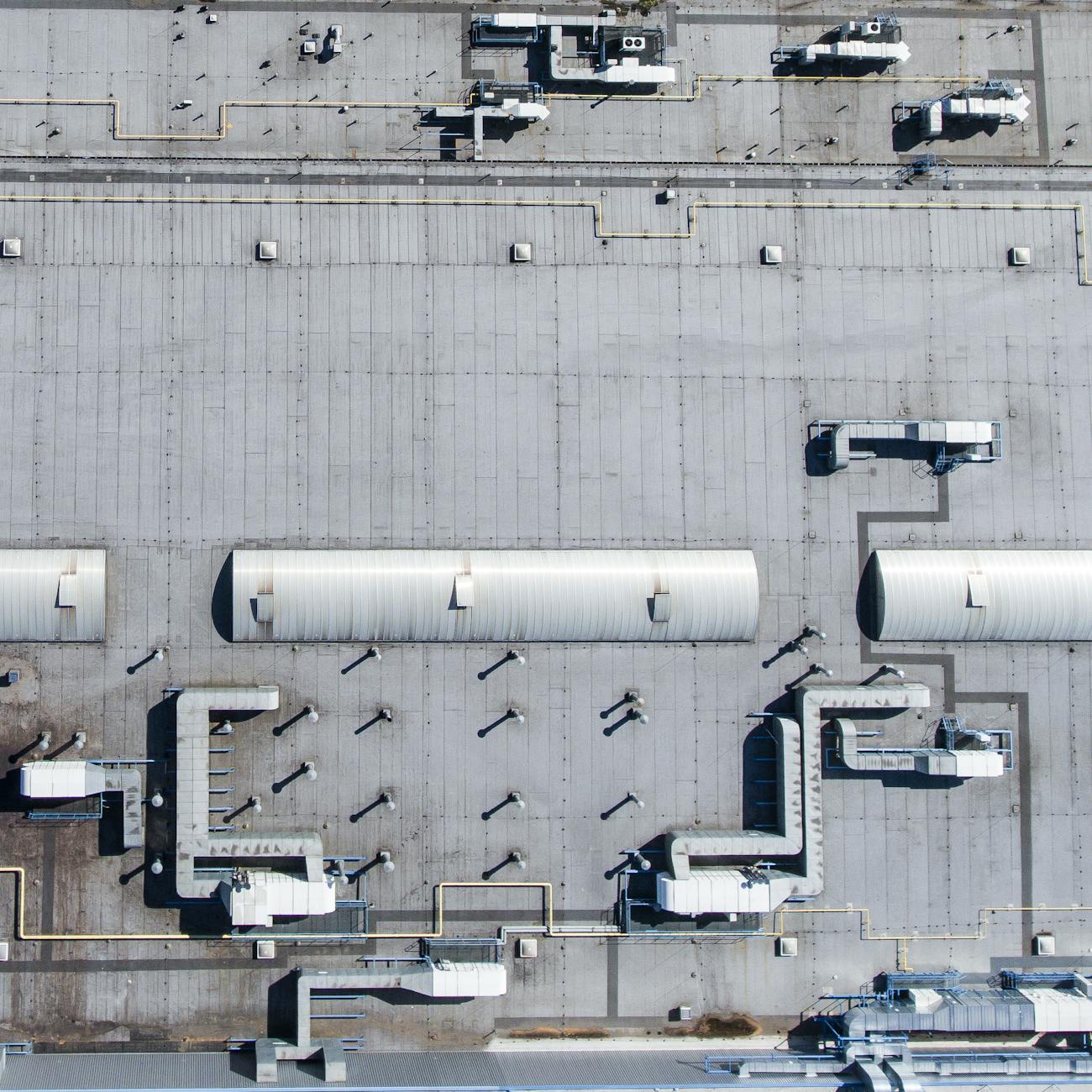
An example of Thermal System Optimization is the design of a heating, ventilatio… #
By optimizing the size and placement of HVAC components, adjusting temperature setpoints, and implementing smart control strategies, engineers can reduce energy consumption while maintaining a comfortable indoor environment.
Practical Applications: #
Practical Applications:
Thermal System Optimization is widely used in various industries, including auto… #
Some practical applications of thermal system optimization include:
- Designing more efficient engines and power plants #
- Designing more efficient engines and power plants
- Improving the performance of refrigeration and cooling systems #
- Improving the performance of refrigeration and cooling systems
- Optimizing thermal management in electronic devices #
- Optimizing thermal management in electronic devices
- Enhancing the energy efficiency of buildings and industrial processes #
- Enhancing the energy efficiency of buildings and industrial processes
Challenges: #
Challenges:
Despite its benefits, Thermal System Optimization poses several challenges, incl… #
Despite its benefits, Thermal System Optimization poses several challenges, including:
- Complexity: Thermal systems are often complex and nonlinear, making optimizati… #
- Complexity: Thermal systems are often complex and nonlinear, making optimization challenging.
- Uncertainty: Variability in operating conditions and environmental factors can… #
- Uncertainty: Variability in operating conditions and environmental factors can affect the performance of thermal systems.
- Computational Cost: Performing detailed optimization simulations can be comput… #
- Computational Cost: Performing detailed optimization simulations can be computationally intensive and time-consuming.
In conclusion, Thermal System Optimization is a critical process for maximizing… #
By leveraging advanced techniques and tools, engineers can design and operate thermal systems that are both energy-efficient and cost-effective.