
Remote Patient Monitoring Systems
Expert-defined terms from the Certificate in Wearable Technology in Healthcare course at UK School of Management. Free to read, free to share, paired with a globally recognised certification pathway.
Remote Patient Monitoring Systems #
Remote Patient Monitoring Systems (RPMS) are a type of technology that allows he… #
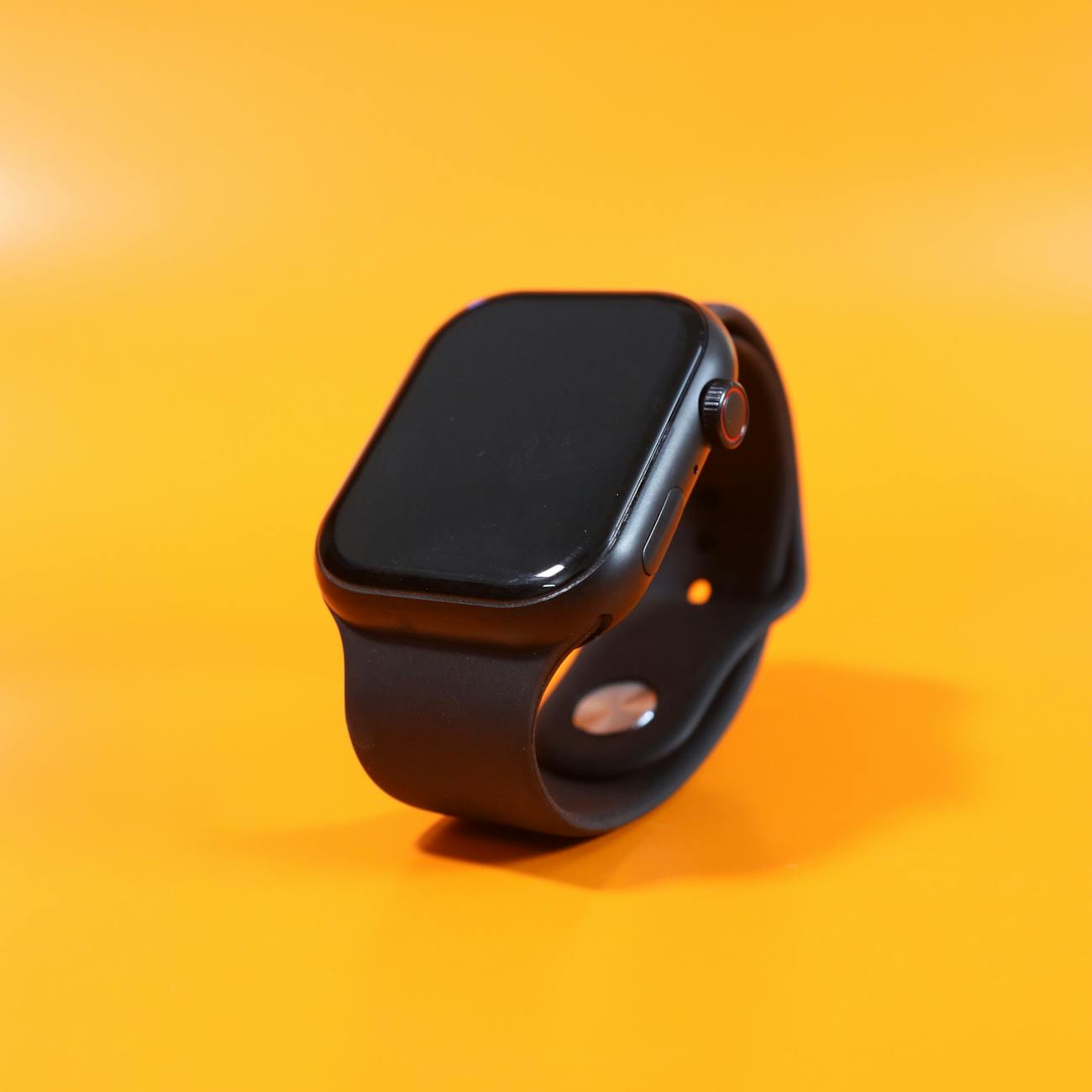
These systems typically involve wearable devices, such as smartwatches or fitness trackers, that collect real-time data and transmit it to healthcare professionals for analysis. RPMS are particularly useful for patients with chronic conditions who require regular monitoring to manage their health effectively.
Concept #
RPMS enable healthcare providers to track patients' health metrics remotely, allowing for timely interventions and adjustments to treatment plans based on the data received. These systems provide a more comprehensive view of a patient's health status compared to traditional in-person visits, as they continuously monitor vital signs and other relevant data.
Explanation #
Remote Patient Monitoring Systems utilize wearable devices equipped with sensors to collect data on various health metrics, such as heart rate, blood pressure, blood glucose levels, and activity levels. This data is then transmitted to a central monitoring system where healthcare professionals can access and analyze it in real-time. RPMS allow for early detection of health issues, better management of chronic conditions, and improved patient outcomes.
Examples #
An example of RPMS in action is a diabetic patient wearing a smart glucose monitor that continuously measures their blood sugar levels. The data is transmitted to their healthcare provider, who can track trends over time and make adjustments to the patient's treatment plan as needed. Another example is a patient recovering from surgery wearing a wearable device that monitors their heart rate and activity levels, allowing their care team to ensure a safe and successful recovery.
Practical Applications #
RPMS have a wide range of practical applications in healthcare, including monitoring patients with chronic conditions, tracking post-operative recovery progress, managing medication adherence, and facilitating virtual consultations between patients and healthcare providers. These systems can help reduce hospital readmissions, improve patient engagement in their own care, and enhance the overall efficiency of healthcare delivery.
Challenges #
Despite their many benefits, RPMS also present several challenges. These include issues related to data privacy and security, the need for interoperability between different devices and systems, ensuring the accuracy and reliability of the data collected, and addressing concerns about the potential over-reliance on technology in healthcare decision-making. Additionally, there may be barriers to adoption among patients who are unfamiliar with or resistant to using wearable technology for health monitoring.