
Drone Applications in Offshore Operations
Expert-defined terms from the Professional Certificate in Drone Applications in Oil and Gas Industry course at London School of Planning and Management. Free to read, free to share, paired with a professional course.
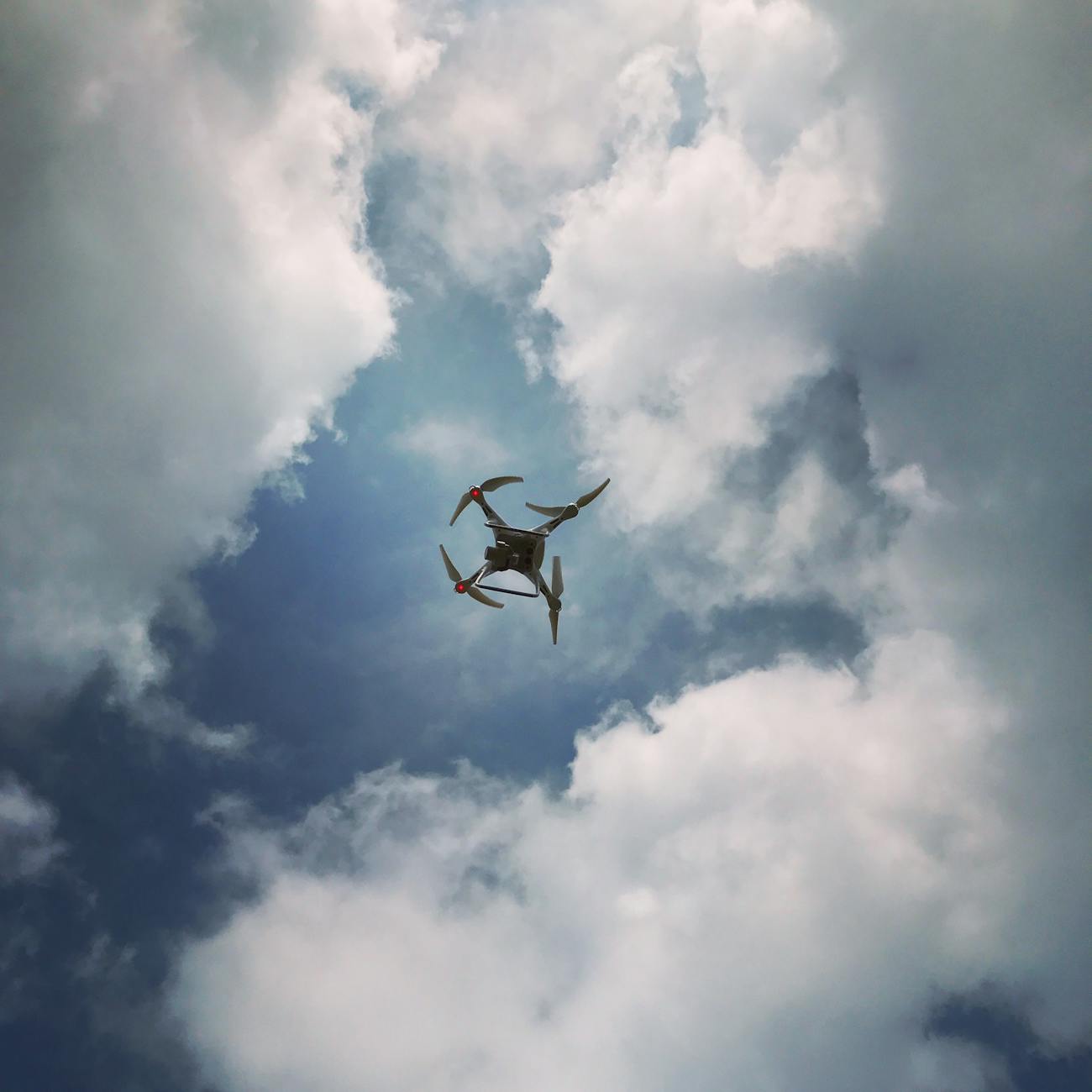
Drone Applications in Offshore Operations #
Drone Applications in Offshore Operations
Drones, also known as Unmanned Aerial Vehicles (UAVs), have revolutionized vario… #
In offshore operations, drones offer numerous applications that improve safety, efficiency, and cost-effectiveness. This glossary will explore different drone applications in offshore operations, providing a comprehensive understanding of their uses, benefits, and challenges.
1 #
Aerial Surveys
Aerial surveys involve using drones equipped with cameras or LiDAR sensors to ca… #
These surveys provide detailed data for asset inspection, maintenance planning, and environmental monitoring. Aerial surveys can detect corrosion, structural damage, or leaks, enabling proactive maintenance and minimizing downtime.
2 #
Asset Inspection
Drone technology allows for efficient asset inspection of offshore installations… #
Drones equipped with cameras, thermal sensors, or gas detectors can access hard-to-reach areas and collect data on the condition of assets. This data helps identify defects, leaks, or safety hazards, facilitating timely repairs and ensuring regulatory compliance.
3 #
Environmental Monitoring
Drones play a crucial role in environmental monitoring of offshore operations by… #
Drones equipped with sensors can detect oil spills, monitor wildlife habitats, and assess the impact of operations on the surrounding ecosystem. This data enables proactive measures to mitigate environmental risks and comply with regulations.
4 #
Emergency Response
In the event of an emergency, drones can be deployed quickly to assess the situa… #
Drones equipped with thermal cameras or gas sensors can locate missing personnel, monitor fire outbreaks, or assess structural damage. This real-time data helps emergency responders make informed decisions and prioritize actions.
5 #
Offshore Construction
Drones are increasingly used in offshore construction projects to monitor progre… #
Drones equipped with GPS technology can create 3D models of construction sites, track equipment movement, and verify the accuracy of installations. This data improves project efficiency, reduces rework, and enhances safety during construction activities.
6 #
Pipeline Inspection
Pipeline inspection is a critical application of drones in offshore operations,… #
Drones equipped with sonar sensors or magnetic crawlers can inspect pipelines from above or below the water surface, capturing detailed images and data. This proactive inspection reduces the risk of leaks, environmental damage, and costly repairs.
7 #
Security Surveillance
Drones enhance security surveillance of offshore installations by patrolling per… #
Drones equipped with cameras, night vision, or facial recognition technology can provide real-time video feeds to security personnel, enabling quick response to security incidents. This proactive surveillance deters intruders, prevents theft, and ensures the safety of personnel and assets.
8 #
Structural Monitoring
Drones are used for structural monitoring of offshore platforms, jackets, and ot… #
Drones equipped with sensors can detect cracks, corrosion, or deformation in structures, providing early warning of potential failures. This data supports predictive maintenance programs, prolongs asset lifespan, and enhances safety by preventing accidents.
9 #
Subsea Inspection
Subsea inspection is a challenging task in offshore operations, requiring specia… #
Drones equipped with underwater cameras, ROVs (Remotely Operated Vehicles), or AUVs (Autonomous Underwater Vehicles) can perform subsea inspections more efficiently and safely. These drones can navigate underwater environments, capture high-definition images, and collect data on subsea assets, such as pipelines, risers, or seabed structures.
10 #
Weather Monitoring
Drones provide valuable data for weather monitoring in offshore operations, help… #
Drones equipped with weather sensors can measure wind speed, temperature, humidity, or air pressure, providing real-time meteorological data. This information supports decision-making for offshore activities, such as helicopter operations, crane lifting, or vessel movements.
In conclusion, drones offer a wide range of applications in offshore operations,… #
By leveraging drone technology, operators can improve safety, efficiency, and cost-effectiveness in offshore operations, leading to enhanced productivity and environmental stewardship in the industry.