
Introduction to Data Center Sustainability
Expert-defined terms from the Professional Certificate in Data Center Sustainability course at UK School of Management. Free to read, free to share, paired with a globally recognised certification pathway.
Introduction to Data Center Sustainability #
Introduction to Data Center Sustainability
Data center sustainability refers to the practice of designing, building, and op… #
This concept has gained significant importance in recent years due to the increasing energy consumption and carbon footprint of data centers worldwide.
Data centers are facilities that house computer systems and associated component… #
These facilities consume a considerable amount of electricity to operate and cool the equipment, leading to high energy costs and carbon emissions.
Sustainability in data centers involves implementing strategies and technologies… #
It also focuses on reducing water usage, minimizing waste generation, and promoting recycling and reuse of materials to create a more sustainable and environmentally friendly data center ecosystem.
Key components of data center sustainability include energy efficiency, renewabl… #
By adopting sustainable practices, data centers can lower their operating costs, reduce their environmental impact, and contribute to a more sustainable future.
Key Terms #
1. Energy Efficiency #
Energy efficiency in data centers refers to the practice of using energy-efficient technologies and techniques to reduce the amount of electricity required to power the equipment and cooling systems. This includes using high-efficiency servers, optimizing airflow management, and implementing energy-saving features such as virtualization and server consolidation.
2. Renewable Energy #
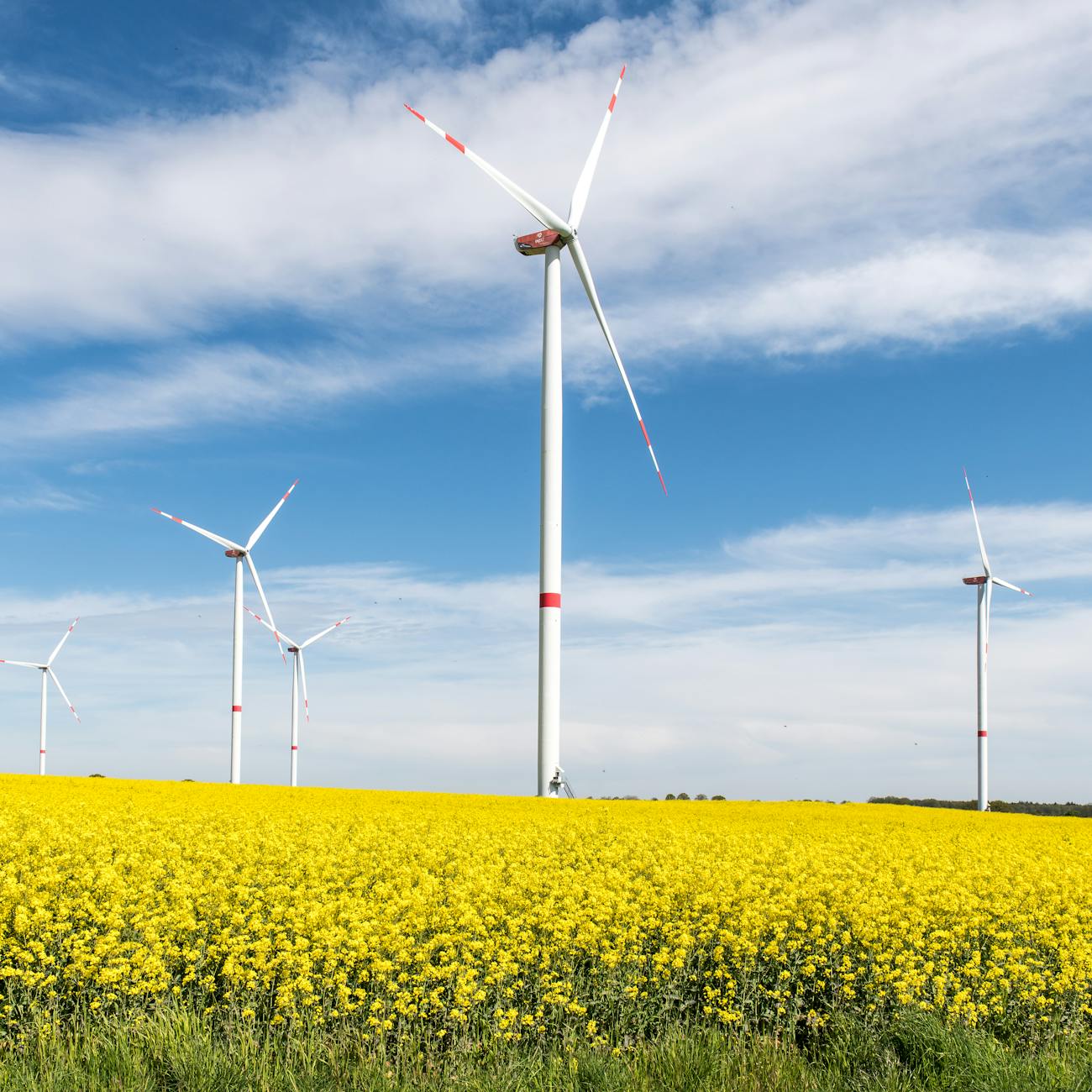
Renewable energy sources, such as solar, wind, and hydropower, are environmentally friendly alternatives to traditional fossil fuels for powering data centers. By using renewable energy, data centers can reduce their carbon footprint and reliance on non-renewable resources.
3. Water Conservation #
Water conservation in data centers involves minimizing water usage for cooling systems, humidification, and other operational needs. Implementing water-efficient cooling technologies, such as air-side economization and water recycling systems, can help reduce water consumption and promote sustainability.
4. Waste Management #
Waste management practices in data centers focus on reducing, recycling, and properly disposing of electronic waste (e-waste) generated by decommissioned equipment and obsolete hardware. By recycling materials such as metals, plastics, and circuit boards, data centers can minimize their environmental impact and promote a circular economy.
5. Green Building Practices #
Green building practices in data centers involve designing and constructing facilities that are energy-efficient, sustainable, and environmentally friendly. This includes using eco-friendly building materials, optimizing natural lighting and ventilation, and implementing energy-efficient HVAC systems to reduce energy consumption and greenhouse gas emissions.
6. Power Usage Effectiveness (PUE) #
Power Usage Effectiveness is a metric used to evaluate the energy efficiency of a data center by comparing the total energy consumption of the facility to the energy consumed by the IT equipment. A lower PUE value indicates a more energy-efficient data center design and operation.
7. Carbon Footprint #
The carbon footprint of a data center is the total amount of greenhouse gas emissions, particularly carbon dioxide (CO2), produced by the facility's operations. By reducing energy consumption, using renewable energy, and implementing sustainable practices, data centers can lower their carbon footprint and mitigate climate change.
8. Virtualization #
Virtualization is a technology that enables multiple virtual servers to run on a single physical server, maximizing the utilization of hardware resources and reducing energy consumption. By consolidating workloads and reducing the number of physical servers, data centers can improve efficiency and decrease their environmental impact.
9. Data Center Cooling #
Data center cooling systems are critical for maintaining optimal operating temperatures for servers and networking equipment. Energy-efficient cooling technologies, such as free cooling, hot aisle/cold aisle containment, and liquid cooling, can help reduce energy consumption and improve sustainability.
10. Energy Management #
Energy management in data centers involves monitoring, analyzing, and optimizing energy usage to identify opportunities for efficiency improvements and cost savings. By implementing energy management systems and best practices, data centers can reduce their energy consumption and environmental impact.
11. Renewable Energy Certificates (RECs) #
Renewable Energy Certificates are tradable certificates that represent the environmental attributes of renewable energy generation, such as solar or wind power. Data centers can purchase RECs to offset their carbon emissions and support the development of renewable energy projects.
12. Data Center Resilience #
Data center resilience refers to the ability of a facility to maintain uninterrupted operations in the face of disruptions, such as power outages, natural disasters, or cyber attacks. By implementing redundant power and cooling systems, backup generators, and disaster recovery plans, data centers can enhance their resilience and ensure business continuity.
13. Air #
Side Economization: Air-side economization is a cooling technique that uses outside air to cool data center equipment, reducing the need for mechanical cooling systems and lowering energy consumption. By leveraging cool ambient air during favorable weather conditions, data centers can improve efficiency and sustainability.
14. Power Distribution Units (PDUs) #
Power Distribution Units are devices used to distribute electrical power to servers and other IT equipment in a data center. Energy-efficient PDUs with features such as metering, monitoring, and remote power management can help optimize power distribution and improve energy efficiency.
15. Data Center Infrastructure Management (DCIM) #
Data Center Infrastructure Management is a software suite that provides real-time monitoring, control, and optimization of data center operations, including power usage, cooling systems, and environmental conditions. DCIM solutions help data center managers make informed decisions to improve efficiency and sustainability.
16. Challenges of Data Center Sustainability #
Data center sustainability faces several challenges, including high energy consumption, limited availability of renewable energy sources, complex cooling requirements, e-waste management, and regulatory compliance. Overcoming these challenges requires a holistic approach that integrates technology, policy, and best practices to create a more sustainable data center ecosystem.
17. Data Center Automation #
Data center automation involves using software and technologies to streamline and automate routine tasks, such as provisioning servers, managing workloads, and optimizing resource utilization. Automation helps improve operational efficiency, reduce human errors, and enhance sustainability by optimizing energy usage and reducing waste.
18. Internet of Things (IoT) in Data Centers #
The Internet of Things refers to the network of interconnected devices and sensors that collect and exchange data to enable smart, automated systems. In data centers, IoT technologies can be used to monitor and control equipment, optimize energy usage, and improve overall efficiency and sustainability.
19. Data Center Decommissioning #
Data center decommissioning is the process of retiring and removing outdated or obsolete IT equipment, servers, and infrastructure from a facility. Proper decommissioning practices involve data sanitization, recycling or disposal of hardware, and environmental remediation to minimize the environmental impact of decommissioned assets.
20. Sustainable Procurement #
Sustainable procurement involves sourcing products and services from suppliers that adhere to environmental, social, and ethical standards. Data centers can promote sustainability by selecting vendors that offer energy-efficient equipment, eco-friendly materials, and sustainable practices throughout the supply chain.
21. Data Center Security #
Data center security encompasses the physical, logical, and operational measures taken to protect data, equipment, and infrastructure from unauthorized access, cyber threats, and security breaches. By implementing robust security controls, access controls, and monitoring systems, data centers can safeguard critical assets and ensure data integrity and confidentiality.
22. Disaster Recovery and Business Continuity #
Disaster recovery and business continuity planning involves developing strategies and processes to recover IT systems and operations in the event of a disaster or disruption. By implementing backup solutions, data replication, and recovery plans, data centers can minimize downtime, mitigate risks, and maintain business continuity.
23. Green Data Center Certification #
Green data center certification programs, such as LEED (Leadership in Energy and Environmental Design) and ENERGY STAR, assess and recognize data centers that meet specific sustainability criteria. Achieving certification demonstrates a commitment to environmental stewardship, energy efficiency, and sustainable practices in data center operations.
24. Energy Star for Data Centers #
ENERGY STAR is a government-backed program that certifies energy-efficient products and buildings, including data centers. Data centers can earn ENERGY STAR certification by meeting strict energy performance criteria and demonstrating a commitment to sustainability and environmental responsibility.
25. Carbon Neutral Data Center #
A carbon-neutral data center is one that offsets its carbon emissions through renewable energy purchases, carbon offsets, and other sustainability initiatives to achieve net-zero carbon footprint. By balancing carbon emissions with carbon reduction measures, data centers can operate in an environmentally responsible manner.
26. Data Center Regulatory Compliance #
Data centers must comply with various regulations, standards, and industry guidelines related to energy efficiency, environmental protection, data security, and privacy. Ensuring regulatory compliance requires data center operators to implement policies, procedures, and controls to meet legal requirements and industry best practices.
27. Data Center Monitoring and Reporting #
Data center monitoring and reporting involve tracking and analyzing key performance indicators (KPIs), such as energy usage, temperature, humidity, and carbon emissions, to assess the efficiency and sustainability of data center operations. By monitoring metrics and generating reports, data centers can identify trends, optimize performance, and demonstrate accountability.
28. Data Center Sustainability Best Practices #
Data center sustainability best practices encompass a range of strategies and initiatives to improve energy efficiency, reduce environmental impact, and promote sustainability. Examples include virtualization, cloud computing, energy-efficient cooling, renewable energy adoption, and waste reduction programs to enhance sustainability in data center operations.
29. Data Center Energy Modeling #
Data center energy modeling involves using simulation tools and software to analyze and predict energy usage, cooling requirements, and environmental impacts of data center designs and operations. By modeling different scenarios and optimizing energy performance, data centers can make informed decisions to enhance efficiency and sustainability.
30. Carbon Offsetting #
Carbon offsetting is a practice that involves investing in projects that reduce or prevent greenhouse gas emissions to compensate for one's own carbon footprint. Data centers can offset their carbon emissions by purchasing carbon credits from renewable energy projects, reforestation initiatives, or other sustainability programs to support environmental conservation efforts.
31. Data Center Greenhouse Gas Emissions #
Greenhouse gas emissions from data centers include carbon dioxide (CO2), methane (CH4), and nitrous oxide (N2O) produced by the combustion of fossil fuels, electricity generation, and cooling systems. By measuring, monitoring, and reducing greenhouse gas emissions, data centers can minimize their environmental impact and contribute to climate change mitigation.
32. Data Center Sustainability Metrics #
Data center sustainability metrics are quantitative measurements used to assess the environmental performance, energy efficiency, and resource utilization of data center operations. Key metrics include PUE, carbon footprint, water usage efficiency, waste diversion rate, renewable energy penetration, and energy cost savings to track and improve sustainability outcomes.
33. Green Data Center Technologies #
Green data center technologies are innovative solutions and systems designed to improve energy efficiency, reduce environmental impact, and enhance sustainability in data center operations. Examples include advanced cooling systems, energy management software, renewable energy integration, smart sensors, and green building materials to optimize performance and resource utilization.
34. Data Center Sustainability Policies #
Data center sustainability policies outline the principles, goals, and strategies for achieving environmental sustainability, energy efficiency, and resource conservation in data center operations. By establishing clear policies, setting targets, and implementing action plans, data centers can promote a culture of sustainability and drive continuous improvement in their sustainability performance.
35. Energy #
Efficient Server Design: Energy-efficient server design focuses on developing hardware and software solutions that minimize energy consumption, heat generation, and carbon emissions while maintaining optimal performance and reliability. Features such as low-power processors, efficient power supplies, and intelligent cooling systems can help data centers reduce energy costs and environmental impact.
36. Data Center Sustainability Reporting #
Data center sustainability reporting involves documenting and communicating environmental performance, energy efficiency initiatives, and sustainability achievements to stakeholders, customers, and regulatory authorities. By publishing sustainability reports, data centers can demonstrate transparency, accountability, and progress towards their sustainability goals to build trust and credibility.
37. Green Data Center Retrofit #
Green data center retrofitting involves upgrading existing facilities with energy-efficient technologies, sustainable practices, and renewable energy solutions to improve environmental performance and reduce operating costs. Retrofitting measures may include equipment upgrades, cooling system optimization, lighting improvements, and building envelope enhancements to enhance sustainability in data center operations.
38. Climate #
Resilient Data Centers: Climate-resilient data centers are designed and built to withstand extreme weather events, natural disasters, and climate change impacts to ensure uninterrupted operations and data protection. By implementing resilient infrastructure, backup systems, and disaster recovery plans, data centers can enhance their resilience and adaptability to changing environmental conditions.
39. Data Center Sustainability Certification #
Data center sustainability certification programs, such as ISO 50001, BREEAM, and Green Globes, assess and recognize data centers that meet specific sustainability criteria and best practices. Achieving certification demonstrates compliance with international standards, commitment to energy efficiency, and dedication to sustainable operations in data centers.
40. Sustainable Data Center Operations #
Sustainable data center operations involve implementing energy-efficient practices, renewable energy solutions, water conservation measures, waste management strategies, and green building standards to minimize environmental impact and promote sustainability. By integrating sustainable initiatives into daily operations, data centers can reduce costs, enhance efficiency, and support environmental stewardship.
Conclusion #
Data center sustainability is a critical aspect of modern IT infrastructure mana… #
By embracing energy efficiency, renewable energy, water conservation, waste management, and green building practices, data centers can achieve sustainability goals, enhance operational efficiency, and contribute to a more sustainable future for the digital economy. Adopting best practices, implementing innovative technologies, and measuring performance metrics are essential steps for data centers to achieve environmental sustainability, resilience, and regulatory compliance in a rapidly evolving industry landscape. Through continuous improvement, collaboration, and commitment to sustainability principles, data centers can drive positive change, reduce their carbon footprint, and lead the way towards a greener and more sustainable data center ecosystem.