
Cryptocurrency and Blockchain Technology
Expert-defined terms from the Postgraduate Certificate in Advanced FinTech course at London School of Planning and Management. Free to read, free to share, paired with a professional course.
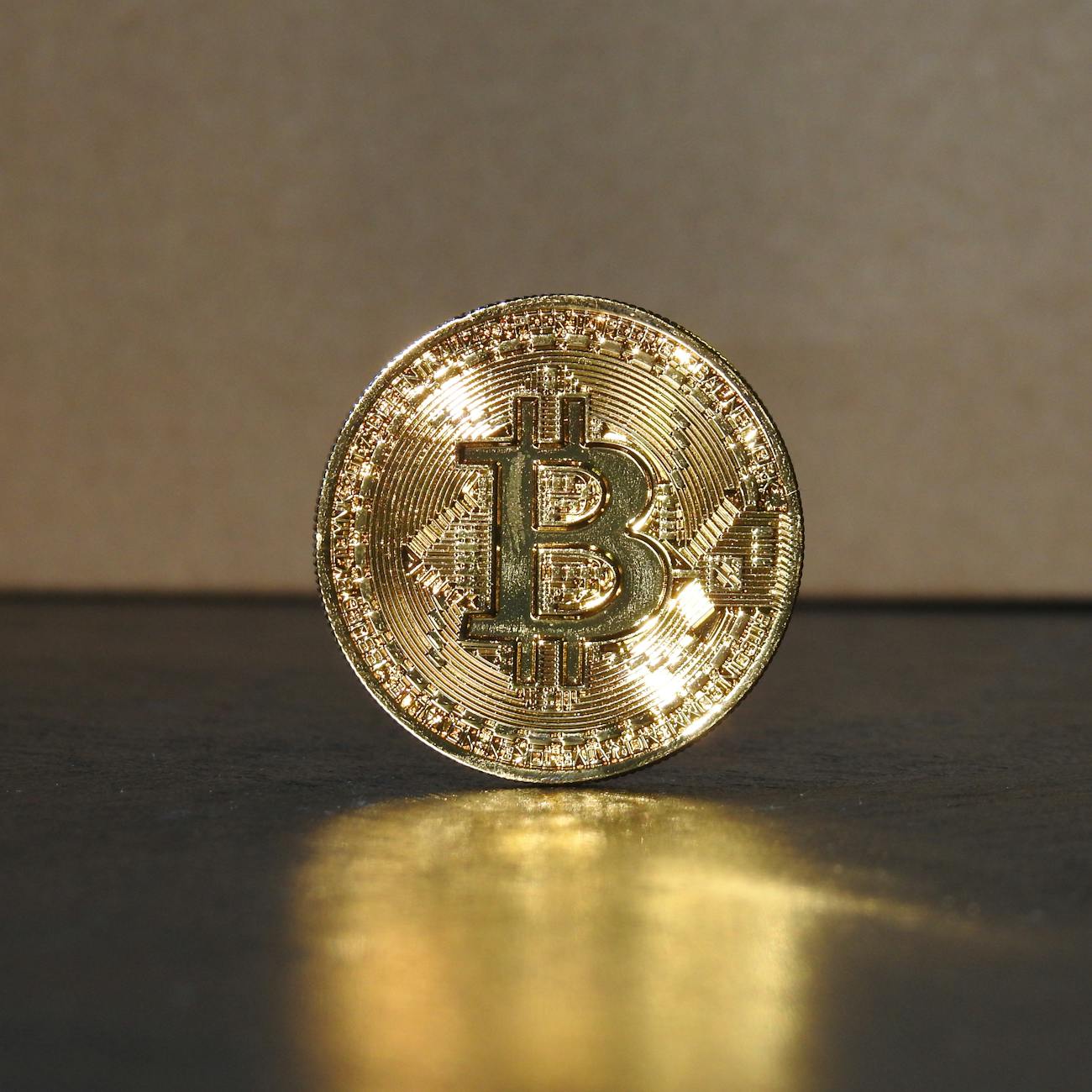
Cryptocurrency #
Cryptocurrency is a digital or virtual form of currency that uses cryptography f… #
It operates independently of a central bank or government authority, making it decentralized. Cryptocurrencies leverage blockchain technology to gain transparency, decentralization, and immutability.
Bitcoin #
Bitcoin is the first and most well #
known cryptocurrency created in 2009 by an unknown person or group of people using the pseudonym Satoshi Nakamoto. It is often referred to as digital gold and serves as a store of value and a medium of exchange.
Ethereum #
Ethereum is a decentralized platform that enables smart contracts and decentrali… #
It was proposed by Vitalik Buterin in late 2013 and development began in early 2014 with the network going live on July 30, 2015.
Altcoin #
Altcoin is a term used to describe any cryptocurrency other than Bitcoin #
There are thousands of altcoins with different features and use cases, such as Ethereum, Ripple, Litecoin, and Cardano.
Blockchain Technology #
Blockchain technology is a distributed ledger that records transactions across a… #
Each block in the chain contains a number of transactions, and every time a new transaction occurs, a record of that transaction is added to every participant's ledger.
Decentralization #
Decentralization refers to the distribution of power and control away from a sin… #
In the context of cryptocurrency, decentralization eliminates the need for a central authority to validate transactions.
Smart Contracts #
Smart contracts are self #
executing contracts with the terms of the agreement between buyer and seller directly written into lines of code. They automatically execute and enforce the terms of the contract, reducing the need for intermediaries and increasing transparency.
Wallet #
A cryptocurrency wallet is a software program that stores public and private key… #
Wallets can be hardware or software-based.
Mining #
Mining is the process by which new cryptocurrency coins are created and transact… #
Miners use powerful computers to solve complex mathematical problems that validate transactions and secure the network.
Node #
A node is any device that participates in the blockchain network by maintaining… #
Nodes can be full nodes that store the entire blockchain or light nodes that rely on other nodes for information.
Consensus Mechanism #
A consensus mechanism is a protocol used to achieve agreement on the network abo… #
Examples of consensus mechanisms include Proof of Work (PoW), Proof of Stake (PoS), and Delegated Proof of Stake (DPoS).
Hard Fork #
A hard fork is a permanent divergence from the previous version of a blockchain,… #
This typically occurs when a cryptocurrency's community cannot agree on protocol changes, leading to a split in the network.
Soft Fork #
A soft fork is a temporary divergence in the blockchain where only one chain rem… #
It is backward-compatible, meaning that nodes running the new software can still interact with nodes running the old software, but not vice versa.
Initial Coin Offering (ICO) #
An Initial Coin Offering is a fundraising method used by new projects to sell th… #
Investors purchase tokens with the expectation that their value will increase as the project develops.
Security Token Offering (STO) #
A Security Token Offering is a fundraising method that involves the issuance of… #
STOs are subject to securities regulations.
Utility Token #
A utility token is a digital token that provides access to a specific product or… #
Unlike security tokens, utility tokens do not represent ownership in an asset and are not subject to securities regulations.
Decentralized Finance (DeFi) #
Decentralized Finance refers to the use of blockchain technology and smart contr… #
DeFi aims to provide more accessible and inclusive financial services.
Non #
Fungible Token (NFT):
A Non #
Fungible Token is a unique digital asset that represents ownership of a specific item, such as art, collectibles, or virtual real estate. NFTs are indivisible and cannot be exchanged on a one-to-one basis like cryptocurrencies.
Oracles #
Oracles are third #
party services that provide smart contracts with real-world data, such as the price of a commodity or the outcome of a sports event. Oracles act as bridges between the blockchain and external sources of information.
Cryptocurrency Exchange #
A cryptocurrency exchange is a platform that allows users to buy, sell, and trad… #
Exchanges can be centralized, where transactions are processed by a single entity, or decentralized, using smart contracts.
Cold Storage #
Cold storage refers to storing cryptocurrency funds offline in a secure hardware… #
Cold storage is considered more secure than hot wallets connected to the internet.
Market Cap #
Market capitalization, or market cap, is the total value of a cryptocurrency cal… #
Market cap is used to rank cryptocurrencies by their relative size and popularity.
Whale #
A whale is a term used to describe an individual or entity that holds a large am… #
Whales are often associated with high volatility in the market.
Pump and Dump #
Pump and dump is a scheme where the price of a cryptocurrency is artificially in… #
This practice is illegal and can lead to significant losses for investors.
Whitepaper #
A whitepaper is a document released by a cryptocurrency project that outlines th… #
Whitepapers are used to inform potential investors and users about the project's vision and features.
Tokenomics #
Tokenomics refers to the economic model and design of a cryptocurrency token, in… #
Tokenomics aims to create a sustainable and efficient ecosystem for the token.
Regulatory Compliance #
Regulatory compliance refers to the adherence of cryptocurrency projects and exc… #
Compliance ensures the legitimacy and security of the cryptocurrency ecosystem.
Privacy Coins #
Privacy coins are cryptocurrencies that prioritize user anonymity and transactio… #
Examples of privacy coins include Monero, Zcash, and Dash.
Scalability #
Scalability refers to the ability of a blockchain network to handle a large numb… #
Scalability is a key challenge for mainstream adoption of cryptocurrencies.
Interoperability #
Interoperability is the ability of different blockchain networks to communicate… #
Interoperability is essential for the development of a connected and decentralized ecosystem.
Cryptocurrency Wallet #
A cryptocurrency wallet is a digital tool that allows users to securely store, s… #
There are several types of wallets, including hardware wallets, software wallets, mobile wallets, and paper wallets.
Public Key #
A public key is a cryptographic code that allows users to receive cryptocurrency… #
It is a unique identifier that can be shared with others to send funds but does not grant access to the wallet itself.
Private Key #
A private key is a secret piece of data that enables users to access their crypt… #
It should be kept confidential and never shared with anyone to prevent unauthorized access to funds.
Address #
A cryptocurrency address is a string of characters used to receive funds in a wa… #
It is derived from the public key and serves as a destination for transactions on the blockchain.
Transaction Fee #
A transaction fee is a small amount of cryptocurrency paid to miners for process… #
Higher fees can lead to faster confirmation times, while lower fees may result in longer processing times.
Confirmation #
Confirmation refers to the process of validating a transaction on the blockchain… #
Each block added to the blockchain contains a set of confirmed transactions that cannot be altered or reversed.
51% Attack #
A 51% attack occurs when a single entity or group controls more than half of the… #
A 51% attack occurs when a single entity or group controls more than half of the mining power on a blockchain network, enabling them to manipulate transactions, double-spend coins, or disrupt the network's operations.
Double Spend #
Double spending is a potential flaw in digital currencies where the same funds a… #
Blockchain technology prevents double spending by recording all transactions in a secure and transparent manner.
Token Swap #
A token swap is a process where one cryptocurrency token is exchanged for anothe… #
Token swaps may occur during a project's rebranding, migration to a new blockchain, or upgrade of its token standard.
Gas #
Gas is a unit of measurement used to calculate the fees required to execute tran… #
Gas fees vary depending on network congestion and the complexity of the operation.
Proof of Work (PoW) #
Proof of Work is a consensus mechanism used by cryptocurrencies like Bitcoin to… #
Miners solve complex mathematical puzzles to prove their work and earn rewards.
Proof of Stake (PoS) #
Proof of Stake is a consensus mechanism used by cryptocurrencies like Ethereum t… #
PoS is more energy-efficient than PoW.
Delegated Proof of Stake (DPoS) #
Delegated Proof of Stake is a consensus mechanism where token holders vote for d… #
DPoS is known for its scalability and speed compared to traditional PoW and PoS systems.
Staking #
Staking is the process of holding cryptocurrency in a wallet to support the netw… #
Stakers are rewarded with additional coins for their participation in securing the blockchain.
Liquidity #
Liquidity refers to the ease with which an asset, such as a cryptocurrency, can… #
High liquidity is essential for efficient trading and price stability.
Volatile #
Volatile describes the unpredictable and rapid changes in the price of a cryptoc… #
The volatile nature of cryptocurrencies can lead to significant gains or losses for investors within a short period of time.
Bull Market #
A bull market is a financial market characterized by rising prices and positive… #
In the context of cryptocurrencies, a bull market is marked by sustained price increases and high trading volumes.
Bear Market #
A bear market is a financial market characterized by falling prices and negative… #
In the context of cryptocurrencies, a bear market is marked by prolonged price declines and low trading volumes.
Fork #
A fork occurs when a blockchain splits into two separate chains with different r… #
Forks can be soft forks, hard forks, or accidental forks, each resulting in a divergence from the original chain.
Immutable #
Immutable refers to the characteristic of blockchain technology that prevents da… #
Immutability ensures the integrity and security of transactions.
Tokenization #
Tokenization is the process of converting real #
world assets, such as property, art, or securities, into digital tokens on a blockchain. Tokenization allows for fractional ownership, increased liquidity, and easier transferability of assets.
Zero #
Knowledge Proof:
Zero #
Knowledge Proof is a cryptographic technique that allows one party to prove to another party that they know a piece of information without revealing the information itself. ZKPs are used to enhance privacy and security in blockchain transactions.
Ring Signature #
A ring signature is a digital signature that can be performed by any member of a… #
Ring signatures are used in privacy coins to obfuscate transaction details.
Atomic Swap #
An atomic swap is a peer #
to-peer exchange of cryptocurrencies across different blockchains without the need for an intermediary. Atomic swaps use smart contracts to ensure that both parties fulfill the terms of the trade simultaneously.
Cross #
Chain Compatibility:
Cross #
chain compatibility refers to the ability of different blockchain networks to interact and transfer assets between each other seamlessly. Interoperability solutions enable cross-chain compatibility and facilitate decentralized exchanges.
Proof of Authority (PoA) #
Proof of Authority is a consensus mechanism where network validators are identif… #
PoA is commonly used in private and enterprise blockchains.
Sharding #
Sharding is a scaling solution that divides the blockchain into smaller, more ma… #
Sharding increases the throughput and efficiency of the network.
Sidechain #
A sidechain is an independent blockchain that is connected to a parent blockchai… #
Sidechains enable scalability, privacy, and interoperability for blockchain networks.
Liquid Proof of Stake (LPoS) #
Liquid Proof of Stake is a consensus mechanism that combines the benefits of PoS… #
LPoS aims to improve security and decentralization.
Token Burn #
Token burn is a process where cryptocurrency tokens are permanently removed from… #
Token burns are often used to control inflation and reward existing holders.
Gas Limit #
Gas limit is the maximum amount of gas that can be used in a single Ethereum tra… #
Users set the gas limit to prevent infinite loops or excessive gas consumption, ensuring that the transaction executes correctly.
Gas Price #
Gas price is the amount of cryptocurrency paid for each unit of gas used in an E… #
Miners prioritize transactions with higher gas prices to maximize their earnings and expedite confirmation times.
Halving #
Halving is an event that occurs in Bitcoin and other cryptocurrencies where the… #
Halving events are programmed into the blockchain to control inflation and create scarcity.
Layer 2 Solutions #
Layer 2 solutions are protocols built on top of existing blockchains to improve… #
Examples of Layer 2 solutions include the Lightning Network for Bitcoin and the Raiden Network for Ethereum.
Token Standard #
A token standard is a set of rules and guidelines that define the functionality… #
Common token standards include ERC-20 for fungible tokens and ERC-721 for non-fungible tokens.
Gas Token #
A gas token is a special type of cryptocurrency token that can be used to pay fo… #
Gas tokens allow users to save on gas costs during periods of high network congestion.
Smart Contract Platform #
A smart contract platform is a blockchain network that supports the creation and… #
Platforms like Ethereum, Cardano, and Polkadot provide developers with tools to build decentralized applications and automate transactions.
Decentralized Autonomous Organization (DAO) #
A Decentralized Autonomous Organization is an organization governed by smart con… #
DAOs use blockchain technology to create transparent and automated governance structures.
Initial Exchange Offering (IEO) #
An Initial Exchange Offering is a token sale conducted on a cryptocurrency excha… #
IEOs provide projects with immediate liquidity and access to a large user base.
Wrapped Token #
A wrapped token is a token that represents another asset, such as Bitcoin or Eth… #
Wrapped tokens enable cross-chain compatibility and allow users to trade different assets without leaving their native network.
Flash Loan #
A flash loan is an uncollateralized loan that is borrowed and repaid within a si… #
Flash loans are used for arbitrage, liquidations, and other trading strategies that require temporary access to funds.
Yield Farming #
Yield farming is a strategy used in DeFi to earn rewards by providing liquidity… #
Users stake their assets in liquidity pools and receive yield in the form of interest or governance tokens.
Impermanent Loss #
Impermanent loss is a temporary loss of funds experienced by liquidity providers… #
Impermanent loss is inherent to decentralized exchanges and liquidity provision.
Governance Token #
A governance token is a cryptocurrency token that grants holders the right to vo… #
Governance tokens are used to decentralize decision-making and incentivize community participation.
Rebase #
A rebase is a mechanism used in algorithmic stablecoins to adjust the token supp… #
Rebases occur regularly to maintain the peg.
Flash Crash #
A flash crash is a sudden and severe drop in the price of a cryptocurrency or as… #
Flash crashes can trigger panic selling and lead to significant losses for investors.
Market Order #
A market order is a type of order to buy or sell a cryptocurrency at the current… #
Market orders are executed immediately and guarantee the completion of the trade but may result in slippage if the price moves quickly.
Leverage Trading #
Leverage trading is a strategy where traders borrow funds to amplify their expos… #
Leverage allows traders to increase potential profits but also magnifies the risk of losses.
Margin Call #
A margin call is a demand by a broker or exchange for a trader to deposit additi… #
Failure to meet a margin call can result in the liquidation of the trader's assets.
Liquidation #
Liquidation occurs when a trader's leveraged position is forcibly closed by the… #
Liquidation