
Penguin Species and Identification
Expert-defined terms from the Executive Certificate in Penguin Training Techniques course at London School of Planning and Management. Free to read, free to share, paired with a professional course.
Penguin Species and Identification #
Penguin Species and Identification
Penguins are a group of flightless birds that are highly adapted for life in the… #
There are several species of penguins, each with its own unique characteristics and habitats. Proper identification of penguin species is crucial for effective training techniques and conservation efforts. In this glossary, we will explore the various penguin species and how to identify them.
Adélie Penguin #
Adélie Penguin
The Adélie penguin (Pygoscelis adeliae) is one of the most common penguin specie… #
They have a distinctive white ring around their eyes and a black head with a white belly. Adélie penguins are known for their fast swimming speeds and are excellent divers.
Chinstrap Penguin #
Chinstrap Penguin
The Chinstrap penguin (Pygoscelis antarcticus) is named for the thin black band… #
They have a black back, head, and wings with a white belly. Chinstrap penguins are found in the Antarctic Peninsula and nearby islands.
Emperor Penguin #
Emperor Penguin
The Emperor penguin (Aptenodytes forsteri) is the largest species of penguin and… #
They have a black head, back, and wings with a white belly and yellow patches on their neck and ears. Emperor penguins breed on the ice of Antarctica.
Gentoo Penguin #
Gentoo Penguin
The Gentoo penguin (Pygoscelis papua) is easily identified by the wide white str… #
They have a black back and wings with a white belly. Gentoo penguins are found in the sub-Antarctic regions.
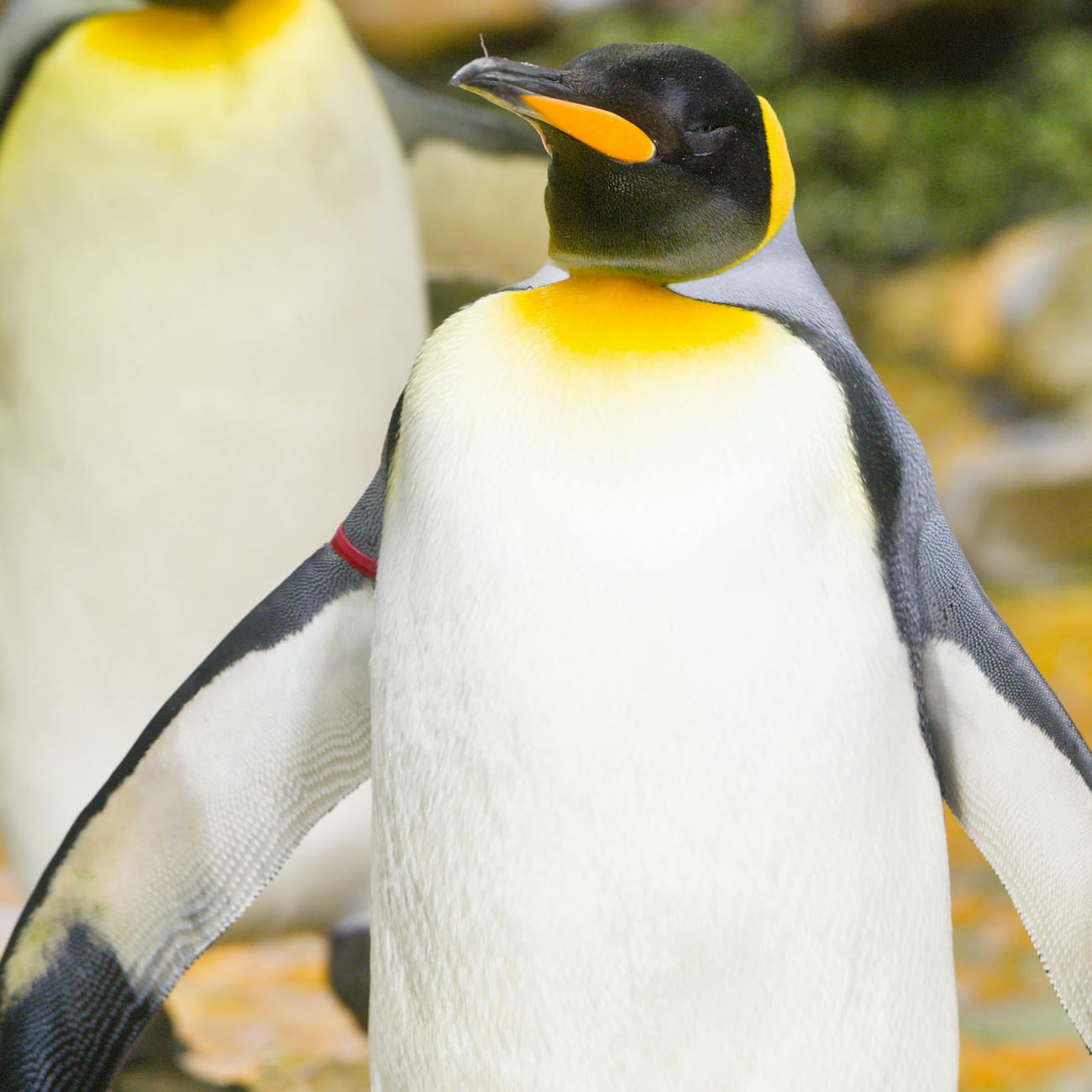
King Penguin #
King Penguin
The King penguin (Aptenodytes patagonicus) is the second #
largest species of penguin and has a distinct orange patch on its neck. They have a black head, back, and wings with a white belly. King penguins are found on sub-Antarctic islands.
Macaroni Penguin #
Macaroni Penguin
The Macaroni penguin (Eudyptes chrysolophus) is easily identified by the yellow #
orange crest that runs from its eyes to the back of its head. They have a black back, head, and wings with a white belly. Macaroni penguins are found in the sub-Antarctic and Antarctic Peninsula.
Rockhopper Penguin #
Rockhopper Penguin
The Rockhopper penguin (Eudyptes chrysocome) is named for its ability to hop fro… #
They have distinctive yellow tufts of feathers on their head and red eyes. Rockhopper penguins are found on islands in the southern oceans.
Snares Penguin #
Snares Penguin
The Snares penguin (Eudyptes robustus) is a species of crested penguin that is f… #
They have a black back, head, and wings with a white belly and yellow crest. Snares penguins are known for their loud, braying calls.
Yellow #
eyed Penguin
The Yellow #
eyed penguin (Megadyptes antipodes) is one of the rarest penguin species in the world. They have distinctive yellow eyes and a band of yellow feathers that runs from the eyes to the back of the head. Yellow-eyed penguins are found in New Zealand.
Identification Techniques #
Identification Techniques
Identifying penguin species can be challenging, especially for beginners #
Here are some techniques to help you accurately identify different penguin species:
- Coloration: Pay attention to the color patterns on the penguin's head,… #
Each species has a unique coloration pattern that can help you distinguish between them.
- Size: Note the size of the penguin, as different species vary in size #
Emperor penguins, for example, are larger than Adélie penguins.
- Behavior: Observe the behavior of the penguin, such as their swimming s… #
Each species has distinct behaviors that can aid in identification.
- Habitat: Consider the habitat where the penguin is found #
Some species, like the Emperor penguin, are only found in Antarctica, while others, like the Gentoo penguin, are found in sub-Antarctic regions.
- Distinctive Features: Look for distinctive features such as crests, eye… #
These features can help you differentiate between similar-looking species.
Challenges in Penguin Identification #
Challenges in Penguin Identification
While identifying penguin species can be rewarding, there are several challenges… #
While identifying penguin species can be rewarding, there are several challenges that trainers may face:
- Similar Species: Some penguin species, such as the Adélie and Chinstrap… #
- Similar Species: Some penguin species, such as the Adélie and Chinstrap penguins, look very similar and can be difficult to differentiate, especially in the field.
- Hybridization: In some cases, penguin species may interbreed, leading t… #
This can make identification more challenging.
- Molting: During the molting period, penguins may lose and regrow feathe… #
Trainers need to be aware of these changes to accurately identify penguin species.
- Juveniles: Juvenile penguins often have different coloration patterns a… #
Trainers need to familiarize themselves with the appearance of juvenile penguins to accurately identify them.
- Environmental Factors: Environmental factors such as lighting condition… #
- Environmental Factors: Environmental factors such as lighting conditions, weather, and water clarity can affect the visibility of penguins, making identification more challenging.
Conclusion #
Conclusion
Proper identification of penguin species is essential for effective training tec… #
By familiarizing yourself with the unique characteristics of each species and using identification techniques, you can accurately identify different penguin species in the field. Despite the challenges that trainers may face, the ability to identify penguins is a valuable skill that can enhance your understanding and appreciation of these fascinating birds.