
Personal Care and Support for Individuals
Personal care and support for individuals is a crucial aspect of the healthcare system, as it enables individuals to maintain their dignity, independence, and quality of life. The primary goal of personal care and support is to provide indi…
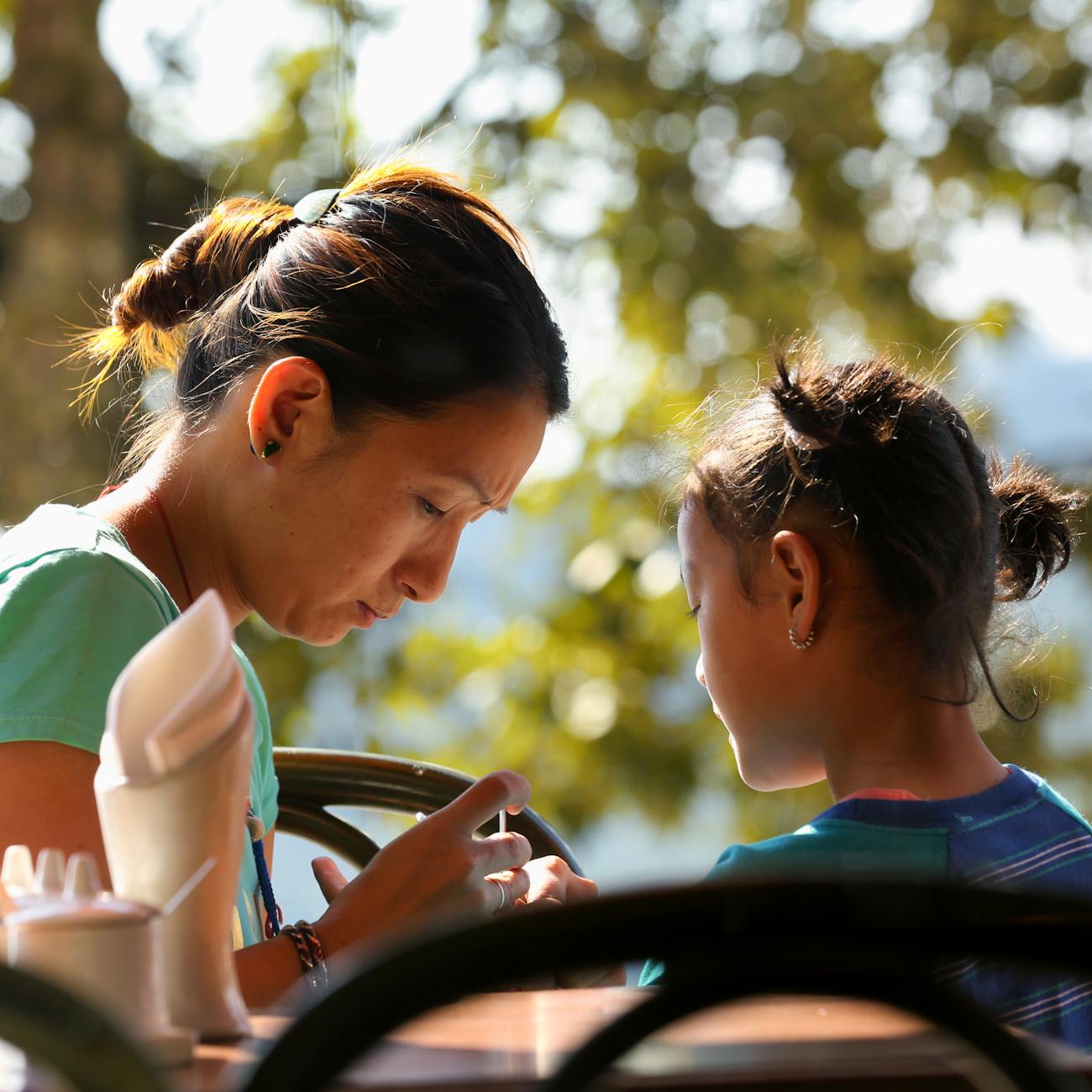
Personal care and support for individuals is a crucial aspect of the healthcare system, as it enables individuals to maintain their dignity, independence, and quality of life. The primary goal of personal care and support is to provide individuals with the necessary assistance to perform daily living activities, such as bathing, dressing, and eating. This type of care is typically provided by caregivers or support workers who have received specialized training in this area.
In the context of the Professional Certificate in Level 3 Medical Assistance in Health and Social Care, personal care and support for individuals is a key component of the course. Students learn about the principles and practices of personal care and support, including the importance of communication, empathy, and respect for the individual's autonomy and dignity. They also learn about the different types of personal care and support, such as physical care, emotional support, and social support.
One of the key concepts in personal care and support is the idea of person-centered care. This approach focuses on the individual's unique needs, preferences, and values, and involves working with the individual to develop a personalized care plan. Person-centered care is essential in promoting the individual's wellbeing and quality of life, as it recognizes the individual's autonomy and dignity. For example, a caregiver may work with an individual to develop a care plan that takes into account their medical needs, social needs, and emotional needs.
Another important concept in personal care and support is the idea of safeguarding. This refers to the process of protecting individuals from harm, abuse, or neglect. Safeguarding is a critical aspect of personal care and support, as it ensures that individuals are protected from harm and that their rights are respected. For instance, a caregiver may be required to report any suspicions of abuse or neglect to the relevant authorities.
In addition to person-centered care and safeguarding, personal care and support also involves a range of practical skills and techniques. For example, caregivers may need to assist individuals with personal hygiene, such as bathing, dressing, and using the toilet. They may also need to provide nutritional support, such as preparing meals and snacks, and mobility support, such as assisting with walking or using a wheelchair.
Caregivers may also need to provide medication management, such as administering medications and monitoring their effects. This requires a strong understanding of pharmacology and the potential side effects of different medications. For example, a caregiver may need to monitor an individual's blood pressure and blood glucose levels, and adjust their medication accordingly.
Personal care and support also involves working with other healthcare professionals, such as doctors, nurses, and therapists. Caregivers may need to communicate with these professionals to develop a comprehensive care plan, and to ensure that the individual's needs are being met. For instance, a caregiver may need to work with a physiotherapist to develop a rehabilitation plan for an individual who has suffered a stroke or injury.
Furthermore, personal care and support involves a range of emotional and psychological skills, such as active listening, empathy, and validation. Caregivers need to be able to understand and respond to the individual's emotional needs, and to provide reassurance and support when needed. For example, a caregiver may need to provide emotional support to an individual who is experiencing anxiety or depression.
In terms of challenges, personal care and support can be a complex and demanding field. Caregivers may need to work with individuals who have complex needs, such as dementia or learning disabilities. They may also need to work with individuals who are experiencing challenging behaviors, such as aggression or self-harm. Additionally, caregivers may need to work in a range of settings, such as hospitals, care homes, or community settings.
To overcome these challenges, caregivers need to have a range of skills and qualities, such as communication skills, empathy, and patience. They also need to have a strong understanding of the principles and practices of personal care and support, and to be able to work in a person-centered way. For instance, a caregiver may need to use de-escalation techniques to manage challenging behaviors, or to provide emotional support to an individual who is experiencing distress.
In addition to these skills and qualities, caregivers also need to have a range of knowledge and understanding of the health and social care system. They need to understand the legislation and policies that govern personal care and support, such as the Human Rights Act and the National Health Service Constitution. They also need to understand the roles and responsibilities of different health and social care professionals, and to be able to work effectively with these professionals.
Caregivers also need to be aware of the importance of record-keeping and documentation in personal care and support. They need to be able to maintain accurate and up-to-date records of the individual's care and treatment, and to be able to communicate effectively with other health and social care professionals. For example, a caregiver may need to maintain a care plan that outlines the individual's needs and goals, and to be able to review and update this plan on a regular basis.
Furthermore, caregivers need to be aware of the importance of continuing professional development in personal care and support. They need to be able to access training and education opportunities to develop their skills and knowledge, and to stay up-to-date with the latest research and best practices in the field. For instance, a caregiver may need to attend workshops or conferences to learn about new techniques and strategies for providing personal care and support.
In terms of practical applications, personal care and support can be applied in a range of settings, such as hospitals, care homes, or community settings. Caregivers may need to work with individuals who have a range of needs, such as physical disabilities, learning disabilities, or mental health needs. They may also need to work with individuals who are experiencing social isolation or loneliness, and to provide emotional support and reassurance.
For example, a caregiver may need to provide personal care and support to an individual who has been discharged from hospital and is recovering from an illness or
In addition to these practical applications, personal care and support also involves a range of theoretical concepts and models. For example, the biopsychosocial model of health and illness recognizes the interconnectedness of physical, psychological, and social factors in determining an individual's health and wellbeing. This model can be used to inform the development of person-centered care plans that take into account the individual's unique needs and circumstances.
Another example is the trauma-informed care approach, which recognizes the impact of trauma on an individual's life and wellbeing. This approach involves working with the individual to develop a safe and supportive environment, and to provide emotional support and reassurance to help them to manage their symptoms and behaviors.
In terms of future developments, personal care and support is likely to continue to evolve in response to changing demographic and social trends. For example, the aging population and the increasing prevalence of chronic illnesses are likely to drive demand for personal care and support services. Additionally, the advances in technology and telehealth are likely to enable more effective and efficient delivery of personal care and support services.
Furthermore, the emphasis on person-centered care and self-directed support is likely to continue to grow, as individuals and families increasingly take on more responsibility for their own health and wellbeing. This may involve the development of new models of care and support, such as personalized care planning and self-management programs.
In conclusion, personal care and support for individuals is a complex and multifaceted field that requires a range of skills, knowledge, and understanding. Caregivers need to be able to work in a person-centered way, and to provide emotional support and reassurance to individuals who are experiencing challenging behaviors or complex needs. They also need to be aware of the importance of continuing professional development, and to stay up-to-date with the latest research and best practices in the field. By working together, caregivers and health and social care professionals can provide high-quality personal care and support services that promote the wellbeing and quality of life of individuals and their families.
Key takeaways
- Personal care and support for individuals is a crucial aspect of the healthcare system, as it enables individuals to maintain their dignity, independence, and quality of life.
- Students learn about the principles and practices of personal care and support, including the importance of communication, empathy, and respect for the individual's autonomy and dignity.
- For example, a caregiver may work with an individual to develop a care plan that takes into account their medical needs, social needs, and emotional needs.
- Safeguarding is a critical aspect of personal care and support, as it ensures that individuals are protected from harm and that their rights are respected.
- They may also need to provide nutritional support, such as preparing meals and snacks, and mobility support, such as assisting with walking or using a wheelchair.
- For example, a caregiver may need to monitor an individual's blood pressure and blood glucose levels, and adjust their medication accordingly.
- For instance, a caregiver may need to work with a physiotherapist to develop a rehabilitation plan for an individual who has suffered a stroke or injury.