
Strategic Management of Energy Assets
Strategic Management of Energy Assets requires a deep understanding of a wide range of specialized terms that form the foundation of decision‑making in the petroleum sector. Mastery of this vocabulary enables managers to evaluate opportunit…
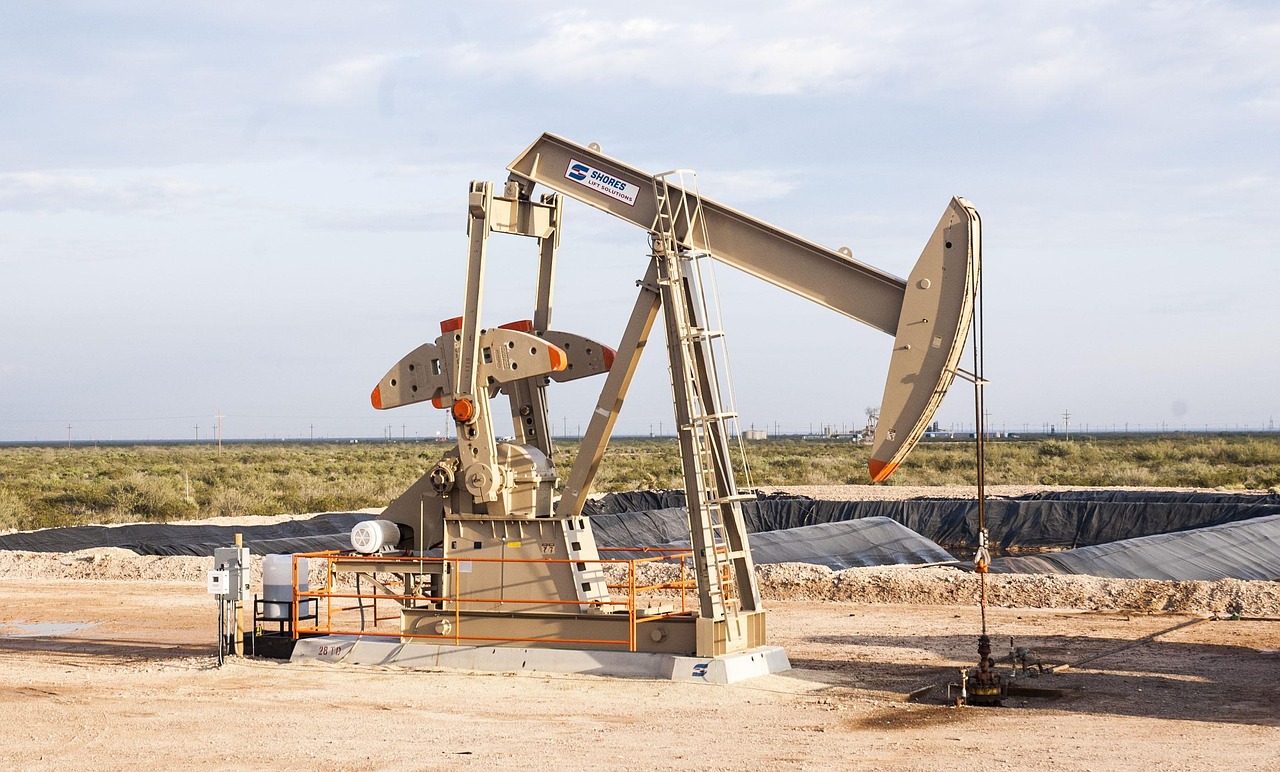
Strategic Management of Energy Assets requires a deep understanding of a wide range of specialized terms that form the foundation of decision‑making in the petroleum sector. Mastery of this vocabulary enables managers to evaluate opportunities, mitigate risks, and align investments with long‑term corporate objectives. The following explanation covers the most critical concepts, organized by functional area, and includes illustrative examples, practical applications, and common challenges faced by practitioners.
Asset refers to any physical or intangible resource that generates economic value for an organization. In the oil and gas industry, assets typically include oilfields, gas reservoirs, production facilities, pipelines, and processing plants. For example, a offshore platform equipped with drilling rigs, separators, and storage tanks is considered a single integrated asset. Effective asset management involves monitoring performance, scheduling maintenance, and optimizing production to maximize cash flow over the asset’s life cycle. A major challenge is balancing short‑term production targets with long‑term asset integrity, especially when operating in harsh environments where corrosion and fatigue can accelerate wear.
Portfolio denotes the collection of all assets owned or controlled by a company, often spanning upstream, midstream, and downstream segments. Portfolio management focuses on allocating capital among assets to achieve the best risk‑adjusted return. For instance, a company may hold a diversified portfolio consisting of a mature North Sea gas field, a developing West African oil discovery, and a liquefied natural gas (LNG) export terminal. The strategic objective is to smooth cash flows, reduce exposure to any single market, and exploit synergies such as shared infrastructure. Portfolio optimisation is complicated by uncertainties in commodity prices, regulatory changes, and technological disruptions that can shift the relative attractiveness of different asset classes.
Upstream activities encompass exploration, appraisal, development, and production of hydrocarbons. Key terms within upstream include Reserves, Resources, and Production. Reserves are quantities of oil or gas that are discovered, recoverable, and commercially viable under current economic and operating conditions. They are classified as proved, probable, or possible, reflecting varying degrees of certainty. Resources represent the total amount of hydrocarbons in place, regardless of current recoverability; this includes contingent resources that may become reserves with further development. Production measures the volume of hydrocarbons extracted over a given period, typically expressed in barrels of oil equivalent per day (boe/d). A practical application is the annual reserve reporting process, where companies estimate reserve additions and depletion to inform investors and regulators. Challenges include accurate reserve estimation, especially in complex geological settings, and the impact of declining reservoir pressure on production rates.
Midstream covers the transportation, storage, and processing of hydrocarbons between the production site and end users. Core components include pipelines, terminals, and processing plants that remove impurities or separate liquids from gas. For example, a gas processing facility may strip out water, carbon dioxide, and heavy hydrocarbons to produce pipeline‑ready dry gas. The strategic importance of midstream assets lies in their ability to lock in revenue streams through long‑term service contracts, even when upstream production fluctuates. However, midstream operators face regulatory scrutiny regarding safety, environmental protection, and tariff setting, all of which can affect profitability.
Downstream refers to refining, petrochemical manufacturing, marketing, and distribution of finished petroleum products. Downstream assets are often less exposed to the volatility of raw commodity prices because they add value through conversion processes. A refinery, for instance, can adjust its product slate to respond to changing demand for gasoline versus diesel, thereby enhancing margins. The main challenges in downstream management include maintaining optimal feedstock mix, complying with stringent emissions standards, and managing the capital intensity of upgrading and retrofitting plants to meet new fuel specifications.
Net Present Value (NPV) is a fundamental financial metric used to assess the profitability of an investment by discounting future cash flows to their present value. NPV = Σ (Cash Flow_t / (1 + r)^t) – Initial Investment, where r is the discount rate and t is the time period. A positive NPV indicates that the project is expected to generate value above the cost of capital. In practice, NPV analysis guides decisions on whether to develop a new field, expand a processing facility, or abandon an asset. The principal difficulty lies in selecting an appropriate discount rate that reflects both the risk profile of the asset and the company’s cost of capital, especially in volatile market environments.
Discount Rate reflects the required rate of return for an investment, incorporating time value of money and risk premium. In the petroleum sector, discount rates typically range from 8 % to 12 % for mature assets, and may be higher for frontier projects with greater uncertainty. Adjusting the discount rate can dramatically alter NPV outcomes; a higher rate reduces the present value of distant cash flows, potentially discouraging long‑term projects such as deep‑water developments or carbon capture installations. Determining a robust discount rate is challenging because it must capture market risk, project‑specific uncertainties, and the firm’s financing structure.
Cash Flow describes the net amount of cash generated or consumed by an asset during a specific period. It is often broken down into operating cash flow, capital expenditures (CAPEX), and financing cash flow. For a producing oilfield, operating cash flow includes revenue from oil sales minus operating expenses (OPEX), while CAPEX covers expenditures on drilling new wells or upgrading facilities. Accurate cash‑flow forecasting is essential for budgeting, debt servicing, and dividend planning. A common obstacle is the volatility of commodity prices, which can cause large swings in cash flow and complicate cash‑flow modeling.
Risk Management encompasses the identification, measurement, and mitigation of risks that could affect asset performance. In strategic energy management, risks are categorized as market, operational, regulatory, environmental, and geopolitical. For example, a company may hedge against price volatility using financial instruments, implement robust maintenance programs to reduce operational risk, and engage with regulators to anticipate policy changes. The challenge lies in integrating risk considerations into strategic planning without overly constraining flexibility. Effective risk management often requires sophisticated modeling tools and cross‑functional collaboration.
Hedging involves using derivatives such as futures, swaps, and options to lock in future prices and protect cash flows from adverse market movements. A common hedging strategy is a fixed‑price swap, where the producer receives a predetermined price for its oil production while paying a floating market price to a counterparty, thereby stabilizing revenue. Hedging can be costly, and improper structuring may lead to basis risk, where the hedge does not perfectly match the underlying exposure. Moreover, regulatory changes, such as the introduction of central clearing mandates, can affect the availability and cost of hedging instruments.
Market Analysis is the systematic study of supply, demand, pricing trends, and competitive dynamics within the energy sector. It includes the assessment of macro‑economic indicators, regional consumption patterns, and technological developments. For strategic asset managers, market analysis informs decisions such as where to invest in new production, which markets to target for product sales, and how to position the company against competitors. One practical application is the use of demand‑supply balance models to forecast future oil prices, which then feed into reserve valuation and investment appraisal. The primary difficulty is the high degree of uncertainty inherent in long‑term forecasts, especially when disruptive forces like the energy transition or geopolitical tensions emerge.
Regulatory Framework defines the legal and policy environment governing exploration, production, transportation, and marketing of energy resources. It includes licensing, environmental standards, health and safety regulations, and fiscal regimes such as royalties and taxes. Compliance is mandatory, and non‑compliance can result in fines, shutdowns, or loss of operating permits. For example, the United Kingdom’s offshore petroleum regime imposes a decommissioning liability that obliges operators to remove installations at the end of their life, influencing the economic evaluation of new offshore projects. Navigating complex regulatory landscapes requires dedicated legal expertise and proactive stakeholder engagement.
Operating Expenditure (OPEX) represents the day‑to‑day costs incurred to keep an asset producing, such as labor, utilities, chemicals, and routine maintenance. OPEX is a key driver of profitability; reducing OPEX can improve margins even when commodity prices are low. Techniques such as lean management, digital monitoring, and predictive maintenance are employed to identify cost‑saving opportunities. However, cutting OPEX too aggressively may compromise safety or asset reliability, leading to unplanned downtime and higher long‑term costs.
Capital Expenditure (CAPEX) includes all investments required to acquire, develop, or upgrade assets. CAPEX decisions are typically long‑term and involve significant financial commitment. For instance, drilling a new offshore well may require CAPEX of several hundred million dollars, encompassing rig hire, subsea equipment, and infrastructure. Effective CAPEX management involves rigorous project appraisal, cost control, and schedule adherence. Cost overruns, delays, and scope changes are common challenges that can erode project returns and strain cash flow.
Energy Transition describes the global shift from fossil‑based energy systems toward low‑carbon and renewable sources. This transition impacts strategic asset management by altering demand patterns, regulatory pressure, and investor expectations. Companies are increasingly required to develop transition plans that outline how they will reduce carbon intensity, invest in renewables, and align with net‑zero targets. A practical application is the reallocation of capital from high‑carbon upstream projects to renewable generation or carbon capture initiatives. The principal challenge is managing the uncertainty of policy trajectories and technological breakthroughs while maintaining profitability in existing assets.
Decarbonisation is the process of reducing carbon emissions associated with energy production and consumption. In the petroleum sector, decarbonisation strategies include improving energy efficiency, adopting cleaner technologies, and implementing carbon capture, utilisation, and storage (CCUS). For example, an offshore platform may be retrofitted with a CO₂ capture module that extracts and compresses emissions for offshore sequestration. Decarbonisation projects often require substantial CAPEX and may have long payback periods, making financial justification a key hurdle. Moreover, the regulatory environment for CCUS is still evolving, creating uncertainty around incentives and carbon pricing.
Carbon Capture, Utilisation, and Storage (CCUS) refers to technologies that capture CO₂ from industrial processes, transport it, and either store it permanently underground or use it in enhanced oil recovery (EOR) or other applications. In strategic management, CCUS can be viewed as a revenue‑generating asset when CO₂ is sold for EOR, or as a cost‑saving measure when carbon taxes are in place. The practical challenge lies in securing financing for CCUS projects, as they often have a high upfront cost and uncertain revenue streams. Additionally, public acceptance and environmental impact assessments can affect project timelines.
Environmental, Social, and Governance (ESG) criteria are used by investors to evaluate a company’s sustainability performance and risk exposure. ESG considerations have become integral to strategic asset management, influencing capital allocation, financing costs, and reputation. For example, a company with strong ESG performance may obtain lower borrowing rates, as lenders perceive lower climate‑related risk. ESG reporting standards such as SASB, GRI, and TCFD require detailed disclosure of emissions, community impacts, and governance structures. Managing ESG risks involves integrating environmental impact assessments, community engagement, and transparent governance into the asset lifecycle.
Sustainability in the context of energy assets implies operating in a manner that meets present needs without compromising the ability of future generations to meet theirs. This involves balancing economic viability, environmental stewardship, and social responsibility. A sustainable asset strategy may include extending the life of existing fields through enhanced recovery techniques while simultaneously investing in renewable projects to diversify the energy mix. The primary challenge is reconciling short‑term profitability with long‑term sustainability goals, especially when shareholders demand immediate returns.
Strategic Alignment ensures that asset decisions support the broader corporate vision, mission, and objectives. Alignment is achieved through a clear articulation of strategic priorities, such as focusing on high‑margin core assets, pursuing growth in emerging markets, or prioritising low‑carbon investments. A misaligned portfolio can lead to resource misallocation, under‑performance, and strategic drift. To maintain alignment, companies employ strategic planning cycles that review asset performance, market conditions, and internal capabilities.
Decision Tree analysis is a visual tool that maps out possible outcomes, decision points, and associated probabilities for complex strategic choices. In asset management, a decision tree may be used to evaluate the options of developing a new field, postponing development, or abandoning the prospect, each with different cost, revenue, and risk profiles. By quantifying the expected monetary value of each branch, managers can compare alternatives objectively. The challenge is assigning realistic probabilities and cost estimates, which can be difficult in highly uncertain environments.
Scenario Planning involves constructing multiple plausible future states to test the robustness of strategic plans. Scenarios may vary based on oil price trajectories, regulatory regimes, technological breakthroughs, or geopolitical events. For instance, a scenario analysis might explore a high‑price world driven by supply constraints, a low‑price world caused by rapid renewable adoption, and a moderate‑price world with stable demand. Scenario planning helps identify assets that are resilient across a range of futures, guiding portfolio diversification and risk mitigation. The difficulty lies in selecting relevant variables and avoiding bias toward a preferred outcome.
Sensitivity Analysis examines how changes in key assumptions affect model outcomes, such as NPV or internal rate of return (IRR). By adjusting variables like price, cost, or discount rate one at a time, analysts can determine which factors have the greatest impact on project economics. Sensitivity analysis is essential for communicating risk to senior management and investors. However, it can oversimplify interactions between variables, and may not capture complex, nonlinear effects that exist in real‑world projects.
Real Options theory treats investment opportunities as financial options, providing the right but not the obligation to undertake certain actions, such as expanding production, delaying development, or abandoning a project. Real options add strategic flexibility and can be valuable in uncertain environments. For example, a company may secure a drilling permit (the option) and defer actual drilling until price conditions improve, thereby preserving upside while limiting downside. Valuing real options requires sophisticated modeling and a clear understanding of underlying uncertainties, which can be resource‑intensive.
Stakeholder Management refers to the systematic engagement with individuals or groups who can influence or be affected by asset decisions. Stakeholders include shareholders, governments, local communities, regulators, employees, and NGOs. Effective stakeholder management builds trust, reduces conflict, and can expedite approvals. A practical approach includes conducting impact assessments, holding community consultations, and maintaining transparent communication channels. Challenges arise when stakeholder interests diverge, such as when a local community opposes a new pipeline due to environmental concerns, requiring negotiation and potentially redesign.
Contractual Arrangements define the rights and obligations of parties involved in asset development and operation. Common contracts include production sharing agreements (PSAs), joint venture (JV) agreements, service contracts, and lease licences. For instance, a PSA may allocate a proportion of produced oil to the host government while granting the operator a share of the remaining output. Understanding contract terms is crucial for assessing fiscal risk, revenue streams, and exit options. Ambiguities or unfavorable clauses can lead to disputes, litigation, or financial losses.
Joint Venture (JV) is a partnership where two or more parties pool resources to develop an asset while sharing risks and rewards. JVs are common in capital‑intensive projects such as deep‑water drilling or large‑scale LNG facilities. The structure of a JV, including equity stakes, decision‑making authority, and profit distribution, directly influences strategic flexibility. A challenge in JVs is aligning the objectives of partners with differing risk appetites, time horizons, or corporate cultures, which may require robust governance mechanisms.
Production Sharing Agreement (PSA) is a contract typical in many developing countries where the state retains ownership of hydrocarbon resources, and the contractor receives a share of production after recovering its costs. PSAs often include provisions for cost recovery caps, profit oil splits, and sliding scales based on production levels. Understanding PSA economics is essential for forecasting cash flows and evaluating project viability. The complexity of PSA terms can make financial modelling intricate, especially when cost recovery caps limit the contractor’s ability to recoup investments.
Lease refers to the right to explore or produce hydrocarbons on a specific area of land or seabed, granted by a government or landowner. Leases may be held for a fixed term, with renewal options contingent on meeting work‑program obligations. Lease terms dictate the royalty rates payable to the owner and any restrictions on development activities. Managing lease portfolios involves ensuring compliance with work‑program commitments to avoid penalties or lease termination.
Royalty is a payment made by the operator to the resource owner, typically expressed as a percentage of gross production or revenue. Royalties provide a steady income stream to governments or landowners regardless of the operator’s profitability. In strategic asset valuation, royalty rates affect net cash flow and must be incorporated into reserve valuation models. High royalty burdens can render marginal fields uneconomic, prompting operators to negotiate reductions or seek alternative projects.
Fiscal Regime encompasses the totality of taxes, royalties, and other fiscal obligations imposed on oil and gas activities. It determines the after‑tax profitability of projects and can vary significantly between jurisdictions. For example, a country may impose a petroleum profits tax, a surface tax, and a royalty, each with its own calculation base. An unfavourable fiscal regime can deter investment, whereas incentives such as tax holidays or accelerated depreciation can improve project economics. Understanding the fiscal regime is critical for accurate cash‑flow forecasting and for negotiating fiscal terms.
Taxation in the petroleum sector includes corporate income tax, withholding tax, and specific petroleum taxes. Tax treatment can differ for upstream versus downstream activities, and may be influenced by tax treaties that mitigate double taxation. Companies often employ tax planning strategies to optimise after‑tax cash flows, such as using tax shields from depreciation. However, aggressive tax planning can attract scrutiny from tax authorities and may lead to reputational risk.
Price Volatility describes the rapid and unpredictable fluctuations in commodity prices caused by supply‑demand imbalances, geopolitical events, and market speculation. Price volatility directly impacts revenue forecasts, reserve valuations, and investment decisions. Companies use hedging, diversification, and flexible operating strategies to manage volatility. Nevertheless, extreme price swings can still impair cash flow, leading to under‑investment or forced asset sales.
Spot Price is the current market price for immediate delivery of a commodity, reflecting real‑time supply‑demand conditions. Spot prices are used as reference points for pricing contracts, hedges, and reserve valuations. For example, an oil producer may price a portion of its output at the prevailing spot price, while hedging the remainder through forward contracts. Spot price volatility can cause revenue fluctuations, especially for assets with limited price protection.
Futures contracts are standardized agreements traded on exchanges to buy or sell a commodity at a predetermined price on a future date. Futures provide price certainty and are widely used for hedging purposes. A producer may sell oil futures to lock in a price for a portion of its future production, reducing exposure to spot price declines. Futures markets can be liquid, but they also expose participants to margin calls and basis risk if the underlying asset differs from the contracted product.
Swaps are over‑the‑counter derivatives that exchange cash flows based on different price indices, such as a fixed price versus a floating market price. Swaps are flexible and can be tailored to specific volumes and timeframes. An oil producer might enter a swap to receive a fixed price for its output while paying the floating market price, effectively converting variable revenue into a predictable cash flow. The main challenges include credit risk with the counterparty and the need for robust legal documentation.
Options give the holder the right, but not the obligation, to buy (call) or sell (put) a commodity at a specified strike price before or at expiration. Options can be used for speculative purposes or as insurance against adverse price movements. For instance, a producer may purchase a put option on oil to protect against a price decline, paying a premium for the protection. Options are priced based on volatility, time to expiry, and underlying price, making them more expensive when markets are uncertain.
Market Liquidity refers to the ease with which an asset can be bought or sold without causing a significant price change. High liquidity in oil futures markets enables participants to enter or exit positions efficiently. Low liquidity, often observed in niche markets such as certain specialty chemicals, can lead to wide bid‑ask spreads and higher transaction costs. Liquidity considerations affect the choice of hedging instruments and the design of risk‑management strategies.
Benchmarking involves comparing an asset’s performance against industry standards or peers to identify strengths and weaknesses. Common benchmarks include cost per barrel, production efficiency, and safety metrics. Benchmarking helps managers set realistic performance targets and drive continuous improvement. However, variations in operating conditions and accounting practices can make direct comparisons challenging, requiring normalization of data.
Performance Metrics are quantitative indicators used to assess how well an asset or portfolio is achieving its objectives. Typical metrics include production rates, operating cost per barrel, downtime, and safety incident frequency. Advanced metrics such as economic value added (EVA) or total shareholder return (TSR) incorporate financial performance. Selecting appropriate metrics is critical; focusing solely on production volume, for example, may overlook cost efficiencies or environmental impacts.
Key Performance Indicator (KPI) is a specific metric that reflects a critical success factor for an organization. In energy asset management, KPIs might include reserve replacement ratio, reserve life‑index, or carbon intensity per barrel. KPIs are linked to strategic goals and are monitored regularly to drive performance. The challenge is ensuring that KPIs are balanced, avoiding over‑emphasis on a single dimension that could lead to unintended consequences.
Return on Investment (ROI) measures the profitability of an investment relative to its cost, expressed as a percentage. ROI = (Net Profit / Investment Cost) × 100. While simple, ROI does not account for the time value of money, making NPV or IRR more appropriate for long‑duration projects. Nevertheless, ROI remains a useful quick‑screen tool for comparing alternatives, especially for smaller scale initiatives such as equipment upgrades.
Internal Rate of Return (IRR) is the discount rate that makes the NPV of a project’s cash flows equal to zero. IRR provides a single‑figure estimate of project profitability and is often used as a hurdle rate for investment approval. Projects with IRR above the company’s cost of capital are typically considered acceptable. However, IRR can be misleading for projects with non‑conventional cash‑flow patterns (e.G., Multiple sign changes) and may not reflect the true economic value when cash flows are highly variable.
Break‑even Price is the commodity price at which total revenue equals total costs, resulting in zero profit. Calculating the break‑even price helps managers assess the economic viability of a field under different cost structures. For a marginal offshore field, the break‑even price may be close to the current market price, indicating high sensitivity to price fluctuations. The difficulty lies in accurately capturing all cost components, including hidden costs such as decommissioning liabilities.
Cost Curve illustrates how the unit cost of production varies with cumulative output, often used to compare the cost competitiveness of different projects or regions. Cost curves are useful for strategic planning, as they highlight the most cost‑effective sources of supply. However, cost curves can be static snapshots that fail to capture future cost reductions driven by technology or learning effects.
Learning Curve describes the reduction in unit cost as cumulative production experience increases, reflecting efficiency gains and process optimisation. In the petroleum sector, learning effects may be observed in drilling operations, where repeated well‑bore drilling leads to shorter rig times and lower costs. Incorporating learning curves into cost forecasts can improve the accuracy of long‑term budgeting. Nonetheless, the magnitude of learning is uncertain and can be affected by workforce turnover or changes in regulatory requirements.
Technology Adoption refers to the process of integrating new technologies into asset operations to improve performance, safety, or environmental outcomes. Examples include the use of digital twins, advanced analytics, and autonomous drilling systems. Technology adoption can deliver significant cost savings and operational efficiencies, but it also entails upfront investment, training, and potential disruption. Managing the change process is essential to realise the anticipated benefits.
Digitalization is the transformation of physical processes into digital formats, enabling real‑time data collection, analytics, and decision support. In strategic asset management, digitalization facilitates predictive maintenance, production optimisation, and remote monitoring. A digital twin of a processing plant can simulate performance under different operating conditions, supporting scenario analysis. Barriers to digitalization include data silos, cybersecurity risks, and the need for skilled personnel.
Data Analytics involves extracting insights from large volumes of operational and financial data to inform strategic decisions. Techniques range from descriptive statistics to machine learning algorithms that predict equipment failure or forecast demand. Applying data analytics can improve asset reliability, reduce OPEX, and enhance reserve estimation accuracy. However, data quality, integration, and governance remain critical challenges that can undermine analytical outcomes.
Asset Integrity is the systematic approach to ensuring that assets operate safely, reliably, and within design specifications throughout their life. It encompasses inspection, monitoring, maintenance, and risk‑based assessments. Maintaining asset integrity reduces the likelihood of unplanned shutdowns, accidents, and environmental incidents. The challenge lies in balancing inspection frequency with cost, especially for assets in remote locations where access is limited.
Maintenance activities are performed to preserve or restore asset functionality. Maintenance strategies include preventive (scheduled), corrective (reactive), and predictive (condition‑based) approaches. Predictive maintenance, driven by sensor data and analytics, can identify early signs of equipment degradation, allowing interventions before failure occurs. Implementing predictive maintenance requires investment in sensors, data platforms, and skilled analysts, and may face resistance from operational staff accustomed to traditional practices.
Reliability quantifies the probability that an asset will perform its intended function without failure over a specified period. High reliability is essential for meeting production targets and contractual obligations. Reliability engineering methods such as Failure Mode and Effects Analysis (FMEA) and reliability‑centered maintenance (RCM) are used to identify critical components and optimise maintenance schedules. Achieving high reliability can be difficult in harsh environments where corrosion, fatigue, and extreme temperatures accelerate wear.
Availability measures the proportion of time an asset is operational and able to produce. Availability is a function of both reliability and maintainability; even highly reliable equipment can have low availability if maintenance activities are lengthy. For instance, a turbine with a mean time between failures (MTBF) of 10,000 hours but a mean time to repair (MTTR) of 100 hours will have lower availability than a system with faster repair times. Improving availability often requires investing in spare parts logistics, training, and modular design.
Turnaround is a scheduled period of planned shutdown for comprehensive inspection, maintenance, and upgrades of a processing facility or plant. Turnarounds are major events that can last weeks to months and involve large workforce mobilization. Effective turnaround planning minimizes downtime and cost, while ensuring safety and compliance. The principal challenges are coordinating multiple contractors, managing schedule overruns, and controlling cost escalations, which can significantly affect the project’s overall economics.
Asset Life Cycle describes the stages an asset progresses through, from concept, development, operation, to decommissioning. Each stage presents distinct strategic considerations and financial implications. Understanding the life cycle enables managers to allocate resources appropriately, plan for future cash flows, and anticipate regulatory obligations. For example, early‑stage exploration requires high CAPEX with uncertain returns, while mature production demands efficient OPEX management. Transitioning to decommissioning introduces liability and environmental stewardship responsibilities.
Asset Valuation is the process of determining the monetary worth of an asset, often using discounted cash‑flow (DCF) methods, market comparables, or asset‑based approaches. Accurate valuation is essential for investment decisions, financial reporting, and M&A activity. Valuation must incorporate reserve estimates, production forecasts, operating costs, tax regimes, and discount rates. A common challenge is dealing with uncertainty in reserve quantities and price forecasts, which can lead to wide valuation ranges.
Impairment occurs when the carrying amount of an asset exceeds its recoverable amount, requiring a write‑down on the balance sheet. Impairments are triggered by events such as sustained low commodity prices, reserve revisions, or regulatory changes that diminish asset value. Recognising impairment promptly ensures that financial statements reflect realistic asset values and prevents overstatement of earnings. However, estimating recoverable amounts can be subjective, leading to potential disputes with auditors or regulators.
Write‑down is the accounting entry that reduces the book value of an asset to reflect impairment. Write‑downs affect profitability and can influence investor perception. Companies may strategically time write‑downs to align with fiscal reporting cycles, but excessive or premature write‑downs can signal underlying operational issues. Transparent communication about the reasons for write‑downs helps maintain stakeholder confidence.
Asset Disposal involves the sale, transfer, or abandonment of an asset that is no longer core to the business strategy. Disposal can generate cash, reduce liabilities, and improve focus on high‑value assets. Methods include outright sale, lease‑back arrangements, or spin‑offs into separate entities. The disposal process requires thorough due diligence, valuation, and regulatory approvals. Challenges include finding suitable buyers, negotiating fair terms, and managing tax implications.
Mergers and Acquisitions (M&A) are strategic transactions where companies combine or acquire assets to achieve growth, synergies, or market consolidation. In the petroleum sector, M&A activity often targets reserve acquisition, geographic expansion, or technology acquisition. Successful M&A requires rigorous due diligence, accurate valuation, and effective integration planning. Post‑deal integration challenges include cultural alignment, system harmonisation, and realising projected synergies.
Divestiture is the opposite of acquisition, where a company sells off a non‑core asset or business unit. Divestitures can streamline operations, free up capital, and improve financial ratios. For example, a major integrated oil company may divest its downstream retail network to focus on upstream exploration. The main difficulties lie in timing the market, achieving an acceptable price, and managing employee transitions.
Portfolio Optimisation seeks to configure the asset mix that maximises overall value while respecting risk tolerance, capital constraints, and strategic objectives. Techniques include mean‑variance analysis, Monte Carlo simulation, and real‑options modelling. Optimisation may result in reallocating capital from low‑margin assets to high‑potential projects, or adjusting the geographic mix to reduce exposure to regional political risk. The complexity of optimisation grows with the number of assets, interdependencies, and uncertainty in key variables.
Risk‑Adjusted Return measures the profitability of an investment after accounting for its risk profile, often using metrics such as Sharpe ratio or risk‑adjusted NPV. This approach allows comparison of projects with differing risk levels on a common basis. For example, a high‑risk frontier exploration project may have a higher nominal NPV than a low‑risk mature field, but its risk‑adjusted return could be lower. Incorporating risk adjustments into capital allocation decisions promotes disciplined investment across the portfolio.
Strategic Fit assesses how well an asset or project aligns with the company’s overall strategy, capabilities, and market positioning. A project with strong strategic fit leverages core competencies, supports growth targets, and reinforces the brand. Evaluating strategic fit involves qualitative judgment, often supported by scoring matrices that consider factors such as market relevance, technology alignment, and regulatory compatibility. The difficulty is avoiding bias toward familiar activities and remaining open to transformative opportunities.
Competitive Advantage is the attribute that allows a company to outperform rivals, such as superior technology, cost leadership, or unique resource access. In the context of energy assets, competitive advantage may stem from low‑cost production, extensive pipeline networks, or proprietary seismic data. Maintaining advantage requires continuous innovation and protection of intellectual property. Disruption from renewable technologies or policy shifts can erode traditional advantages, compelling firms to adapt.
Market Positioning defines how a company differentiates its products and services relative to competitors. Positioning may focus on premium quality, cost efficiency, or niche market segments. For a refinery, positioning could involve producing high‑octane gasoline for performance‑oriented customers, while a midstream operator might emphasise reliability and safety in transporting natural gas. Effective positioning influences pricing power, customer loyalty, and strategic partnerships.
Business Model outlines the way a company creates, delivers, and captures value. In petroleum economics, business models range from integrated majors that control the full value chain, to independent explorers that specialise in upstream activities, to service companies that provide technical expertise. Understanding the business model is essential for evaluating financial performance, risk exposure, and growth prospects. Transitioning to a new business model, such as incorporating renewable assets, poses strategic, organisational, and cultural challenges.
Innovation encompasses the development and implementation of new ideas, processes, or technologies that improve performance or create new opportunities. In strategic asset management, innovation may involve adopting advanced drilling techniques, implementing artificial intelligence for reservoir modelling, or developing low‑carbon fuels. Innovation drives productivity and can be a source of competitive advantage, but it also carries execution risk, requiring careful project governance and investment appraisal.
Emerging Energy refers to new sources and technologies that are gaining traction in the global energy mix, such as solar photovoltaics, wind, battery storage, and hydrogen. Strategic managers must evaluate how emerging energy impacts demand for traditional hydrocarbons, and identify opportunities for diversification. For instance, an oil company may invest in offshore wind farms to leverage its offshore engineering expertise. The main challenge is forecasting the pace of technology adoption and the associated policy environment.
Renewable Integration is the process of incorporating renewable generation into existing energy infrastructure, such as using natural gas plants for backup to intermittent wind farms. Integration can enhance grid stability, optimise dispatch, and reduce emissions. Energy companies may develop hybrid assets that combine gas-fired turbines with solar PV, creating flexible generation portfolios. Technical challenges include managing variability, ensuring compatibility of control systems, and navigating regulatory incentives for renewable capacity.
Power Purchase Agreement (PPA) is a long‑term contract between a power generator and a buyer, typically a utility or large industrial consumer, that specifies price, volume, and delivery terms for electricity. PPAs provide revenue certainty for renewable projects and can be used by oil‑and‑gas firms to secure clean electricity for their operations. Negotiating PPAs involves assessing market price risk, credit risk of the off‑taker, and regulatory compliance. The challenge lies in structuring contracts that balance the interests of both parties while meeting sustainability goals.
Carbon Pricing mechanisms assign a monetary cost to carbon emissions, either through taxes or cap‑and‑trade systems. Carbon pricing directly influences the economics of fossil‑fuel assets by increasing operating costs proportional to emissions. Companies may respond by improving energy efficiency, shifting to lower‑carbon fuels, or investing in carbon capture. The impact of carbon pricing varies across jurisdictions, creating a patchwork of regulatory environments that complicates global portfolio management.
Decommissioning is the process of safely retiring an asset at the end of its economic life, which includes plugging wells, removing infrastructure, and restoring the site. Decommissioning obligations are often mandated by regulators and can represent a significant liability. Accurate decommissioning cost estimation is essential for reserve valuation and financial planning. Funding mechanisms, such as dedicated decommissioning bonds, are used to ensure that sufficient resources are available. The main challenges are cost escalation, technical complexity, and stakeholder expectations regarding environmental restoration.
Regulatory Compliance involves adhering to the legal requirements set by governments and industry bodies, covering safety, environmental, fiscal, and operational standards.
Key takeaways
- The following explanation covers the most critical concepts, organized by functional area, and includes illustrative examples, practical applications, and common challenges faced by practitioners.
- A major challenge is balancing short‑term production targets with long‑term asset integrity, especially when operating in harsh environments where corrosion and fatigue can accelerate wear.
- Portfolio optimisation is complicated by uncertainties in commodity prices, regulatory changes, and technological disruptions that can shift the relative attractiveness of different asset classes.
- Resources represent the total amount of hydrocarbons in place, regardless of current recoverability; this includes contingent resources that may become reserves with further development.
- The strategic importance of midstream assets lies in their ability to lock in revenue streams through long‑term service contracts, even when upstream production fluctuates.
- The main challenges in downstream management include maintaining optimal feedstock mix, complying with stringent emissions standards, and managing the capital intensity of upgrading and retrofitting plants to meet new fuel specifications.
- The principal difficulty lies in selecting an appropriate discount rate that reflects both the risk profile of the asset and the company’s cost of capital, especially in volatile market environments.