
Incorporating Different Sensory Media in Play
Sensory play is a critical aspect of early childhood development, as it allows toddlers to explore and make sense of the world around them through their senses. The Professional Certificate in Sensory Play Evaluation for Toddlers aims to eq…
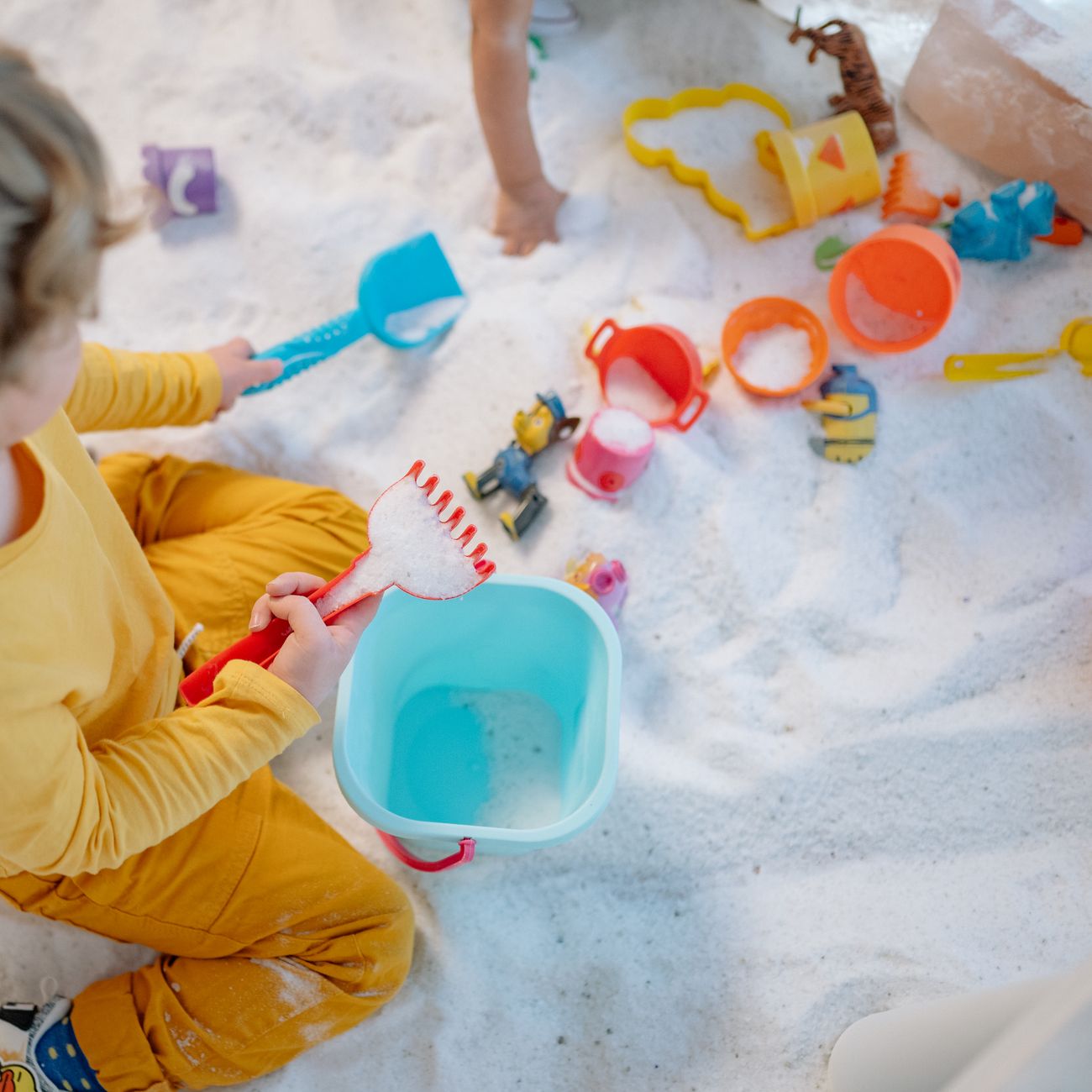
Sensory play is a critical aspect of early childhood development, as it allows toddlers to explore and make sense of the world around them through their senses. The Professional Certificate in Sensory Play Evaluation for Toddlers aims to equip educators and caregivers with the necessary knowledge and skills to incorporate different sensory media in play and evaluate their effectiveness. This explanation will focus on key terms and vocabulary related to sensory play and different sensory media.
### Sensory Play
Sensory play refers to any activity that stimulates one or more of a child's senses, including touch, taste, smell, sight, and hearing. Sensory play is essential for toddlers as it supports their cognitive, physical, social, and emotional development. Sensory play can also help toddlers develop their language and communication skills, as they learn to describe and express their experiences.
### Sensory Media
Sensory media refers to the materials and tools used in sensory play. Different sensory media can be used to stimulate different senses, such as:
* Visual media: materials that stimulate sight, such as colored blocks, scarves, and light tables. * Tactile media: materials that stimulate touch, such as playdough, sand, and water. * Auditory media: materials that stimulate hearing, such as musical instruments, sound balls, and rainmakers. * Gustatory media: materials that stimulate taste, such as fruits, vegetables, and spices. * Olfactory media: materials that stimulate smell, such as essential oils, herbs, and spices.
### Incorporating Sensory Media in Play
Incorporating sensory media in play involves selecting appropriate materials and tools that stimulate one or more senses and integrating them into play activities. Here are some practical tips for incorporating sensory media in play:
* Visual media: Provide a variety of colors, shapes, and textures for toddlers to explore. For example, use colored blocks to build towers, or create a light table with different colored cellophane sheets. * Tactile media: Provide materials that have different textures, such as playdough, sand, or water. Encourage toddlers to explore the materials using their hands, feet, or tools. * Auditory media: Provide materials that make different sounds, such as musical instruments, sound balls, or rainmakers. Encourage toddlers to experiment with different ways of making sounds, such as shaking, tapping, or blowing. * Gustatory media: Provide a variety of fruits, vegetables, and spices for toddlers to taste. Encourage toddlers to describe the flavors and textures of the food. * Olfactory media: Provide materials that have different smells, such as essential oils, herbs, or spices. Encourage toddlers to explore the smells and describe them using words such as "strong," "mild," or "spicy."
### Evaluating the Effectiveness of Sensory Media
Evaluating the effectiveness of sensory media involves observing and assessing how toddlers interact with the materials and tools and whether they are meeting the desired learning outcomes. Here are some practical tips for evaluating the effectiveness of sensory media:
* Observe and document toddlers' behaviors and interactions with the sensory media. * Use assessment tools, such as checklists or rating scales, to evaluate toddlers' progress towards specific learning outcomes. * Gather feedback from toddlers, educators, and caregivers to gain insight into the effectiveness of the sensory media. * Use this information to modify and adapt the sensory media to better meet the needs and interests of toddlers.
### Challenges in Incorporating Sensory Media in Play
There are several challenges that educators and caregivers may face when incorporating sensory media in play, including:
* Limited resources: Access to sensory media materials and tools may be limited due to budget constraints or lack of availability. * Safety concerns: Some sensory media materials, such as small objects or chemicals, may pose a safety risk to toddlers. * Time constraints: Preparing and cleaning up sensory media activities can be time-consuming and may compete with other responsibilities. * Lack of knowledge and skills: Educators and caregivers may lack the necessary knowledge and skills to select appropriate sensory media and integrate them into play activities.
To overcome these challenges, educators and caregivers can:
* Seek out low-cost or DIY sensory media alternatives, such as using household items or recycled materials. * Implement safety protocols, such as supervising toddlers during sensory media activities and storing materials out of reach. * Schedule sensory media activities during times when there are fewer competing responsibilities. * Access professional development opportunities, such as workshops or online courses, to build knowledge and skills in sensory play and evaluation.
In conclusion, incorporating different sensory media in play is a critical aspect of early childhood development, and the Professional Certificate in Sensory Play Evaluation for Toddlers provides a comprehensive framework for educators and caregivers to do so effectively. By understanding key terms and vocabulary related to sensory play and sensory media, educators and caregivers can select appropriate materials and tools, integrate them into play activities, and evaluate their effectiveness in supporting toddlers' development. Despite potential challenges, with the right resources, knowledge, and skills, educators and caregivers can create engaging and enriching sensory play experiences that promote toddlers' cognitive, physical, social, emotional, and language development.
Key takeaways
- The Professional Certificate in Sensory Play Evaluation for Toddlers aims to equip educators and caregivers with the necessary knowledge and skills to incorporate different sensory media in play and evaluate their effectiveness.
- Sensory play can also help toddlers develop their language and communication skills, as they learn to describe and express their experiences.
- Sensory media refers to the materials and tools used in sensory play.
- * Auditory media: materials that stimulate hearing, such as musical instruments, sound balls, and rainmakers.
- Incorporating sensory media in play involves selecting appropriate materials and tools that stimulate one or more senses and integrating them into play activities.
- * Auditory media: Provide materials that make different sounds, such as musical instruments, sound balls, or rainmakers.
- Evaluating the effectiveness of sensory media involves observing and assessing how toddlers interact with the materials and tools and whether they are meeting the desired learning outcomes.