
Precision Medicine Technologies
Precision Medicine Technologies: Precision medicine technologies have revolutionized healthcare by tailoring medical treatment to individual characteristics, such as genetic makeup, lifestyle, and environmental factors. This approach allows…
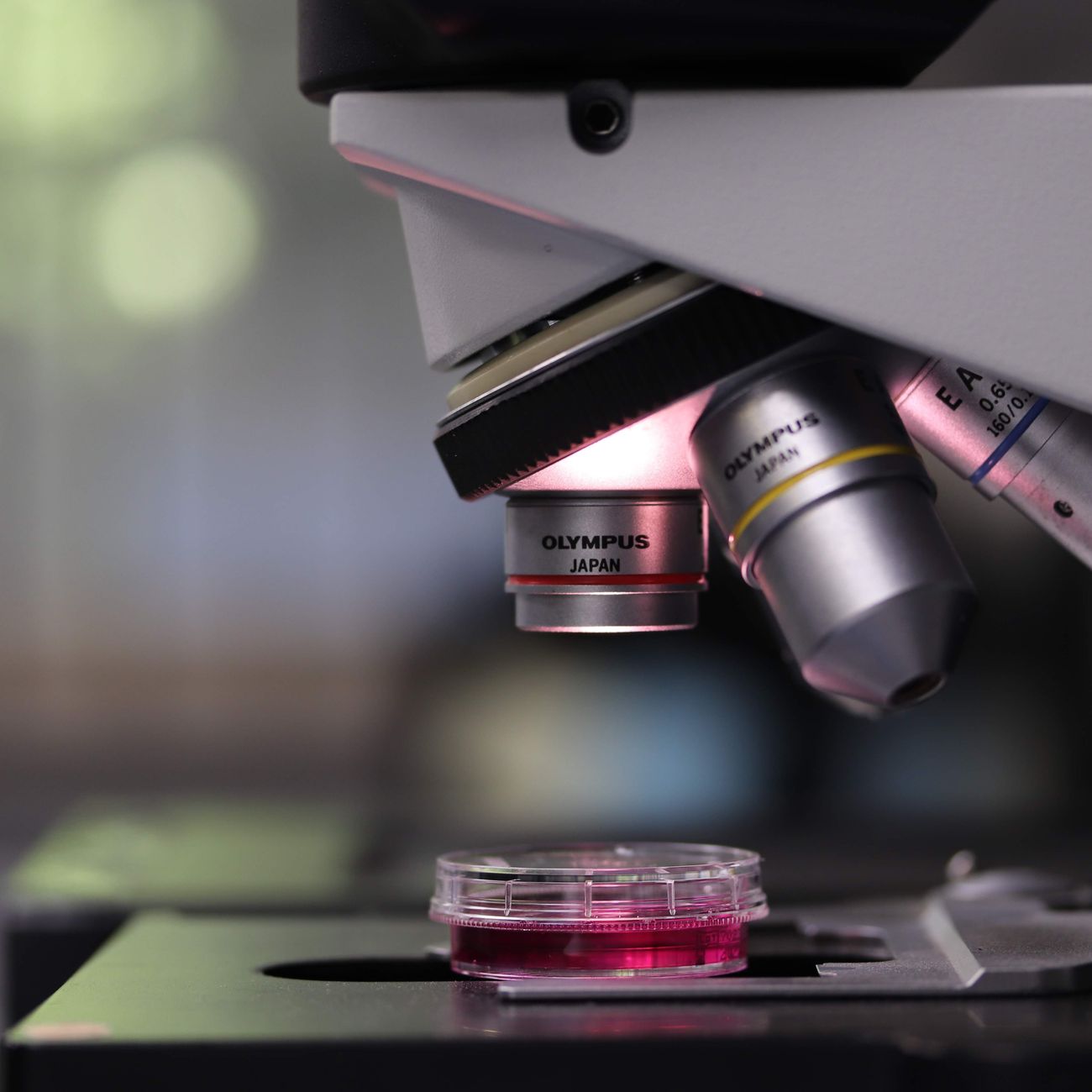
Precision Medicine Technologies: Precision medicine technologies have revolutionized healthcare by tailoring medical treatment to individual characteristics, such as genetic makeup, lifestyle, and environmental factors. This approach allows for personalized and more effective treatment strategies, moving away from a one-size-fits-all approach to medicine. In the Postgraduate Certificate in Artificial Intelligence in Drug Discovery course, understanding precision medicine technologies is crucial for leveraging artificial intelligence (AI) to develop targeted therapies and optimize patient outcomes.
Artificial Intelligence (AI): Artificial Intelligence refers to the simulation of human intelligence processes by machines, particularly computer systems. AI technologies encompass machine learning, natural language processing, computer vision, and robotics, among others. In drug discovery, AI plays a pivotal role in accelerating the identification of drug targets, predicting drug responses, and optimizing clinical trials. By leveraging AI, researchers can analyze vast amounts of data quickly and efficiently, leading to more informed decision-making in drug development.
Drug Discovery: Drug discovery is a complex process of identifying new medications to treat diseases. It involves various stages, including target identification, lead discovery, preclinical testing, clinical trials, and regulatory approval. AI technologies have transformed drug discovery by enhancing the efficiency of target identification, predicting drug interactions, and optimizing drug design. These advancements have the potential to expedite the development of novel therapies and improve patient care.
Genomics: Genomics is the study of an organism's complete set of DNA, including genes and their functions. Advances in genomics have enabled researchers to sequence and analyze genomes, leading to a better understanding of genetic variations and their impact on health and disease. In precision medicine, genomics plays a crucial role in identifying genetic markers associated with specific conditions, guiding personalized treatment decisions, and predicting drug responses based on an individual's genetic profile.
Pharmacogenomics: Pharmacogenomics focuses on how an individual's genetic makeup influences their response to medications. By analyzing genetic variations that affect drug metabolism, efficacy, and toxicity, pharmacogenomics aims to optimize drug therapy for each patient. AI-driven pharmacogenomics tools can predict an individual's likelihood of responding to a particular drug, potentially preventing adverse reactions and improving treatment outcomes. Integrating pharmacogenomics into precision medicine technologies can enhance the efficacy and safety of drug treatments.
Personalized Medicine: Personalized medicine tailors medical treatment to individual characteristics, such as genetic, environmental, and lifestyle factors. By considering a patient's unique profile, personalized medicine aims to provide targeted therapies that are more effective and have fewer side effects. AI technologies enable the development of personalized medicine approaches by analyzing large datasets, identifying patterns, and predicting individual responses to treatments. Integrating AI with personalized medicine can significantly improve patient outcomes and enhance healthcare delivery.
Drug Target Identification: Drug target identification is the process of identifying molecules, such as proteins or genes, that can be targeted by drugs to treat a specific disease. AI technologies play a crucial role in drug target identification by analyzing biological data, predicting potential drug targets, and prioritizing candidates for further investigation. By leveraging AI algorithms, researchers can expedite the discovery of novel drug targets, leading to the development of more effective therapies for various diseases.
Drug Repurposing: Drug repurposing, also known as drug repositioning, involves identifying new therapeutic uses for existing drugs that are already approved for other indications. AI technologies have revolutionized drug repurposing by analyzing large-scale data, predicting drug-disease associations, and identifying novel uses for established medications. By leveraging AI algorithms, researchers can uncover new opportunities for drug repurposing, accelerating the discovery of cost-effective treatments for a wide range of diseases.
Clinical Trial Optimization: Clinical trial optimization aims to enhance the efficiency and effectiveness of clinical trials by leveraging data-driven approaches. AI technologies play a pivotal role in clinical trial optimization by analyzing patient data, predicting outcomes, and identifying optimal trial designs. By using AI algorithms, researchers can streamline the recruitment process, identify suitable patient cohorts, and optimize trial protocols, leading to faster drug development timelines and improved trial success rates.
Drug Design and Optimization: Drug design and optimization involve the process of creating new drug molecules or modifying existing compounds to enhance their efficacy and safety. AI technologies have revolutionized drug design by predicting molecular structures, analyzing drug-target interactions, and optimizing drug properties. By using AI algorithms, researchers can accelerate the drug discovery process, design more potent and selective compounds, and reduce the time and cost associated with developing new medications.
Big Data Analytics: Big data analytics refers to the process of analyzing large and complex datasets to extract valuable insights and patterns. In drug discovery, big data analytics play a crucial role in processing vast amounts of biological, chemical, and clinical data to identify novel drug targets, predict drug responses, and optimize treatment strategies. By leveraging AI algorithms for big data analytics, researchers can uncover hidden patterns, make data-driven decisions, and accelerate the development of innovative therapies.
Challenges in Precision Medicine Technologies: While precision medicine technologies offer significant benefits, they also present challenges that need to be addressed. Some key challenges include data privacy concerns, regulatory issues, data integration complexities, and the need for interdisciplinary collaboration. Overcoming these challenges requires implementing robust data security measures, navigating regulatory frameworks, developing interoperable data systems, and fostering partnerships across disciplines. By addressing these challenges, researchers can fully harness the potential of precision medicine technologies to revolutionize healthcare delivery.
Key takeaways
- Precision Medicine Technologies: Precision medicine technologies have revolutionized healthcare by tailoring medical treatment to individual characteristics, such as genetic makeup, lifestyle, and environmental factors.
- Artificial Intelligence (AI): Artificial Intelligence refers to the simulation of human intelligence processes by machines, particularly computer systems.
- AI technologies have transformed drug discovery by enhancing the efficiency of target identification, predicting drug interactions, and optimizing drug design.
- In precision medicine, genomics plays a crucial role in identifying genetic markers associated with specific conditions, guiding personalized treatment decisions, and predicting drug responses based on an individual's genetic profile.
- AI-driven pharmacogenomics tools can predict an individual's likelihood of responding to a particular drug, potentially preventing adverse reactions and improving treatment outcomes.
- AI technologies enable the development of personalized medicine approaches by analyzing large datasets, identifying patterns, and predicting individual responses to treatments.
- Drug Target Identification: Drug target identification is the process of identifying molecules, such as proteins or genes, that can be targeted by drugs to treat a specific disease.